Andreas Borregaard
11




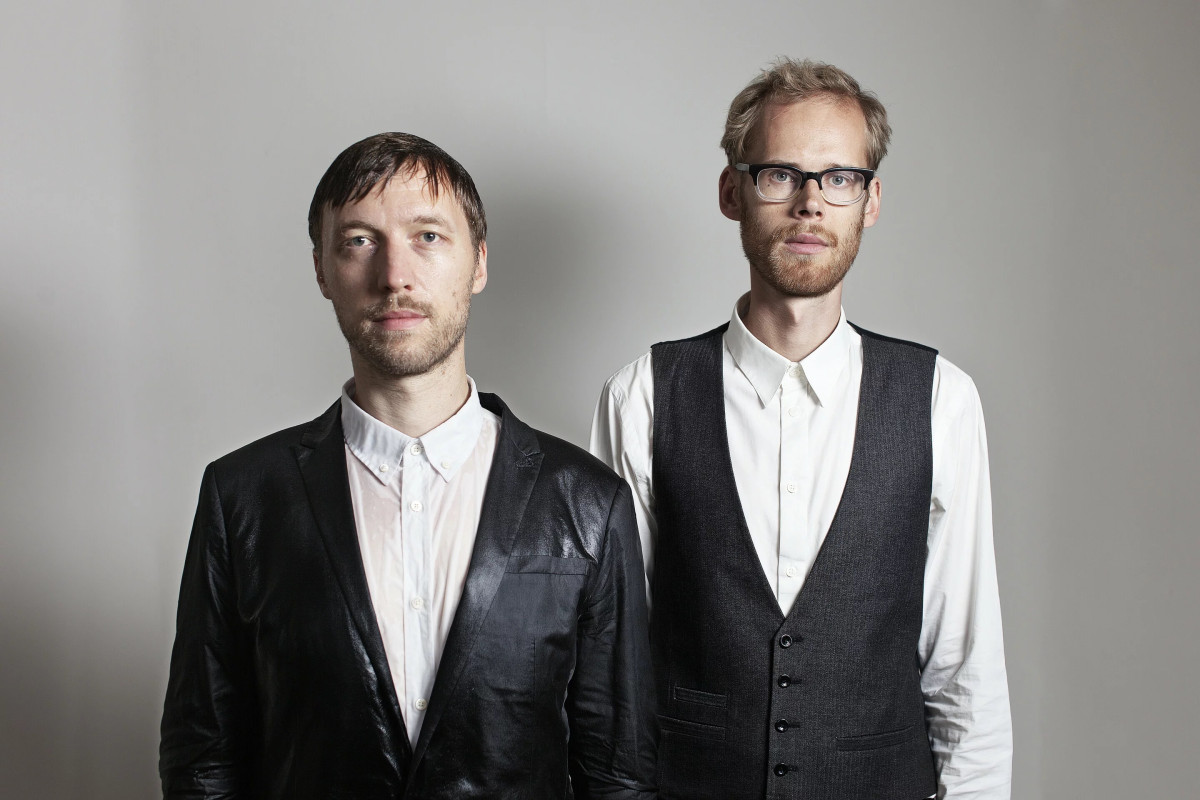
Kan man sige, at Karlheinz Stockhausen med sin Helikopter-Streichquartett foregreb pandemisloganet »sammen hver for sig«? Tyskerens satellitforbundne strygere roterer i baghovedet, mens jeg hører den nye EP ACROSS af Stormglas aka akkordeonist Andreas Borregaard og guitarist Mikkel Sørensen. Da pandemien lukkede verden ned, åbnede den samtidig for en ny strømning af kompositorisk 5G-core. En bølge af ukuelig optimisme, som Stormglas red med på ved at sende noder og grafiske partiturer til alverdens musikere, som så sendte lydfiler retur. På ACROSS er sporene blevet samlet. Og nu, hvor corona føles som en fjern fortid, lyder værkerne også som et genfærd fra dengang, vi troede, at pandemien ville forandre alting.
Æteriske træblæsere breder sig som en tåge om lytteren på »Quiet Autumn«. En grådkvalt violin spøger i baggrunden, og pludselig er vi lokket ind i et musikalsk rum uden vægge. Som et sonisk Zoom-møde bliver nye instrumenter lukket ind og ud af lokalet og bidrager til den ulmende mosekonebryg.
Spøgelsesæstetikken – med hviskestemmer og bagvendte lydoptagelser – bliver næsten for subtil på EP’ens to første numre. Det er først, når den til sidst i »Sometimes I Walk Backwards« med sit kompositoriske helikopterperspektiv kammer over i blodsulten horror-klaver og jagtende woodblock, at man for alvor mærker apokalypsen. Spooky.
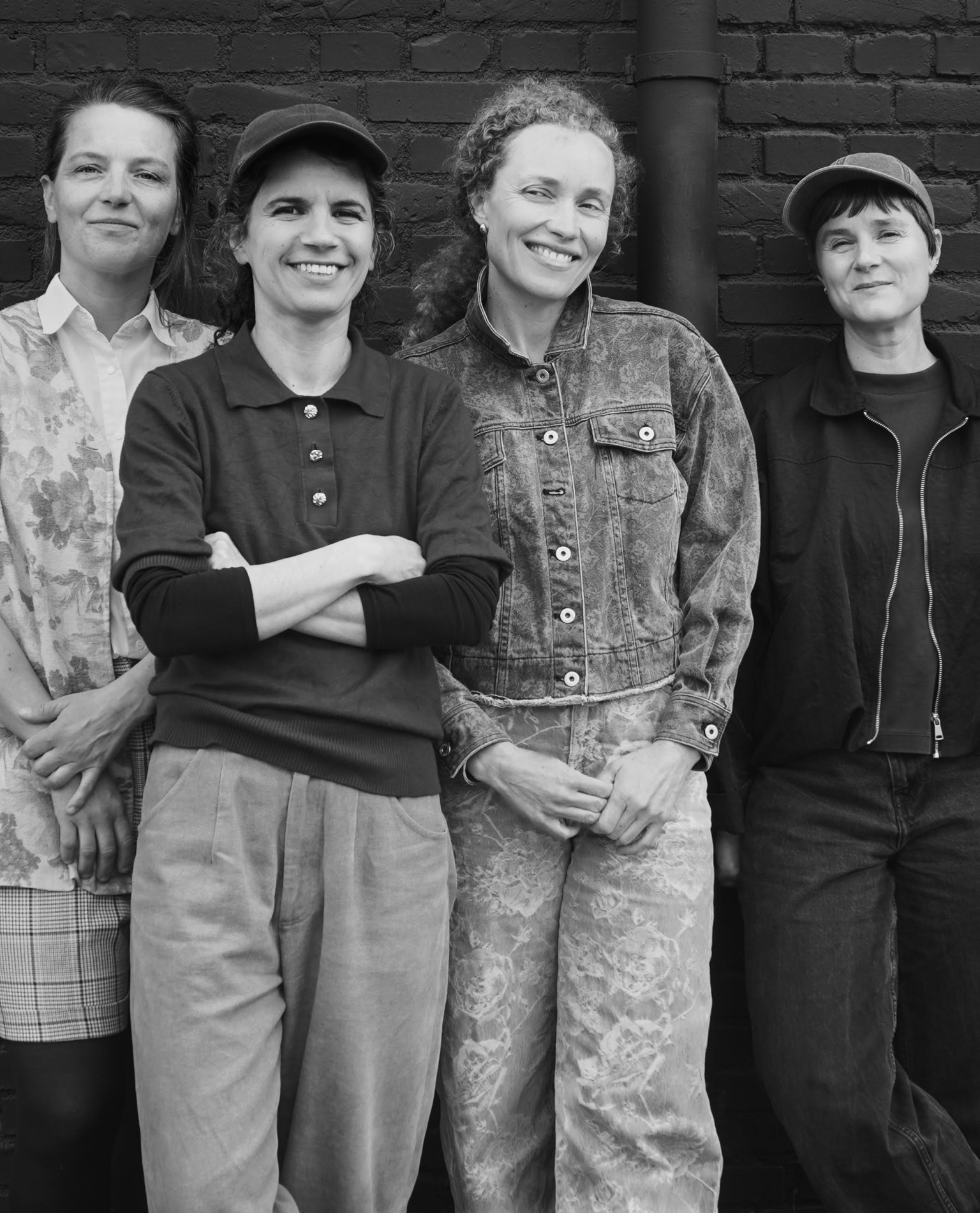
»Music, for us, is a fusion of different consciousnesses into a single shared focal point.«
The band Selvhenter was founded in 2010 by trombonist Maria Bertel, saxophonist Sonja LaBianca, violinist Maria Diekmann, and drummers Jaleh Negari and Anja Jacobsen. In 2017, Maria Diekmann left the group, and Selvhenter continued as a quartet.
Selvhenter’s sound is driven by a deep fascination with sonic textures, rhythmic displacements and polyrhythms, acoustic and electronic melodies, hard-hitting compositional choices, improvised beauty, and a sheer joy of creating and performing music. Selvhenter has played concerts both in Denmark and internationally. The group is also the nucleus of the artist collective Eget Værelse, which houses the members’ solo projects as well as collaborations such as Valby Vokalgruppe, SOLW, Nina Garcia & Maria Bertel, and G.E.K.
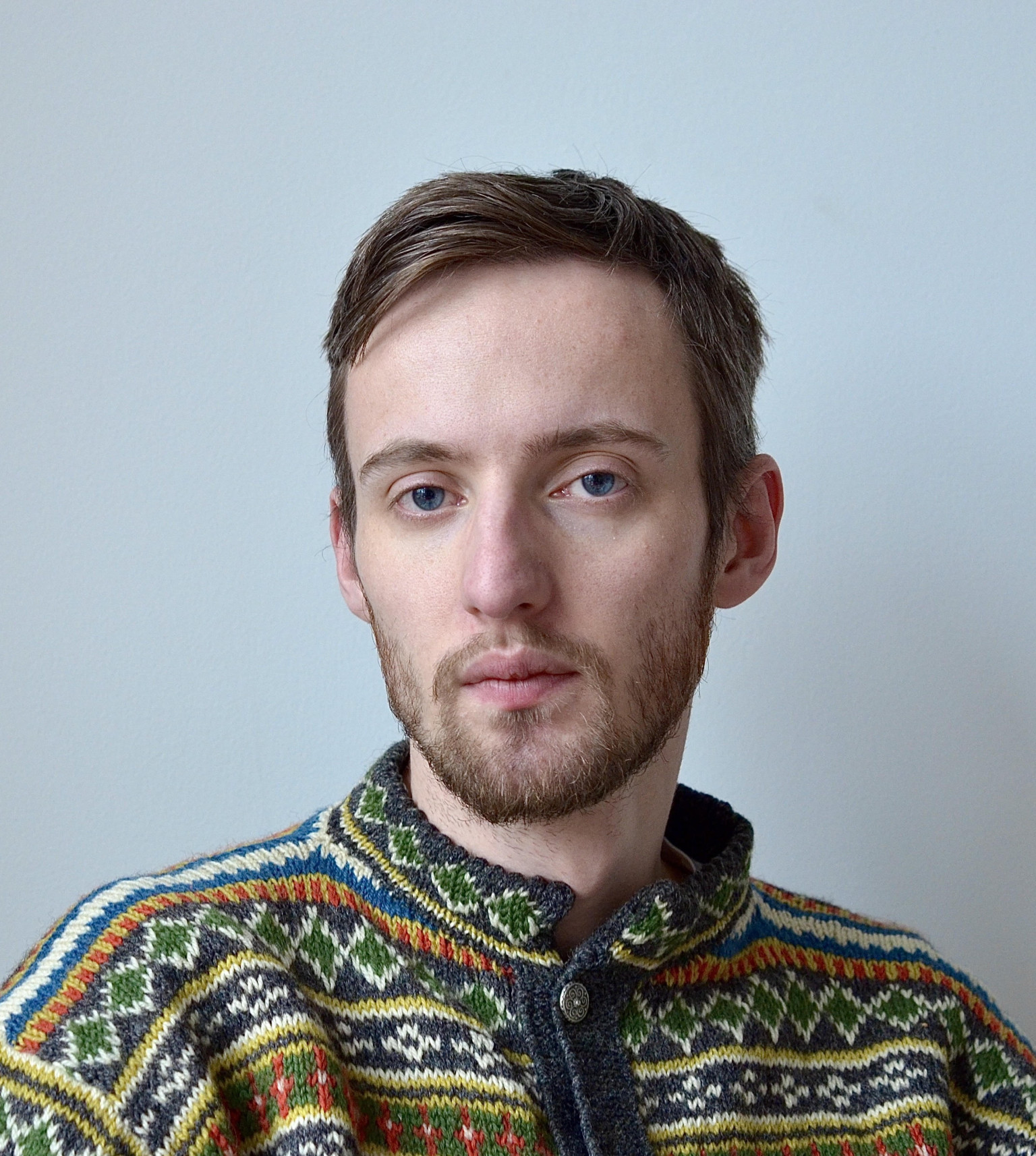
»Music for me remembers.«
Håkon Guttormsen is a Norwegian composer and trumpeter living in Copenhagen. He is educated at the Royal Danish Academy of Music and the Royal Academy of Rhythmic Music. He primarily composes scores for ensembles as well as music drama and opera. He is currently working on a work for solo violin and electronics for ILK Music’s concert series during CPH Jazz 2026 and on his first symphonic work, which will premiere at the academy in 2027. He is a member of nyMusik’s composer group in Norway and a board member of UNM Denmark.
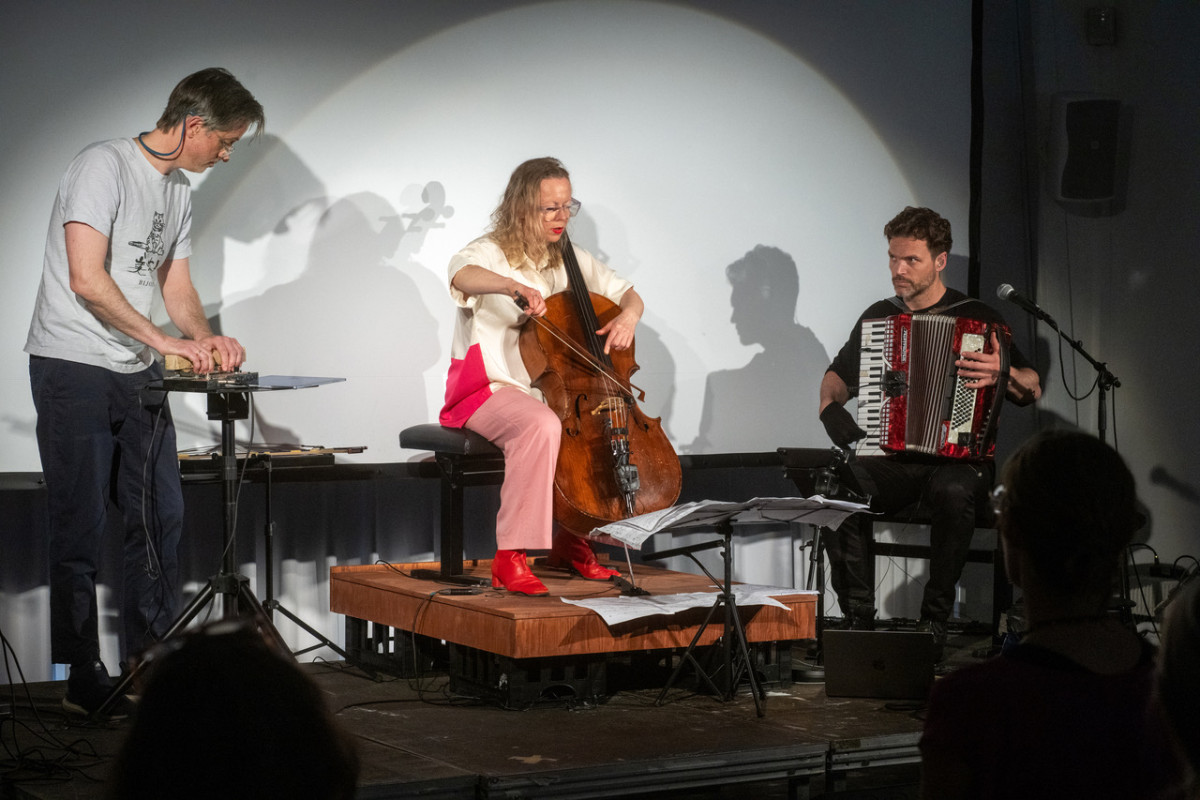
New Sounds at Louisiana is an initiative in which the Louisiana Museum of Modern Art has invited the record label Dacapo and the music publisher Edition S to curate concerts featuring living composers. Simon Steen-Andersen was the first composer in the series, and he seized the opportunity to assemble a programme that was not only overwhelming and exhilarating, but also deeply unsettling. Lasting an hour, the concert unfolded as a continuous sequence in which each work flowed seamlessly into the next, forming a single extended statement of at least part of the composer’s artistic practice and philosophy.
Combining video and live performance, the concert served as a manifestation of several of Steen-Andersen’s key artistic strategies. Central among them are techniques of estrangement and defamiliarisation, exemplified by Asthma (2017) for accordion, air pumps, and video, a work that explores and interrogates human breathing in all its positive and negative dimensions. Amid the many grotesque and humorous scenes – accompanied by Håkon Stene’s brilliant Foley-style soundtrack of air noises, sound effects, and spoken commentary – a brief clip of brutal police violence suddenly appears. In it, an officer methodically sprays pepper spray into the faces of handcuffed demonstrators. In that instant, everything else no longer seems quite so funny, and the crooked smile freezes.
The concert was a veritable sensory bombardment. Presenting all the works attacca undoubtedly created a powerful sense of flow, but it also left the audience almost saturated with impressions. Even so, the subsequent conversation between Simon Steen-Andersen and music critic and author Thomas Michelsen felt far too brief. Yet the composer succeeded in making his point: everything he does, he said, is a form of »deadly serious play.« Exactly.