in brief
16.12.2023

Orgel, ynde og bad ass-minimalisme

Organ Sound Art Festival: Hampus Lindwall, Matt Choboter, Ying-Hsueh Chen, Simon Mariegaard, Paulina Rewucka & Neža Kokalj, Ellen Arkbro, Hanne Lippard
© Daniel Oxenhandler

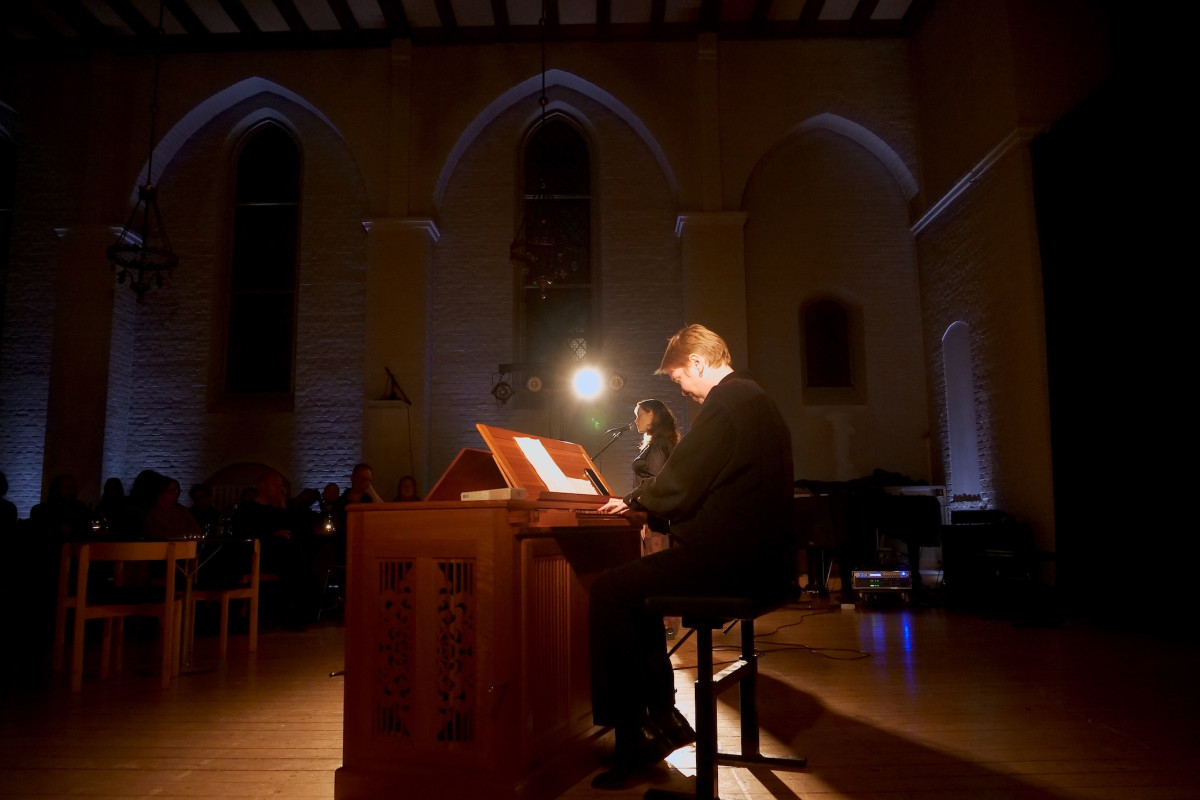
Det er muligt, at julen er hjerternes fest, men det er bestemt også orglets. Mange støder i løbet af december på kirkeorglets mægtige klang i forbindelse med julens mange kirkekoncerter, men i Koncertkirken på Nørrebro er december blevet en helt særlig slags fest med orglet som hovedperson og med et efter fremmødet at dømme til andendagen af Organ Sound Art Festival ganske dedikeret publikum, fascineret af orglets klang, struktur og mangfoldige muligheder.

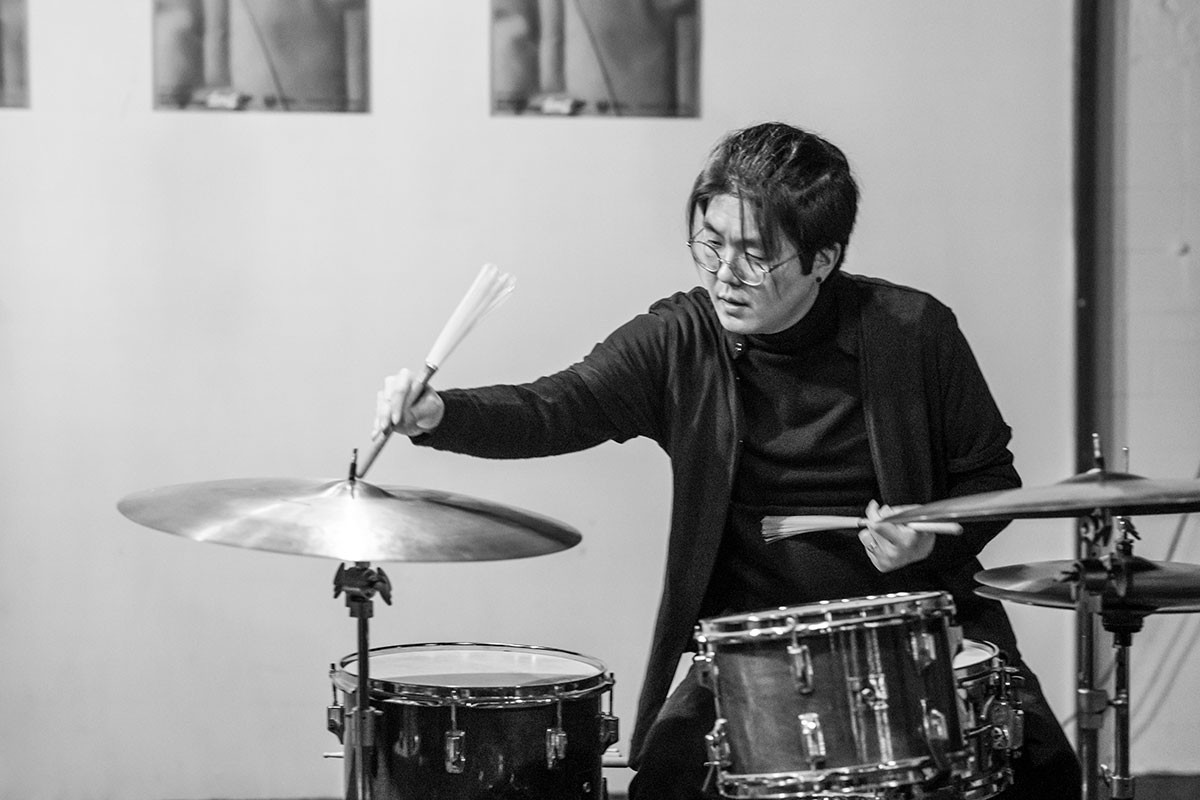
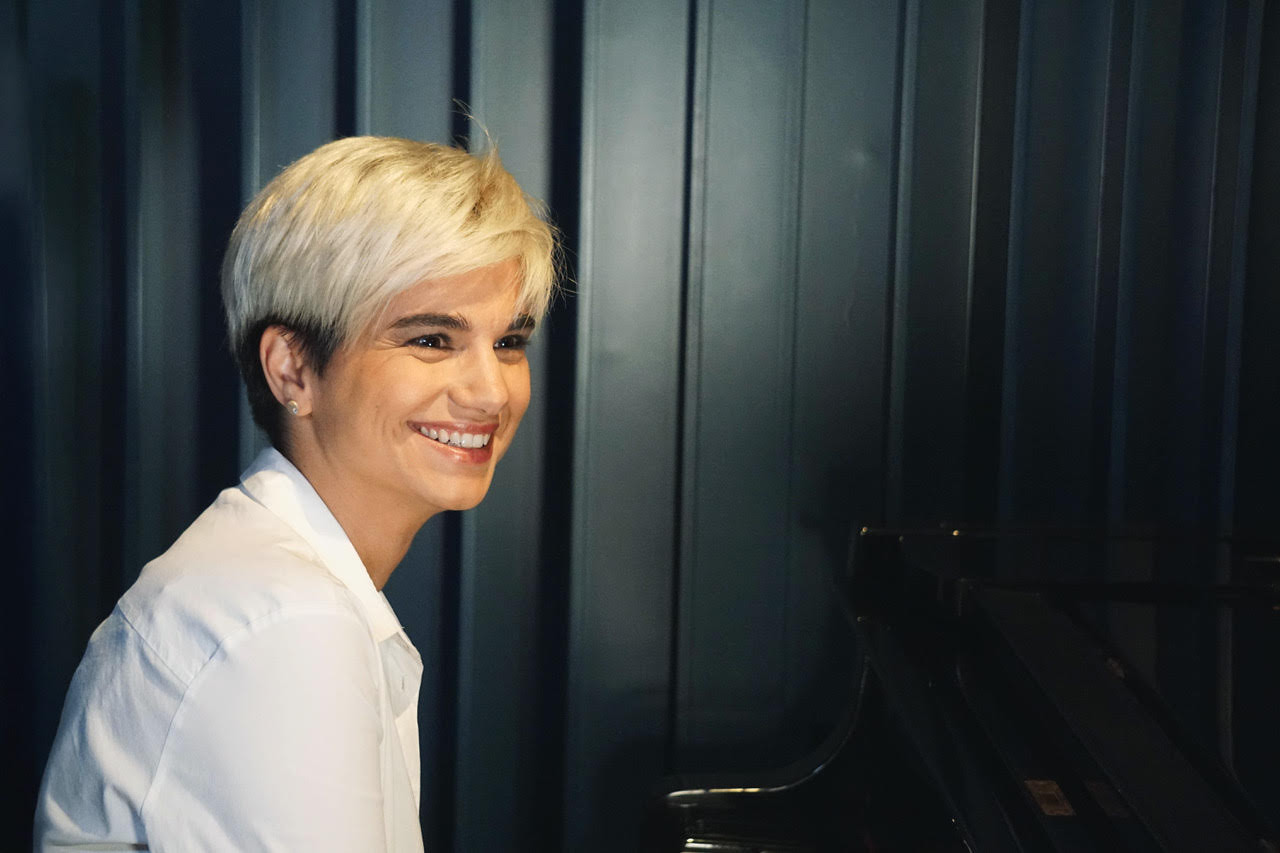
Aftenen åbnes af den svenske organist og komponist Hampus Lindwall, der også runder aftenens program af i et trioformat med organist Ellen Arkbro og vokalist Hanne Lippard. Solosættet indledes af værket Unmounted / Muted Noun af amerikanske Phill Niblock, som Lindwall præsenterer som en bad ass-minimalist. En form for bad ass-minimalisme, der egner sig godt til orglets rige væld af klange og overtoner, og med langstrakte droner får Niblocks værk da også hele kirken til at knirke og knage, mens Lindwalls eget Music for Organ & Electronics byder på et kvadrofonisk set-up, hvor publikum opfordres til at sætte sig i midten af kirken for at lade sig omslutte af både orglets klang og de elektroniske toner.

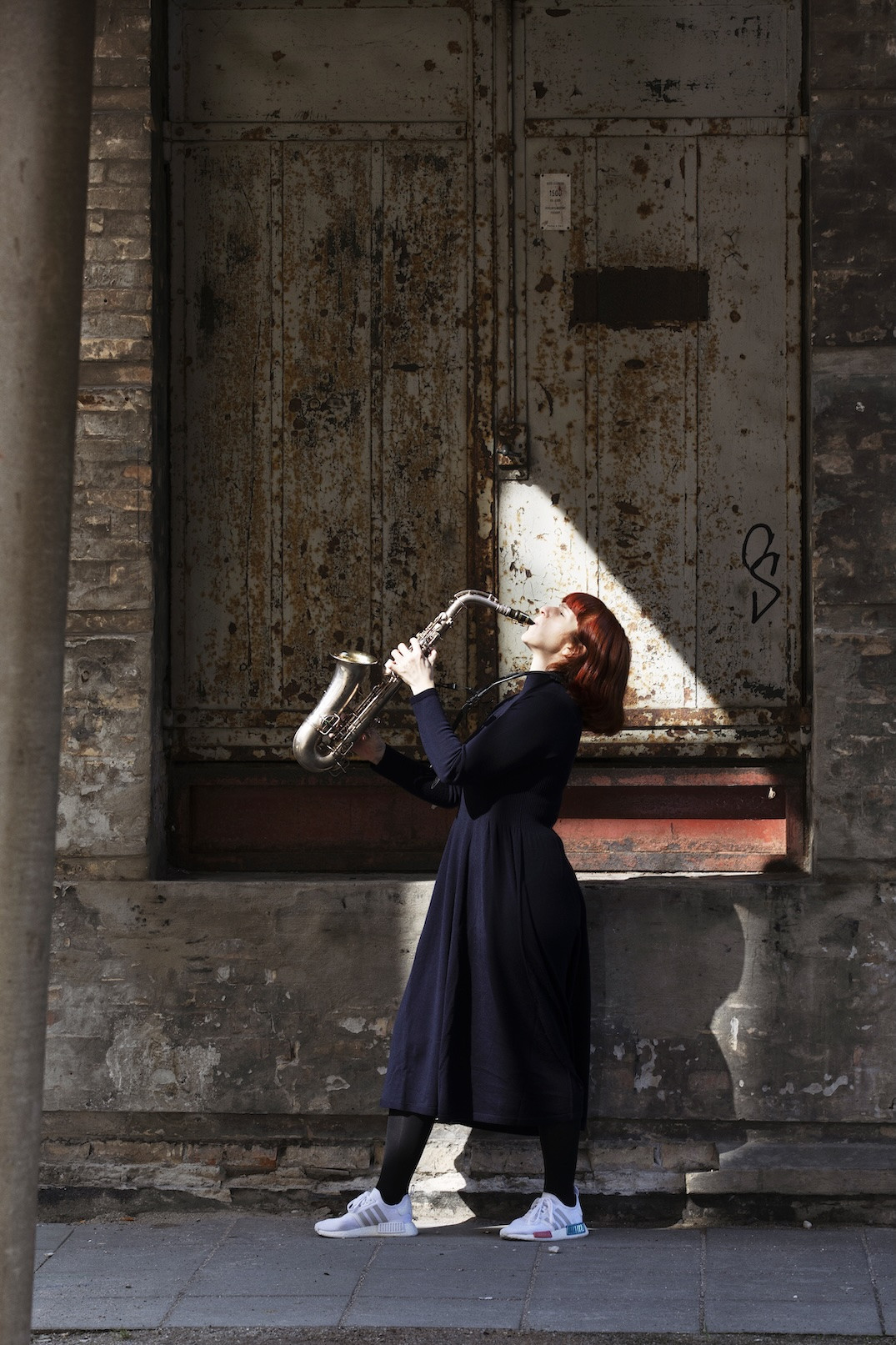
I det hele taget er det en aften, hvor publikum opfordres til at flytte sig meget efter, hvad det enkelte værk kræver. I det efterfølgende bestillingsværk, And Then There Were The Sounds of Birds, af den herboende canadiske komponist Matt Choboter, må publikum trække helt ud til siderne for at give plads til to ekspressive dansere, der sammen med to orgler, et præpareret flygel, percussion og elektroniske collager skaber et både melankolsk, legende og meget fysisk rum, der kredser om fugles stemmer og bevægelser. Orglet indtager her en mere tilbageholdende rolle, men værket synes samtidig at indkredse et paradoks ved netop orglet som et instrument, der med sin klang stræber mod det sfæriske, men som samtidig er ladet med en tyngde, som også kommer til udtryk i danserne, der snart nærmest svæver, snart falder klodsede til jorden, samtidig med at de indgår i symbioser med de instrumenter, der er fordelt ud i hele rummet. 

At udforske orglet er således også at udforske rum for musikken, både for komponist, performer og publikum, og på sin vis bliver det næsten en del af aftenens oplevelse, at vi, mens vi drikker ud og snakker om aftenens koncerter, er vidner til det franske ensemble Pancrace, der omdanner hele salen til en sand orgelbyggeplads for at gøre klar til deres koncert den efterfølgende dag. Nysgerrigheden bliver i hvert fald vakt på mere. 
in brieflive
05.07.2024

A World of Contrasts – and a Touch of Smurf Vocals

Roskilde Festival: Slauson Malone 1
© PR

The cello is everywhere at this year’s Roskilde Festival. Some use it as just about anything else – hey, now it’s an electric bass, or how about a keyboard drowned in effects – but in American Jasper Marsalis’ Marcela Lucatelli-worthy bomb project Slauson Malone 1, the cello was actually used as, well, a cello.

Marsalis himself handled vocals and electric guitar on the open Platform stage, while Nicholas Wetherell opened the concert with a motor-race assault on his amplified cello, then pivoted into plucked meditations, to which Marsalis contributed overtone playing on guitar. Sensitive jazz guys? Nope – suddenly: synchronized noise sprints, intimacy splintered, and before long Marsalis threw himself into the seated audience with a somersault – and a scream.

Meanwhile, Wetherell played tender vibratos. Because contrasts thrive at Roskilde – and, after all, seem to be driving the world forward these days. And so it was the world itself that came into focus in the music: through violent shifts between 8-bit Smurf vocals, ambient gnawing solo cello, intimate indie layered over a one-second sample of Cher – culminating in a wistful lullaby veiled in digital theremin.

In many ways, it was peak hipster era. But it was also intensely moving – something like following Mahler out on the edge of the abyss as he tried to sketch the whole world into his scores. The only difference: the easel looks a bit different today.

© Kristoffer Juel Poulsen

It is not the first time Selvhenter have shown Roskilde how a saxophone can scream. Even the most avant-garde-ready listeners were left gasping for air. It was hard not to let your own lungs empathise with the long passages and unruly energy that the experimental Copenhagen quartet excelled in, wielding an instrumentarium consisting of two drum kits, synth, trombone, saxophone and assorted extras.

And the more the band – positioned in the centre of the Avalon tent, surrounded by the audience – wove their collective patchwork carpet, the more the individual character of the instruments was erased. Selvhenter could just as well have been playing entirely different instruments. You could see Sonja LaBianca standing there, forcing tones out of a wind instrument, yet it sounded more like a harp from outer space. It was astonishing how her saxophone fanfares resembled distress signals beamed into the cosmos. Meanwhile, the drums drove very grounded rhythms: Steve Reich-like pulses colliding with freer passages.

Selvhenter inflated the tent with full-fat punked and jazzy noise. Without pauses (not even when a snare drum went dead and had to be replaced mid-set) and without water for the crowd. Being so close to the musicians was a plus; on their small central stage they looked like giants in a battle arena. This was new music that was deeply physical. For about an hour we breathed together (and perhaps even sweated?) in sync. And it is profoundly good to do something together at a festival.

Selvhenter on the Orange Stage next year. Come on!

© Pavlos Fysakis

»Music involves a mix of noise, of existing or fabricated instruments, of alternative worlds that the sounds and voices assemble. Some are gentle, some less so. We shift gears with music, it shifts intensity, we shift with it. I listen when I can.«

Jussi Parikka is a Finnish cultural historian and writer who works at Aarhus University as professor of Digital Aesthetics and Culture. After some 15 years in the UK, he continues in Denmark his work on how ecology, digital culture, art and design, and philosophy intersect. He has written on visual culture and history and archaeology of media, including the recent books Operational Images (2023) and Living Surfaces: Images, Plants, and Environments of Media (2024) which is co-authored with the Madrid-based artist Abelardo Gil-Fournier. Besides his writing and work as educator, he has been active as a curator including the recent show Climate Engines at Laboral, in Gijon (Spain) that was co-curated with Daphne Dragona as well as his involvement in the curatorial team of Helsinki Biennial 2023.

in briefrelease
23.04.2024

What a Dial Tone Tells Us About Life

Beachers: »Off the Hook«
© PR
© PR

Crazy about phones? Then listen up. For British artist Beachers spent a day in his London office, and with his smartphone, recorded the sound of a landline waiting for you to dial a number after lifting the receiver. An innocent, yet somewhat insistent sound: Use me, beep-beep-beep-boop, now!

He cut up the recording, panned it around, shifted the pitch here and there, and dabbed it with delays. Turned it into musical material, in other words. And from the effort, Off the Hook grows small tones and harmonies like those from a self-built organ. But the office noises follow along, making the little album feel oddly haunted.

There are white creaks, maybe from a chair. Treble screams like distant, escaped parakeets. Short keystrokes, mysterious silences. After the harmonic organ opening, Beachers lets a deep bass rumble beneath chopped-up beeps. Layers are added, or sudden shifts occur. It’s not meant to be perfectly polished; you’re meant to feel that a human is playing with the digital.

Patiently, small pulses build, maybe even a beat. Listen to the hidden parties and drives of everyday life, the music seems to say—but also: see what we can do to pass the waiting time while forgetting what we’re actually waiting for—someone to pick up, the boss to let us off, death catching up to us.

In the end, only the raw recording is heard. A minute of beeps, boops, and random noise. As if each motif bows to its audience. What a strange release, nostalgically so in its way. And how creative.

in brieflive
09.04.2024

Ballet’s New Power Duo

Josefine Opsahl: »Passengers of Passing Moments« (Koreorama nr. 01)
© Henrik Stenberg
© Henrik Stenberg

Josefine Opsahl herself sits on stage in the Australian-Danish choreographer Tara Schaufuss’s ballet Passengers of Passing Moments, for which Opsahl has composed the music. In fact, she almost steals all the attention from the ten dancers, as it is fascinating to watch the 32-year-old cellist’s theatrical immersion and her very active use of her right leg to control the loop and effects box.

The nearly half-hour ballet score is inspired by Bach, but also conveys a highland-like sense of drama through sampled breathing, stabbing subdivisions, and pronounced reverberation. It begins with delicate, bright major-key tones, but quickly moves into the depths, finding throbbing bass and timpani-like resonance. Emotions rush through every bow stroke.

The theme of the ballet is time. In fleeting moments, the dancers are caught in Opsahl’s small, mechanical loops; later, a dark, melancholic space is established, in which a young woman sinks into a memory. Extended sounds and overtones signal a time put out of joint; a faint wind is heard, a ticking fades in, and suddenly she has dreamed her beloved into being.

The woman moves like a ghost among the other bodies as Opsahl intensifies her playing, shifting between triple and quadruple meter. At one point, it is as if she disappears entirely into the violent temperament of the music; her dramatic flair turns Bach into an Avenger-like hero, and this suits Schaufuss’s focus on the force of emotions remarkably well. It is saturated, direct, and seemingly made for a grippingly intense choreography. A powerful partnership on the grand stage.