James Black
28




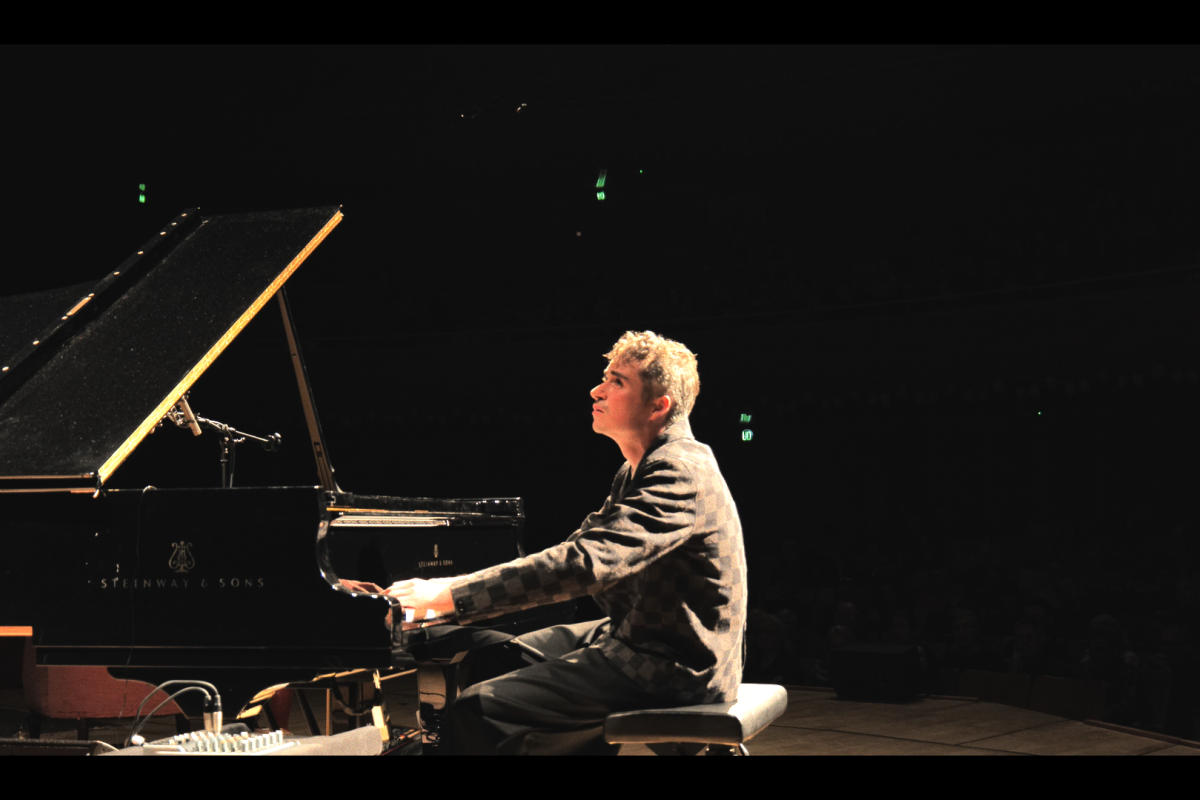
Jeg tog chancen og fulgte den tyske pianist Nikolaus von Bembergs DKDM-debutkoncert online, lokket af ikke blot et program med Messiaen-uddrag, men en uropførelse af pianistens eget projekt A Day in the Life og en gentagelse af Connor McLeans timelange Fragments (2020-22), som tidligere er opført på Minu Festival.
Og hvilket held: Koncerten understregede, at det københavnske musikliv i Bemberg har fostret en pianist, der ikke kun har styr på temperamenterne i Messiaen, men også har ambitiøse ideer, når det gælder iscenesættelse og medvirken i unge komponisters udsyrede frembringelser.
A Day in the Life begyndte som musikpædagogik. Skuespilleren Bless Amada fortalte begejstret om sin første klassiske koncert; denne musik var anderledes, gjorde ham bevidst om sig selv: »Jeg var den eneste sorte.« Bemberg spillede langsomme, spredte toner, men Amada sank ind i en kaotisk verden af sinustoner og stress. Hørte Jürg Frey på lp og læste Rilkes breve om ensomhed.
Det lignede et portræt af pianisten, og pludselig dukkede en krumrygget Bemberg op i en hjemmevideo, hvor han spillede skrøbeligt på et faldefærdigt pianette. Til sidst: video af et kystlandskab, lyden af fuglefløjt. Fred efter små tre kvarter. Lidt langt? Tjo. Men fint og personligt.
McLeans fragmenterede coronaværk var endnu længere – alt for langt, ja, ligesom pandemien – men komponistens monologer undervejs nåede desværre ikke ud til os onlinelyttere. Jeg noterede mig dog en parodi på nordisk krimi-tv med et mord på James Black og med Bemberg, der på flygel og Juno-60 spillede klynger og gysermotiver. Det var da værd at tage med.
Men værket gik på flere måder altså lost in translation på sin vej ud til mig, så det må blive til revanche, når McLean selv debuterer fra DKDM 12. juni.
»Music, for us, is a fusion of different consciousnesses into a single shared focal point.«
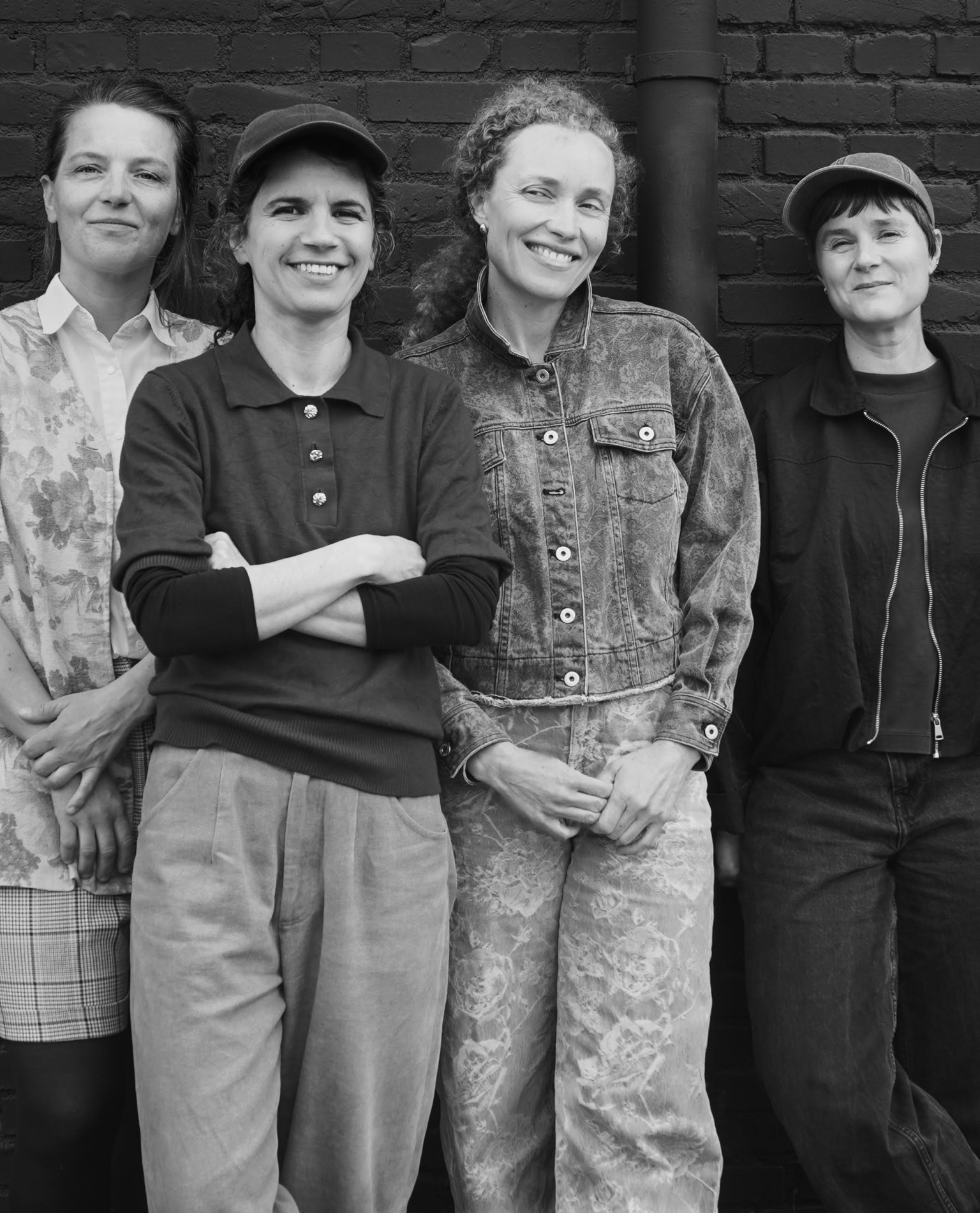
The band Selvhenter was founded in 2010 by trombonist Maria Bertel, saxophonist Sonja LaBianca, violinist Maria Diekmann, and drummers Jaleh Negari and Anja Jacobsen. In 2017, Maria Diekmann left the group, and Selvhenter continued as a quartet.
Selvhenter’s sound is driven by a deep fascination with sonic textures, rhythmic displacements and polyrhythms, acoustic and electronic melodies, hard-hitting compositional choices, improvised beauty, and a sheer joy of creating and performing music. Selvhenter has played concerts both in Denmark and internationally. The group is also the nucleus of the artist collective Eget Værelse, which houses the members’ solo projects as well as collaborations such as Valby Vokalgruppe, SOLW, Nina Garcia & Maria Bertel, and G.E.K.
»Music for me remembers.«
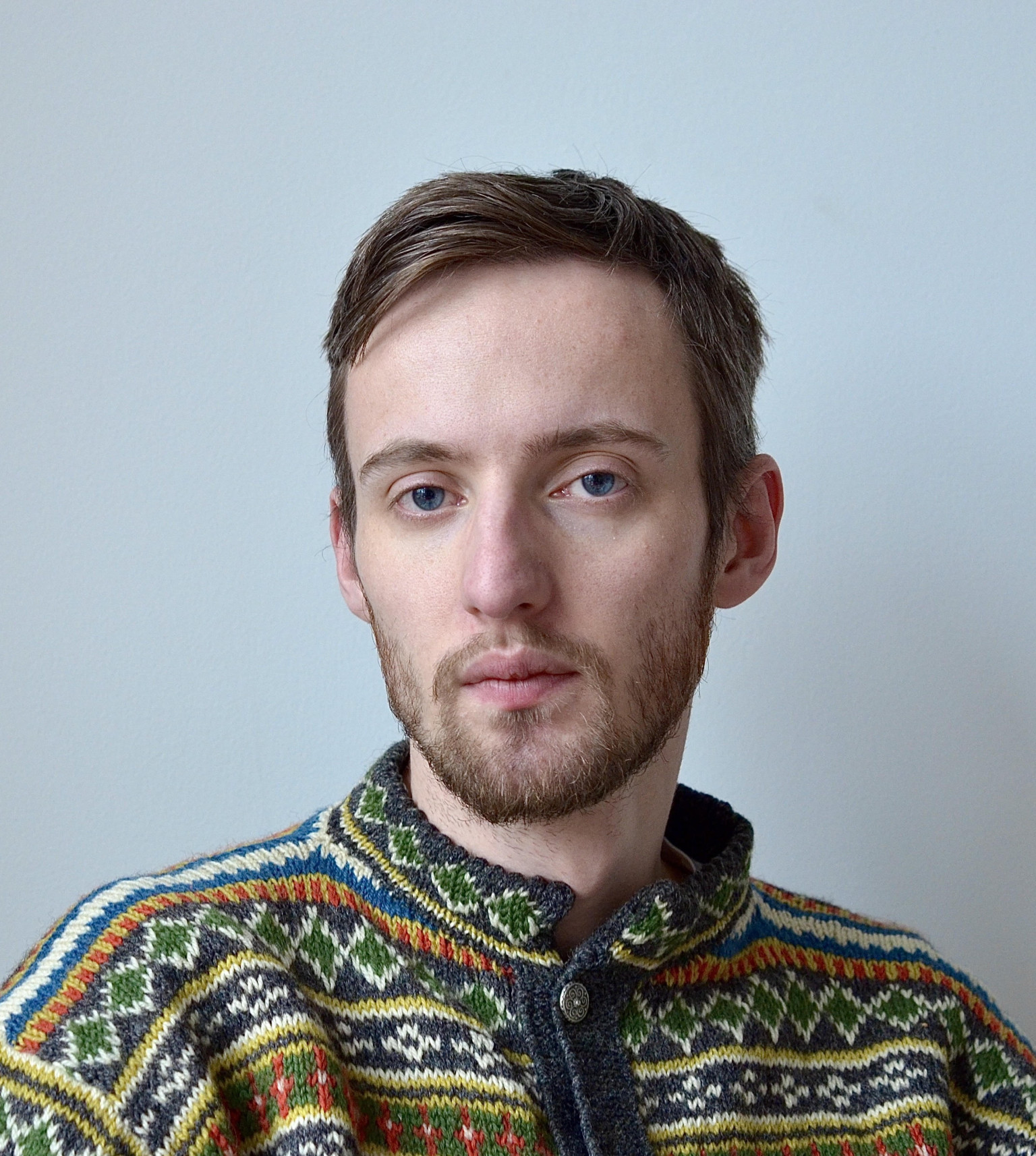
Håkon Guttormsen is a Norwegian composer and trumpeter living in Copenhagen. He is educated at the Royal Danish Academy of Music and the Royal Academy of Rhythmic Music. He primarily composes scores for ensembles as well as music drama and opera. He is currently working on a work for solo violin and electronics for ILK Music’s concert series during CPH Jazz 2026 and on his first symphonic work, which will premiere at the academy in 2027. He is a member of nyMusik’s composer group in Norway and a board member of UNM Denmark.
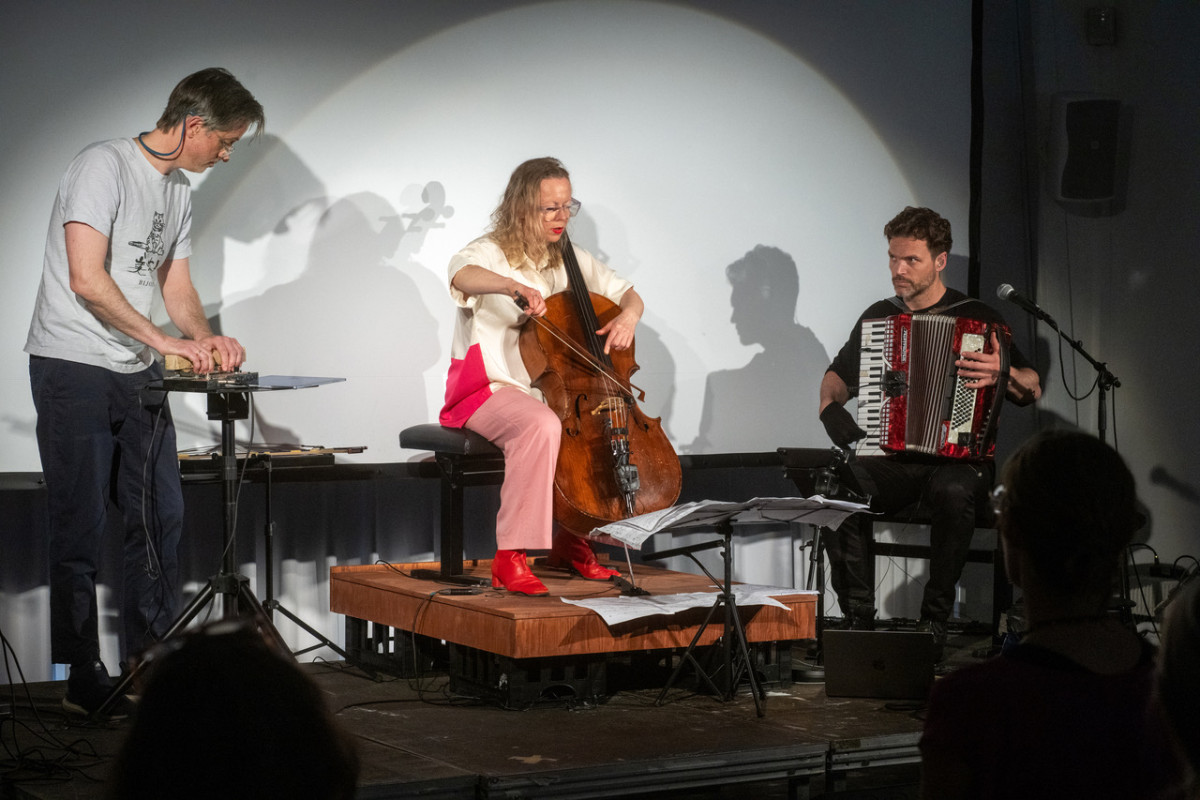
New Sounds at Louisiana is an initiative in which the Louisiana Museum of Modern Art has invited the record label Dacapo and the music publisher Edition S to curate concerts featuring living composers. Simon Steen-Andersen was the first composer in the series, and he seized the opportunity to assemble a programme that was not only overwhelming and exhilarating, but also deeply unsettling. Lasting an hour, the concert unfolded as a continuous sequence in which each work flowed seamlessly into the next, forming a single extended statement of at least part of the composer’s artistic practice and philosophy.
Combining video and live performance, the concert served as a manifestation of several of Steen-Andersen’s key artistic strategies. Central among them are techniques of estrangement and defamiliarisation, exemplified by Asthma (2017) for accordion, air pumps, and video, a work that explores and interrogates human breathing in all its positive and negative dimensions. Amid the many grotesque and humorous scenes – accompanied by Håkon Stene’s brilliant Foley-style soundtrack of air noises, sound effects, and spoken commentary – a brief clip of brutal police violence suddenly appears. In it, an officer methodically sprays pepper spray into the faces of handcuffed demonstrators. In that instant, everything else no longer seems quite so funny, and the crooked smile freezes.
The concert was a veritable sensory bombardment. Presenting all the works attacca undoubtedly created a powerful sense of flow, but it also left the audience almost saturated with impressions. Even so, the subsequent conversation between Simon Steen-Andersen and music critic and author Thomas Michelsen felt far too brief. Yet the composer succeeded in making his point: everything he does, he said, is a form of »deadly serious play.« Exactly.