© Charlotte Lakits

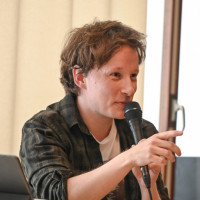
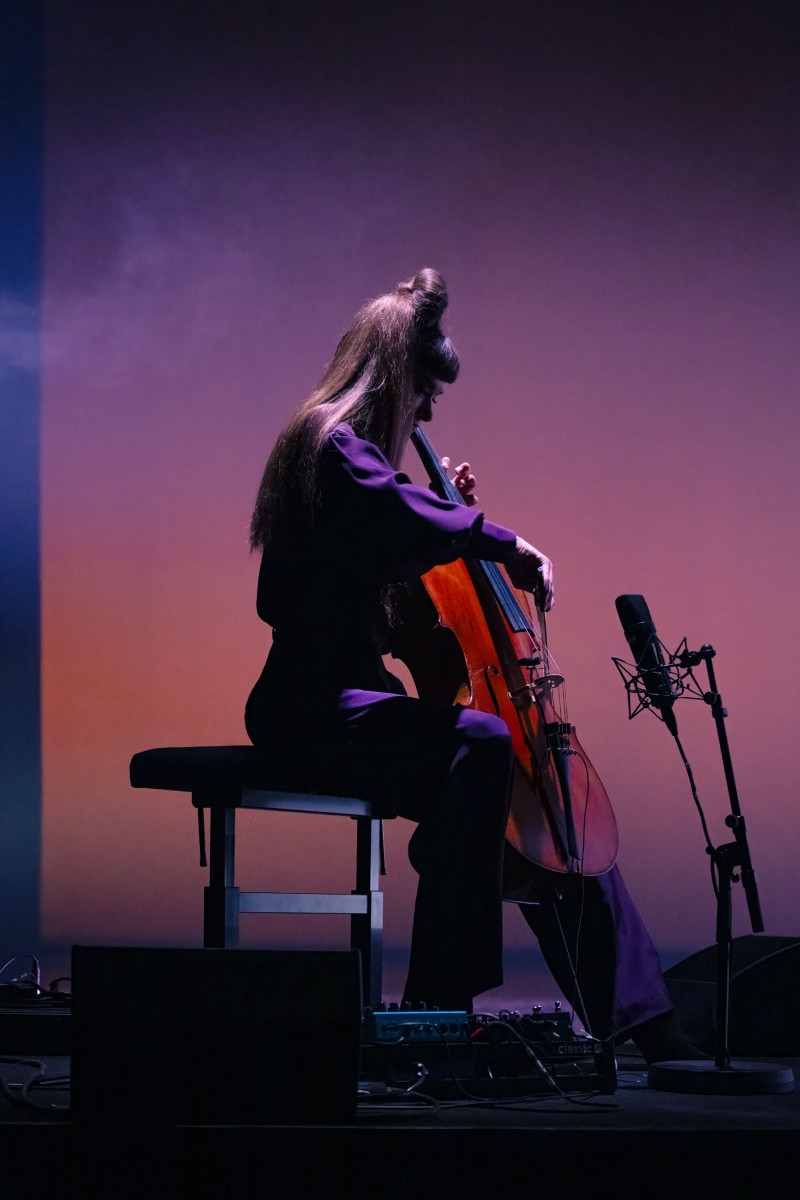
»For me, music is a bridge between worlds and cultures, and it’s also a path inward – and outward. Toward new insights. Music is what I use when I meet other people, instead of talking about the weather. It’s music that gives me answers and asks the questions. Music is a release valve and the space that can hold all the unmanageable, infinite, and strange emotions in life. A space for everything I can’t seem to fit anywhere else. Music roots the airy and the ethereal. A dissolution of all that is material and tangible.

When I create music myself, I discover new paths and ingredients within me that I didn’t know I had access to. Music is the language through which one can connect with others – with or without formal training – an imaginary language, and yet so concrete that it can be touched and felt. Music is a peephole into others and a gaze that crosses the boundaries that would otherwise divide us.

For me, music is motive, excuse, and emphasis. And a pressure test between reality and fantasy. Music is balance and chaos, tonal poetry, pure lovely gibberish, ultimate perfection – and sometimes the only thing bearable to listen to.«

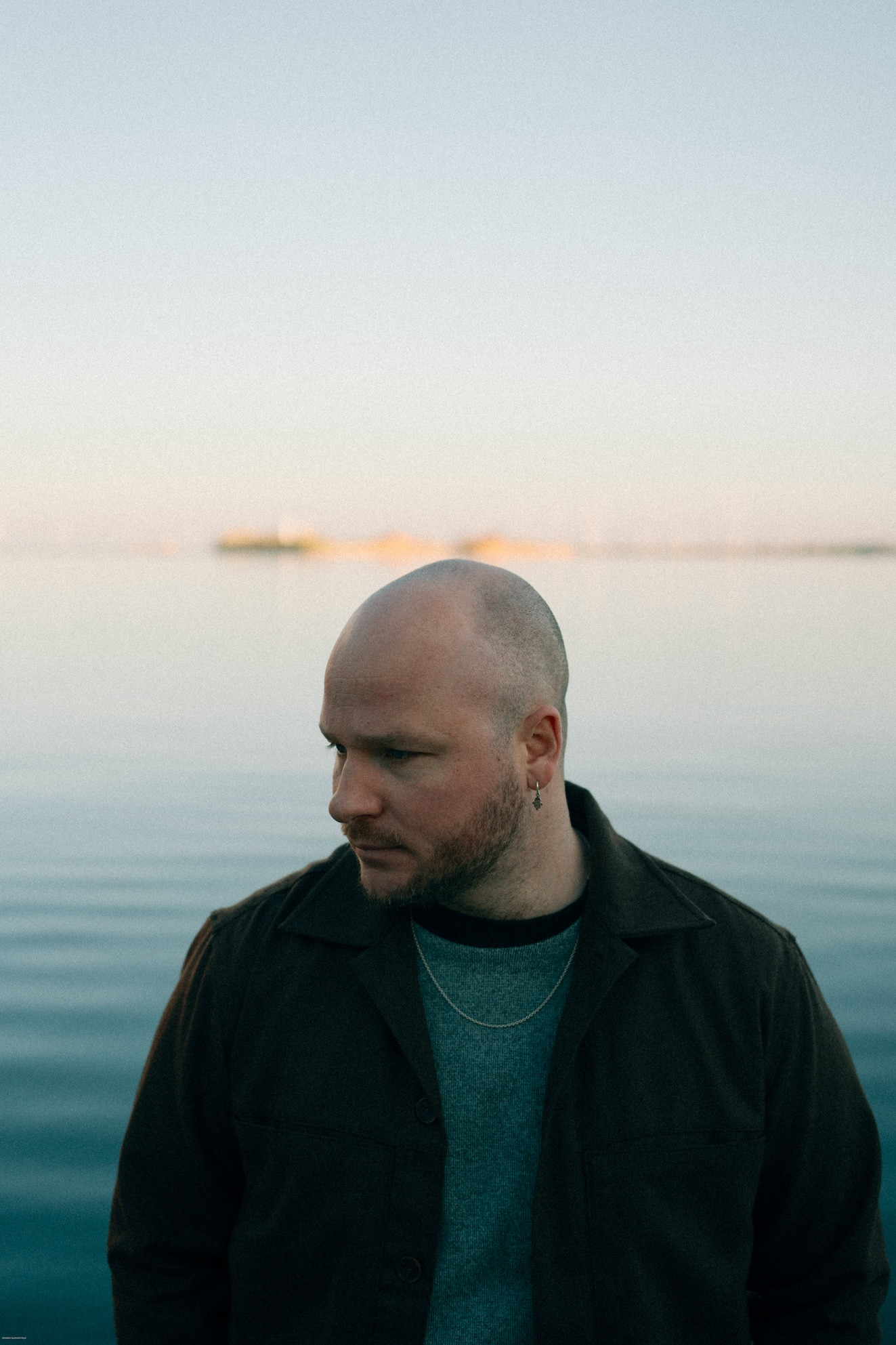
Per Bloch is a composer and songwriter, as well as the author of novels and children’s books accompanied by musical audiobooks. Last year, he published the children’s book Gakkelaksen og de 10.000 stjerner and the novel Rosa i al slags lys, both including sound pieces. He also released three new songs in three different languages – Greek/Danish, Faroese, and Greenlandic – as a follow-up to the album Kokoro, which consisted of eight love songs in eight different languages. In addition, he released two remixes – one of them based on the novel's soundtrack, created by the Japanese sound artist Sugai Ken.
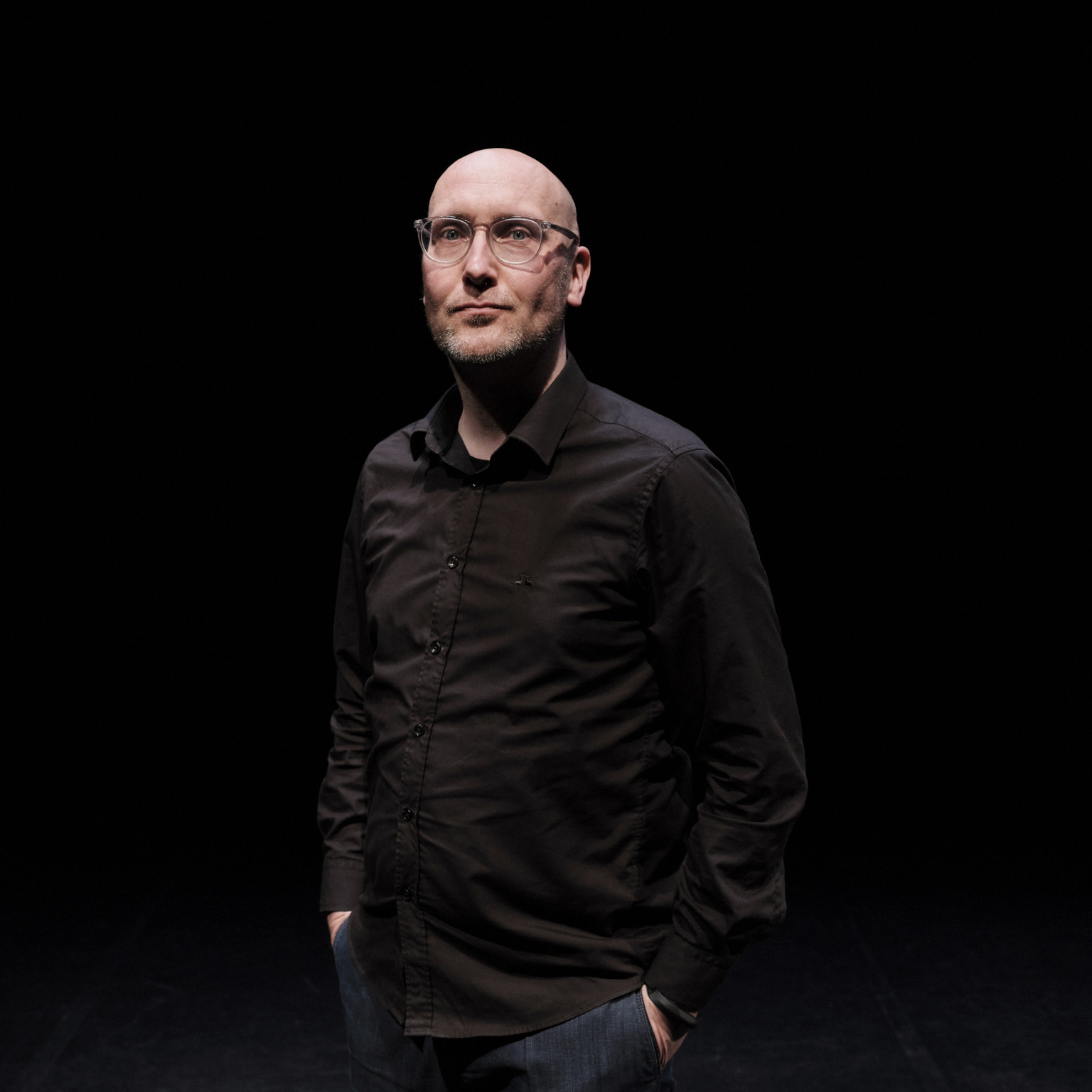

© Malthe Folke Ivarsson

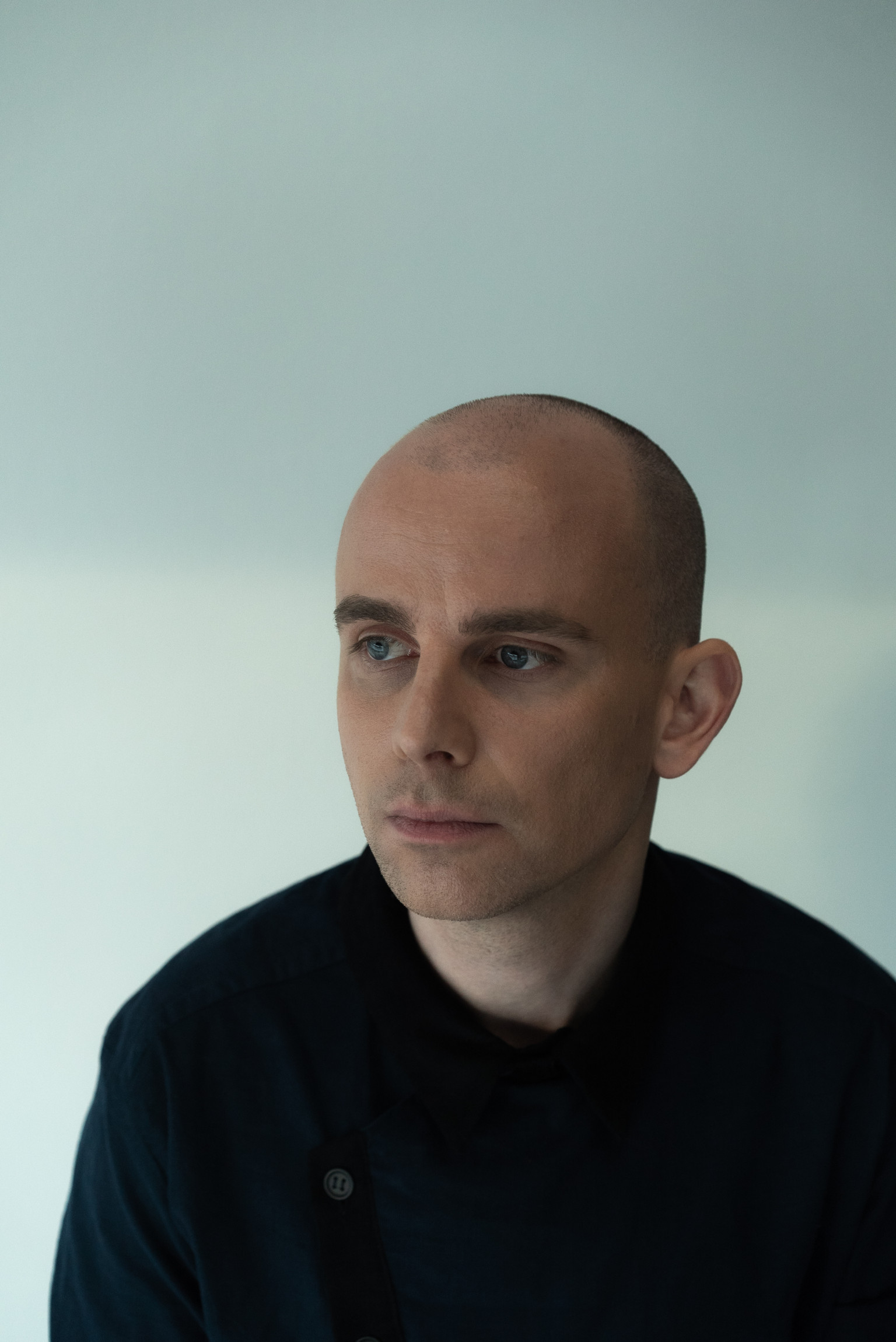
»In his music, composer Allan Gravgaard Madsen tries to create a better version of himself.« 

Allan Gravgaard Madsen is a Danish composer based in Copenhagen. His most recent works include Träume nicht and Nachtmusik. He tries to create a better version of himself in his music – where his personality tends to be restless, chatty and has an active inner life, his music is controlled, simple and merciless in its expression. He is the recipient of the Carl Nielsen & Anne Marie Carl-Nielsens Hæderspris 2022.

in briefrelease
23.01.2022

Finnish Space Travel

Tomutonttu: »Hoshi«
© Tomutonttu: »Hoshi«

The Finnish multimedia artist Jan Anderzén has, with the album Hoshi, released under the solo moniker Tomutonttu, created a true little star. Not only because »hoshi« literally means »star« in Japanese, but above all due to the music itself. There is something cosmic, yet infinitely minute, about the sonic worlds Anderzén conjures—like a galaxy reflected in a puddle, or a space journey in a rocket carved from a hollow tree trunk. Synths emit busy, warm blips and bloops, while ultra-short vocal and instrumental samples create a recognizable blur. At once artificial and organic – soft, rounded, jagged, crackling.

Anderzén approaches sound with a playfulness I simply adore. His music is strange in an incredibly comforting way. It places me in a kind of colorful, trance-like state, only interrupted when, several times over the course of the album, I find myself smiling in delight at a particularly great sound. The synths on »Katse osuu sähköön!« The choral samples on »Kesä oli äkkiä ohi!« Milo Linnovaara’s flute on »Malta lausua ‘AH’!« And many more. Hoshi is an album packed with microscopic moments that together form a frayed, exploding, radiant, idiosyncratic whole—a stellar moment of just under 38 minutes.