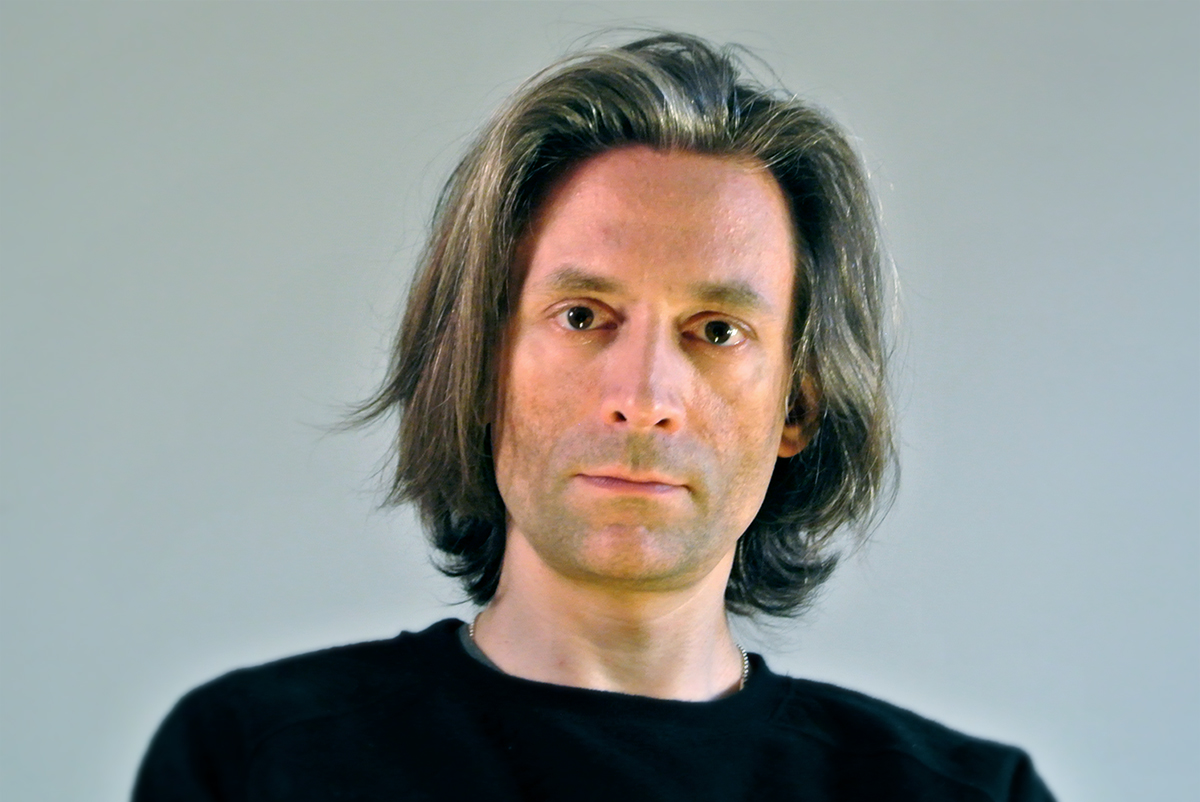
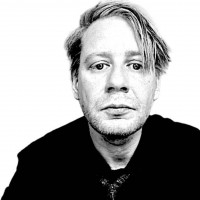
I en serie af mini-interviews spørger Seismograf/DMT forskellige aktører på musik- og lydkunstscenen til aktuelle anbefalinger af værker eller events. Se her denne anderledes og personlige værkanbefaling fra den ene af initiativtagerne til LYT TIL KBH og manden bag kunstnernavnet Krishve, Kristian Hverring.

1) Hvilket værk vil du gerne anbefale til andre?
Jeg bliver nok nødt til at vælge en drøm, jeg havde for noget tid siden. En koncert i et gammelt nedlagt biografkompleks i Bruxelles. På scenen var medlemmer af The Residents, Coil, Slayer, Velvet Underground, Guns N’ Roses og Einstürzende Neubauten. Cash, Bowie og Derbyshire gjorde også et eller andet. Arvo Pärt kom ind på scenen, men gik ud igen med det samme. Så Ligeti og Lemmy i baren. Over scenen svævede en sky af helikopterkatte. Lee Hazlewood, Scott Walker, Laurie Anderson og Ronettes sang kor. David Lynch dirigerede. Hans bidrag bestod i forundrede smil og flagrende håndbevægelser i retning af John Cage, der ved et komfur strøg en fjer mod en kogende kedel. Lars von Trier lavede lyd. Sublimt dårligt. Med vilje. Inger Christensen skammede sig bare. På alles vegne. Musikken var en kakofoni af knækket selvværd i HD. Uimodsigelig som en naturkraft, asiatisk i sin vælde, grum som et K-hole. Jeg vågnede med en underlig tilfredsstillelse i kroppen. 

2) Hvorfor er dette værk særligt?
Det er vigtigt at drømme. Og sove, hvis man kan. Det er godt for hørelsen. 

3) Hvad arbejder du selv med lige nu?
“1 + 1 = 3 [30 sekunder]” er en serie af improviserede 30 sekunders duetter med skiftende samarbejdspartnere. Det har stået på siden 2009 og viser ingen tegn på at gå væk. Kan opleves på film eller live. Er samtidig ved at tyde konturerne af to nye udgivelser. Den ene bliver en kortere ting, den anden længere, og på vinyl. Jeg glæder mig meget til at møde dem begge. Man kan se med på min hjemmeside www.krishve.com.

LYT TIL KBH er et samarbejde jeg har med arkitekten Jakob Oredsson. LYT TIL KBH bor på hjemmesiden www.lyttilkbh.dk og kan antydes med disse korte instrukser: 
 - Gå ud i byen
 - Placer dine hænder bag ørerne
 - Lyt til byens lyde

På hjemmesiden finder man en mere uddybende beskrivelse af intentionerne bag, samt binaurale optagelser fra forskellige steder i København. Vi arbejder i øjeblikket på næste trin. LYT TIL KBH er kun lige begyndt at vise sig, og vi planlægger en lang rejse.

Læs mere om Seismografs omtale af projektet.

Jeg er også involveret i et par nye projekter med Hotel Pro Forma, som jeg efterhånden har samarbejdet med i tre år. Derudover arbejder jeg på lydsiden til en udstilling på Nordatlantens Brygge til efteråret. Det lover godt for drømmene, men varsler ilde for søvnen.


© Inga Records

»For me music is life. It contains everything and carries the strongest healing powers there is.«

Mika Akim is the solo project of the viola player, composer and songwriter Mika Persdotter. The project started when Mika found a viola d'amore outside of Prague and started writing songs for it, about and for the body. Exploring open forms, minimalistic approach and mixing influences from folk music, baroque and experimenting with sound. The music is cyclic and honest. Since the project started Mika Akim has released two albums and now the third solo album feb 28 will be released on the 27th of February on Inga Records. 

Besides the solo project Mika Persdotter is an active musician in the experimental music scene as well as the contemporary and baroque fields in Copenhagen. Member of Halvcirkel, Damkapellet, Wolfskin Ensemble and Stök among others. 

Bobo Moreno. © Thomas Roger Henrichsen

»Music is an element for me, along with earth, wind, fire and water. Music is a nutrient that is part of my personal food pyramid, along with cheese, eggs and tomatoes. Music is a relationship in my life that is just as important as the people I have around me. Music is like an extra organ through which I perceive the world.« 

Growing up surrounded by his parents’ eclectic record collection, Bobo Moreno developed a love for music across genres. Named after his stepfather, jazz and rock bassist Bo Stief, Bobo started out on the electric bass before, at the age of 22, finding his true instrument – ​​his voice. Self-taught, he developed his craft through countless live performances and garnered recognition for his expressive voice and stylistic range. His national breakthrough came with the pop duo Peaches & Bobo in 1993. After decades of performing, at the age of 60, Bobo now releases Missing Pieces – his deeply personal debut album, reflecting a life of musical exploration and self-discovery, while marking a new chapter in a lifelong musical journey.

© Mira Campau

»Music to me is like water to plants. And a space to connect us, to ourselves, others and the world.«

Astrid Engberg is a contemporary artist with roots in the past, blending electronic-organic jazz, soul and percussive minimalism. Her sound combines heavy, minimal productions with personal storytelling and a spiritual edge, carried by a voice that balances sensitivity and strength. Since releasing her debut album Tulpa in 2020, highlighted by Bandcamp as one of the summer’s best releases, she has received the Steppeulven award as Producer of the Year 2021 and won Vocal Jazz Release of the Year at Danish Music Awards Jazz, alongside a nomination for Experimental Album of the Year.

Engberg has performed live and as a DJ at major Danish festivals and venues, including SPOT, Heartland, Roskilde Festival, DR Koncerthuset and SMK – Statens Museum for Kunst.

in brieflive
13.02

Ash in the Ear

Farvel & Peter Laugesen
© PR
© PR

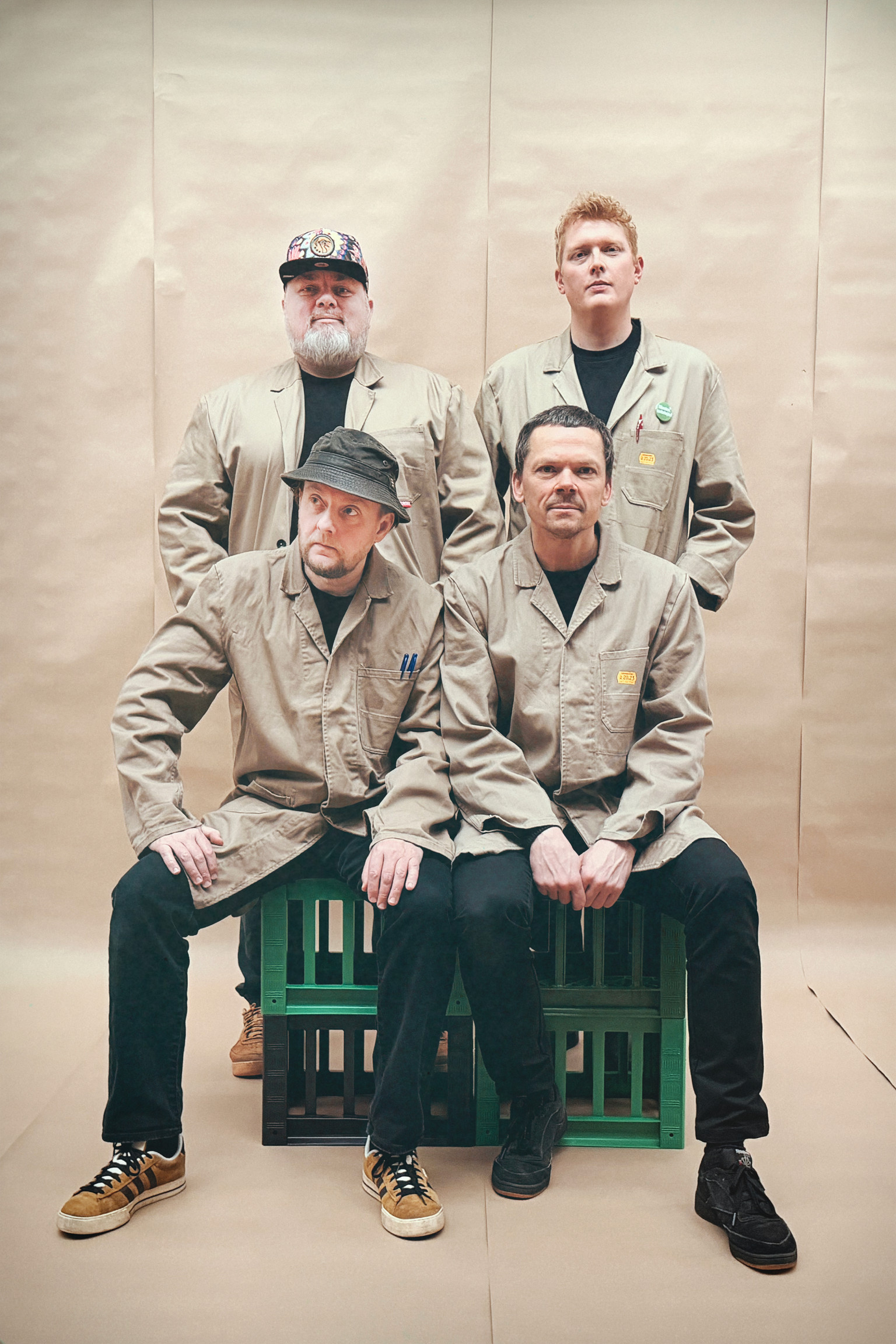
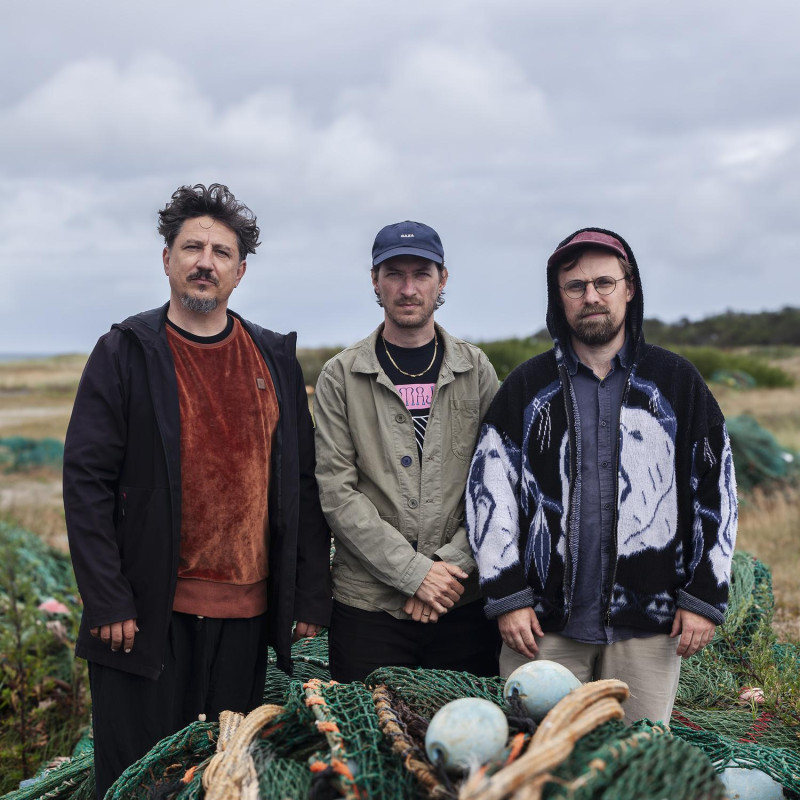
There was something liberating about watching 83-year-old Peter Laugesen step onto the stage at Phono with a new band and not a trace of nostalgia. There was no hint of a poetic lap of honour. But plenty of noise. The trio Farvel – Halfdan Magnus Stefansson (guitar), Gustav M.K. Lauridsen (bass) and Jens Højbøge Mosegaard (drums) – did not play politely around the poet. They laid down a massive carpet of stoner rock and free improvisation beneath him, as if the words had to be wrenched free from gravel and distortion. At first the music moved heavy and viscous. For a long time. Then it accelerated. And Laugesen accelerated with it.

He sat on a chair in the corner, leafing through his books, speaking of dawn, of children at play before they disappear, of Finnegans Wake, Winnie-the-Pooh and an irate »then thaw, for fuck’s sake.« The words did not fall in rhythm – they landed like bolts on a workshop floor. Laugesen’s baritone is still as coarse as steel wire; the Brabrand accent refuses to be polished. He played the harmonica. It sounded more than off-kilter – a twisted blues.

Farvel emerged from a jazz ambition that dissolved and found another path in the abrasive aesthetics of 1990s noise rock. It suits Laugesen. The three young musicians did not play behind him, but with him, across generations, on equal footing. This was no solemn celebration of an ageing poet. It was a workplace filled with friction. At Phono, Laugesen sang – yes, sang – the prose of life across a wall of sound. His voice cut in between the rumbling bass and the grit of the snare drum. He spoke of »ash in the ear«. You left carrying precisely that: a tremor in your hearing. When language meets resistance, it can still strike sparks.

Phono. 12.02

in briefrelease
11.02

Echoes from the Olive Trees

Mai Mai Mai: »Karakoz«
© PR
© PR

Grief is hereditary. It is collective and more than mere streams of tears – as countless generations of oppressed Palestinians can attest. On the album Karakoz, the Rome-based musician Mai Mai Mai creates a resonance of this collective sorrow and attempts to grasp the desperate hope of the Palestinian people. Not through political slogans, but through dark spiritualism and synthesizers.

Karakoz is an ancient form of shadow theatre with roots in the Ottoman Empire, and the album title serves as an omen of the musical pulse that sets in from the opening track, »Grief«. Here the music sounds like an archaic folk hymn: slow, repetitive percussion creates a tear-soaked minimalism, and the piece feels like a ceremony passed down through generations. With synthesizers slowly coiling around Maya Al Khaldi’s yearning vocals, »Grief« becomes a cultural bridge between forgotten traditions and the painfully current tragedy that today envelops Palestine in an all-consuming darkness.

Across the seven tracks, one hears trauma like a wind murmuring through the streets and among the olive trees. This may be because the album was created in collaboration with local artists and includes archival material from The Palestinian Sound Archive – an archive of decades of forgotten music, poetry, and album covers. Karakoz is a reinterpretation of Middle Eastern spiritualism and forgotten music. It is a testament to grief as lived experience, and as an archival bulwark, Karakoz thus takes part in the struggle for a free Palestine.

English translation: Andreo Michaelo Mielczarek