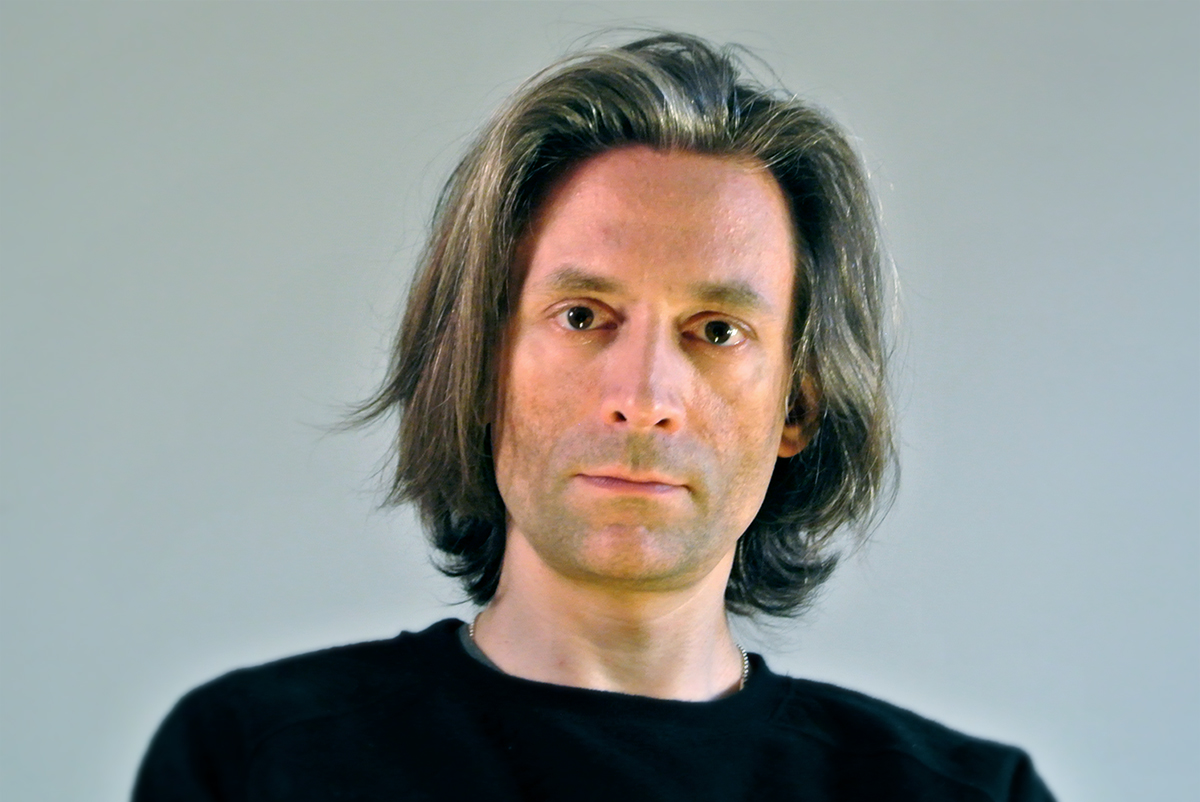
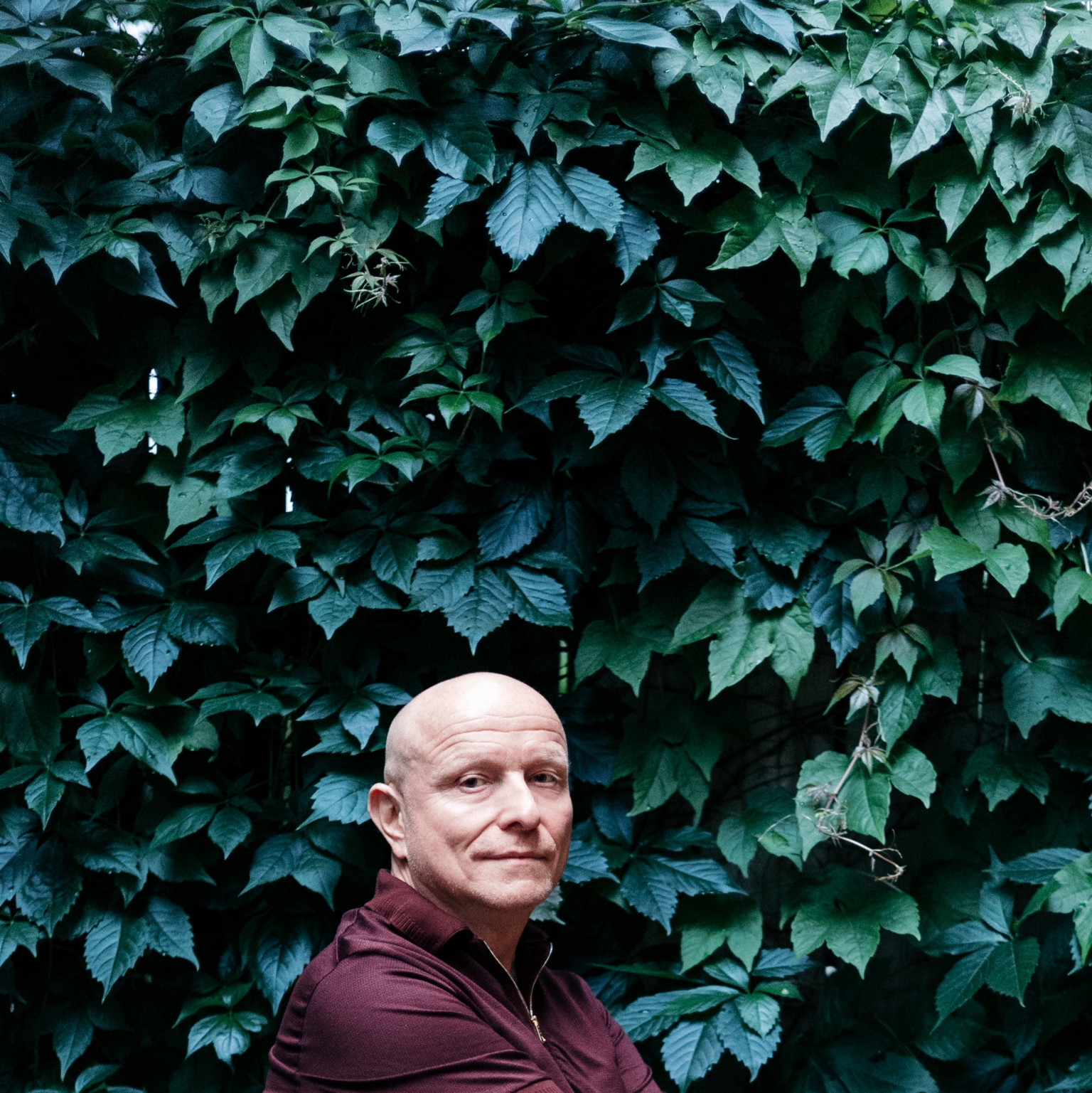
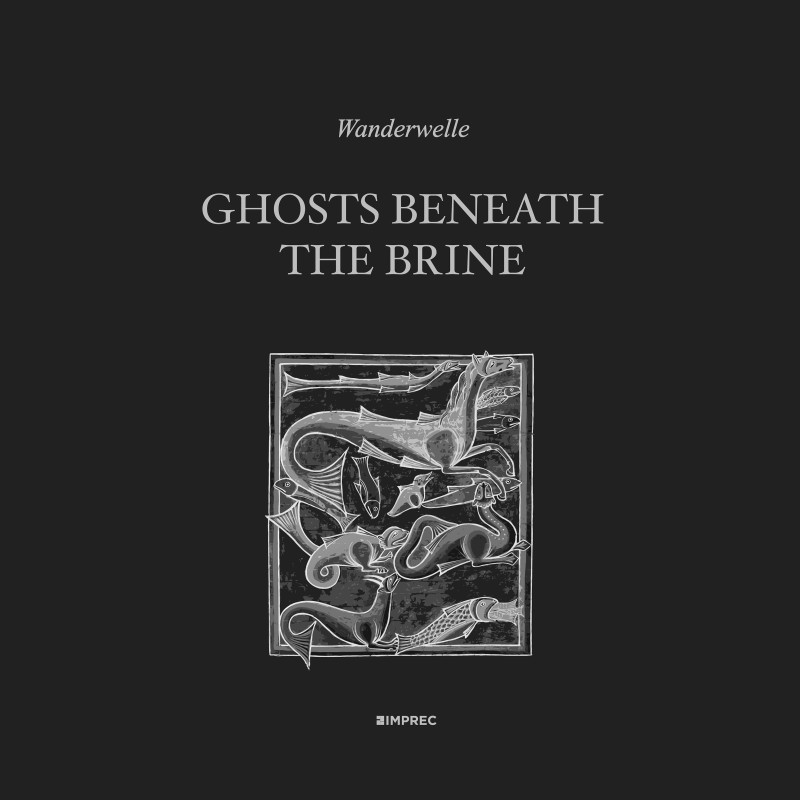
I en serie af mini-interviews spørger Seismograf/DMT forskellige aktører på musik- og lydkunstscenen til aktuelle anbefalinger af værker eller events. Se her denne anderledes og personlige værkanbefaling fra den ene af initiativtagerne til LYT TIL KBH og manden bag kunstnernavnet Krishve, Kristian Hverring.

1) Hvilket værk vil du gerne anbefale til andre?
Jeg bliver nok nødt til at vælge en drøm, jeg havde for noget tid siden. En koncert i et gammelt nedlagt biografkompleks i Bruxelles. På scenen var medlemmer af The Residents, Coil, Slayer, Velvet Underground, Guns N’ Roses og Einstürzende Neubauten. Cash, Bowie og Derbyshire gjorde også et eller andet. Arvo Pärt kom ind på scenen, men gik ud igen med det samme. Så Ligeti og Lemmy i baren. Over scenen svævede en sky af helikopterkatte. Lee Hazlewood, Scott Walker, Laurie Anderson og Ronettes sang kor. David Lynch dirigerede. Hans bidrag bestod i forundrede smil og flagrende håndbevægelser i retning af John Cage, der ved et komfur strøg en fjer mod en kogende kedel. Lars von Trier lavede lyd. Sublimt dårligt. Med vilje. Inger Christensen skammede sig bare. På alles vegne. Musikken var en kakofoni af knækket selvværd i HD. Uimodsigelig som en naturkraft, asiatisk i sin vælde, grum som et K-hole. Jeg vågnede med en underlig tilfredsstillelse i kroppen. 

2) Hvorfor er dette værk særligt?
Det er vigtigt at drømme. Og sove, hvis man kan. Det er godt for hørelsen. 

3) Hvad arbejder du selv med lige nu?
“1 + 1 = 3 [30 sekunder]” er en serie af improviserede 30 sekunders duetter med skiftende samarbejdspartnere. Det har stået på siden 2009 og viser ingen tegn på at gå væk. Kan opleves på film eller live. Er samtidig ved at tyde konturerne af to nye udgivelser. Den ene bliver en kortere ting, den anden længere, og på vinyl. Jeg glæder mig meget til at møde dem begge. Man kan se med på min hjemmeside www.krishve.com.

LYT TIL KBH er et samarbejde jeg har med arkitekten Jakob Oredsson. LYT TIL KBH bor på hjemmesiden www.lyttilkbh.dk og kan antydes med disse korte instrukser: 
 - Gå ud i byen
 - Placer dine hænder bag ørerne
 - Lyt til byens lyde

På hjemmesiden finder man en mere uddybende beskrivelse af intentionerne bag, samt binaurale optagelser fra forskellige steder i København. Vi arbejder i øjeblikket på næste trin. LYT TIL KBH er kun lige begyndt at vise sig, og vi planlægger en lang rejse.

Læs mere om Seismografs omtale af projektet.

Jeg er også involveret i et par nye projekter med Hotel Pro Forma, som jeg efterhånden har samarbejdet med i tre år. Derudover arbejder jeg på lydsiden til en udstilling på Nordatlantens Brygge til efteråret. Det lover godt for drømmene, men varsler ilde for søvnen.


© PR

»For me, music is a secret safe place. It is a refuge from society, from who you're expected to be, and from the idea of belonging. It is a space where you're free from conflict and dualistic ways of thinking. It is a place to feel the world without needing to understand it.«

Masaya Ozaki is a composer born in Niigata, Japan. His work is deeply influenced by the transient nature of space and the subtleties of sound within physical environments.  Ozaki views sound not just as a medium, but as a form deeply intertwined with the spaces it inhabits, something that he explores extensively in site-specific projects like Echoes, which involved live performances inside a lighthouse. 

Ozaki’s latest album, Mizukara (2024), is a reflection of his personal and artistic journey, primarily shaped by his experiences in Iceland. The album embraces minimalism and introspection, incorporating field recordings, sparse instrumentals, and the textures of the Icelandic landscape to explore the fluid relationship between self and environment. In recent interviews, he emphasized his shift from purely sound-based compositions to ones that deeply consider the environment and space. His relocation to Iceland has profoundly influenced his work, encouraging him to further merge the boundaries between music, nature, and architecture.  He is also a member of the Reykjavík-based emo anime doom metal band MC Myasnoi.

© Julie Montauk

»For me, music is a journey through time; one song can send you back to a childhood summer, a packed dance floor, a breakup – or a sense of hope you thought you had given up.« 

Danish-Corsican Malu Pierini has created her own musical universe somewhere between Copenhagen, Corsica and 1960s Paris. Here, Nordic soul/pop and French chanson meet as she draws threads to her family’s roots in the Parisian cabaret scene, the raw beauty of the Mediterranean and stories that bridge the gap between past and present. Pierini has just released her debut album Libera Me – a cinematic and personal journey into family history and an examination of what we carry with us from those who came before us. The album unites French 60s sounds, bossa references, Corsican folk tunes and indie pop in a story of love, heritage and identity. 

in briefrelease
06.02

Small Snowflakes in a Brutal Snowstorm

Mads Emil Dreyer: »Miniatures«
© PR
© PR

As this review was being written, a snowstorm swept across Denmark, and even Østerbro was submerged in beautiful white snow. This turned out to be a remarkably fitting backdrop for the Danish composer Mads Emil Dreyer’s latest compositions, which are marked by melancholic, childlike phrases of glockenspiel and distant synths. The minimalist works are performed by the ensembles Scenatet, EKKI MINNA, and Athelas Sinfonietta, all of whom share a commitment to contemporary music, uncompromising experimentation, and a playful approach to acoustics and perspectives – qualities that are clearly audible in the works themselves.

Echoes of metallic sound surfaces blend with occasional floating pads, often tipping from the beautiful into the unsettling. The first half of the album is shaped by slightly brighter and more playful melodies, with »Miniature I–II« and »I–III« in particular delivering beautiful themes that frequently strike straight to the heart. A brief intermezzo opens the album’s second half, where abrasive keys and pads are introduced, and the ringing glockenspiels hover above the listener like eerie shadows or frightening ghosts.

The suites are short, simple, and effective, yet at the same time deeply atmospheric. In a short space of time, Miniatures has become a favored sonic space for this reviewer when there is a need to retreat into the chambers of the mind, where the blend of glockenspiel and principles of chance appears like small, glistening snowflakes in a long and brutal snowstorm.

in briefrelease
04.02

Poetic Nocturnal Rummaging

Bent Sørensen: »12 Nocturnes & Piano Concerto No. 3, La sera estatica«
Bent Sørensen. © Peter Christian Christensen

Why is it that one can always recognize a lullaby? This musical archetype, circular and hushed, sung into us with mother’s milk. Composer Bent Sørensen’s solo piano cycle 12 Nocturnes is a tribute to the night’s musical cultural heritage. The nocturne – a nocturnal, lyrical composition – merges with, among other forms, lullabies and cantatas in a poetic narrative from sunset to sunrise about what is close at hand and yet unfathomable: that the sun rises, that children are born, that stars can be glimpsed through small windows on earth, that the piano can create worlds with twelve tones.

Bent Sørensen wrote the twelve short nocturnes between 2000 and 2014 for pianist (and wife) Katrine Gislinge. They have previously been released digitally. Now they appear as a studio recording paired with Piano Concerto No. 3, La sera estatica. The premiere of this “ecstatic evening” stands in contrast to the nocturnes’ simple, balanced forms. With a dramatic opening, multiple orchestral groups, and crackling storminess in the soundscapes, the dreamy nocturnal universe is ruptured by a surging ardor that unfolds in two parts, where purer melodic lines gradually take over the second – complete with a distinct (night?) bell.

Yet the piano concerto’s sovereign quality does not quite come into its own when presented as a postscript to the nocturnes’ rounded narrative. The two elements work best separately, so that the ecstatic evening for full orchestra does not puncture the magic of stars scattered blinking across the piano’s staccato attacks, or Sigrid’s nocturnal dances and lullabies. There is ample drama in the beautifully conveyed single night – for even the child Sigrid will one day no longer be sung to sleep.

© PR

»For me, music is a rush in the chest – a way of understanding and expressing emotions.«

Cecilie Penney (b. 1990, Denmark) will be presenting the exhibition Rest and Routine – Duet for Sanatorium and Modern Hospital at Nikolaj Kunsthal from February. She is a visual artist and electronic composer working across sound, installation, video, and text. Her practice explores how infrastructure and cultural norms shape human behaviour, and how emotions and empathy unfold within structural, linguistic, and technological systems.

In recent years, Penney has focused in particular on the Scandinavian healthcare system and on how patients navigate institutions that can be difficult to access and understand. Through a conceptual approach, she examines how patients are often expected to conform to rigid frameworks that fail to accommodate individual needs. By creating imagined or alternative worlds, Penney explores new possibilities for healing and transformation within bureaucratic systems, while inviting reflection on how systemic change might emerge from emotional insight and collective rethinking.

Penney holds an MFA from the Royal Danish Academy of Fine Arts in Copenhagen and a BFA in Fine Art Photography from HDK-Valand in Gothenburg.