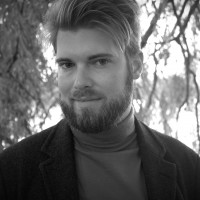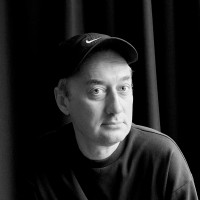
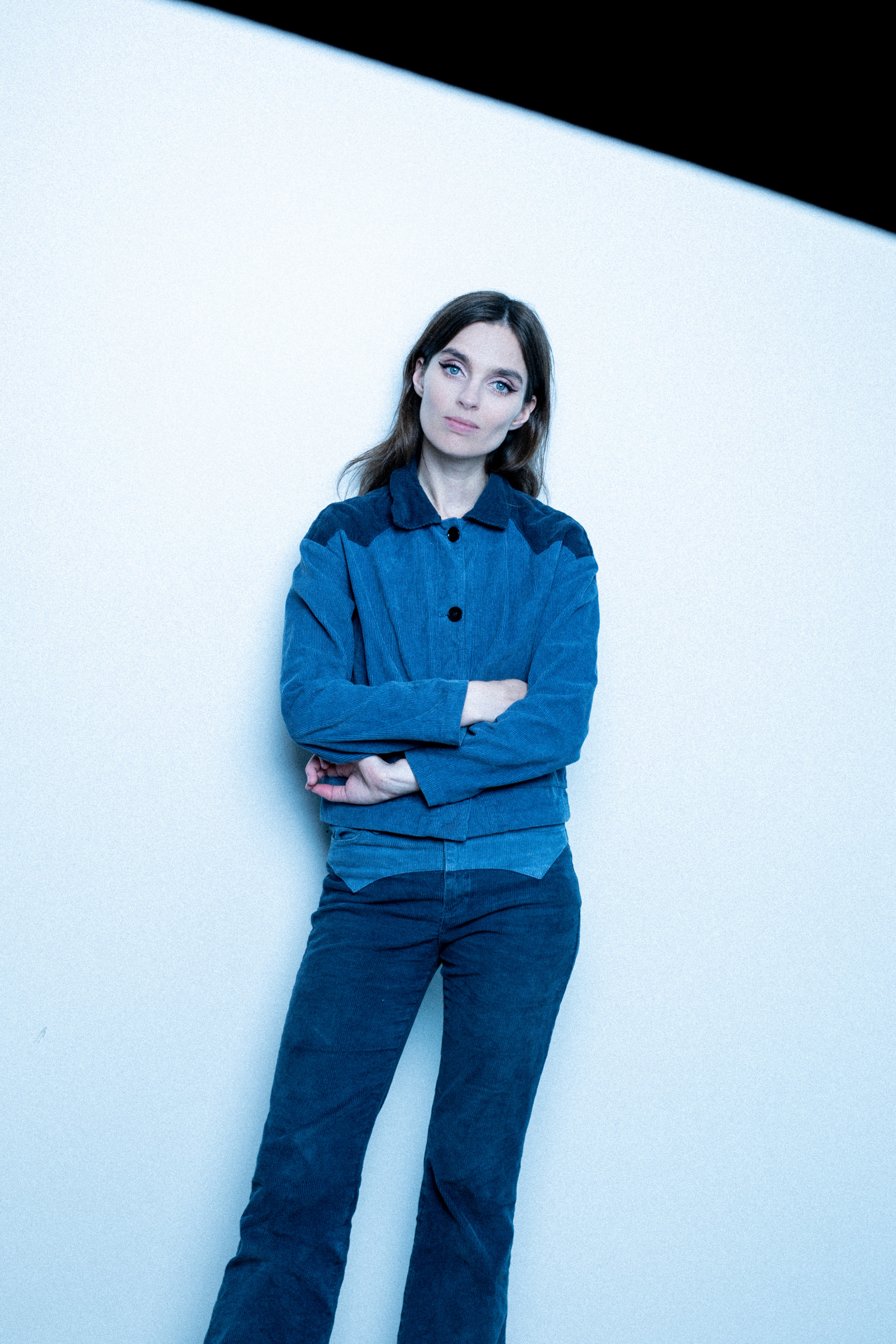
© Anna Maggý
»For me, music is all that vibrates.«
Bára Gísladóttir is an Icelandic composer and double bassist based in Copenhagen. Her work is generally based on thoughts regarding the approach and concept of sound as a living being.







Til de der ikke kender Bergen festspillene, hvordan vil du kort karakterisere dens særpræg i forhold til andre festivaler?
Beyer: Festspillene er stor og med 232 produktioner i 2013 større end de fleste festivaler, som har fokus på musik, teater, dans med mere. Det interessante for mig ved at arbejde med denne festival er, at den både er bred og smal, båret af stolte traditioner og samtidig vildt eksperimenterende. En undersøgelse fra 2008 viser, at 86% af Norges befolkning kender Festspillene, og en undersøgelse fra 2010 viser, at 97% af befolkningen i Bergen/Hordaland kender festivalen. Arkivet for Festspillene i Bergen er netop blevet optaget i det nyoprettede og eksklusive register «Norges Dokumentarv».
Vi taler med andre ord om en festival, som i nordmændenes egen selvforståelse har betydet noget for Norge som nation. Hele byen er i undtagelsestilstand i 15 dage, og du er nødt til at være her, hvis du vil opleve det nye fødes og det gamle tolket af verdens bedste udøvere. Med et generøst budget og en række fantastiske støttespillere, kan vi gennemføre omfattende og komplicerede projekter, som andre ikke har administrative og økonomiske muskler til at realisere. Hvis du f.eks. samler alle vores ny musikaktiviteter i år, vil du se, at der er tale om ikke så få produktioner, faktisk en hel festival i festivalen.
Hvad ser du frem til som festivalens højdepunkter?
Beyer: Jeg synes, at alle vores produktioner er interessante. Mens jeg skriver disse linjer (tirsdag den 21. red.), lyder en flot musik fra Festpladsen, hvor Phase7 prøver på den spektakulære event i morgen aften, hvor nye electronica beats, 300 syngende børn og unge, lurspillere og 35 lysende helikoptere svæver over byen. Før dette har vi haft premiere i Grieghallen på operaen Marco Polo af Tan Dun, som bliver en billedstorm og vokal og musikalsk eksotisme og ekvilibrisme. Det nyskabende sker ikke mindst på teaterområdet, og der har vi bl.a. verdenspremiere på Coelacanth af Alan Lucien Øyen. Det er en fem timer lang forestilling, som på alle måder er stort tænkt. Listen er lang over produktioner, jeg gerne vil nævne, måske det er bedre at invitere læserne inden for på www.fib.no – så kan de selv gå på opdagelse i vores tre indgange til programmet: Fornøjelser, forbindelser og forstyrrelser.
Hvad er årets kunstneriske sats?
Beyer: Festspillene har tradition for at satse på unge talenter. Det er på denne festival, at Leif Ove Andsnes, Vilde Frang, Christian Ihle Hadland har fået deres kunstneriske kickstart. Vi har en nordisk solistkonkurrence for unge talenter, og vi har fokus på talentudvikling i bredeste forstand. Bergen er en ung by, en tiendedel af befolkningen er studerende på universitetet. Det er vildt spændende at tænke nye projekter med dem. Fremtidens publikum vil vi gerne nå, derfor har vi et omfattende børn- og ungeprogram. Vi har et stort, loyalt kernepublikum, som forventer klassisk musik i verdensklasse, og dette publikumssegment skal vi ikke skuffe. Festivalen er såkaldt ”knudepunktsfestival”, dvs. vi skal være motor i hele regionen og gerne i hele landet i forhold til at dele ud af vores kompetencer og netværk, vi skal arbejde mangfoldigt, med publikumsudvikling og vise Bergen som ledende kulturby. Vi arbejder i festivalen med stor virkelyst og energi for at fastholde og udbygge denne position som ledende festival i Norden på musik- og teaterområdet.
Hvordan differentierer festivalen sig fra sidste års festspil?
Beyer: Vi har gennemført en institutionel turn-around, og er flyttet til nye lokaler. Vi har en ny strategi, nyt visuel profil og grafisk design. Vi arbejder målrettet med nye former for markedsføring, inkludering og udnyttelse af ny teknologi. Når din ambition er at rebrande en så tung og betydningsfuld institution med 61 års historie, er du nødt til at tage nogle tydelige greb i forhold til form, indhold og formidling. Du kan ikke nøjes med at flytte en lille brik i et hjørne. Du skal ville chokere.
I hvilken retning ønsker du Bergen Festspillene bevæger sig i løbet af de næste fem år?
Beyer: Den 61-årige dame skal blive endnu mere ungdommelig, farlig og uforudsigelig.
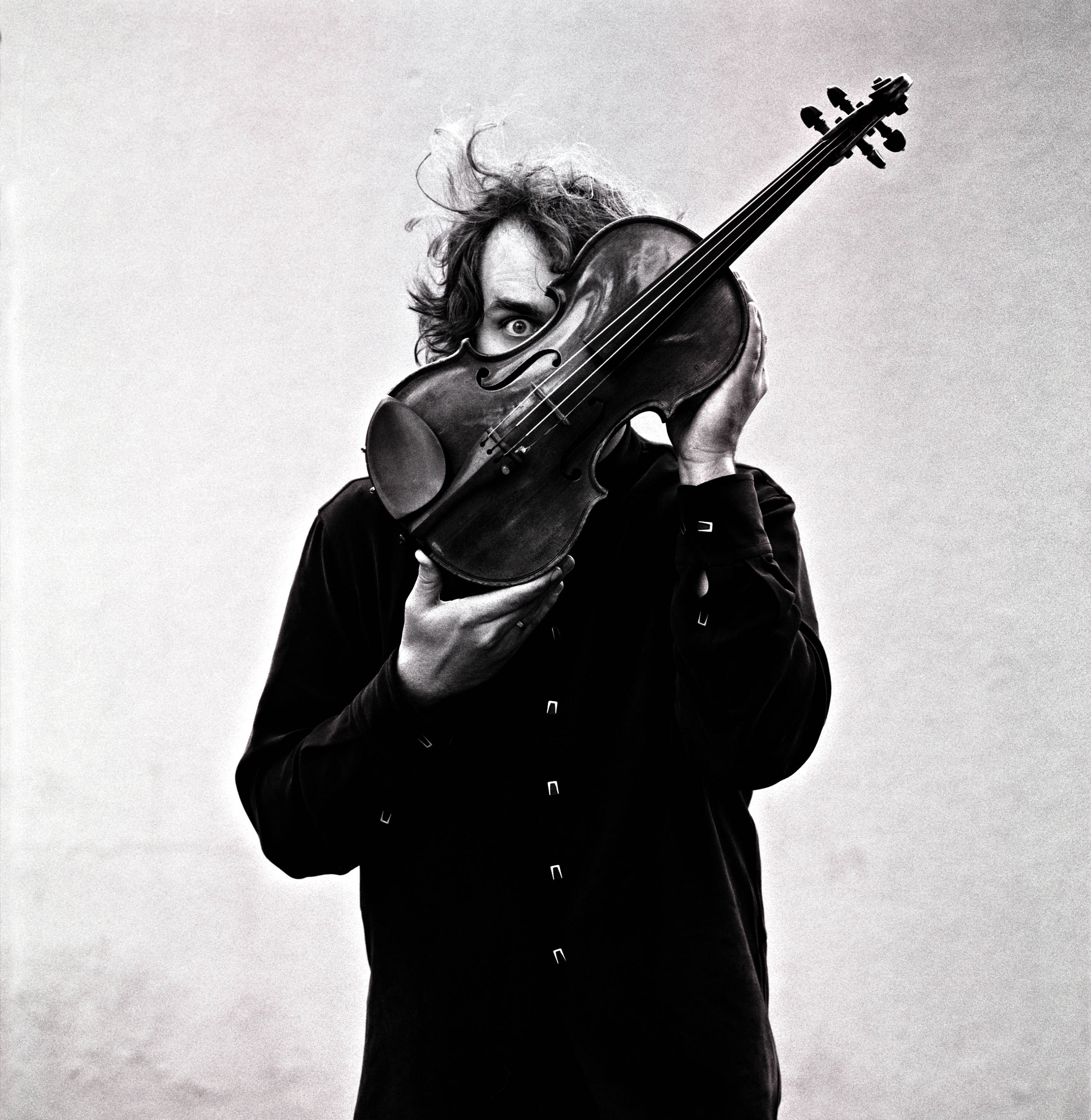
På billede er Annar Follesø, taget af fotografen: Dag Thorenfeldt
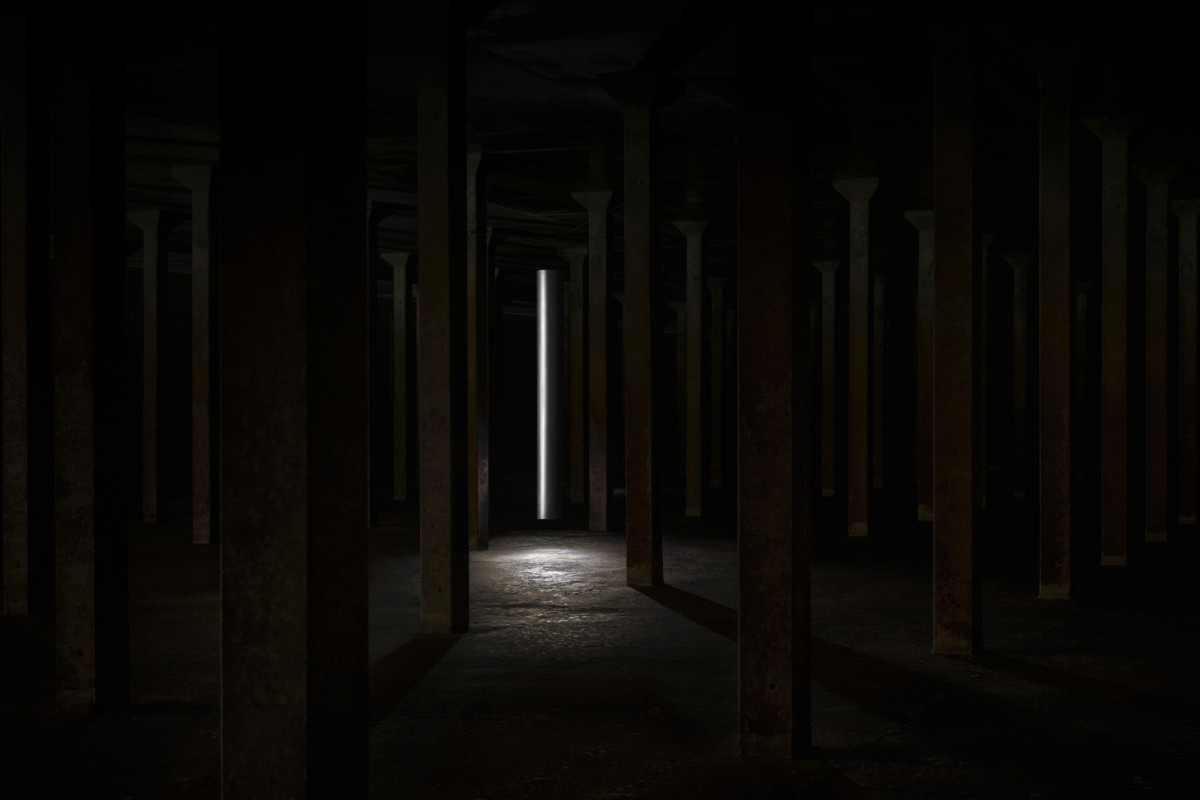
British Burial should have once said that in his music he strives to reproduce the experience of standing outside a club and feeling the rhythms on the asphalt. Distances are fascinating. The sounds in Christian Skjødt Hasselstrøm's work Myriads in an enormous water container at the Ole Rømer Observatory comes from afar. It is rain from space, cosmic radiation or high-energy particles, which are translated into sound via three detectors. They also flash with light in the pillared hall, and when you grope your way to them through the darkness, they puff softly and innocently. But when you walk around the 1,662 square meter room, the sounds still seem a little bit threatening – like artillery drums, sounds from modern wars or warning signals from ancient warlords... The sounds are always very far away and rumble at a low frequency in the room with a reverberation of 40 seconds. But they are just peaceful phenomena from distant galaxies, and they hardly want us any harm. They just make us feel so infinitely small. Hasselstrøm did the same to us in a former cereal silo in the city of Struer.
»You can get salt and minerals on your clothes. It can be washed off,« warned the guide, now ringing a bell. But what if you don't want to get rid of that sound at all and don't want to go home to Aarhus, but just want to stay deep underground for more than the given 15 minutes and disappear into the cosmic and very delicious hordes of sound? Distances are fascinating, and Myriads is better – more enriching – than any club in Aarhus’ Latin Quarter.
»For me, music is all that vibrates.«
Bára Gísladóttir is an Icelandic composer and double bassist based in Copenhagen. Her work is generally based on thoughts regarding the approach and concept of sound as a living being.
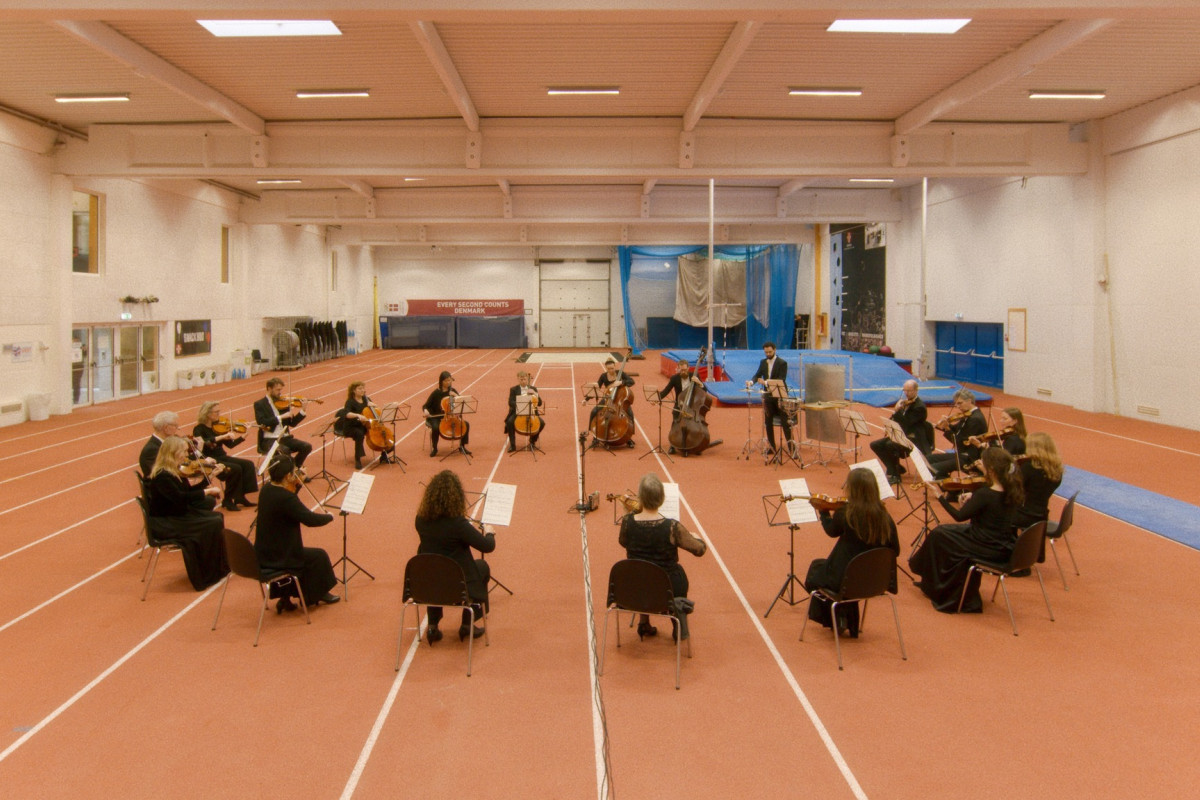
Allan Gravgaard Madsen’s and Morten Riis’s Away is a »mixed media« orchestral work. The physical orchestra is supplemented by sound and video recordings from the basement of Aarhus Theatre (woodwind quintet), Aarhus Cathedral (brass quintet), and Marselisborghallen (string orchestra). All of these locations have, at various points over the past 90 years, housed the Aarhus Symphony Orchestra.
Away opens with the final two chords of the overture to Rossini’s William Tell (1829), which are explored throughout the orchestra. Gradually, musicians leave the ensemble, only to reappear later in smaller constellations in recordings from the aforementioned locations. Through technology, the orchestra plays across time and space in a highly successful manner.
The work explores stasis and movement, with air as a central device: the wind players often blow into their instruments without producing tones, while the string players imitate the sound of wind using plastic bags. For me, Away has three highlights. Trumpets and percussion play phrases that turn out to anticipate a video of a flutist walking through the city. The trumpets mimic the sound of a truck – »beep-bop-beep-bop« – and the percussion becomes the flutist’s stilettos. Musique concrète turned on its head! At one point, half of the string players are seen sitting in a circle, playing intensely dissonant chords, only to kill them again – the physical shock activated my ears. The third highlight comes when the entire orchestra plays together again while all three projections are running simultaneously. Here, the work can truly begin, and one clearly senses the energy rising in the room. But – unfortunately – as soon as this climax is reached, the intensity drops again.
At just under 45 minutes, Away is, unfortunately, slightly too long and static for my taste. The effect of the aforementioned ruptures might not have been as strong in a shorter format, but I would have wished for just a bit more of the intensity the work so clearly was capable of delivering. I was left with a somewhat flat feeling. The piece also ended so quietly that several people were unsure whether it had actually finished and whether we could applaud.

»All sounds are loud,« we hear in Flammenwerfer – Hotel Pro Forma’s account of the Swedish painter Carl Fredrik Hill (1849–1911). Everything in this universe is transparent and layered. The orange hue in Hill’s art, flickering across the stage, crackles with both a beautifully golden noise and a psychedelic quality reminiscent of 1970s ceramics. In a central scene, Blixa Bargeld half-screams into a microphone and receives looped screams hurled back into his head. The patchwork of sound also includes five vocalists from IKI and selected pieces – the only music here that comes close to pop – by Nils Frahm.
The dark circles under the eyes are constantly pronounced. As are the letters that signal a new chapter, the next dive into the mind – for instance the section titled »Paranoia«. Here, IKI expands Einstürzende Neubauten’s »Halber Mensch« into five voices, allowing the hallucinations and anxiety to grow to full human scale. Yes, the sound was loud and numbing in itself. But it is largely thanks to IKI that we feel the extremes, the brain disease, and Hill’s experience of a »misarranged world«. They sang: »Heavy curtains drawn over the mind. A thick deadening cloud that blocks the use of senses.« And that is how it sounded. Cold. Like the saddest Instagram filter imaginable – with sound.
Unfortunately, Blixa Bargeld is used too sparingly in Flammenwerfer, which is not exactly a masterpiece from Hotel Pro Forma. Still, the gala audience sat very still in very soft seats and saw both a giraffe and a former queen on the same evening. The rest of Aarhus Festuge can only be more cheerful.
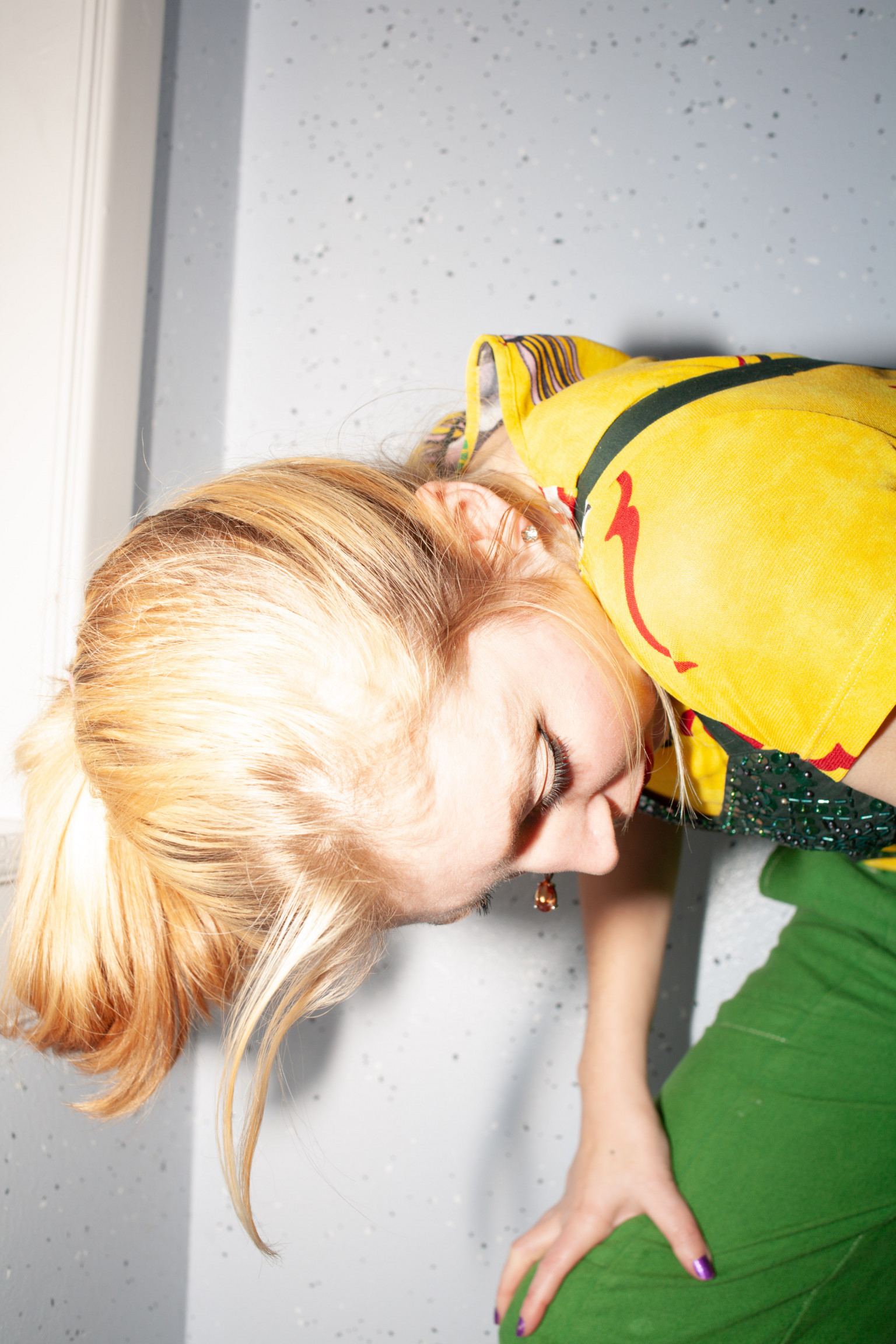
»Music for me is bumping, rubbing, colliding, sliding and sculpting... in space-time. AKA the gift that keeps giving <3 .«
Greta Eacott is a critically acclaimed British/Swedish composer based in Copenhagen, Denmark. She is primarily known for her boundary pushing experimental percussion works and her »sans-disciplinary« approach to music composition; which incorporates spatial aesthetics, design theory and physical movements as integral elements in the musical compositions. This manifests in a unique and modern musical aesthetic which is both playful and refined, agitating and welcoming, sensual and synthetic. Since 2014 she has been running the DIY record label One Take Records.