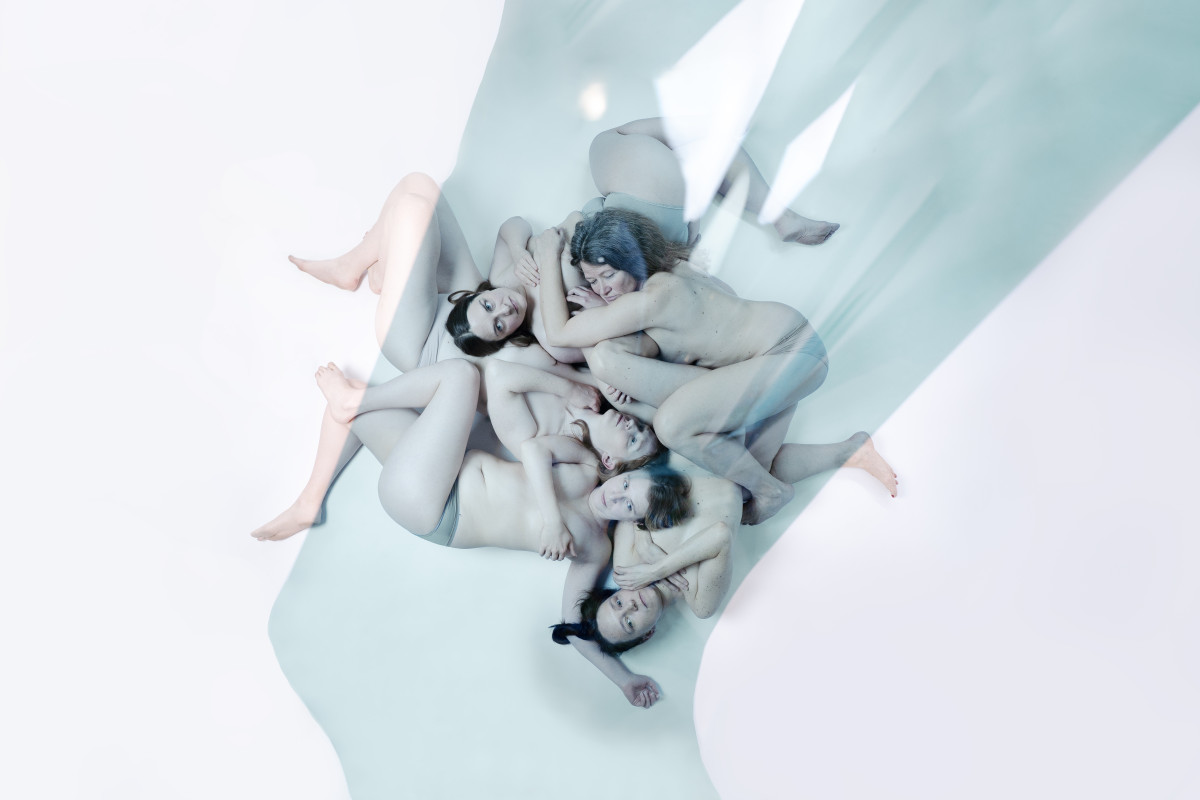
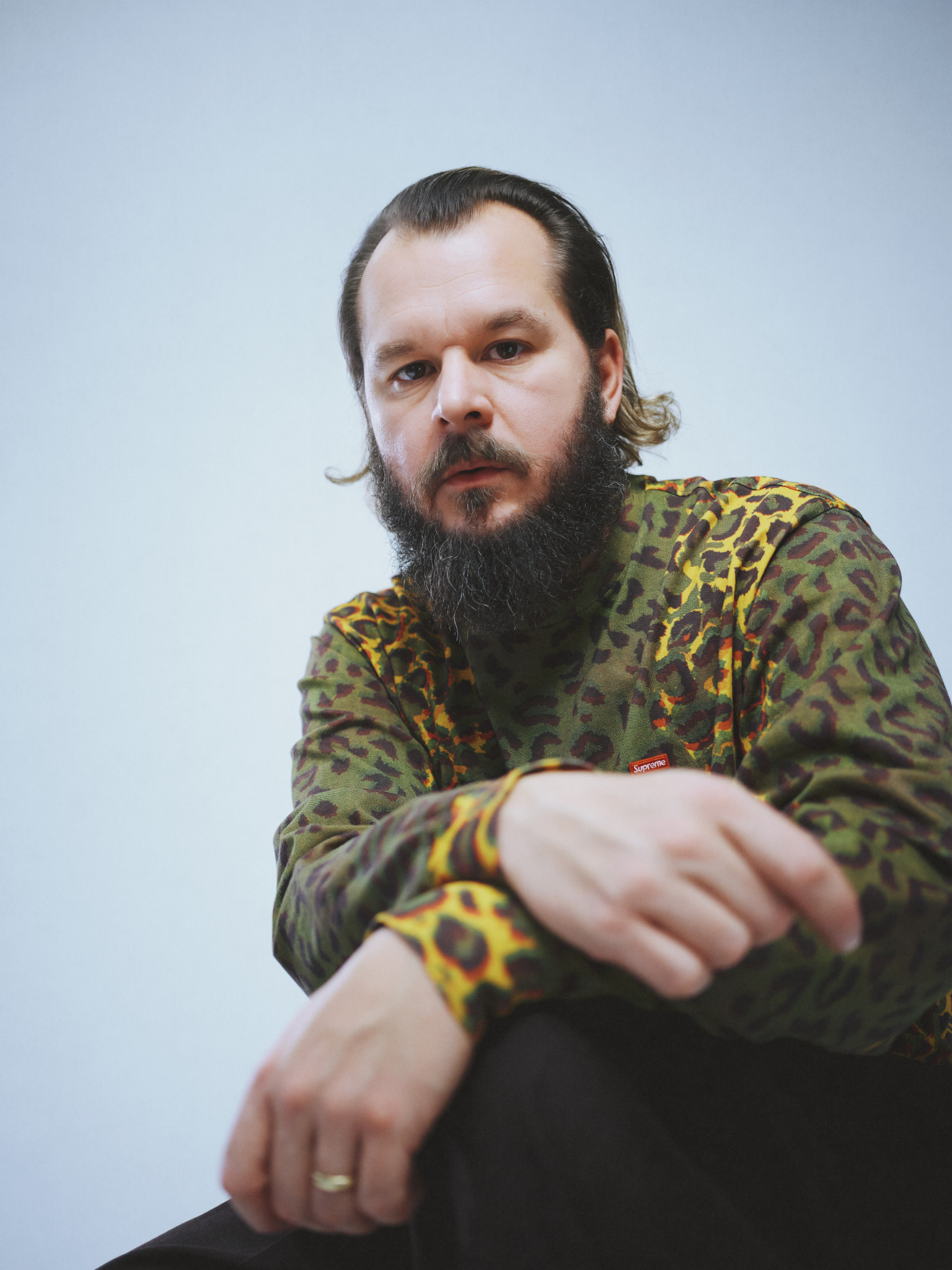
Det danske sommervejr minder os – på godt og ondt – om, at det er tid til at holde fri og koble af. Ferien er oplagt til at få læst og lyttet til nogle af de ting, der måske ikke er tid til i en travl hverdag, og her bidrager Seismograf med en god stak indhold til lidt digital sommerfordybelse. Vi holder lukket i juli, men går ikke på ferie uden at sikre os, at der er masser af lytte- og læsestof på både dansk og engelsk til at holde hele sommeren.

Komponister på scenen
Du kan starte med at fordybe dig i 
vores seneste engelsksprogede fokus, der under overskriften Composer/Performer gennem syv artikler beskæftiger sig med komponister, der går på scenen og tilfører musikken nye performative aspekter såvel som en indbygget udforskning og genovervejelse af komponistens rolle. Fokusset udspringer af et forskningsprojekt anført af Sanne Krogh Groth, der også har redigeret fokusset, og de grunlæggende idéer opridses og diskuteres i hendes egen artikel. Norske Trond Reinholdtsen reflekterer over det 20. århundredes komponister, idet han præsenterer sit énmandsprojekt The Norwegian Opera. Juliana Hodkinson genbesøger en personlig krise i sin tekst, mens Niels Rønsholdt identificerer sig med lytteren, når han positionerer sig som fremmed i forhold til sin egen musik. Den femte artikel er en transkriberet paneldebat mellem Louise AleniusKristian Hverring og Simon Steen-Andersen fra Nordic Music Days i Reykjavik. Alenius er tilmed omdrejningspunktet for en artikel af Torben Sangild, som har oplevet en én-til-én-koncert med komponisten i sit soveværelse, der midlertidigt blev omdannet til koncertsal. Musiker, komponist og forsker Henrik Frisk afslutter med at undersøge mulighederne i det amatøristiske aspekt ved komponister, der går på scenen og påtager sig musikalske opgaver, de ikke er skolede til.

Lyt Dybt
Vores podcast Lyt Dybt har netop afsluttet sin første sæson, og der er sammenlagt 15 afsnit om alt fra undervandsoptagelser og hverdagslyd til voksvalser, midi-violiner og lyttemeditation, som du kan give dig hen til, hvis du ikke allerede har gjort det. De seneste afsnit er en del af den serie, vi kalder 
Lyden af planeten Jorden, som helliger sig fænomenet The Voyager Golden Records – to guld-LP'er indeholdende musik og lyde fra vores klode, som blev sendt ud i det interstellare rum i 1977.
I serien møder vi lektor og kunstner Jenny Gräf, mediearkæolog Jussi Parikka, forfattersaxofonist TS Høeg samt kurator og NASA-buff Jacob Lillemose, der alle forholder sig til dét at sende jordlyde ud i rummet.
Søg på Lyt Dybt i din podcast-app eller lyt med her på siden.

Senest på seismograf.org

»Hvis man præsenterer noget meningsløst vrøvl, sker der ingenting.« Søren Møller Sørensen mødte ved et tilfælde en af sine bekendte på et konditori i Cairo – den egyptiske komponist Bahaa El-Ansary. Det kom der et spændende interview ud af.

»Det umiddelbare indtryk af mødet med værkerne forandredes gradvist, og efter et stykke tid udvikler udstillingen sig i retning mod det, jeg opfatter som kernen i de fleste af Norments værker; arbejdet med materialer og titler, hvor lyd ofte er et grundelement.« Andreas Engström anmelder Camille Norments aktuelle udstilling på Oslo Kunstforening.

»Struer Tracks er på mange måder godt nyt for den danske lydkunstscene. Åbningsweekenden tegner i hvert fald et billede af en forfriskende uformel og særdeles vedkommende formidling af et meget bredt udsnit af lydkunst anno 2017.« Jakob Gustav Winckler har besøgt Danmarks eneste festival for stedsspecifik lydkunst, Struer Tracks.

Fik du vist, hvem komponisten Allan er? »Det er det, jeg er lidt i tvivl om. Derfor ville lidt mere musik have været godt,« siger han. »Men personen Allan var der – for første gang.« Læs Sune Anderbergs portrætinterview med debutanten Allan Gravgaard Madsen.

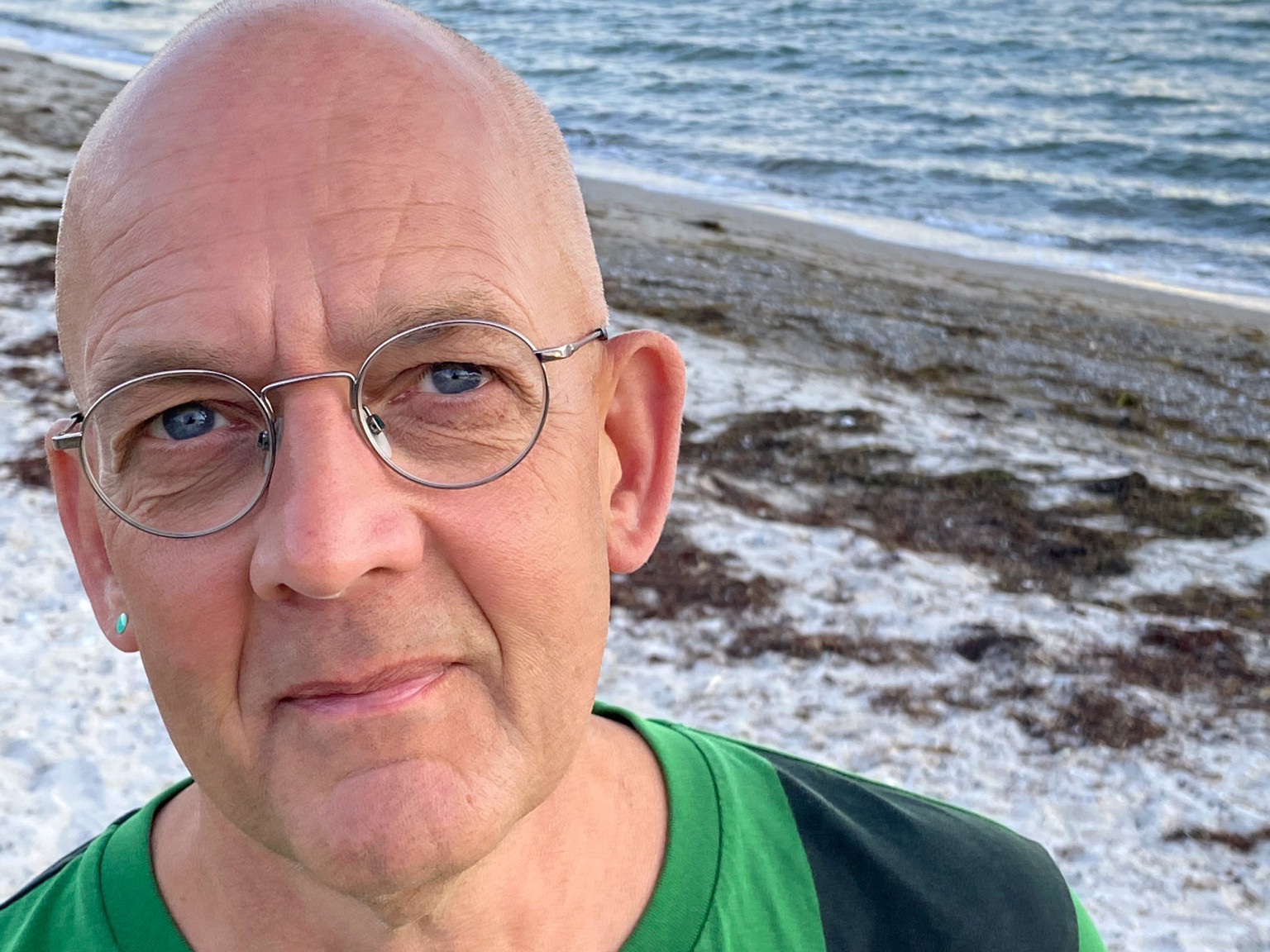
»Music, to me, is true luxury and has always been an opening into a language without constricting categories, with room for both intimacy and impact. I don’t have a single tone in life, but I wish I did. When I work, music is a warm room I can barricade myself in, an ally that keeps me on track—not least in a time as destructive as the one we are in now. It can be a connection to difficult emotions, but also an excuse for a kitchen dance that makes me forget the world and myself. I actually constantly long for a new soundtrack (and more dancing), but if I’m completely honest, I’m also quite happy to take off the headphones and listen—not least to the non-human world’s differently calming compositions: all the other voices that we must include in the choir if there is to be human song and music in the future.«

C.Y. Frostholm (b. 1963) is a writer and visual artist who has published poetry and prose since 1985 and worked visually since 1991, including with photography, digital, and visual poetry. Together with composer Hans Sydow, he released the album Mellem stationerne back in 2000. Earlier this year, he took part in the exhibition Hybris! at Galleri Image in Aarhus, based on his latest book, Til den ven jeg aldrig har kendt (2023).

in brieflive
18.10

One Tone, Eight Breaths, and the Sound of Waiting

Elisa Kragerup, Louise Alenius, Vokalensemblet ÆTLA and others: »The Emperor of Portugalia«
© PR
© PR

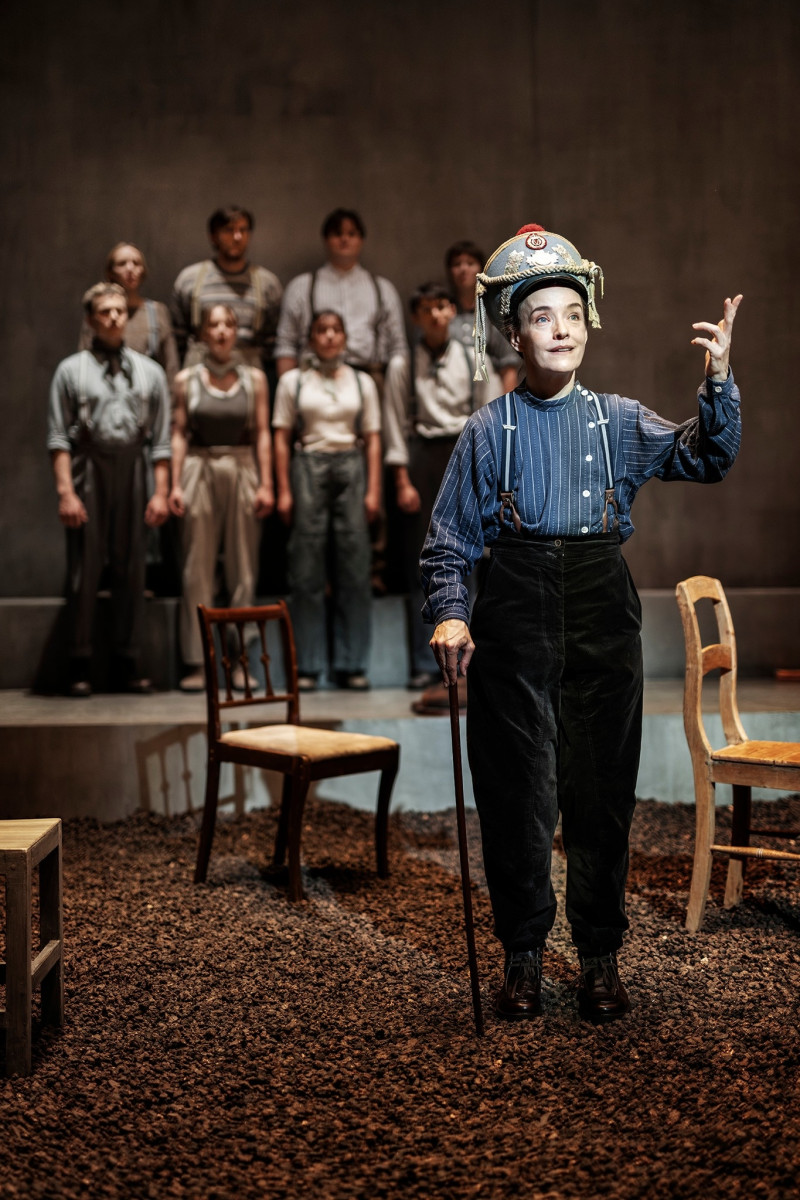
Only one actor appears on stage in The Emperor of Portugalia – surrounded by eight singers. In Elisa Kragerup’s tightly choreographed staging, Louise Alenius’ a cappella composition becomes a physical experience where breath and movement merge into one. The acoustic soundscape interacts eerily quietly with the deafening, mechanical noises that arise when, for instance, beams of light are raised and lowered on stage. It feels as if the relentlessness of existence here briefly finds a sonic expression that captures Selma Lagerlöf’s intentions.

The sparse – or rather ascetic – soundscape, together with the humble peasant costumes, reflects the harsh, monotonous life of a Swedish village before the world turned modern. And the plot? A poor farmer worships his daughter, but when she leaves for Stockholm as a young woman and never returns, his years of yearning drive him, in a Don Quixote-like fashion, to believe himself emperor of the imaginary land of Portugalia, with his daughter naturally imagined as its ruler. The father’s longing borders on madness, while the daughter’s neglect or thoughtlessness ultimately turns against her: in a Godot-like manner, he waits and waits for her – just as she, after his drowning, waits for him, unable to find his body.

The piece is carried by an almost unbroken drone in the choir (produced through collective breathing) – a single sustained tone that, as an artistic device, illustrates how music in theatre can be so minimal that sound itself becomes the message, and the absence of a musical narrative becomes the point. »One tone played beautifully is enough,« Arvo Pärt once said. Except that here, the tone is sung – and in this work, his statement is affirmed in the most radical way: a maximal expression achieved through minimal means, realised with striking precision by Vokalensemblet ÆTLA.

English translation: Andreo Michaelo Mielczarek

in briefrelease
16.10

A Microphone In the Nervous System

IKI: »BODY«
© Julie Montauk
© Julie Montauk

It sounds as if someone has placed a microphone directly inside the nervous system’s electrical impulses. The Nordic electroacoustic vocal ensemble IKI explores the boundaries between body and technology on their fifth, self-produced album BODY, where the five singers’ bodies merge into one large, organic rhythm box.

The tracks change form as the body breathes, dances, awakens, runs, wanders – in the imperative mood. The harmonically unison ripple of »Float« is countered by flickering modem-like sounds in »Regenerate«. Everything is framed by the recurring theme »Circuit«, which ultimately gathers the fragments into a single linguistic statement: »Are you gone when your body is not breathing?«

BODY demands concentration. IKI claims that all sounds on the album are created with the voice – a counterpoint to the electrically manipulated, a kind of reversed version of synthesizer sounds that imitate the human voice. It’s an incomprehensible mystery one keeps listening for: how can the voice produce the accordion-like sound on »Breath«, panned all the way to the left and slowly taking over the entire soundscape? Of course, it can’t do so on its own. The recording itself is an electronic mediation. The technological tools act as a microscope for vocal expression. It’s powerful because it asks about the transitions between human and machine, between life and afterlife. Yet the premise holds a paradox that never fully resolves.

English translation: Andreo Michaelo Mielczarek

Bjarke Niemann. © Frederik Barasinski

»Music is everything that can only be described far more poorly with words.«

Bjarke Niemann is the lead singer, songwriter, and producer of the Danish band Spleen United. The group broke through with Godspeed Into The Mainstream in 2005 and has performed at, among other places, Roskilde Festival and the Copenhagen Opera House. Bjarke Niemann has also composed and developed music for TV and video games – including the international game series Hitman – and has produced albums with artists such as Soleima, Statisk, Afskum, and Hugorm.

© Motis Necrojam

»Music is the pursuit of original failure...« 

Motis Necrojam is the singer and collager with the Noseflutes and The Clicking Stick, a pair of combos from the old English Birmingham times, adorned with new-times dedication to derailment, approved by Sir John Peel, via their four live sessions for his mighty BBC Radio programme, occasional treaders of the boards, musicians with alias obsessions. One thing Necrojam has is a digit on the diminishing pulse.