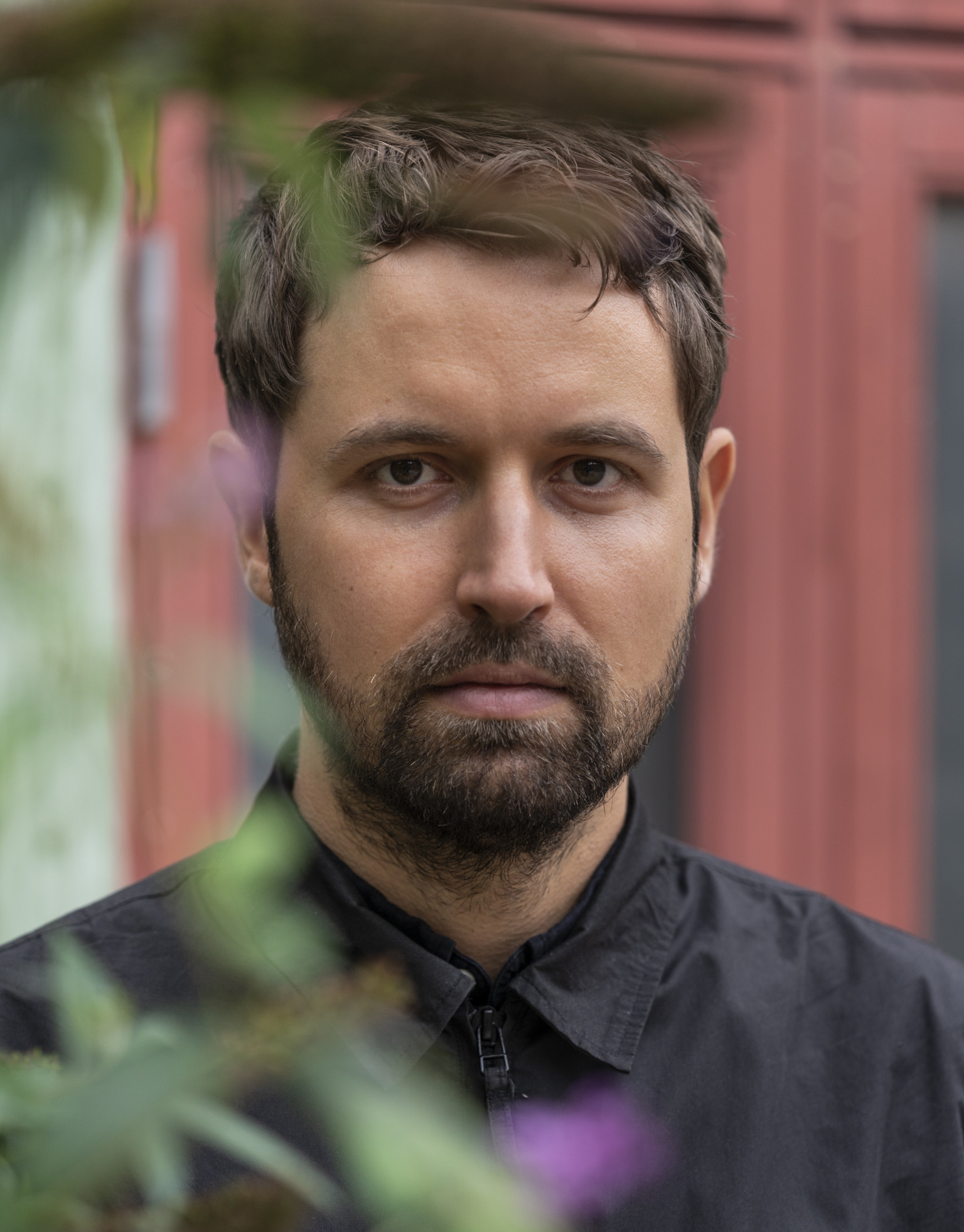
Mads Emil Dreyer
»Music to me is – having spent a lot of time listening, composing, and thinking about it – still, essentially, a mystery.«
Mads Emil Dreyer is a Danish composer working within the field of electroacoustic music.










Det danske sommervejr minder os – på godt og ondt – om, at det er tid til at holde fri og koble af. Ferien er oplagt til at få læst og lyttet til nogle af de ting, der måske ikke er tid til i en travl hverdag, og her bidrager Seismograf med en god stak indhold til lidt digital sommerfordybelse. Vi holder lukket i juli, men går ikke på ferie uden at sikre os, at der er masser af lytte- og læsestof på både dansk og engelsk til at holde hele sommeren.
Komponister på scenen
Du kan starte med at fordybe dig i vores seneste engelsksprogede fokus, der under overskriften Composer/Performer gennem syv artikler beskæftiger sig med komponister, der går på scenen og tilfører musikken nye performative aspekter såvel som en indbygget udforskning og genovervejelse af komponistens rolle. Fokusset udspringer af et forskningsprojekt anført af Sanne Krogh Groth, der også har redigeret fokusset, og de grunlæggende idéer opridses og diskuteres i hendes egen artikel. Norske Trond Reinholdtsen reflekterer over det 20. århundredes komponister, idet han præsenterer sit énmandsprojekt The Norwegian Opera. Juliana Hodkinson genbesøger en personlig krise i sin tekst, mens Niels Rønsholdt identificerer sig med lytteren, når han positionerer sig som fremmed i forhold til sin egen musik. Den femte artikel er en transkriberet paneldebat mellem Louise Alenius, Kristian Hverring og Simon Steen-Andersen fra Nordic Music Days i Reykjavik. Alenius er tilmed omdrejningspunktet for en artikel af Torben Sangild, som har oplevet en én-til-én-koncert med komponisten i sit soveværelse, der midlertidigt blev omdannet til koncertsal. Musiker, komponist og forsker Henrik Frisk afslutter med at undersøge mulighederne i det amatøristiske aspekt ved komponister, der går på scenen og påtager sig musikalske opgaver, de ikke er skolede til.
Lyt Dybt
Vores podcast Lyt Dybt har netop afsluttet sin første sæson, og der er sammenlagt 15 afsnit om alt fra undervandsoptagelser og hverdagslyd til voksvalser, midi-violiner og lyttemeditation, som du kan give dig hen til, hvis du ikke allerede har gjort det. De seneste afsnit er en del af den serie, vi kalder Lyden af planeten Jorden, som helliger sig fænomenet The Voyager Golden Records – to guld-LP'er indeholdende musik og lyde fra vores klode, som blev sendt ud i det interstellare rum i 1977.
I serien møder vi lektor og kunstner Jenny Gräf, mediearkæolog Jussi Parikka, forfattersaxofonist TS Høeg samt kurator og NASA-buff Jacob Lillemose, der alle forholder sig til dét at sende jordlyde ud i rummet.
Søg på Lyt Dybt i din podcast-app eller lyt med her på siden.
Senest på seismograf.org
»Hvis man præsenterer noget meningsløst vrøvl, sker der ingenting.« Søren Møller Sørensen mødte ved et tilfælde en af sine bekendte på et konditori i Cairo – den egyptiske komponist Bahaa El-Ansary. Det kom der et spændende interview ud af.
»Det umiddelbare indtryk af mødet med værkerne forandredes gradvist, og efter et stykke tid udvikler udstillingen sig i retning mod det, jeg opfatter som kernen i de fleste af Norments værker; arbejdet med materialer og titler, hvor lyd ofte er et grundelement.« Andreas Engström anmelder Camille Norments aktuelle udstilling på Oslo Kunstforening.
»Struer Tracks er på mange måder godt nyt for den danske lydkunstscene. Åbningsweekenden tegner i hvert fald et billede af en forfriskende uformel og særdeles vedkommende formidling af et meget bredt udsnit af lydkunst anno 2017.« Jakob Gustav Winckler har besøgt Danmarks eneste festival for stedsspecifik lydkunst, Struer Tracks.
Fik du vist, hvem komponisten Allan er? »Det er det, jeg er lidt i tvivl om. Derfor ville lidt mere musik have været godt,« siger han. »Men personen Allan var der – for første gang.« Læs Sune Anderbergs portrætinterview med debutanten Allan Gravgaard Madsen.

On Kaikō – the trio Treen’s second release – saxophonist Amalie Dahl, pianist Gintė Preisaitė, and percussionist Jan Philipp demonstrate confidence, mutual trust, and a distinct musical adventurousness. The opening track »Hylē« unfolds with rattling percussion and strikes seemingly aimed directly at the piano strings, stumbling forward over an underlying drone. The saxophone cuts in with phrases that sound at once admonishing and bewildered. Nothing feels meticulously calculated; instead, the music is carried by a keen awareness of the three musicians’ individual voices within the shared soundscape.
The same basic formula unfolds across the album’s three other pieces, yet always in new variations. On »Kinetic«, Dahl’s saxophone emerges with much greater weight, its slowly growing crescendo mirrored and challenged by Preisaitė’s piano. Improvised music can often slip into polite holding patterns, with the musicians taking turns in the spotlight – but not here. Dahl, Preisaitė, and Philipp appear as three drifting islands without anchors, propelled by their own currents yet inexorably drawn in the same direction. The result is both sudden shifts and an organic flow that can pull the listener into a trance, if one surrenders and simply lets the sound wash over.
It is precisely the trust between them that allows the three to play freely, without fear of leaving or losing each other. In doing so, they create a momentum that is hard to resist – whether one chooses to let the islands drift past or to float along in their current.
English translation: Andreo Michaelo Mielczarek
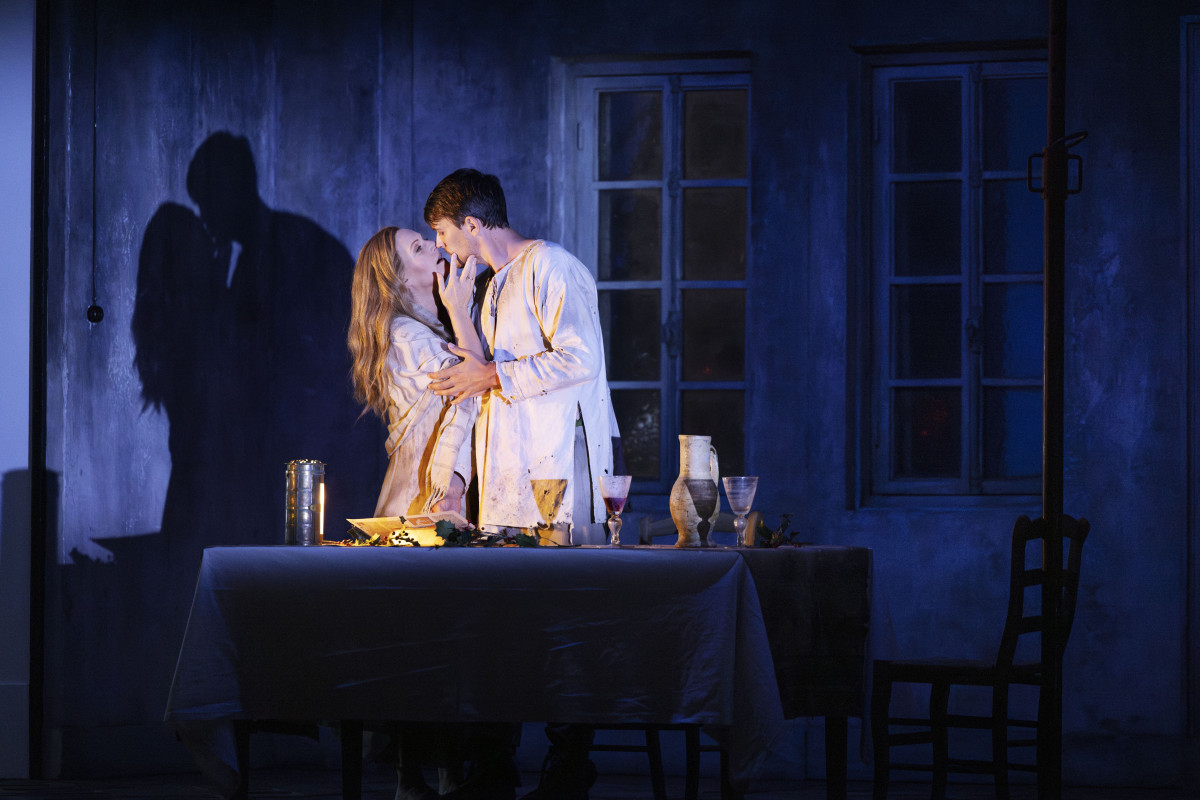
The first time I heard the title of this opera, I was reminded of Franz Kafka’s grotesque short story In the Penal Colony (1914–19), in which a prisoner is sentenced to have his punishment – a moral admonition – engraved into his skin, after which he is meant to feel what it says. In Written on Skin, which premiered in 2012 and has quickly become something of a modern classic in opera houses around the world, the writing on the skin is instead the caress of a young illustrator, who in reality (!) is an angel. The story is set in the 13th century and appeared in Boccaccio’s collective narrative The Decameron in the following century, but it could just as well take place in a dystopian future.
In a land ravaged by war, violence, and terror, the illustrator is hired to create a book for a tyrannical and ultra-violent lord who, among other things, regards his wife’s body as his own private property. The illustrator/angel, however, enters into a passionate relationship with this wife, and all hell breaks loose. Naturally, they both die, and the lord is left alone with his bitter, useless victory, while the angel is resurrected and thus becomes the true victor – and perhaps a queer figure, as the voice type (countertenor) might suggest.
The Royal Danish Theatre’s production is highly convincing. Benjamin’s music roars and crashes, yet is at the same time curiously hushed in its markedly economical use of means. It is as hard as steel forks magically bent again and again, while the often very powerful volume inscribes itself onto the skin of the eardrums in silken script.
English translation: Andreo Michaelo Mielczarek
»Music to me is – having spent a lot of time listening, composing, and thinking about it – still, essentially, a mystery.«
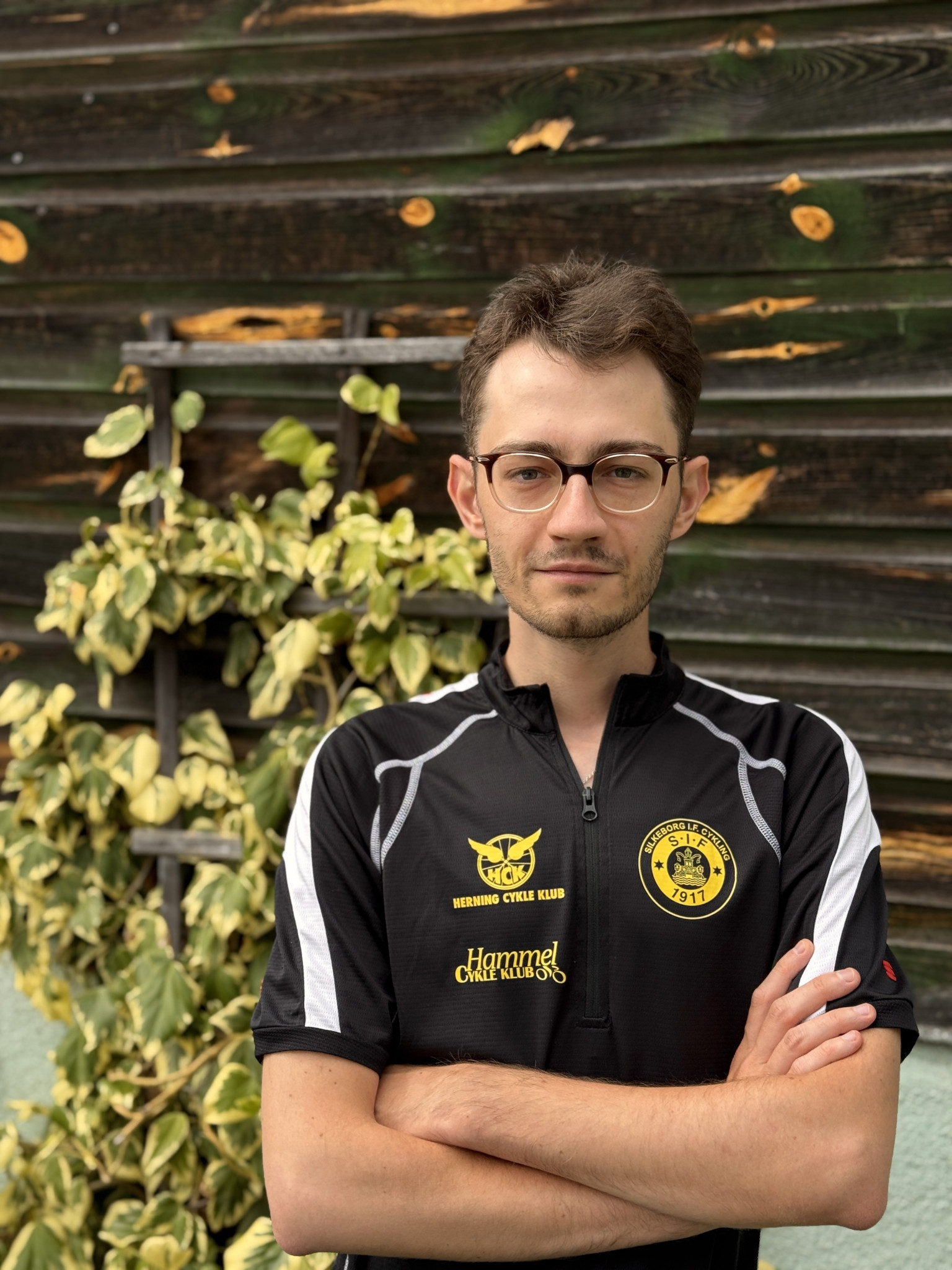
»Music for me is a universal tool for opening myself for feelings. It may be anger. It may be happiness or sadness. Music may make you wanna dance or cry. But it never leaves you indifferent to the emotional load it brings. Good music, at least. Music may tell stories. It may as well be a background, or a soundtrack for the moment, for the day, for life. That being said, music for me is a company for everyday. And I’m quite lucky that it’s my company at work as well, I guess.«
Jan Janczy is a Polish journalist and radio host at Radio Nowy Świat. His main fields of professional interest are Northern Europe, international affairs and music. He interviewed among others 3x Grammy Awards winner Fantastic Negrito, Röyksopp, Alabaster DePlume, Archive, Trentemøller and Mogwai. In 2024 together with JazzDanmark, Kultur(a) and Radio Nowy Świat he released a podcast series devoted to the history of Polish-Danish jazz connections. He is a Swedish philologist by education.
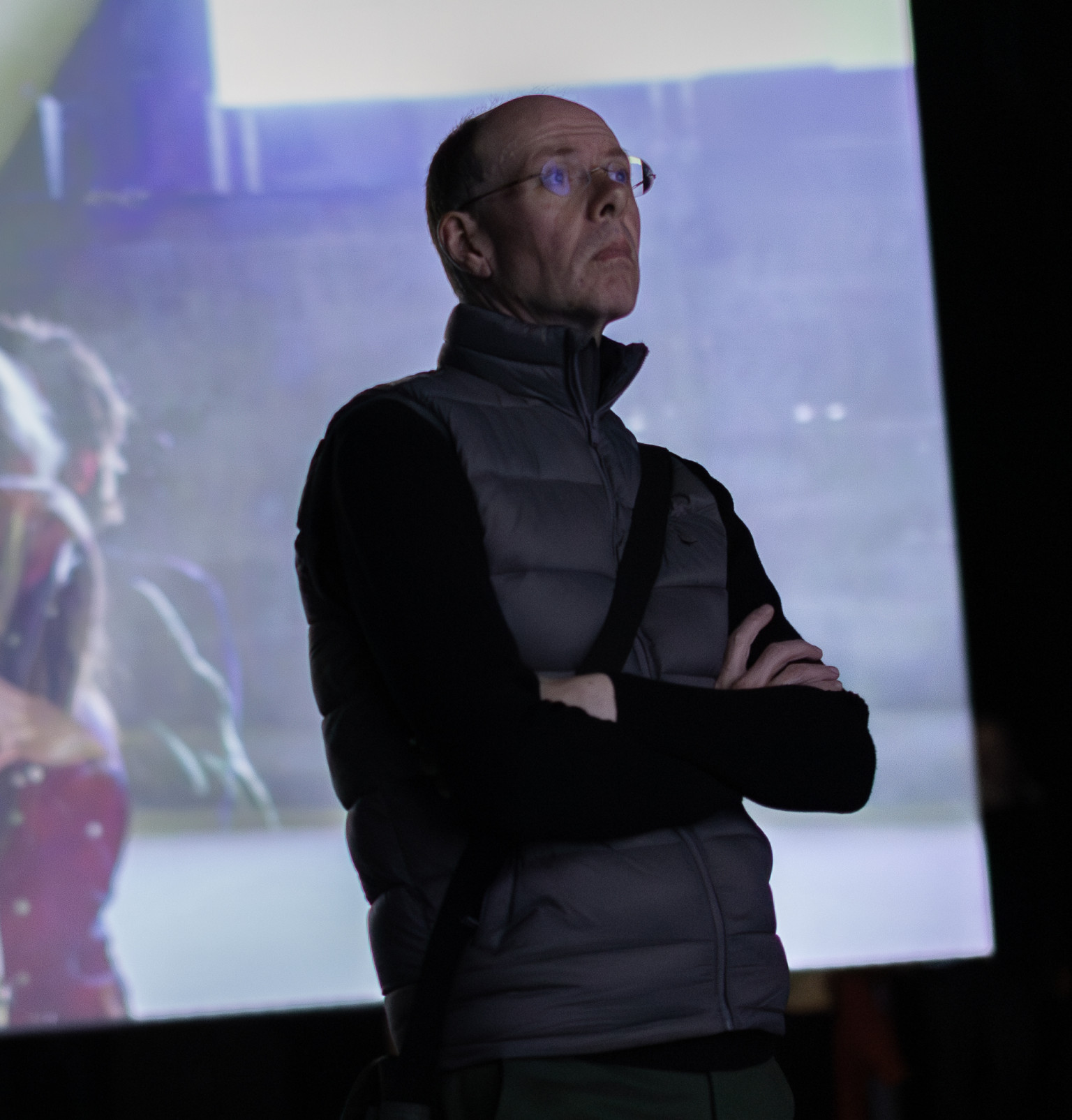
»Music is inseparable from listening: a close, attentive act. It’s not about beauty, truth or even intelligibility, but connection. This intense, focused intimacy is where meaning and everything else begins.«
Simon Cummings is a composer, writer, and researcher based in England. His music centres on two areas, both of which blur abstract and emotional impulses. The first, explored in instrumental work, involves highly intricate algorithmic processes rooted in carefully-defined behaviours, in a bespoke approach that combines stochastic and intuitive methods to realise large-scale behavioural transformations. His electronic music typically begins with visual stimuli, used to sculpt time-frequency structures investigating the boundary between noise and pitch, reappraising what defines each and their boundaries. He is currently working on a song cycle for voice and electronics for Icelandic soprano Heiða Árnadóttir, to be premièred in 2026. His research is primarily long-form critical writing on contemporary music, published on his website 5:4, as well as in assorted online and print publications.