I morgen i Reykjavik uddeles Nordisk Råds Musikpris, der samtidig kan holde 50 års jubilæum. Prisen uddeles sammen med Nordisk Råds priser i børne- og ungdomslitteratur, litteratur, musik, film, samt natur og miljø i Kulturhuset Harpa i Reykjavik.

Prisen blev uddelt første gang i 1965, i første omgang kun hvert tredje og siden hvert andet år. Siden 1990 er prisen, der desuden kommer med en check på 350.000 kr., blevet uddelt årligt. Hvert andet år gives prisen til et værk af en nulevende komponist, og hvert andet år går prisen til en solist eller et ensemble. Tidligere er prisen gået til danskere som Per Nørgård, Pelle Gudmundsen-Holmgreen, Niels-Henning Ørsted Pedersen, Palle Mikkelborg, og sidste år var det komponisten Simon Steen-Andersen, der løb med prisen for værket ”Black Box Music”.

Blandt de nominerede i år finder man den norske mezzosopran Tora Augestad, det islandske kammerorkester Kammersveit Reykjavíkur, den svenske bassist og cellist Svante Henryson, den finske akkordeonist Kimmo Pohjonen og den færøske doom metal-gruppe Hamferð.

Blandt de to danske nomineringer finder man - som det også var tilfældet i 1997 - den klassiske blokfløjtespiller Michala Petri. Læs mere om Petris vej mod Nordisk Råds Musikpris i Sune Anderbergs dugfriske anmeldelse af hendes seneste to udgivelser.

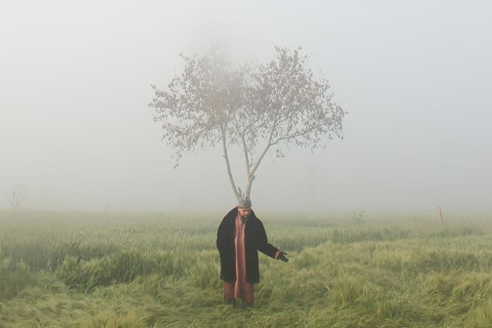
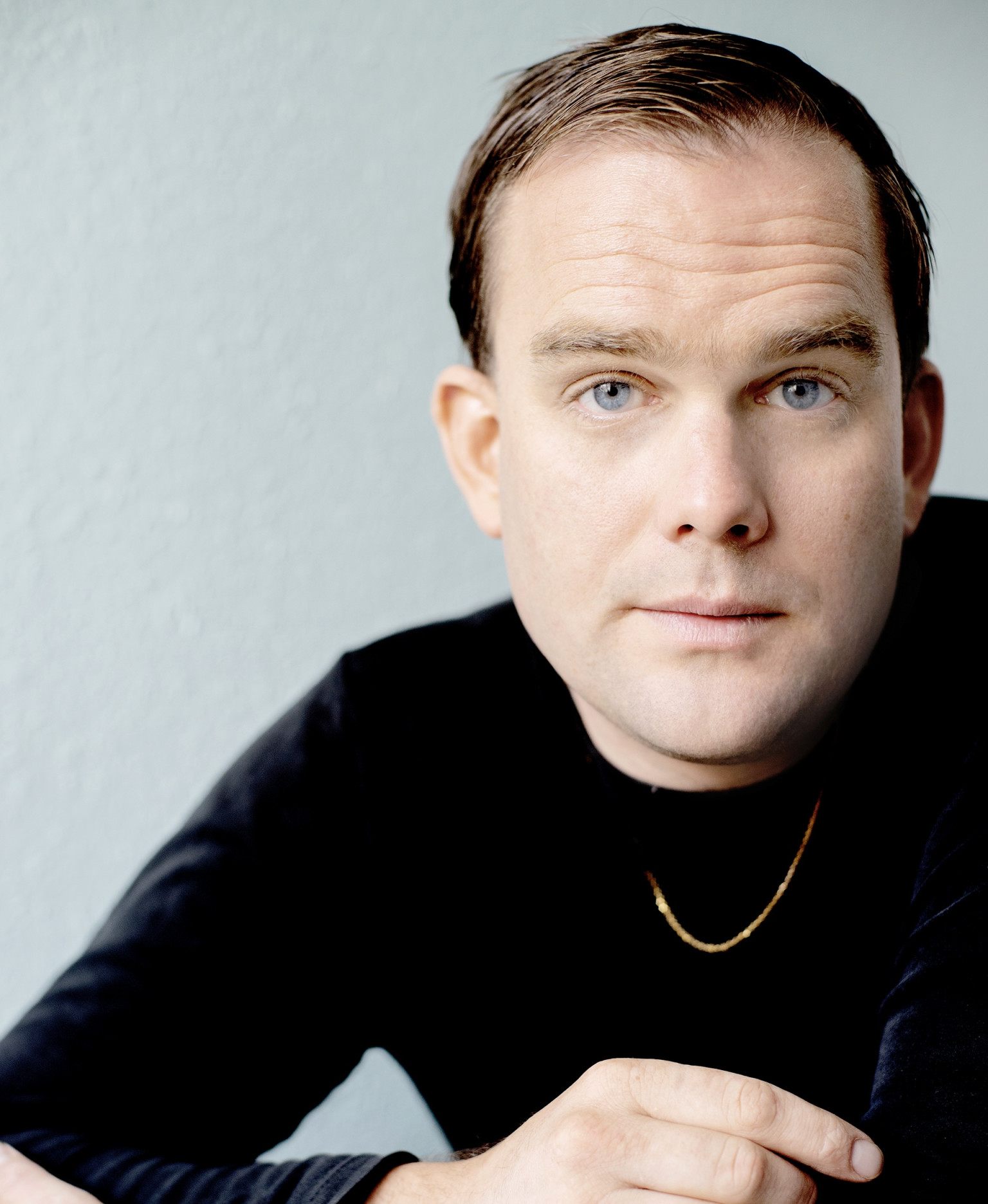
Den anden danske nominering er faldet på den elektroniske musiker HVAD. Bag navnet gemmer sig 31-årige Hari Shankar Kishore, der gennem det seneste tiår har tittet frem fra den københavnske undergrund under forskellige aliasser som DJ HVAD eller Kid Kishore eller som en del af samarbejderne Faderhuset eller Albertslund Terrorkorps, der i en slags hyldest til Rotterdam Terror Corps har indoptaget den hollandske 90’er-gabber-techno i sin lyd side om side med indiske bhangra beats, rituelle tempelklokker, alverdens glitch-lyde og hyppige vokalsamples af ord som ”perker” og ”hvad?”.

Kishore er heller ikke bleg for at køre den danske kulturarv gennem sin situationistiske dekonstruktionsmaskine af nydanskerslang og ”perker tech”, som det er blevet døbt. Hans tidlige dj-sæt indeholdt ofte brudstykker af John Mogensens ”Danmarks jord for de danske” (oprindeligt en EF-kritisk sang) og Kim Larsen, der pludselig med mussestemme sang "de kylede gas mellem hinduerne" indover helt knækkede beats og guitarfigurer fra ”Midt om natten”.

I 2007 lånte han navnet Trentemøller fra den på det tidspunkt måske mest efterspurgte danske dj, Anders Trentemøller, og fik via det sociale medie MySpace tilbudt dj-jobs i både Berlin og Rungsted, hvor man altså troede, man havde booket hitliste-housemusik.

Til daglig holder Kishore til på Kommunal Dubplate Service på Nørrebro i København, hvorfra han driver pladeselskabet Syg Nok Records og med kommunal støtte servicerer lokalbefolkningen med muligheden for at få produceret vinylplader på studiets nærmest antikke pladeskærer. Indtil videre har maskinen spyttet plader ud med Kishores egne projekter samt andre musikalske hackere som Teppop, Goodiepal eller Nørrebro-rapperen Kidd.

Og snart vil det altså vise sig, om Kishore også er vinder af Nordisk Råds Musikpris på 50-årsdagen. Den uddeles i morgen i Kulturhuset Harpa i Reykjavik. Læs mere om de nominerede og om prisen på dens officielle hjemmeside.


in brief
13.02.2025

Jeppe's Soundtrack

Christian Lollike: »Jeppe på bjerget«
© Rumle Skafte
© Rumle Skafte

During the opening blowjob – before anyone even says a word in the concrete ghetto—opera is heard. And when Jeppe (Thure Lindhardt), in dramatic fashion, settles accounts at the end during the Royal Couple’s Awards 2025, soprano Lina Valantiejute once again sings Purcell’s Dido’s Lament. Because a lament from around 1688 is about as authentic as it gets. Christian Lollike’s Holberg classic portrays the search for the genuine in a mendacious age. The PTSD-stricken war veteran Jeppe falls into the clutches of the Baron, a contemporary artist who subjects him to an art project – a »mental time journey« meant to transcend/heal him.

Sonically, Lollike is precise. The sounds amplify the reality-show-like ride Jeppe is trapped in: Mozart, Kingo, heavy metal, video-game sounds, hotel ambient music, and Aarhus Theatre’s Choir singing »I Danmark er jeg født« with emotions worn on their sleeves. The country songs in the final part of the play – set in a Western town in the 19th century – lend weight to the story of loser Jeppe. Lollike knows his reality-TV tricks (camera crews even film Jeppe leaving the theatre and heading to the nearest bar), and in a time when everything chimes and clamours, nothing feels more authentic than a real opera singer on stage and true songs from the prairie sung by genuine people in cowboy gear. It happens right before our eyes, live.

The sound design is sharp, just as in Lollike’s Orfeo (2023), where Monteverdi contributed to the atmosphere of doom. Jeppe on the Mountain is such a high (it also contains a good deal of humour) that one ends up thinking: if I woke up in a golden bed with a crowd of strangers around me, I would love to listen to the same soundtrack as Jeppe.

»Music is to me the subcutaneous holy matter. Finding each other in ourselves and ourselves in each other. The murk. The dust. The stars keep expanding. What is personal anyways? We’re all just touching each others’ faces and slowly speaking love poems in every action.«

Laura is the executive director and flutist of TAK ensemble. They are also a member of Talea Ensemble, and a frequent collaborator of musicians such as DoYeon Kim, Timothy Anguglo, yuniya edi kwon, Wendy Eisenberg, Lester St. Louis, Ryan Sawyer, Brandon Lopez, the International Contemporary Ensemble, Wet Ink Ensemble, and many others. Their recent solo album, field anatomies (Carrier Records), noted as one of Stereogum’s top-ten experimental releases of the year, charted in the Billboard top ten Classical Crossover releases Their duo with Weston Olencki, Music for Two Flutes, was released on Hideous Replica, and their upcoming solo release, FATHM, will come out on Out Of Your Head and Relative Pitch at the end of February. Laura can be heard on labels such as ECM, Denovali Records, Catalytic Sound, Pi Recordings TAK editions, Tripticks Tapes, and many others.

in briefrelease
07.02.2025

The Shadow of a Soundtrack

Søren Gemmer & Jessie Kleemann: »Lone Wolf Runner«
© PR
© PR

As is often the case with soundtracks, musician and composer Søren Gemmer and the Greenlandic-Danish visual artist Jessie Kleemann tread a fine line on Lone Wolf Runner, whose music was originally written as the soundtrack to Kleemann’s performances of the same name in 2023 at the National Museum. How much of the original purpose (here, Kleemann’s performances) can and should be taken out of the equation for an album release to make sense?

In the PR material, the album is presented, among other things, as a postcolonial critique and an exploration of transcultural questions, which at first glance seems highly compelling – not least in light of the current geopolitical situation in which Greenland suddenly finds itself at the center. On a purely musical level, however, the release is not as gripping as one might have hoped. It lacks a stronger anchoring in a sense of purpose behind the music. Without having experienced Kleemann’s original performance, my impression is that the absence of precisely this aspect has left gaps too large for the otherwise, in many ways, intriguing music to fill on its own. Lone Wolf Runner is filled with references and hints of drama and storytelling that never quite come into their own.

There are nevertheless many interesting and exciting moments: Kleemann’s poetic voice, shifting not only between Greenlandic and Danish, but also between heavily vocoder-processed and seemingly untreated vocals. The atonal, hesitant, yet beautiful piano melodies in, among others, »The Dancer« and »Marble«, which create calm moments infused with tension. The industrial »The Skin«, halfway through the album, plants doubt about which direction the music is leading the listener. But in the end, Lone Wolf Runner lacks precisely what was cut away in the album’s process of becoming: a performance that can bind it all together.

in briefrelease
07.02.2025

The Sinister Mastery of Shame

Ethel Cain: »Perverts«
© Silken Weinberg
© Silken Weinberg

To describe American Ethel Cain’s (Hayden Silas Anhedönia) stylistic shift from her debut Preacher’s Daughter (2022) to Perverts as an extreme U-turn would almost be an understatement. The distance from the debut’s gothic lo-fi pop to this monstrous work – combining dark ambient, noise, and dystopian ballads – is vast, all the while continuing Cain’s familiar reckoning with her religious upbringing and her struggle for sexual liberation.

On paper, Perverts is an EP running 89 minutes, but it feels like far more than that. Crushing noise drones, dusty piano strikes, and distant preacher voices from crackling radios are woven together with acoustic spaces. And although the record also contains more conventional ballads such as »Punish« and the beautiful »Vacillator« – which even features a clearly defined rhythmic progression – it is the long, epic ambient tracks that draw the listener into the often harrowing darkness.

One thing is that Cain suddenly makes dark ambient; another is just how good she is at it. Perverts is not only a profoundly unsettling insight into the friction between sexuality and religious fanaticism, but also an immediate, creative, and fully realized homage to a fascinating niche genre. A necessary album for anyone unafraid of the dark.

in briefrelease
04.02.2025

The Deep Breath

Blaume: »excess air«

The Copenhagen-based duo Blaume’s EP excess air is a field study in the shared pulse of breathing, calmly taking a deep breath. The EP’s airy sound unfolds cyclically from the physical conditions of respiration, and with hoarse choral voices and chirping flute, the two artists – Laura Zöschg (IT) and Mette Hommel (DK) – wind their way around the healing and artistic qualities of breath.

Perhaps it is the strangely warm winter or the blooming figures on the cover, but excess air seems to carry a fragile sense of spring. The sparse instrumentation gropes its way forward improvisationally across the three tracks, and the many choral voices add a tangible physical sense of musicians at work, underscoring a feeling of tentative sprouting.

The electronic element, in the form of vocal effects and the music software Ableton, is an important part of Blaume’s expression. Vocal effects often come across as quite prominent, but when the processed voice on the track »vivus tremus« drifts into a hoarse rasp, the artificial divide between voice and effect dissolves, and the electronic becomes an obvious extension of Blaume’s shared breath.

Blaume’s excess air is a delightfully vital EP. It is music with the surplus energy to stretch far from a simple and immediate point of departure, and with a few simple means, Blaume’s debut emerges as a welcome harbinger of spring.