in briefrelease
11.09

A Strange Instrument, a Familiar Sound

Mike Sheridan: «Touch«
© André Hansen
© André Hansen

There is something almost dogmatic about Mike Sheridan’s latest album, Touch. Everything leads back to the Cristal Baschet – a peculiar instrument from the 1950s in which sound is produced by running wet fingers over glass rods, setting metal resonators into vibration. No strings, no keys, just glass, water, skin and friction, slowly making the metal sing.

The Cristal Baschet is not merely an instrument on Touch. It is the album cover, the subject of the press photos, and almost the very argument for the album’s existence.

It recalls the material fetishism found in the American duo Matmos, whose music is often built around a single material or sound source: metal on Metallic Life Review (2025), plastic on Plastic Anniversary (2019), a washing machine on Ultimate Care II (2016). What is interesting about such constraints is that they ought to force the music somewhere it otherwise might not be able to go.

While listening to Touch, a question therefore begins to press itself forward: Which of these sounds could not have existed without a Cristal Baschet?

There are glassy tones that hang in the air and slowly change texture. Thin, cutting vibrations. Metallic surfaces that flutter, ripple, open and close. A constant sense of droning resonance; of something vibrating just on the other side of the audible.

Sheridan’s layering is meticulous. There is a precision to the mix, an almost surgical sense of the distance between the different textures. The best moments occur when the surface is disturbed: something that scratches at or short-circuits the otherwise tightly controlled resonance. On »BOW / GROUND«, for instance, deep bass pulses suddenly enter, creating a different physical quality – crackling, heavy, like something hitting the floor.

But Touch is first and foremost a well-produced ambient album. It moves through different degrees of the same state, changing nuance without ever truly changing its skin. That is not necessarily a weakness. There is something consistent, almost meditative, in Sheridan’s insistence. But the longer one remains in the same sonic state, the more one begins to miss what ought to be the Cristal Baschet’s particular possibility.

This is where the disappointment lies: in the gap between the instrument’s strangeness and the music’s conventional appearance. The sounds have been assimilated into a familiar ambient vocabulary, where the extraordinary instrument ends up producing something surprisingly familiar. You can hear that something unusual is happening at the source of the sound. But you cannot necessarily hear why it had to be this particular instrument. Had one not been told that a rare, almost otherworldly acoustic sculpture was standing in the room, one would hardly have guessed it.

© Tom Ingvardsen

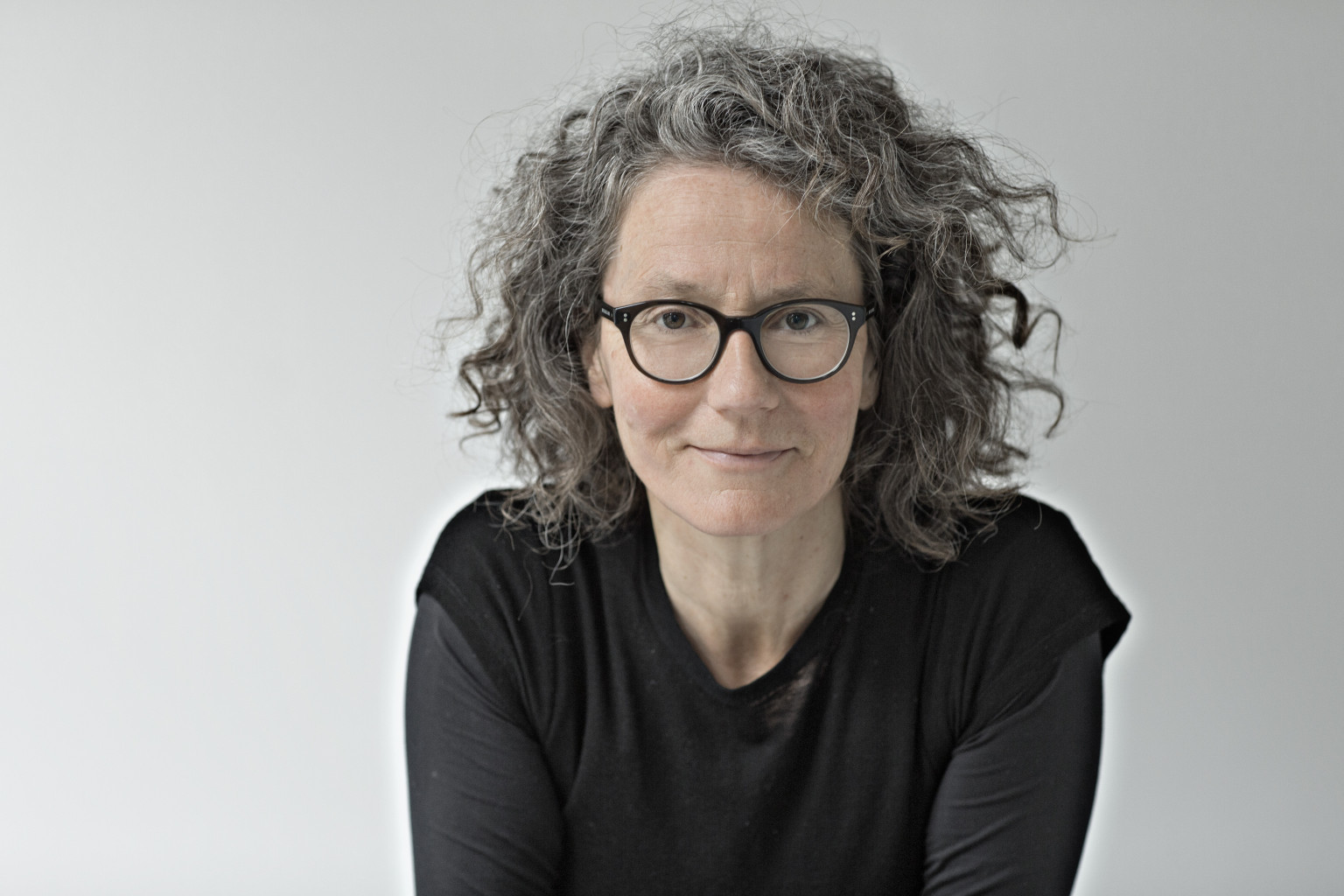
»I listen to music at all hours of the day when I’m at home – surrounded by family – or when I’m working and travelling. My playlist changes every day. It reflects my state of mind here and now, and the ideas, memories, joys and sorrows that currently occupy me. The last piece, Salve Regina, was only added late this evening, after I experienced Poulenc’s magnificent opera Dialogues des Carmélites at the Royal Danish Opera.«

Louise Beck is a scenographer, stage director and artistic director of OPE-N – and from the 2027 season, artistic director of Copenhagen Opera Festival. For nearly three decades, she has developed opera as a living and contemporary art form at the intersection of the established opera field and the independent music-theatre scene. She has created a number of critically acclaimed and award-nominated works, including Den Sidste Olie and LOL – Laughing Out Lonely, and, together with Niels Rønsholdt, stands behind the opera trilogy Den Stærkes Ret – Den Svages Pligt, whose second part will be presented at the University Library of Copenhagen during the 2026 festival.
© PR

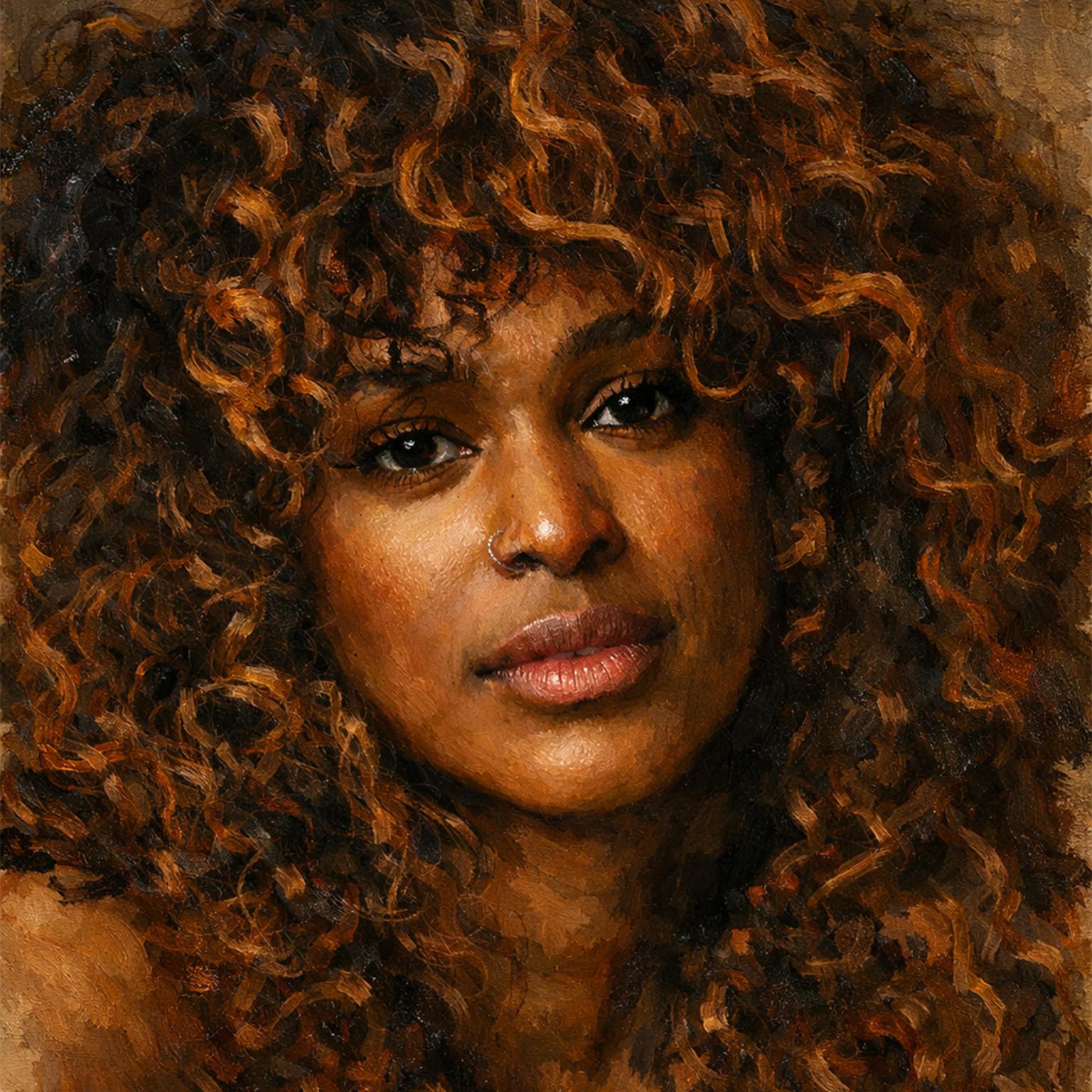
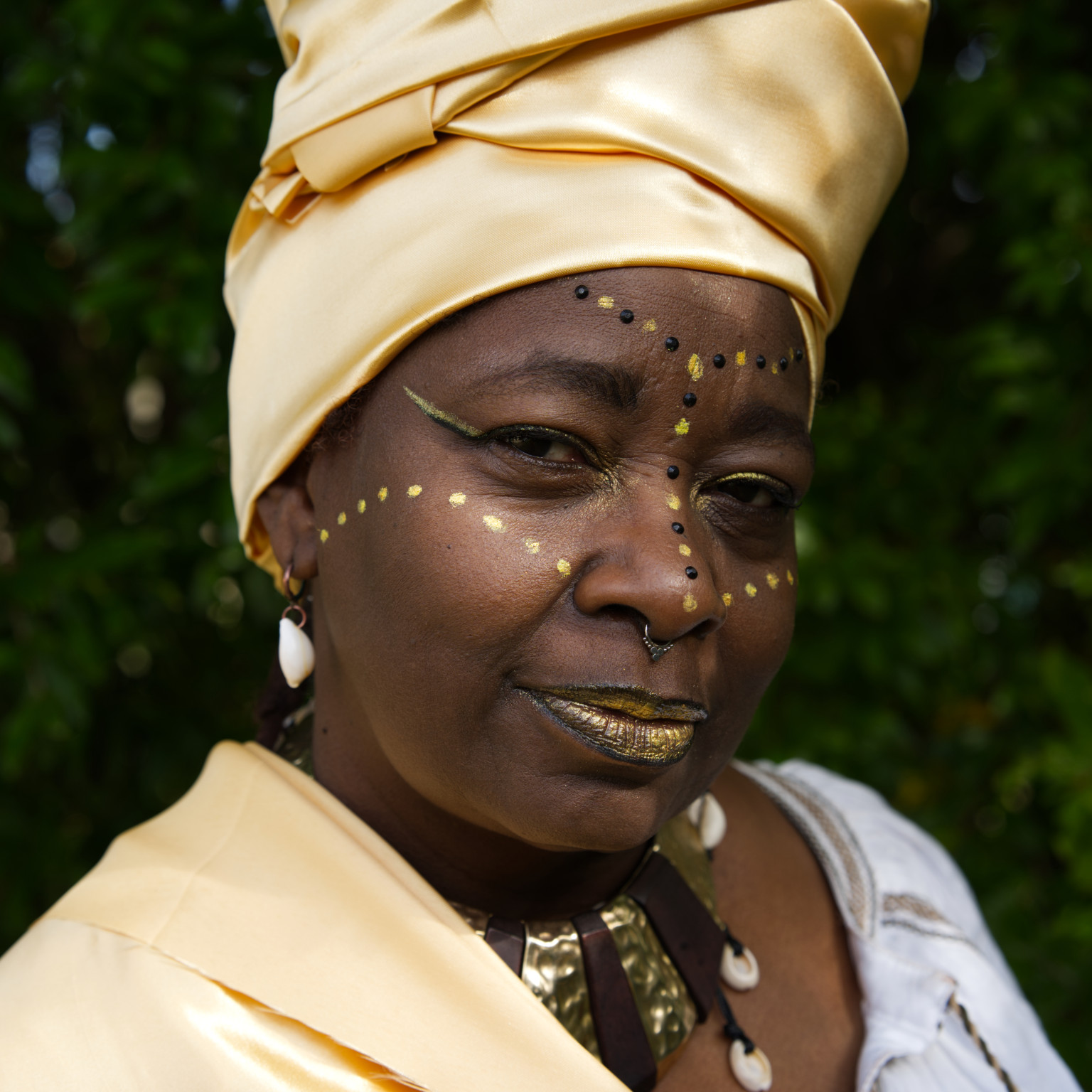
»Music is my daily nourishment, helping me become a better person. It's a formula of emotions, full of energy, that gives me the courage to always have hope.«

Nilza Costa is a Brazilian singer and songwriter from Salvador de Bahia and now living in Ferrara, Italy, whose heart beats with the ancestral rhythms of Africa, rhythms she channels through her voice into a singular and deeply original artistic language. Her new album Cantigas – released in February 2026 on Brutture Moderne Records – is inspired by and dedicated to the Cantigas, or Orin, the sacred songs passed down through African languages, in this album Yoruba, Kimbundu and also Brazilian Portuguese. Nilza Costa’s voice has long given life to the revolution of a people who, through music and spirituality, have reclaimed their path toward emancipation. Her songs tell the stories of men and women torn from their homeland — narratives filled with both melancholy and hope.

Throughout her career, Nilza has collaborated with renowned artists such as Roy Paci, Etnia Supersantos, and Senegalese musician Elhadj Demba S. Gueye. With her current band, she has performed on numerous international stages (Austria, Germany, Croatia, Hungary, Bulgaria, Romania, the Netherlands, Luxembourg, Poland, Belgium, Slovenia, and more) and has appeared at major festivals across Italy.

Louise Beck
Louise Beck

When Louise Beck presented her first opera at Copenhagen Opera Festival in 2022, the audience was asked to bring ski wear and thermal suits. Den Sidste Olie (The Last Oil), about the colonisation of Greenland and the exploitation of nature, unfolded on the ice at Østerbro Skøjtehal. It marked the beginning of a fruitful collaboration on newly written works that expand the frames and spaces of opera. Now that collaboration enters a new phase: from 1 September, Louise Beck will become the festival’s new artistic director.

»Music for me is peace.« 

Iris Gold is a Danish singer. She was born in London but raised in Christiania. She made her recording debut in 2015 with the single »Goldmine« and has since released a number of singles. Her debut album Planet Cool was released in 2019. She has just released the album Sugar on My Lips.

© PR

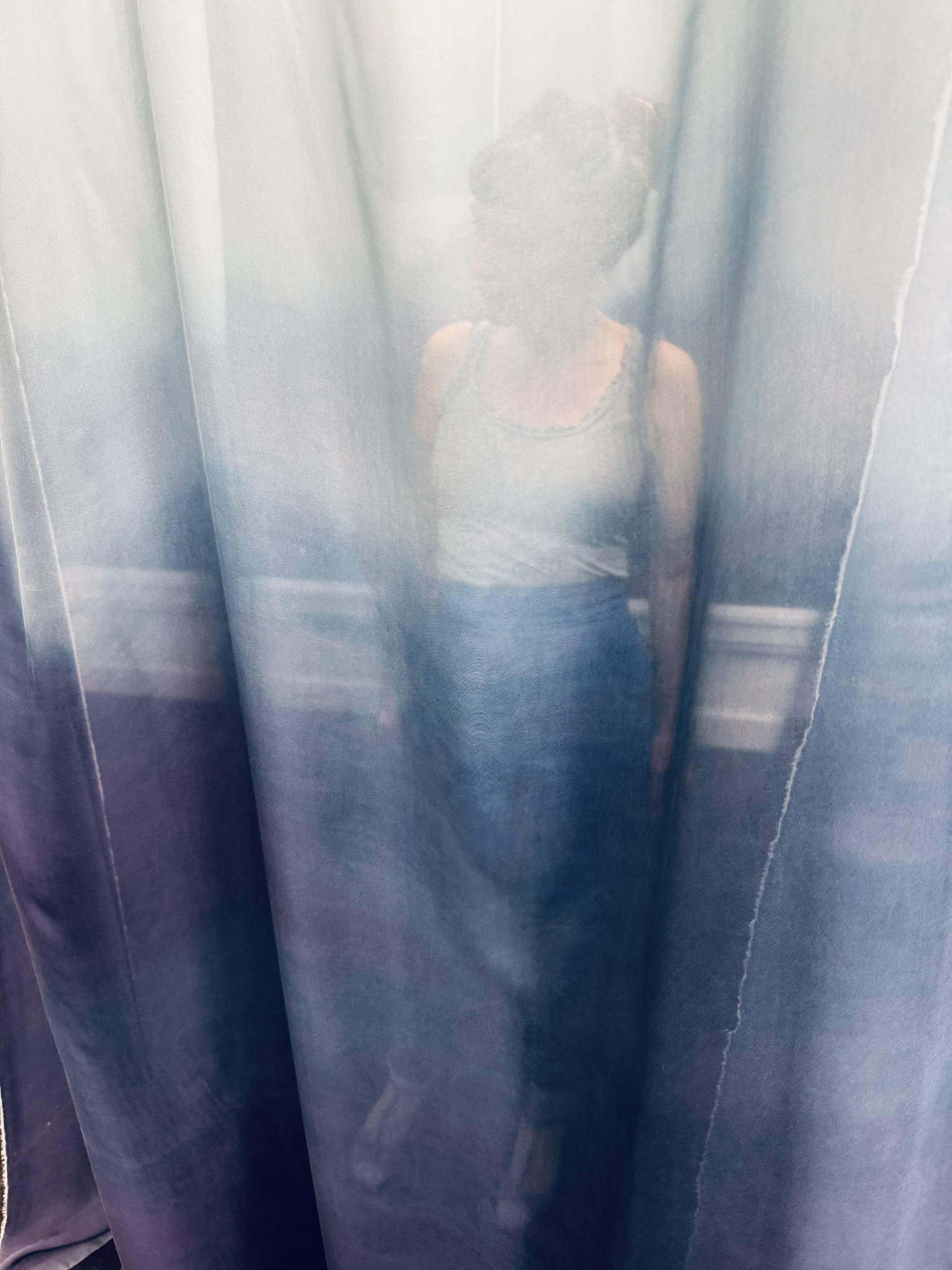
»Resonance – music is for me an indispensable inspiring resonance. In music, the big emotions fall into place, and the small ones bubble up. My grandfather introduced me to opera as a child – so loudly that my heart jumped in my ears, and I fell head over heels and deeply in love with these grand and dramatic compositions. Through it, I was introduced to the big emotions in the world – in music there was room for them in a way that I had not experienced anywhere else before.«

Astrid Kruse Jensen (b. 1975) is a Danish visual artist living in Copenhagen. Throughout her artistic career, she has been preoccupied with photography and its relationship to memory. With her poetic shifts of reality, she explores the borderland between the apparent and the hidden, between the real and the imaginary, between past and present. She has exhibited widely both in Denmark and internationally, with exhibitions in galleries and museums – from solo to group exhibitions in Slovenia, Lithuania, Poland, Sweden, Iceland, Finland, France, Belgium, the Netherlands, Germany, Spain, Italy, India, China, Korea, Ghana, Canada, the USA and the UK. In Denmark, her works have been exhibited at, among others, the Brundlund Castle Art Museum, Esbjerg Art Museum, Heerup Museum, Rønnebæksholm, Brandts, Aros, Kunsten, Skagen Museum, Willumsen Museum, Sorø Art Museum, Odsherred Art Museum and Johannes Larsen Museum. Astrid Kruse Jensen is represented by Martin Asbæk Gallery in Copenhagen and Wetterling Gallery in Stockholm & Gothenburg.