in brieflive
13.04

White as a Wound

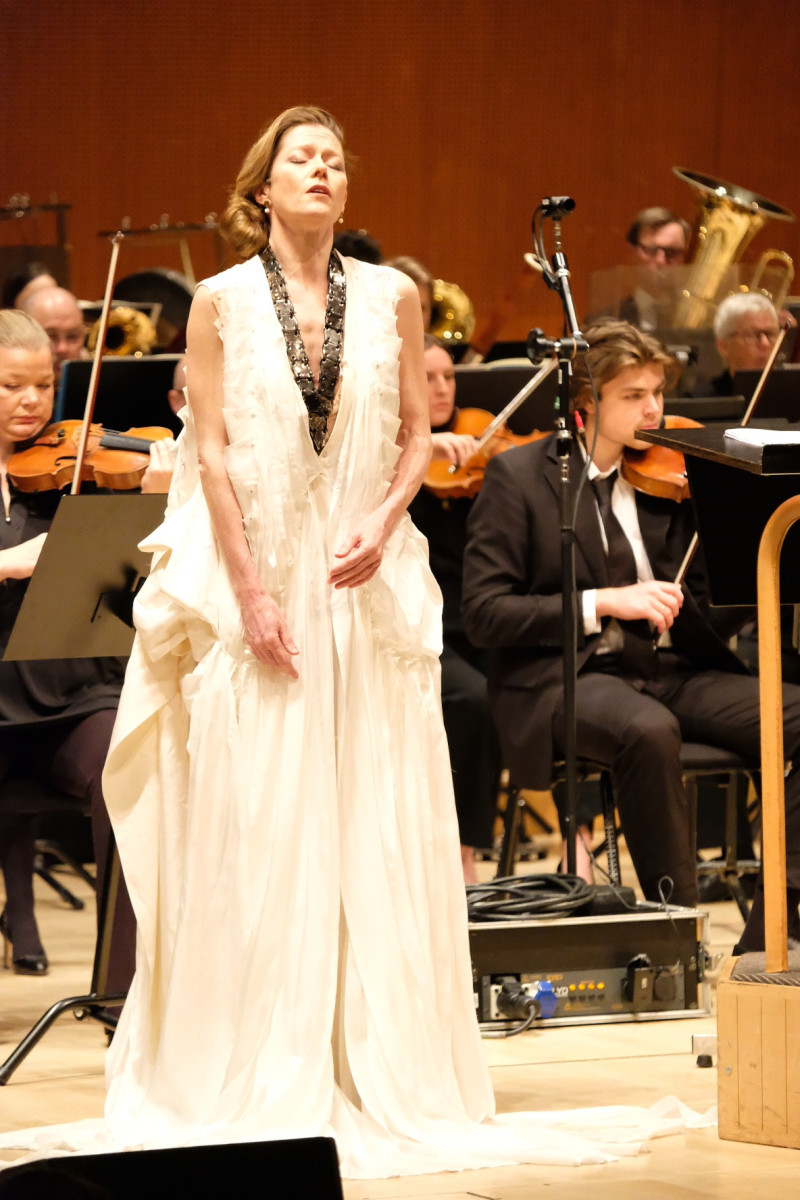
Barbara Hannigan, Laura Bowler, Copenhagen Phil: »The White Book«
© Henrik Overgaard Kristensen

In The White Book, author Han Kang circles around grief by describing white things – such as one’s breath on a winter morning or the cloth in which a newborn is wrapped. Drawing on this poetics, Laura Bowler has created a work of the same name, which received its Danish premiere at the Royal Danish Academy of Music’s Concert Hall in Copenhagen.

Bowler evoked the same oppressive sense of untouched stillness in her exploration of the white. The soloist was Barbara Hannigan, whose voice moved through a wide range of registers, techniques, and expressions, yet each phrase remained immediate and sincere. Copenhagen Phil played with captivating attention to detail, constantly pulling the listener into the music’s »white« sonic surfaces. In particular, Bowler’s disciplined use of extended techniques (unconventional playing methods), slow glissandi, and noise-generating percussion created this sense of elevation.

Even the most brutal sounds possessed a refined and disarming fragility. One particular »creaking« sound from the percussion section moved me so deeply that I struggled to put into words the feeling it stirred in me.

My only reservation concerned the literary layer. The melodies moved too slowly through the words for a truly poetic experience to emerge. For that reason, I listened with particular interest to Bowler’s reflections in the talk that followed. There, she described how the work grew out of the overwhelming affect she experienced upon encountering The White Book. At the same time, she explained that the noise sound I had noticed was intended as an expression of longing. That was it, I thought – the word I had been searching for.

in brieflive
13.04

Harpens stille søvn

Julianna Barwick & Mary Lattimore

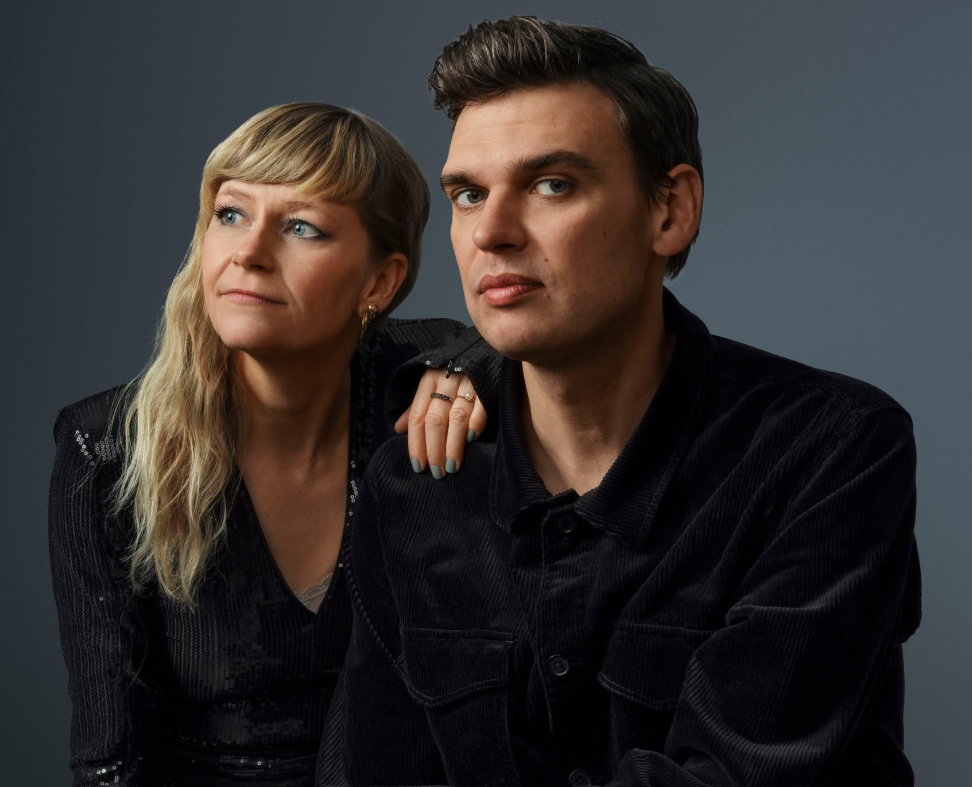
Harpen – et af de ældste strengeinstrumenter – er for mig tæt forbundet med den svævende grænse mellem at sove og være vågen. Harpens brolægning mellem nat og dag stod kun endnu tydeligere, efter Julianna Barwick og Mary Lattimore vækkede det gamle instrument til live i DR Koncerthusets Studie 2. Lattimores harpespil og Barwicks æteriske vokal befinder sig et sted mellem moderne ambient og klassisk nocturne – som en anakronistisk vuggevise tilsat synthesizere og spandevis af rumklang.

Hovedparten af koncertens numre stammede fra Barwick og Lattimores seneste album Tragic Magic (2026). Et album indspillet over 10 dage i en kælder under Philharmonie de Paris med fri adgang til deres samling af antikke instrumenter. Både synthesizere fra 1970'erne og harper fra 1700-tallet bliver vækket til live på albummet. Og selvom Barwick smilende bemærkede, at den gamle harpe fra 1740 desværre ikke kunne være med i aften, var det tydeligt at mærke de to amerikanske musikeres passion for spændet mellem det antikke og kontemporære. Et spænd, der stod klarest under historien om den første regn efter de voldsomme skovbrande i hjembyen Los Angeles. En lydoptagelse af præcis den regn indledte det efterfølgende cover af Vangelis’ »Rachels Dream« fra soundtracket til Blade Runner (1982) og satte de altødelæggende brande i et mørkt science fiction-skær. Men Barwicks filmiske fløjten og Lattimores harpearpeggios fandt alligevel et lys i det dystopiske mørke. Selvom begge musikere har lange solokarrierer bag sig, er det forhåbentligt ikke det sidste, vi hører til deres samarbejde.

Soli City. © Bruno Modesto Leal

Electronic duo Vanessa Amara are riding a wave of success at the moment. Last year, their caustic take on Gudmundsen-Holmgreen’s organ music earned them credits on Rosalía’s much-hyped Duolingo album LUX, and this summer Birk Gjerlufsen and Sebastián Santillana – both former volunteers at Koncertkirken – will appear at Roskilde Festival.

But on Thursday night at Christianshavns Beboerhus, they were overshadowed by RMC alumnus Harald Bjørn, who opened under the alias Soli City. He too placed a classical instrument, the cello, at the centre of his electronic music, and his masterstroke was to make it shimmer like a beautiful, lost memory amid a restless abundance of chopped-up hyperpop aesthetics and melancholic spoken-word poetry.

The cello, played on electric keyboard, was synthetic yet human: an intentionally sloppy fragment that set the tone for half an hour of dissolution. Even when Soli City reached for life with an urgent handclap beat in a vast sonic space, it was staged like a chance pause during a flickering radio scan, while relaxed piano chords sustained an ambient sadness. Impressive.

It was refreshing when Vanessa Amara followed with a different, ecstatic take on the atomised information society. At their best – and they were at their best in the beginning – the duo combined, with Kanye West-inspired genre agnosticism, distorted pop samples and polytonal church organ until the 21st century seemed ready to come apart at the seams. It was sublime, simply put.

But instead of delving deeper into the forces they unleashed, the duo quickly moved between tracks and veered far too early into dull, therapeutic deep house, a mode they never left again. We barely had time to lose our footing before we were handed a group hug – and frankly, I’d rather do without.

in briefrelease
10.04

Squarepusher in a Straitjacket Among Strings

Squarepusher: »Kammerkonzert«
© PR
© PR

With Kammerkonzert, British electronic composer Tom Jenkinson, better known as Squarepusher, places himself within the braindance tradition of the 1990s and 2000s, when electronic artists flirted with classical music – from Aphex Twin’s collaborations with Philip Glass to Venetian Snares’ Rossz Csillag Alatt Született, where baroque patterns were folded into mechanical rhythms and the melancholy of strings torn apart by breakbeats.

Squarepusher is no stranger to the acoustic: his hyperactive bass guitar – often sounding as if in flight from its own virtuosity – has been central to his music since Music Is Rotted One Note (1998). Here, too, it takes a leading role. On »K2 Central«, a looped, faintly anxious bass figure drives the music forward while strings swell in and shift its harmonic function. The effect is not without merit, but the execution is strikingly conventional. The MIDI-generated strings move in neat chord blocks with an almost overly reverent sense of decorum. The classical tradition is not challenged but merely cited, and the arrangements are so polished that the orchestra’s presence feels barely justified.

The compositions also hover awkwardly between the slick functionality of elevator jazz and something exaggerated, almost circus-like, as if unable to decide whether they want to be serious or ironic – and end up being neither. »K4 Fairlands« stands out by pairing string quartet with the busy breakbeats that are Squarepusher’s trademark. Here, a friction emerges between the rigid and the fluid that briefly opens the album up, suggesting how two otherwise incompatible systems might coexist.

Overall, Kammerkonzert comes across as artistically cautious, marked by a peculiar restraint. What remains is the sense of something only half realised. One wishes Squarepusher had either ventured further into the orchestral realm or trusted more in what he actually excels at, giving the electronics freer rein. Preferably both.

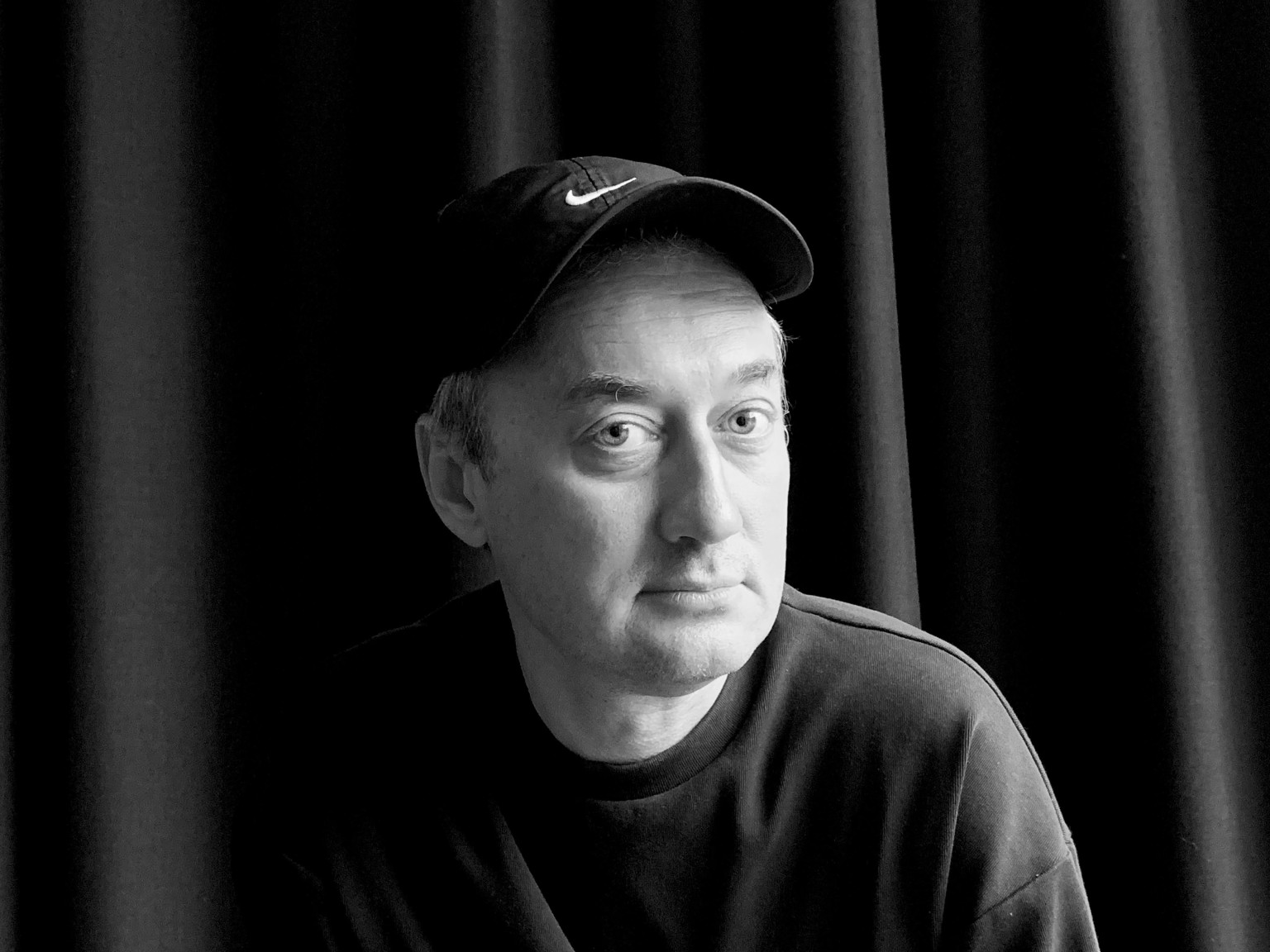
© Mads Skarsteen, CPF

»Music for me is the fifth dimension of life, connecting all the others.«

For the past 10 years, Maja Dyrehauge Gregersen has been at the helm of the Copenhagen Photo Festival – the largest photography festival in the Nordic region. The Copenhagen Photo Festival is an international platform with over 1000 annual applicants from all over the world – and a clearly curated level that attracts world names and has lifted the festival out of its original, more local and open form.

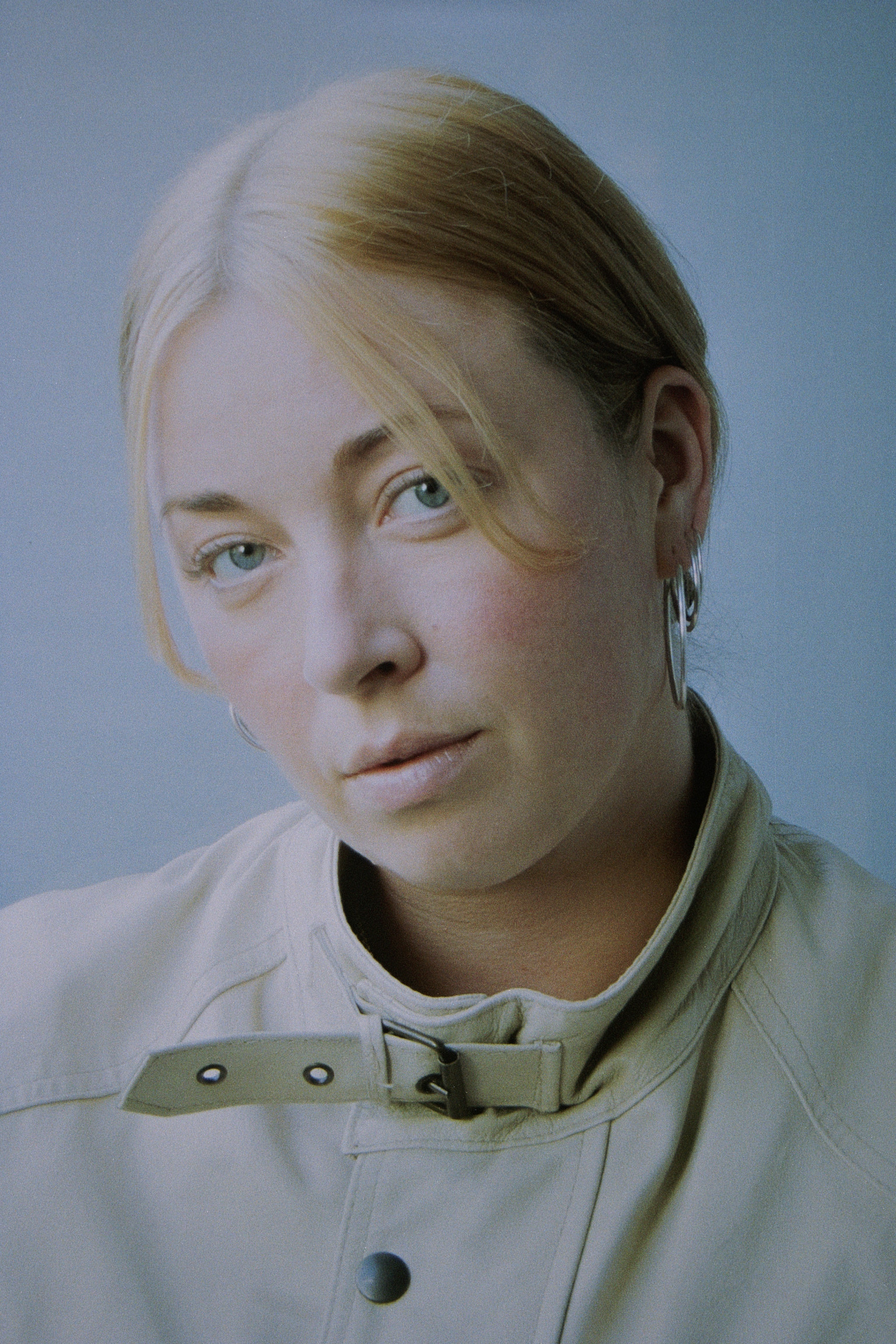
© Aske Jørgensen

»Music for us is the perfect language that we love to speak. A language where it is the individual's feelings and imagination that determine what is right and wrong. Everyone can speak the language. You don't have to be able to write or understand, but just listen. Some music requires that you listen carefully and maybe hear it several times. A bit like when you talk to someone from Norway or Sweden, you also have to listen a little extra.«

DØGNKIOSK is a Danish punk band consisting of four middle-aged musicians with roots in the Central Jutland underground. The band plays a raw and energetic form of punk, where a naked and explosive sound is accompanied by lyrics that are significantly prominent in the soundscape. Their expression is inspired by 1980s punk and characterized by a punk poetic approach, delivered with a clear dialect. In April, DØGNKIOSK will release the album Tæt på kanten. The band's music generally revolves around challenging fixed patterns and insisting on personal freedom.