© Ultima
© Ultima

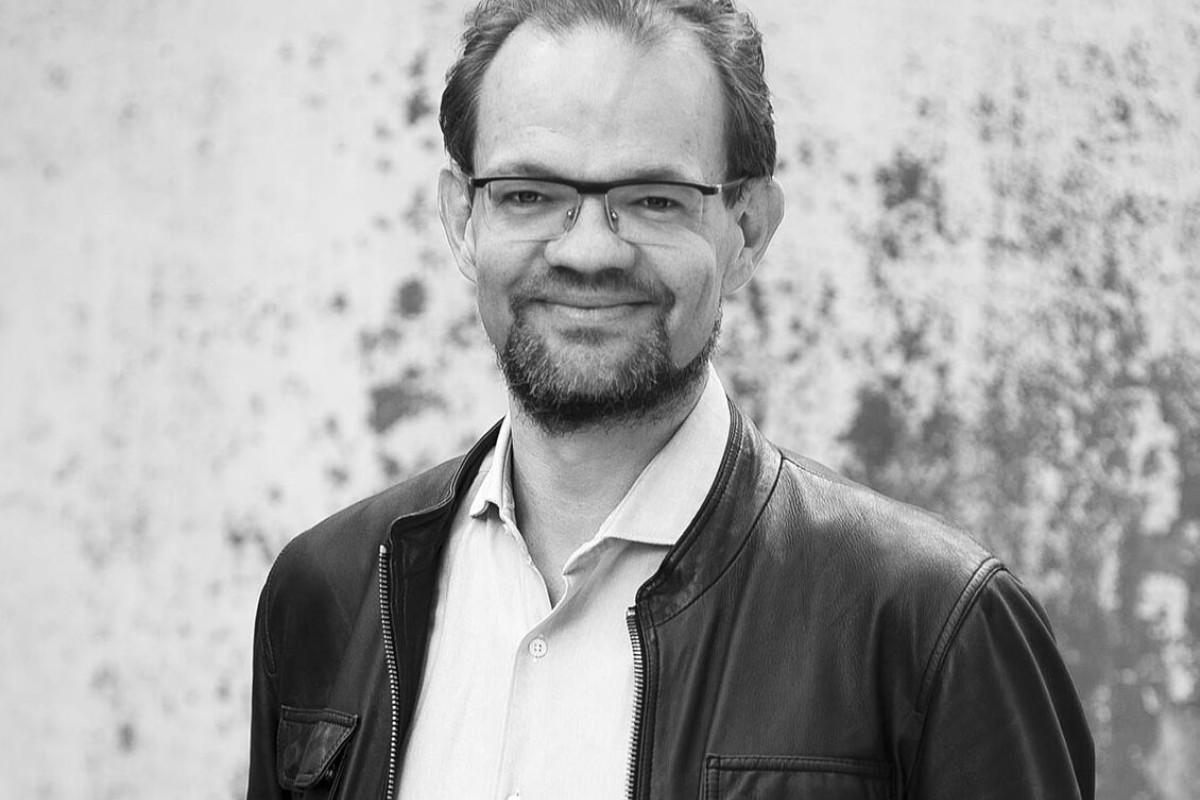
Thorbjørn Tønder Hansen has died. With Thorbjørn’s passing, the art music community has lost one of the Nordic region’s most significant producers, curators and cultural leaders.

For more than two decades, Thorbjørn worked at the intersection of contemporary music, sound art, festival management and Danish-Norwegian cultural cooperation. From 2000 to 2006, Thorbjørn was manager of the Norwegian Cikada Ensemble. In 2009, he became director of Art Music Denmark (then Snyk), a position he held until 2017, when he returned to the Norwegian cultural scene as director of the Ultima Festival. In the final years of his life, Thorbjørn served as a board member of the Foundation for Danish-Norwegian Cooperation.

Thorbjørn was a well-liked and visionary cultural leader who left an indelible mark on the music scene. I, like many other Danish artists, probably remember Thorbjørn best for his inspiring and courageous projects, such as the G((o))ng Tomorrow Festival (formerly Wundergrund). Thorbjørn was never afraid to give young and emerging artists a chance to perform, and I do not think it is an exaggeration to say that, for this reason alone, Thorbjørn had an impact on an entire generation of Danish artists.

I was still a young composition student when I first met Thorbjørn. It must have been around 2008. At the time, Thorbjørn was a project manager at Art Music Denmark, which was in the midst of developing G((o))ng Tomorrow. A festival that mixed genres and crossed artistic communities, Thorbjørn explained – a radical concept in Denmark at the time. The next thing I knew, I was standing on the G((o))ng stage at Råhuset with a group of wild young artists – musicians and composers, from both classical and rhythmic traditions, with vastly different artistic expressions and working methods. The concert that followed was hardly an artistic revelation, but the conversations, friendships and nights at the bar with a group of artists I would otherwise never have encountered opened my eyes to an entirely new way of collaborating – both artistically and in terms of cultural production.

Over the years, Thorbjørn developed many international friendships with artists and institutions from near and far. Thorbjørn and G((o))ng Tomorrow introduced countless exciting artists to Denmark while also opening new doors abroad for Danish artists. For many years, Thorbjørn was almost synonymous with Danish art music abroad and an exceptionally important link between artists, venues and festivals.

This is how I believe many people remember Thorbjørn: as an inspiring figure with forward-looking ideas, curious and courageous, and with a strong understanding of the value of international musical exchange.

The Danish music scene would not be the same without Thorbjørn. The same can be said of Art Music Denmark. Our small genre organisation has changed considerably since Thorbjørn was its director. Nevertheless, I am proud of the organisation I myself took over, and where the fundamental values from that time are still very much alive. An organisation that works to create new opportunities for artists. An organisation with a strong international network and a focus on international musical exchange. I do not believe this would have been possible without Thorbjørn’s immense and tireless groundwork.

Thorbjørn Tønder Hansen has died. He will be deeply missed, not only by artists and the cultural community across the Nordic region, but also by his many friends and collaborators around the world. Thorbjørn created connections, ideas and visions that continue to shape today’s cultural landscape. I have no doubt that his impact on the cultural life of the Nordic region will live on.

My warmest thoughts go out to Thorbjørn’s family and loved ones at this difficult time.

May Thorbjørn’s memory be honoured.

Regin Petersen
Director, Art Music Denmark

»Like all art, music is a language for emotions, dreams, and the search for meaning—but for us it is just as crucial that music is a path to community.«

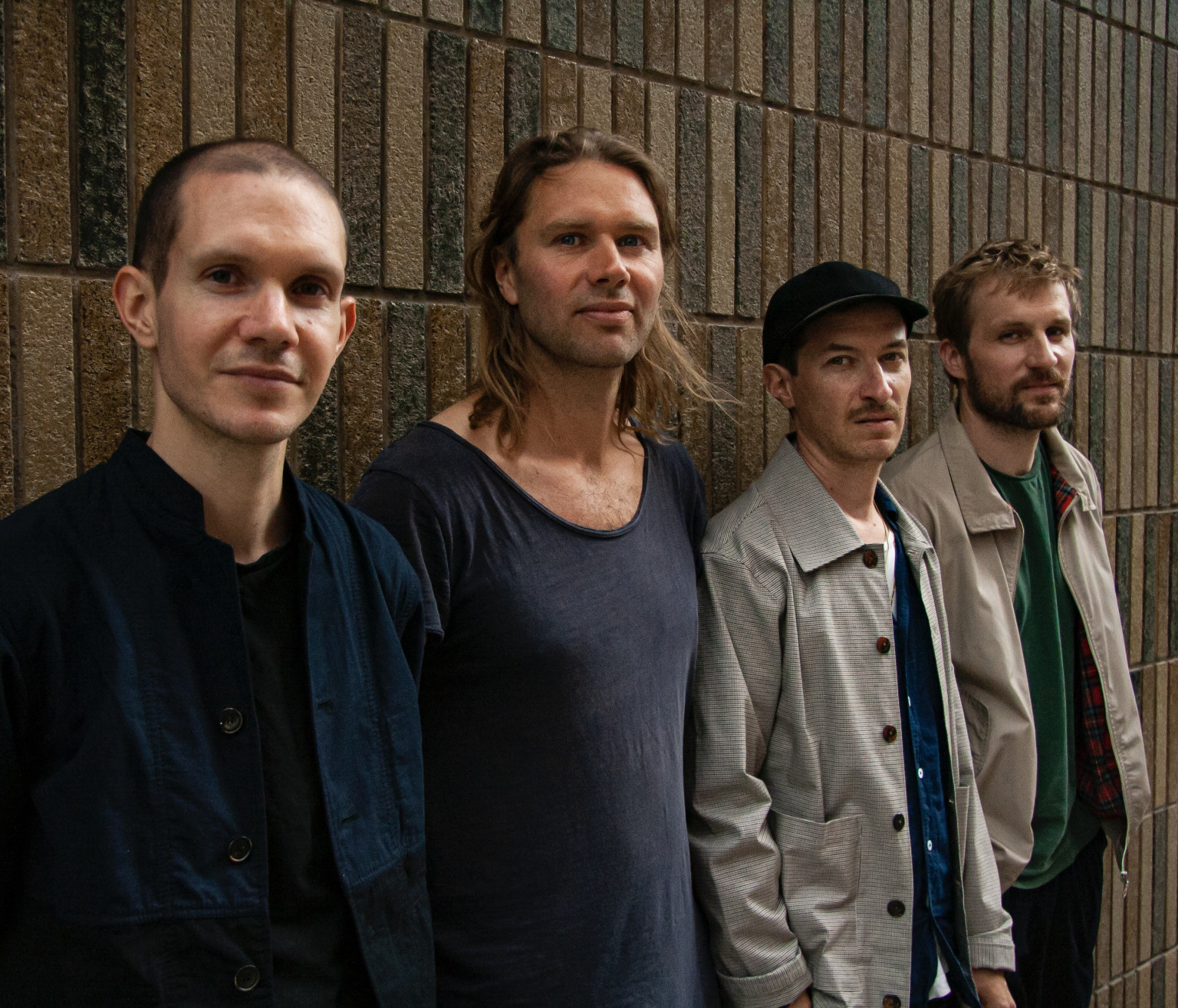
Girls in Airports is a Danish instrumental band with a palette that draws in particular on jazz, electronic music, and sounds from distant horizons. Since their debut album in 2010, they have created a sonic universe in which saxophones, synths, and pulsating grooves meet in a collective and dreamlike expression. Recently, the band has focused on artistic collaborations with, among others, Teitur and Aarhus Jazz Orchestra, and they are now on their way with a new album created in collaboration with the string trio Halvcirkel.

© @joachimdabrowski

»Music, to me, is the lifeline to the world that more than anything else creates emotional resonance and fills my head with confetti of thought.«

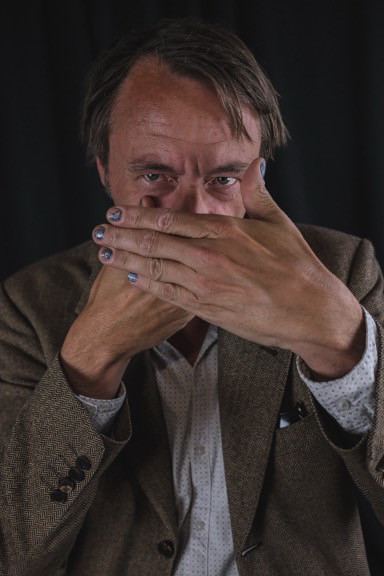
Steen Andersen is a cultural entrepreneur, festival manager, and writer. He is a co-founder of Lost Farm Festival and has coordinated projects such as Copenhagen and Odden Sauna Festival, the collective workspace PB43, the cultural venue BYGN 5, and Prags Have. Over the years, he has written books and articles on urban activism, entrepreneurship, and culture, including Byen bliver til and Learning from Sierra Leone together with Architects Without Borders, which won the Danish Architectural Association’s Initiative Award. He is currently based in Ukraine, where he is coordinating Lost Farm Festival’s Art Exchange Program, and has just curated the exhibition HIDE and SEEK with young Ukrainian artists in Kyiv.

in brieflive
29.10

Islands Of Sound Rising From the Sea

Athelas Sinfonietta: »Nordic Sounds«
© Kasper Vindeløv
© Kasper Vindeløv

Veroníque Vaka’s ongoing project to pin some of earth’s most momentous geological processes down in notated music is proving beguiling. The latest fruit was premiered on Saturday at Nordatlantens Brygge. Eyland (»Island«) was inspired by the formation of the island of Surtsey, which appeared 33km of Iceland’s coast on 14 November 1963 following a volcanic eruption.

Much of the Canadian-Icelandic composer’s work charts decline; its musical movement tracing harvested data around ecological destruction and decay. Eyland is about creation, and Vaka seemed to revel in the wonder and grandeur of it. The 15-strong Athelas Sinfonietta sounded with the sweep of a symphony orchestra under Bjarni Frímann and Jónas Ásgeir Ásgeirsson’s solo accordion like the emergent island itself, edging up from the spray with magnificent, slow force.

Some of the other five pieces in this concert focusing on music of the North Atlantic could feel like a ritualistic preparation for Vaka’s – a testament to the composers’ focus more than their lack of weight. Around the clear long lines of Eli Tausen a Láva’s Álvan are distinctive North Atlantic sparkle and harmonic depth; Daníel Bjarnason’s Skelja is a miniature sonic romance between harp and percussion and Friðrik Margrétar-Guðmundsson's Fikta a smudged chorale, played with shamanistic intensity by Ásgeirsson. Anna Thorvaldsdottir’s Entropic Arrows focused the mind with its threading of long string tendrils from out of frantic wind and percussion action.  

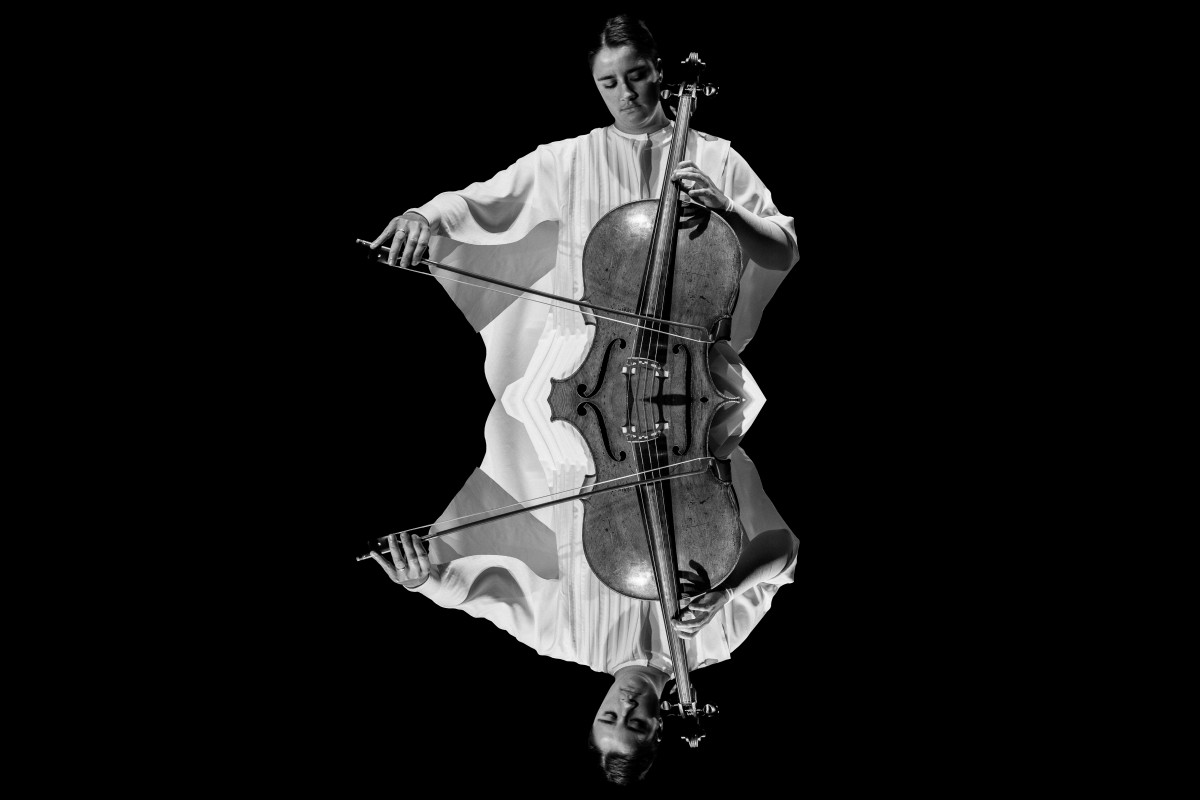
The other premiere was Aya Yoshida’s Song of the Voice – a non-vocal echo of the Faroese song tradition for cello and ensemble in which, at one point, you hear a chain-dance ratcheting round. The work is not without some imagination and effectiveness, but it was made to sound incoherent and unfocused by what surrounded it here. 

in brieflive
29.10

What Do the Mad Want With an Opera House?

OperaHole: »screen (mad scenes)«
© PR
© PR

Denmark is lacking opera houses, a recent call in Politiken declared. And indeed: with only a single major, rather conservative opera house, we don’t quite make our mark on the grand stage. On the other hand, we can boast a flourishing opera life on the stages outside the established institutions. And with the Copenhagen music collective OperaHole, a new player has now entered the field.

Last week, the two singers and artistic directors Litha Ashforth and Daniel Rosenberg, both raised in the United States, presented OperaHole’s first production: a kind of surprise egg consisting of Rosenberg’s own character study recursion for two actors, the mad scene from Donizetti’s Lucia di Lammermoor, and Peter Maxwell Davies’ 8 Songs for a Mad King – all three performed in one continuous flow in a white commercial film studio.

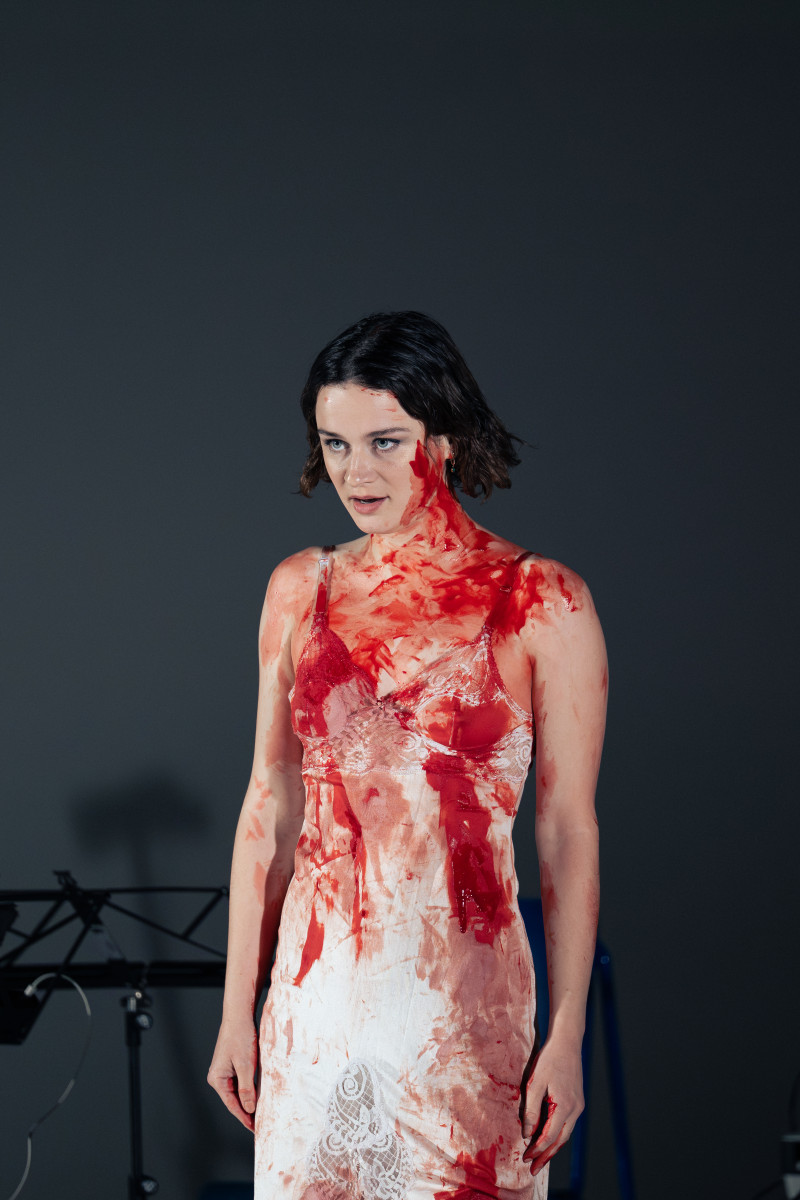
What was interesting, of course, was the juxtaposition of a short play, a classical scene, and one of the most abrasive monodramas of the last 60 years. The thematic common denominator was madness: Rosenberg, a so-called spieltenor with a wide range and comic talent, first skewered devilish variations of latte-drinking Copenhageners in his play, before coloratura soprano Ashforth slipped in wearing a white chemise soaked in blood and sang Donizetti with nimble desperation and a soft sweetness, accompanied by flute and piano.

Finally came the monodrama with Rosenberg as the mad king, staged as a social-media workshop in which the performance was commented on in a livestream (LeaHan1997: »Not this again«!) and screenshots were pasted together into memes in real time. It was spirited – musically as well – but insular, and the work itself disappeared in the process.

Once the collective’s youthful enthusiasm for new media has settled, OperaHole nevertheless looks like a strong contender to carry on our tradition of playful underground opera.

English translation: Andreo Michaelo Mielczarek

in briefrelease
24.10

JASSS Tears the Cellophane Off Electronic Music

JASSS: »Eager Buyers«
© PR
© PR

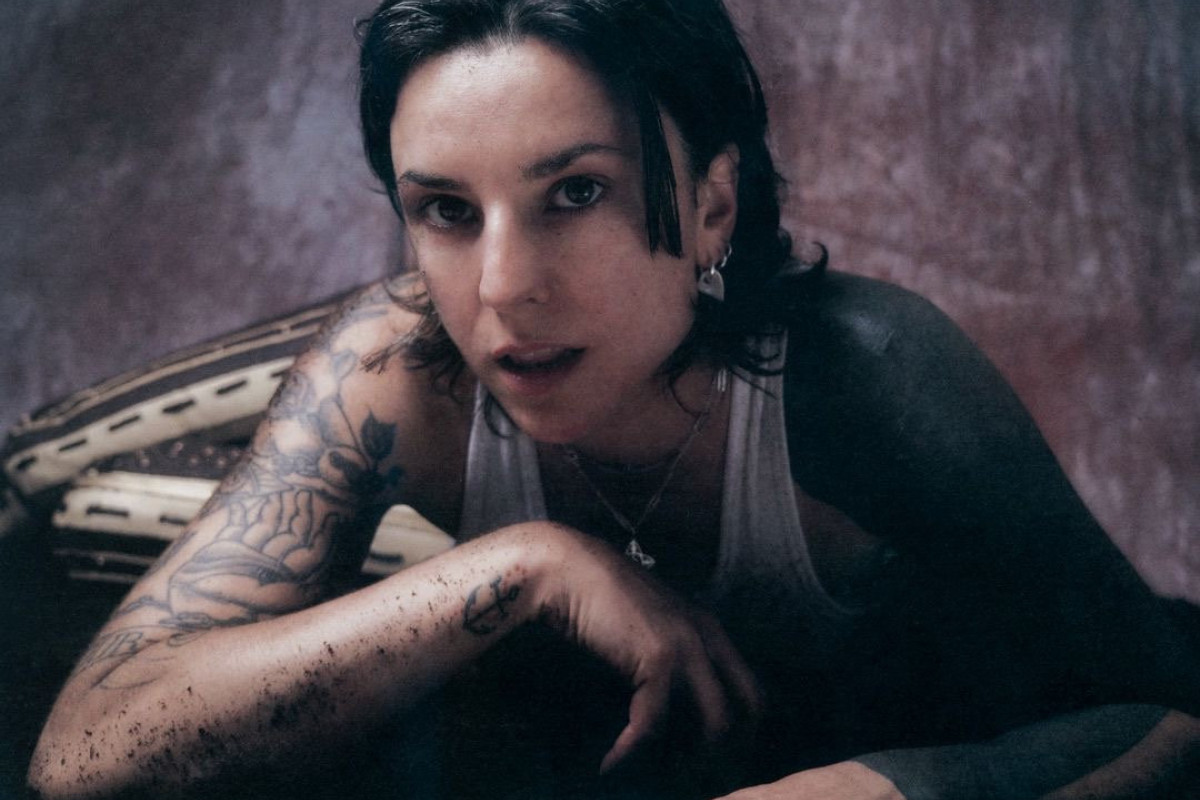
The sound of Eager Buyers is as intense as crackling cellophane – and just as revealing. It’s as if all musical labels have been stripped away, leaving behind a raw, unfiltered sonic world where genres dissolve and everything becomes possible. The Berlin-based Spanish producer JASSS forges her sound in a punkish alloy of electronic music, industrial, EDM, and rock-inspired guitar riffs.

Her third album is a rebellion against conformity and expectation. To label JASSS is nearly impossible – unless the label is cool. In the complex rhythmic compositions, where traces of bitcrush are balanced by melancholic harmonies and subtle hints of medieval-core on the track »Sand Wrists«, we enter a universe that is at once nostalgic and adventurous – and at the same time simmering with the energy of Berlin’s nightlife.

Eager Buyers is magnetic – even for listeners who don’t normally inhabit the electronic realm. The album carries a clear narrative, driven by a dark, almost theatrical energy. JASSS turns toward a world she perceives as »malnourishing« – as she phrases it through song titles like »Hollow« and »The Mob Expects Malnutrition«. Yet the melodrama has a tinge of irony: there’s something disarmingly sarcastic about it all, as if Eager Buyers is ultimately about the disillusioned modern human.

JASSS rattles the cellophane of the musical packaging we usually call genres, reminding us that music, too, is a product to be sold and bought. Eager Buyers is an album that refuses to be wrapped up – and precisely for that reason, it’s worth buying.

English translation: Andreo Michaelo Mielczarek