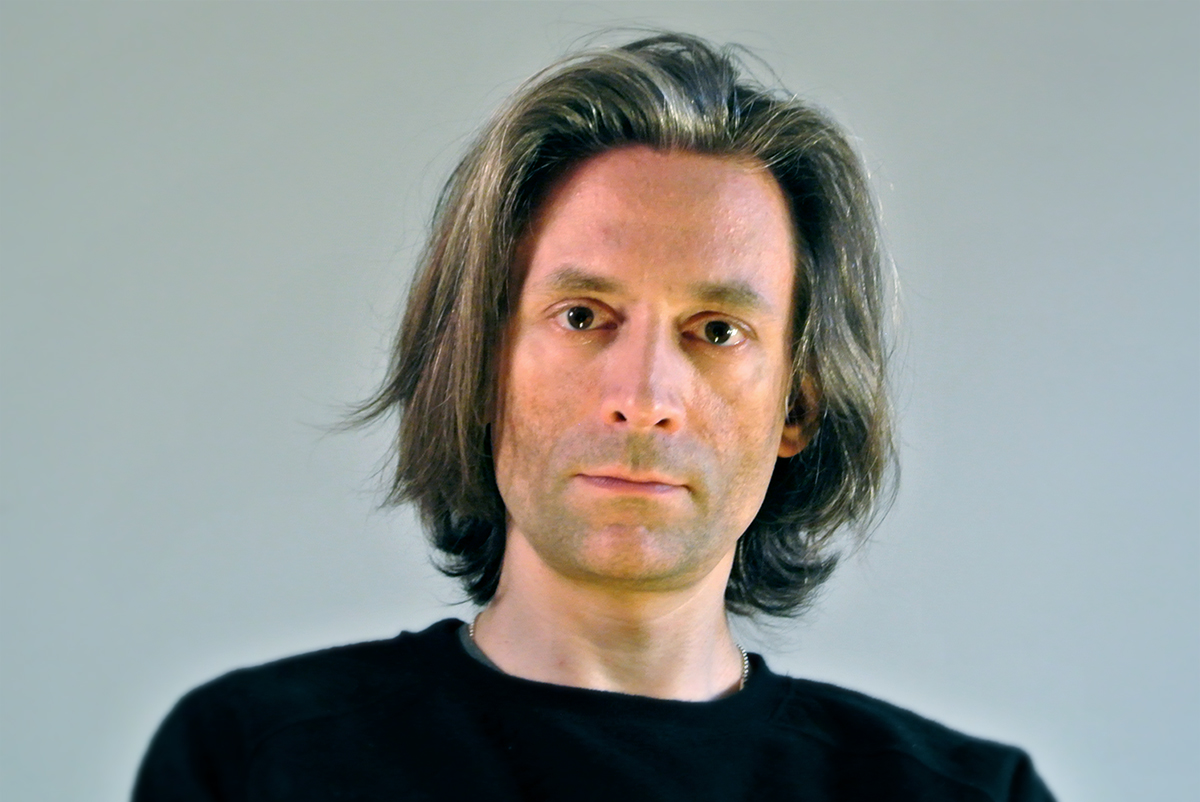
I en serie af mini-interviews spørger Seismograf/DMT forskellige aktører på musik- og lydkunstscenen til aktuelle anbefalinger af værker eller events. Se her denne anderledes og personlige værkanbefaling fra den ene af initiativtagerne til LYT TIL KBH og manden bag kunstnernavnet Krishve, Kristian Hverring.

1) Hvilket værk vil du gerne anbefale til andre?
Jeg bliver nok nødt til at vælge en drøm, jeg havde for noget tid siden. En koncert i et gammelt nedlagt biografkompleks i Bruxelles. På scenen var medlemmer af The Residents, Coil, Slayer, Velvet Underground, Guns N’ Roses og Einstürzende Neubauten. Cash, Bowie og Derbyshire gjorde også et eller andet. Arvo Pärt kom ind på scenen, men gik ud igen med det samme. Så Ligeti og Lemmy i baren. Over scenen svævede en sky af helikopterkatte. Lee Hazlewood, Scott Walker, Laurie Anderson og Ronettes sang kor. David Lynch dirigerede. Hans bidrag bestod i forundrede smil og flagrende håndbevægelser i retning af John Cage, der ved et komfur strøg en fjer mod en kogende kedel. Lars von Trier lavede lyd. Sublimt dårligt. Med vilje. Inger Christensen skammede sig bare. På alles vegne. Musikken var en kakofoni af knækket selvværd i HD. Uimodsigelig som en naturkraft, asiatisk i sin vælde, grum som et K-hole. Jeg vågnede med en underlig tilfredsstillelse i kroppen. 

2) Hvorfor er dette værk særligt?
Det er vigtigt at drømme. Og sove, hvis man kan. Det er godt for hørelsen. 

3) Hvad arbejder du selv med lige nu?
“1 + 1 = 3 [30 sekunder]” er en serie af improviserede 30 sekunders duetter med skiftende samarbejdspartnere. Det har stået på siden 2009 og viser ingen tegn på at gå væk. Kan opleves på film eller live. Er samtidig ved at tyde konturerne af to nye udgivelser. Den ene bliver en kortere ting, den anden længere, og på vinyl. Jeg glæder mig meget til at møde dem begge. Man kan se med på min hjemmeside www.krishve.com.

LYT TIL KBH er et samarbejde jeg har med arkitekten Jakob Oredsson. LYT TIL KBH bor på hjemmesiden www.lyttilkbh.dk og kan antydes med disse korte instrukser: 
 - Gå ud i byen
 - Placer dine hænder bag ørerne
 - Lyt til byens lyde

På hjemmesiden finder man en mere uddybende beskrivelse af intentionerne bag, samt binaurale optagelser fra forskellige steder i København. Vi arbejder i øjeblikket på næste trin. LYT TIL KBH er kun lige begyndt at vise sig, og vi planlægger en lang rejse.

Læs mere om Seismografs omtale af projektet.

Jeg er også involveret i et par nye projekter med Hotel Pro Forma, som jeg efterhånden har samarbejdet med i tre år. Derudover arbejder jeg på lydsiden til en udstilling på Nordatlantens Brygge til efteråret. Det lover godt for drømmene, men varsler ilde for søvnen.


© Niklas Ottander

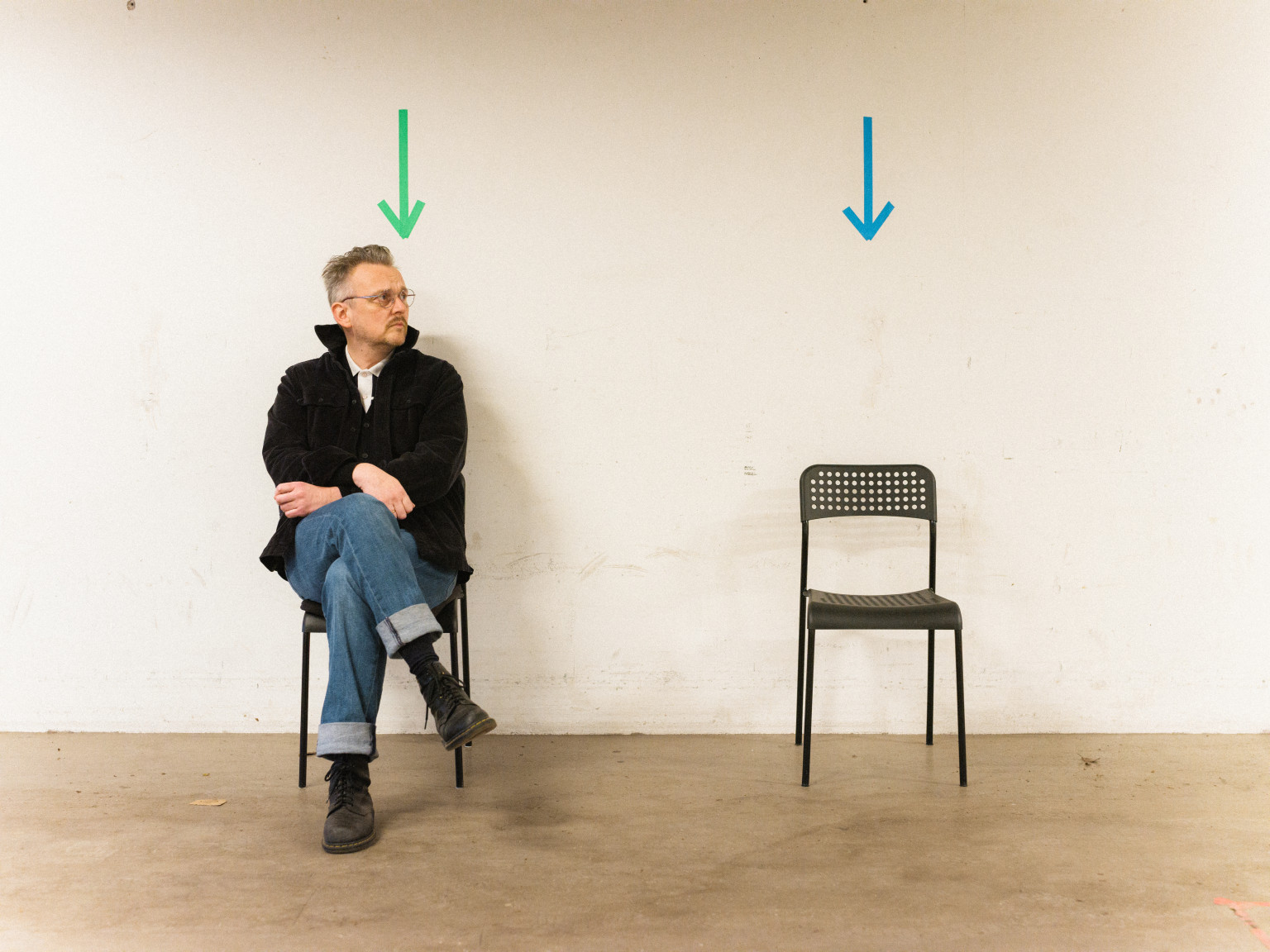
»Music is a deep, but not serious, spiritual practice, in which creator, collaborator, and consumer alike are their own personal pope.«

James Black (b. 1990) is a composer, performer, and artistic director of Klang Festival – Copenhagen Experimental Music. Originally from Bristol, England, they moved to Copenhagen in 2013. Black's works have attracted a large amount of attention both nationally and internationally for their signature combination of artistic courage and vulnerability, described by the Danish Arts Council as »a universe of real madness where everything goes«. Their work is a deep and personal exploration of topics such as religion, loss, and queer identity, that is unafraid to be stupid or serious in any direction.

© Christian Klintholm

»Music is just something for me.«

Christian Juncker is a Danish musician and songwriter who has released a number of Danish-language albums. He debuted in 1995 with the band Bloom. Together with his friend Jakob Groth Bastiansen, he formed the duo Juncker in 2002. He is also behind the Christmas carol »Luk julefreden ind« from 2024.

© Guy Wasserman

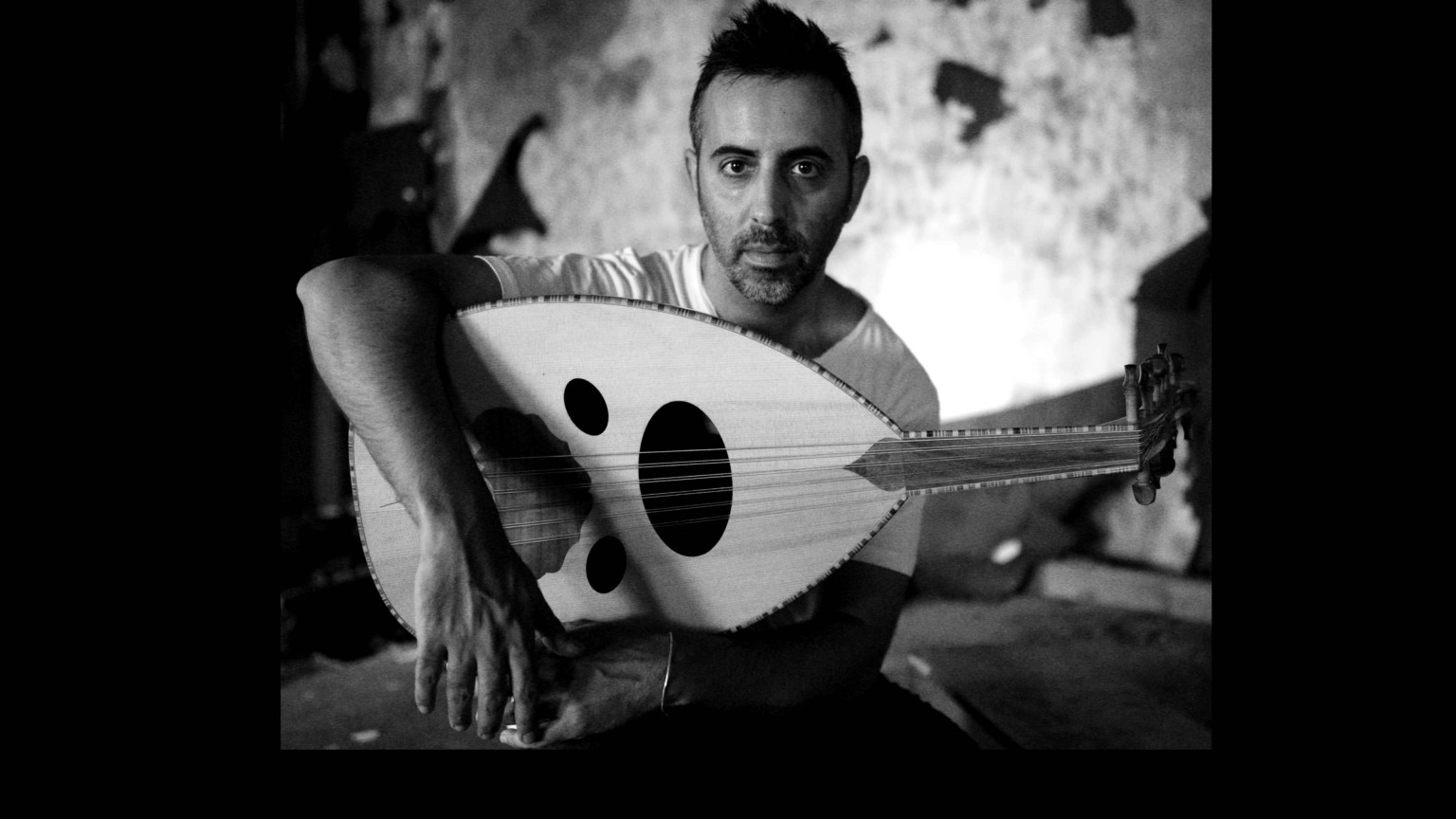
»Music, for me, reveals the emptiness of boundaries and definitions – in consciousness, in space, and in music itself.«

Idan Elmalem is an oud player and composer working across world and popular music, now presenting his debut instrumental EP and live performance project. Following years of collaboration within the Israeli music scene, he turns toward a more personal and intimate musical voice, blending traditional oud with a contemporary sensibility. Influenced by his studies with master Nissim Dakwar, Elmalem’s music explores the space between tradition and innovation. His debut EP, Time, features three live-recorded pieces that move between past, present, and future, combining classical Arabic and Persian elements with jazz, minimalism, and cinematic sound. Based in Tel Aviv, Elmalem draws on his Moroccan-Danish heritage in his work. He is a graduate of the Jerusalem Academy of Music and Dance and is currently pursuing a Master’s degree in Ethnomusicology at the University of Haifa, alongside his work as a player and composer.

© PR

On May 29, the Aalborg-based collective Datahaven9000 takes over the venue Skråen, transforming its main hall into a concentrated one-day festival of electronic music. The event is part of the concert series Bystanders #3, where the stage is handed over to local scenes rather than the venue’s in-house programming.

© PR
© PR

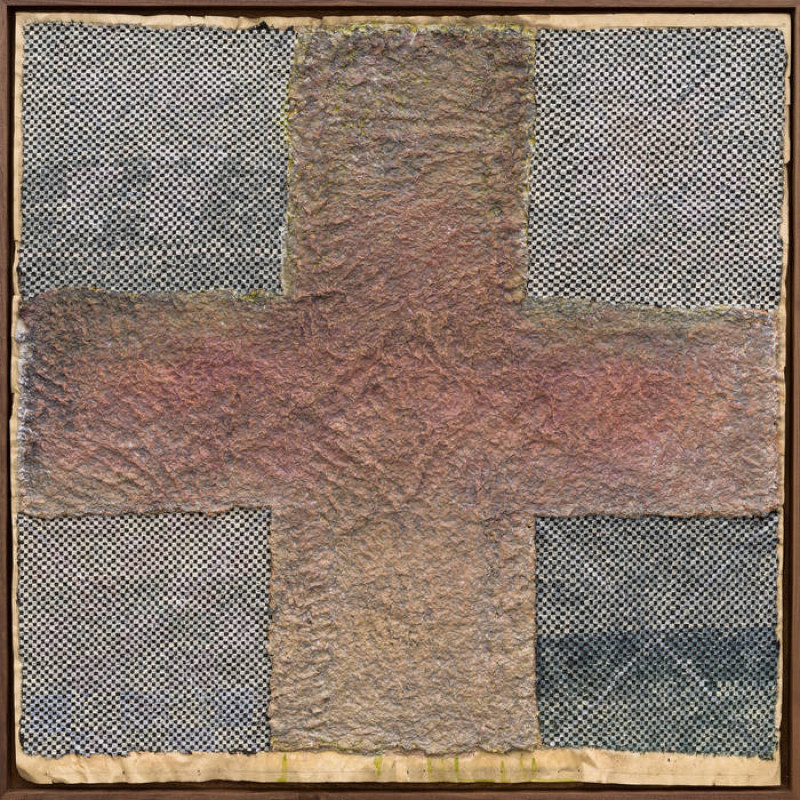
Two of contemporary music’s most uncompromising material thinkers meet on Music for Intersecting Planes: the American organist Kali Malone and the French cellist Leila Bordreuil. Malone works with oversaturated blocks of sound and sonic mass as a sustained pressure, while Bordreuil seeks friction – her cello a recalcitrant organism that creaks and resists.

What they share is an ascetic attention to the specificity of their instruments. The organ and the cello are pushed to their outer limits, where recognizability dissolves and overtones emerge like hidden entities.

The title pieces, »Intersecting Planes I» and »II«, unfold as undulating ruptures of sound: animalistic, almost elephantine cries that surge forward and recede again. Only rarely can the sound be identified as organ or cello. (»Pilots in the Night« comes closest to a familiar balance between the organ’s gravity and the cello’s resistance.) Otherwise, the music moves within a field between the metallic and the electronic, as if the sound originates neither from strings nor pipes.

It is not mass that is being explored here, but rather a kind of hollowness: an airiness that is not light, but permeated by an indeterminate resonance – something ancient, almost ceremonial. The album holds something far more porous and open than Malone and Bordreuil’s earlier works. The sound appears as a concave form, bending inward, like an absence of material. The sonic landscape carries its own dissolution within it as an inherent delay – as if the music exists, first and foremost, as the erosion of something one thought one heard.

English translation: Andreo Michaelo Mielczarek