Til de der ikke kender Bergen festspillene, hvordan vil du kort karakterisere dens særpræg i forhold til andre festivaler? 
Beyer: Festspillene er stor og med 232 produktioner i 2013 større end de fleste festivaler, som har fokus på musik, teater, dans med mere. Det interessante for mig ved at arbejde med denne festival er, at den både er bred og smal, båret af stolte traditioner og samtidig vildt eksperimenterende. En undersøgelse fra 2008 viser, at 86% af Norges befolkning kender Festspillene, og en undersøgelse fra 2010 viser, at 97% af befolkningen i Bergen/Hordaland kender festivalen. Arkivet for Festspillene i Bergen er netop blevet optaget i det nyoprettede og eksklusive register «Norges Dokumentarv». 

Vi taler med andre ord om en festival, som i nordmændenes egen selvforståelse har betydet noget for Norge som nation. Hele byen er i undtagelsestilstand i 15 dage, og du er nødt til at være her, hvis du vil opleve det nye fødes og det gamle tolket af verdens bedste udøvere. Med et generøst budget og en række fantastiske støttespillere, kan vi gennemføre omfattende og komplicerede projekter, som andre ikke har administrative og økonomiske muskler til at realisere. Hvis du f.eks. samler alle vores ny musikaktiviteter i år, vil du se, at der er tale om ikke så få produktioner, faktisk en hel festival i festivalen.

Hvad ser du frem til som festivalens højdepunkter? 
Beyer: Jeg synes, at alle vores produktioner er interessante. Mens jeg skriver disse linjer (tirsdag den 21. red.), lyder en flot musik fra Festpladsen, hvor Phase7 prøver på den spektakulære event i morgen aften, hvor nye electronica beats, 300 syngende børn og unge, lurspillere og 35 lysende helikoptere svæver over byen. Før dette har vi haft premiere i Grieghallen på operaen Marco Polo af Tan Dun, som bliver en billedstorm og vokal og musikalsk eksotisme og ekvilibrisme. Det nyskabende sker ikke mindst på teaterområdet, og der har vi bl.a. verdenspremiere på Coelacanth af Alan Lucien Øyen. Det er en fem timer lang forestilling, som på alle måder er stort tænkt. Listen er lang over produktioner, jeg gerne vil nævne, måske det er bedre at invitere læserne inden for på www.fib.no – så kan de selv gå på opdagelse i vores tre indgange til programmet: Fornøjelser, forbindelser og forstyrrelser.

Hvad er årets kunstneriske sats? 
Beyer: Festspillene har tradition for at satse på unge talenter. Det er på denne festival, at Leif Ove Andsnes, Vilde Frang, Christian Ihle Hadland har fået deres kunstneriske kickstart. Vi har en nordisk solistkonkurrence for unge talenter, og vi har fokus på talentudvikling i bredeste forstand. Bergen er en ung by, en tiendedel af befolkningen er studerende på universitetet. Det er vildt spændende at tænke nye projekter med dem. Fremtidens publikum vil vi gerne nå, derfor har vi et omfattende børn- og ungeprogram. Vi har et stort, loyalt kernepublikum, som forventer klassisk musik i verdensklasse, og dette publikumssegment skal vi ikke skuffe. Festivalen er såkaldt ”knudepunktsfestival”, dvs. vi skal være motor i hele regionen og gerne i hele landet i forhold til at dele ud af vores kompetencer og netværk, vi skal arbejde mangfoldigt, med publikumsudvikling og vise Bergen som ledende kulturby. Vi arbejder i festivalen med stor virkelyst og energi for at fastholde og udbygge denne position som ledende festival i Norden på musik- og teaterområdet.

Hvordan differentierer festivalen sig fra sidste års festspil? 
Beyer: Vi har gennemført en institutionel turn-around, og er flyttet til nye lokaler. Vi har en ny strategi, nyt visuel profil og grafisk design. Vi arbejder målrettet med nye former for markedsføring, inkludering og udnyttelse af ny teknologi. Når din ambition er at rebrande en så tung og betydningsfuld institution med 61 års historie, er du nødt til at tage nogle tydelige greb i forhold til form, indhold og formidling. Du kan ikke nøjes med at flytte en lille brik i et hjørne. Du skal ville chokere.

I hvilken retning ønsker du Bergen Festspillene bevæger sig i løbet af de næste fem år?  
Beyer: Den 61-årige dame skal blive endnu mere ungdommelig, farlig og uforudsigelig.

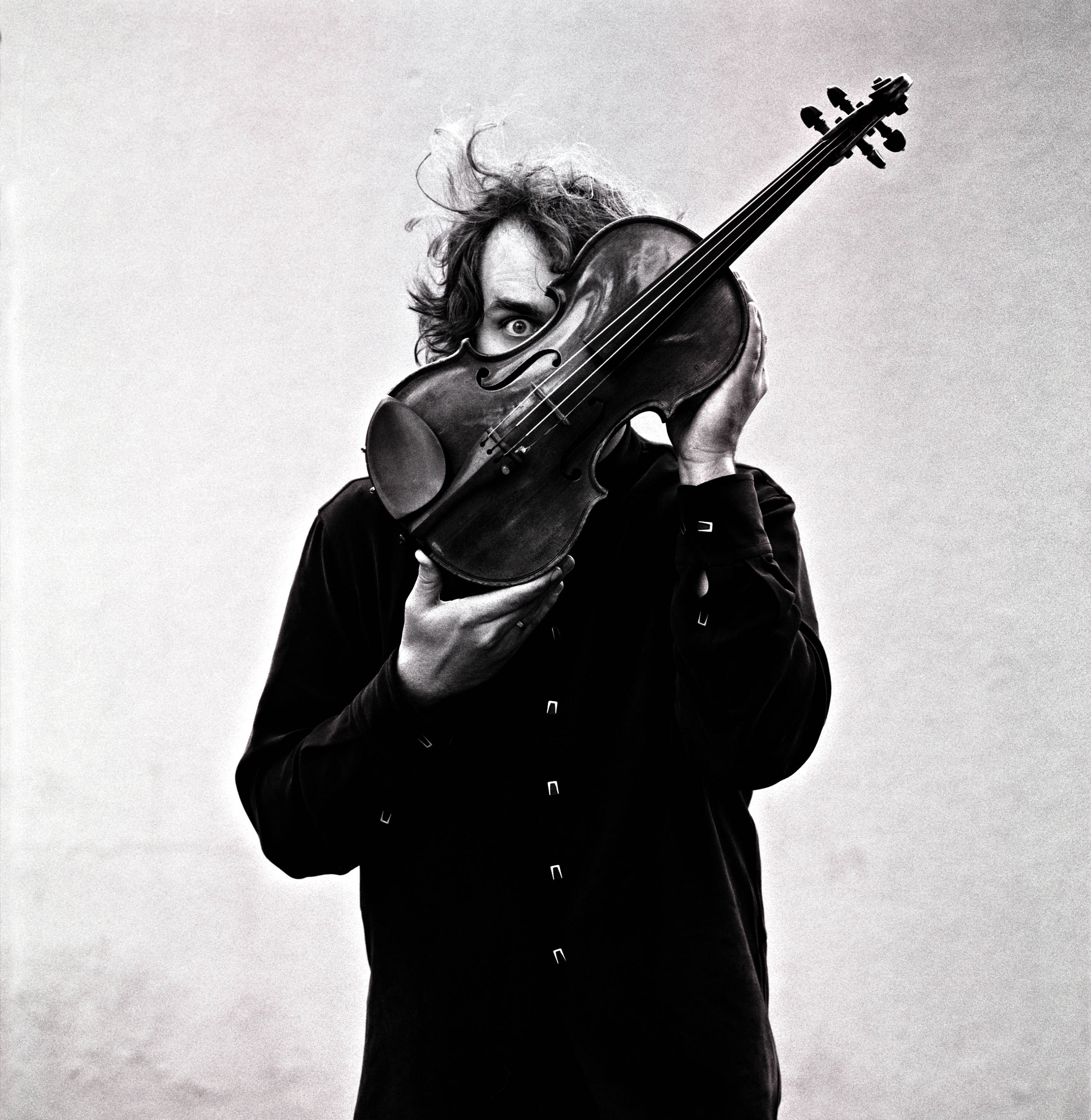
På billede er Annar Follesø, taget af fotografen: Dag Thorenfeldt

in briefrelease
16.12.2024

A Riddle I Am Not the Right One to Solve

Abdullah Miniawy: »Nigma Enigma«
© PR
© PR

I believe I am not the right person to grapple with all the existential questions of faith and culture that the multidisciplinary artist and political experimentalist Abdullah Miniawy grapples with on his latest album, Nigma Enigma. The record is equal parts Arabic chant, folk music, and sound art, based on modular synths and field recordings. The Egyptian composer uses the album’s eleven abstractions as the soundtrack to what he himself calls »an Arabic opera of doubt and faith«. But as a non-Arab, lifelong atheist, it is difficult for this reviewer to fully engage with the big questions Miniawy poses in his mother tongue, while samples of crackling fires and layers of filtering create an otherwise enigmatic atmosphere that resonates well with the album’s title. As the music also functions as the soundtrack to an immersive video game, we are taken even further from familiar territory, given that the reviewer has not touched such things since Quakein 1992.

If one sets aside the search for meaning and allows oneself to be colored by the music’s immediacy, what emerges is a strongly conceptual, sonically accomplished work, in which Miniawy’s voice – most often chanting Arabic phrases from old folk songs – is interwoven with electronic noise. In particular, the transition from the beautiful two-part chanting on »Jayhano Al Kawahi« – with strong religious undertones – to the deeply anarchic noise vignette »Half a Year II«, featuring filtered sine tones and pounding bursts of bass noise, serves as an apt characterization of a minimalist piece of sound art.

Yet without being able to share Miniawy’s cultural and spiritual context, the album feels like a riddle I cannot solve. Like drinking an Irish coffee without the whiskey: the real praise is withheld. Nigma Enigma will speak to those who can relate to the spiritual and philosophical questions Miniawy raises, while others may experience it as a musical journey without fully understanding its destination.

English translation: Andreo Michaelo Mielczarek

in brieflive
14.12.2024

The Dust Would Not Settle on the Organs

Organ Sound Art Festival: Mads Emil Dreyer, Gamut inc., Aron Dahl & Mija Milovic
© www.francoadams.com

These days, Organ Sound Art Festival is taking place in its familiar setting at KoncertKirken, and yesterday marked the festival’s second day. The concert opened with revivals of Mads Emil Dreyer’s Vidder 1 and 4, along with a newly composed interlude for pump organ, house organ, keys, and bass flute – all instruments amplified. In this way, Dreyer obscured the sources of the sounds and created a beautiful interplay between the acoustic, the amplified, and the played-back. Was it the flute or the organ I was hearing? And did the sound come from an instrument or a loudspeaker? The music bore the mark of drone music, with beautiful dissonances and a tonal development that occasionally peeked through. Enchanting and compelling.

In the next performance, the German duo Gamut inc. had fitted the church organ with two robots, allowing a computer to control the instrument. Unfortunately, I was left wondering whether the robots were properly calibrated, or whether the music had been composed for a church space with significantly more reverberation. In any case, it sounded »MIDI-dead« – a bit like a silly »piano roll« video of an obscure serial work.

The duo Aron Dahl & Mija Milovic concluded the evening with music whose tenderness and honesty might recall The xx – if the British indie rock group were playing on out-of-tune house organs. Still, the music became somewhat monotonous, and their setup appeared underutilized.

The slightly mixed experience of the evening’s program does not change the fact that Organ Sound Art Festival is an atmospheric and ambitious festival that dares to take chances when presenting us with new works for an instrument that many still associate with bygone days. This Copenhagen-based festival is anything but dusty.

in brieflive
08.12.2024

The Perfect Conception of Perfect Love

toaspern-moeller: »Liebe«
© Kirsten Nijhof
© Kirsten Nijhof

Liebe is a performance in which everythingcomes together in a higher unity in a way one only rarely encounters. Even the ripples in the stage carpet, created by the performers’ imprints, are tender and electric to behold. The music is sparse and austere, like modernized Renaissance vocal music, while the dance is rooted in the traditional and is just as restrained and measured.

The two performers, Alma Toaspern and Mathias Monrad Møller – who also serve respectively as choreographer and composer – sing and dance alone on stage, while excerpts from the French writer Annie Ernaux’s recollections of an all-consuming infatuation and the desire for »perfect love« are projected onto the backdrop.

If I were to describe Liebe in a single word, it would be contrapuntal – a strict way of writing music with particular attention to how melodies in polyphony affect one another. It is astonishing how this otherwise old idea has been revitalized so convincingly. The material is carefully selected and thoroughly worked through – the music, scenography, lighting, and costumes felt like both the softest surprise and the most natural inevitability.

Møller’s and Toaspern’s meticulous synchronization, with no support beyond each other, is equally astonishing. The duo’s rigorous compositional strategy and uncompromising choreography are more than mere tools in a toolbox. They are part of an investigation of the erotic and the amorous: to be subjected, examined, and desired. Liebe is one of those performances one feels grateful to have experienced.

Katarina Gryvul. © Sam Clarke

»For me music is meditative chaos.«

Katarina Gryvul is a Ukrainian composer, violinist, music producer, and founder of Gryvul School. She emphasizes timbre as the primary element of form in her compositions. positioned between classical and electronic scenes, she has developed a unique way of composing that melds classical contemporary approaches with modern music technology. Gryvul works in the field of ambisonics and multichannel composition, utilizing live electronics for instruments and voice alongside analog modular synths. At the heart of her artistic vision lies the concept of duality, a theme intricately woven into every facet of her musical expression.


© Klaudia Krupa

»I can’t say what music is but I can say what music does: it is an experience, it travels through all my bodily senses, it brings energy (not only power but also tranquilizing and soothing, even peaceful energy); above all, it revives the memory of frozen moments, not unlike the scent of perfume, and yet it remains in the moment, the 'now' – in a recording a 'now' conserved from the past which we can relive whenever we press 'play' – and thus my playlist is a selection of moments related to person or event that was important to me.« 

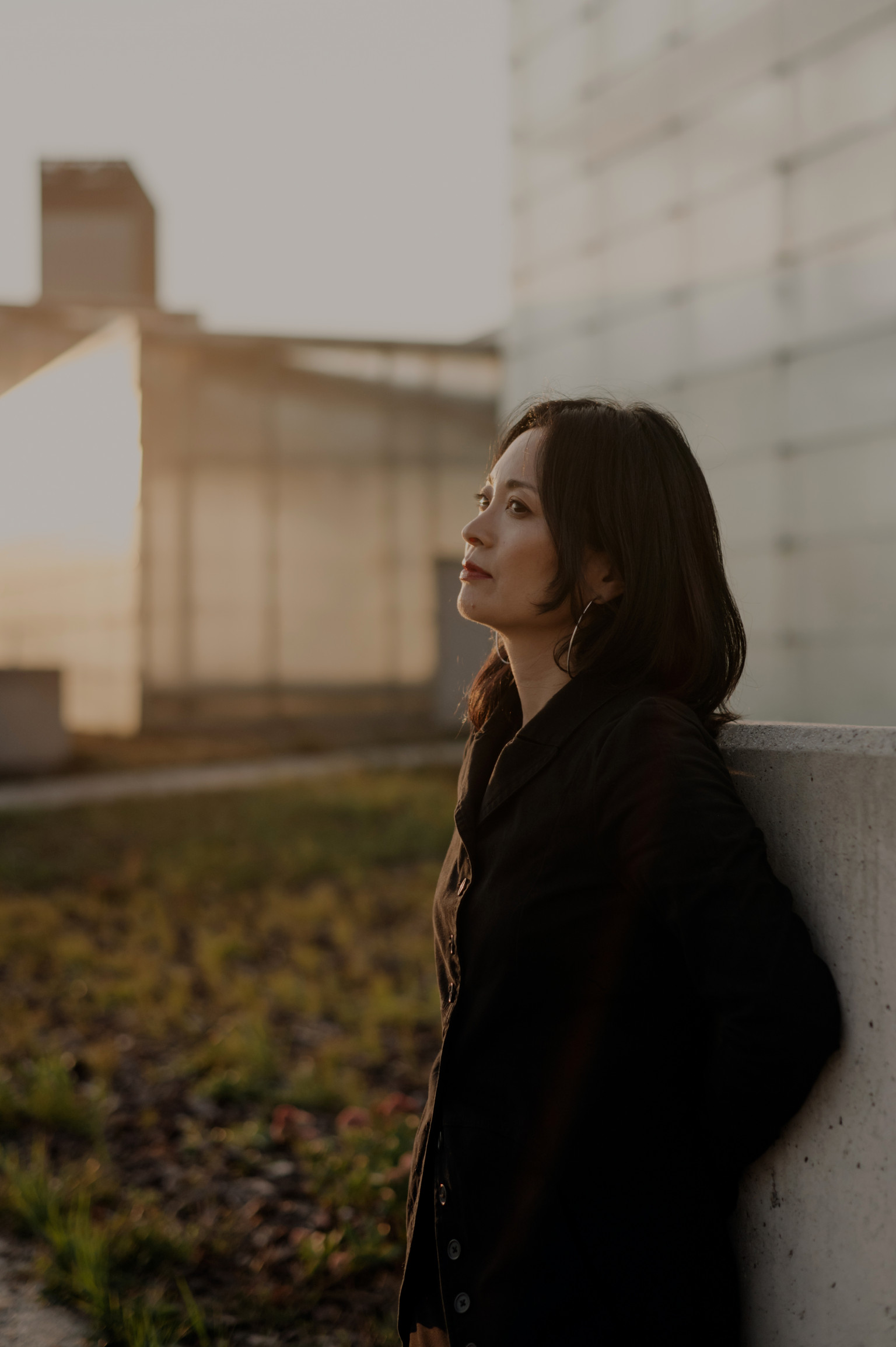
Rei Nakamura is a pianist specialized in contemporary music. Her career has a wide range as solo pianist, ensemble player, improviser as well as writer. Through her on-going project Movement to Sound, Sound to Movement for piano and multimedia, she has worked in close collaboration with  composers as Annesley Black, Malin Bång, Christian Winther Christensen and Simon Steen-Andersen. Her observations and theoretical approaches are expressed in published texts in Neue Zeitschrift für Musik thematizing parallels in music, art and performance. 2021 she published the book Movement to sound, sound to Movement – Interpreting Multimedia Piano Compositions by Wolke Edition. As a Soloist she has premiered piano concertos with orchestras such as the SWR Symphonieorchester, WDR Synfonieorchester, RSO Berlin, Polish Nation Radio Symphony Orchestra and RAI National Radio Symphony Orchestra with conductor as Brad Lubman, Robert Treviño, Yaroslav Shemet, Michael Wendeberg and Bas Wiegers. She performed in Warsaw Philharmonic (Warsaw) and Arturo Toscanini Hall (Turin) and music festivals such as Eclat Festival Stuttgart, Ultraschall Berlin, Festival Acht Brücken Colon, MITO Festival (Turin), Warsaw Autumn (Poland) , Sound of Stockholm (Sweden), Monday Evening Concerts (USA).  She was was born in Japan, grew up in Brazil and is based in Germany.