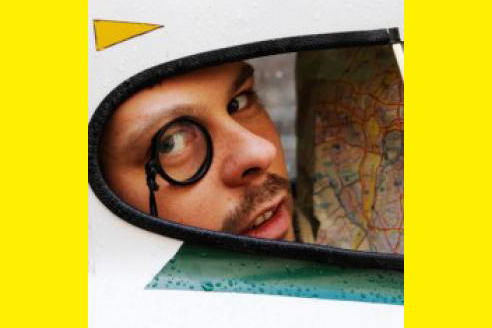
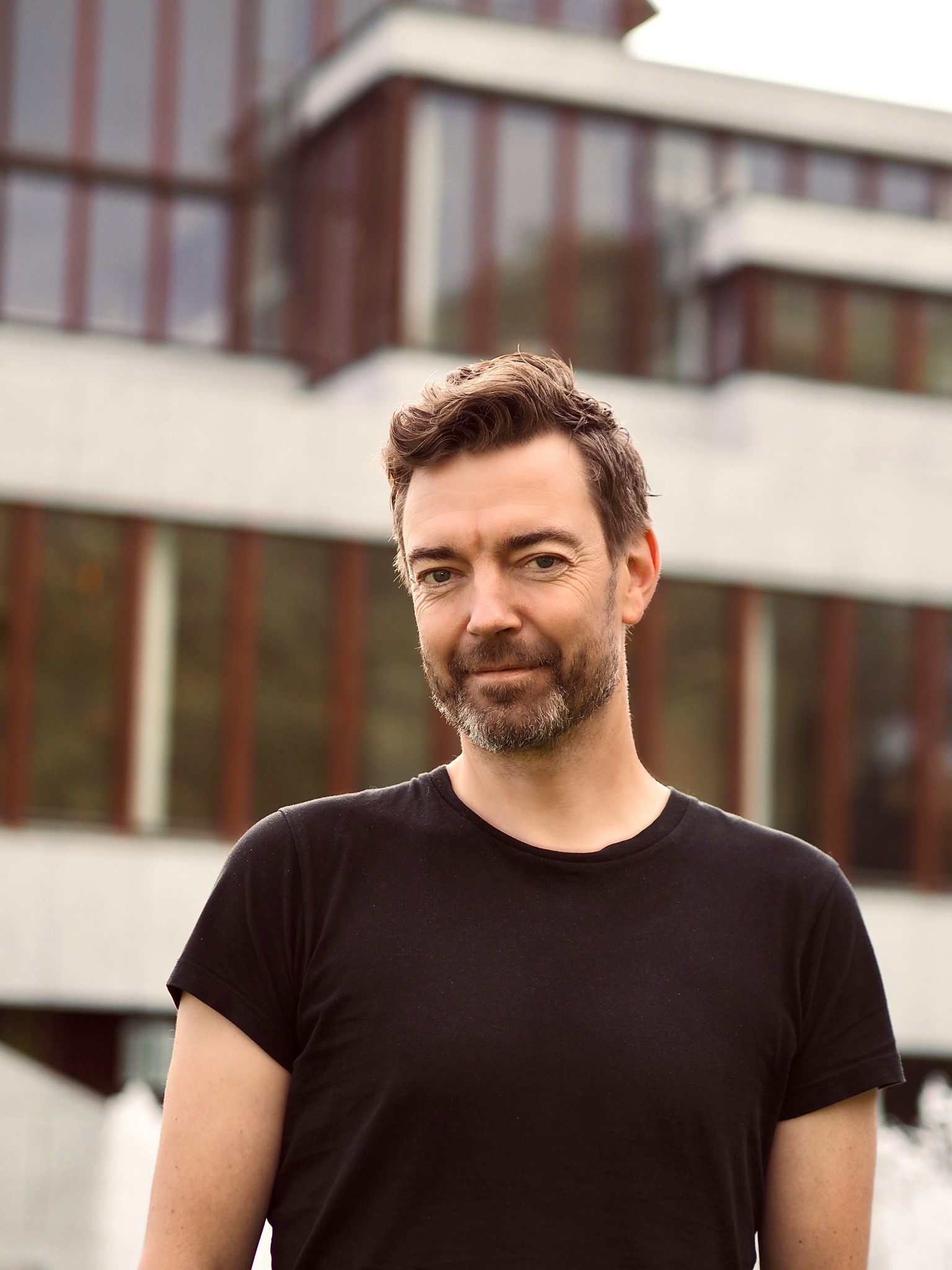
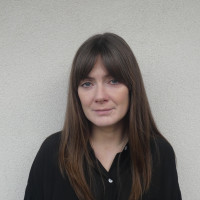
Goodiepal udstiller for tiden på Andersen’s Contemporary. Udstillingen tager udgangspunkt i hans nye bog El Camino Del Hardcore – Rejsen Til Nordens Indre og i dag spiller han på Blågårdens Bibliotek. Seismograf har mødt ham til et kort interview om musik, der ikke er der længere - om viden, der bare kopieres - og om hvordan kunst- og musikscenerne smelter sammen.

Du har udgivet en bog: El Camino Del Hardcore – Rejsen Til Nordens Indre. Hvad handler den om?

”Den handler om musik. Simpelthen.”

Hvordan?

”Den handler om alting - forstået på den måde, at jeg har jo skrevet alt hvad jeg ved i den bog. Så er der sikkert noget jeg ved, som jeg ikke har skrevet i bogen – og noget jeg ikke ved, som jeg også har skrevet i bogen. Den handler om hvad man kan gøre efter Radikal Computermusik – men den er jo skrevet mens jeg kørte rundt i store dele af verden på cykel, så det er også lidt en rejsebeskrivelse.

Der er skrevet utroligt meget musik ind i bogen, så man kunne godt kalde det samling nye værker. Men det, der er specielt ved de værker er, at mange af dem ikke længere er eksisterende. I bogen hører man hele tiden om værker, der af den ene eller den anden grund ikke længere findes – de er måske faldet sammen, eller forsvundet eller noget helt tredje. Det er fordi jeg mener, at de store komponister er døde. I dag er man nødt til at pakke sin musik ind på en anden måde, så derfor handler bogen også om at kryptere. Der er utrolig meget viden, der er krypteret i bogen.

Det hænger også sammen med at folk efterhånden bare citerer og citerer. Vi har Wikipedia som det bedste eksempel. Det er jo ikke svært at vide noget om kvantefysik, det kan man læse på Wikipedia – men det er svært at sige noget nyt om kvantefysik. For eksempel den der ’videnskunst’, der bliver lavet nu, den byder jo ikke på ny viden.”

Du har været væk et stykke tid og nu er du tilbage – hvorfor det?

”Jeg har altid kommet lidt tilbage - og jeg er heller ikke kommet mere tilbage end som så. Men nu har jeg jo en udstilling i Danmark på Andersen’s Contemporary. Bogen har sådan set været ude et stykke tid, men det kræver en udstilling i Danmark, før der er nogen der gider at forholde sig til, at jeg har lavet en bog. Faktisk har jeg været i Danmark ind imellem hele tiden. Jeg lå med et brækket ben i tre måneder i Danmark for et års tid siden.”

For mig at se har du i de senere år nærmet dig galleriscenen. Er det en mere interessant scene for dig end musikmiljøet?

”De hænger sammen. Det bliver sværere og sværere at skelne det ene fra det andet. Det er stadig musik det handler om. Jeg har beskæftiget med musik, der har været så højtravende, at den danske musikverden ikke gider at røre ved det. I rytmiske musikkredse har jeg nærmest været hadet – mens kunstkredsene har sagt: ”Nej, hvor spændende”. Så jeg er gået derhen hvor der har været interesse. På den måde er det jo virkelig rock’n’roll – jeg er bare taget derhen, hvor det næste gig har været. Men jeg kan da godt se på de folk der kom til udstillingsåbningen, at nu var det langt væk fra musikmiljøet. Nu var det kunstnerne og alle forfatterne – der var simpelthen ikke en komponist eller rytmisk musiker til stede. Og på den måde må jeg erkende, at mit popmusikertække er faldende.

Men der er sket en interessant udvikling over de sidste 15 år. For eksempel sidder der i dag rigtig mange på kunstakademierne, der arbejder med lyd, og i de seneste par år har der også været mange installatoriske ting på musikscenen. Så det er beskrivende for hvor det hele er ved at bevæge sig hen, og det er mere en tendens end det har noget med mig at gøre. Måske er to højttalere og konceptalbummets dage bare talte. Jeg synes langt de fleste musikere har referencer, der peger tilbage, og derfor peger på noget der i bund og grund er uopnåeligt. Og det er måske lidt svært for musikken at acceptere, at det er sådan. Men jeg er ikke den eneste, der beskæftiger sig med musik, som er røget over mod galleriscenen. Så i stedet for at tale om et personligt opgør, vil jeg hellere se det som en tendens. Der vil jo altid være en brydning de forskellige kunstarter imellem. Der er altid en ping-pong.”

I dag kl. 17 skal du så optræde på Blågårdens bibliotek – hvad kan vi forvente os af det?

”Jeg præsenterer bogen – og så spiller jeg nogle af de værker der ikke findes mere – som musik. Og så kan man vel låne bogen, nu man er på biblioteket.”


© Bjørn Giesenbauer
© Bjørn Giesenbauer

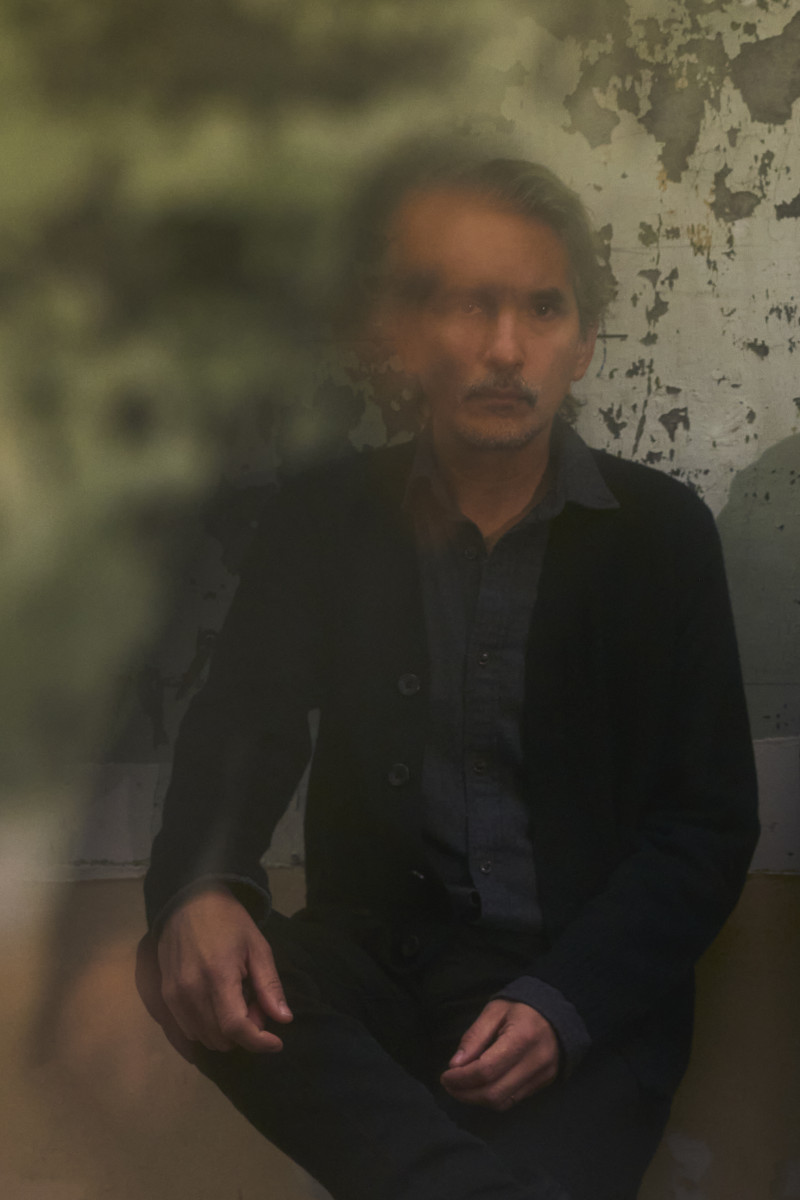
It is difficult to keep pace with Masami Akita. The 69-year-old Japanese noise artist, who since 1979 under the name Merzbow has helped shape the genre, released no fewer than a dozen albums in 2025 alone. On a rare mini-tour with stops in Helsinki, Stockholm and Aarhus, he showed that his energy remains intact. At Radar he gathered an audience that had travelled far to experience the godfather of noise – an artist who has consistently insisted on noise as a physical, almost tactile experience. Wearing a bucket hat, Akita constructed his trajectories with clear architectural precision. Layer upon layer of distortion and feedback took shape and struck like a brush of metal: hard, cutting, physical – uncompromising, yet at the same time remarkably nuanced.

Akita worked not only with electronics, but also with homemade metal instruments – first a banjo-shaped device, then a square musical saw – lending the sound a raw, tangible materiality. Everywhere, microscopic shifts in texture emerged, small fissures of tone within the massive pressure.

The opening set by frã (Francisco Moura) began the evening with a more fragile, yet persistent electronic texture, a precise counterpoint to Merzbow’s compact blocks of sound. Some might have wished for a gentler entry into the musical year 2026, but the concert underscored the ambitions Radar is currently pursuing.

English translation: Andreo Michaelo Mielczarek

in brieflive
14.01

The Excess of Attention

Aar & Dag: »A MAJOR CELEBRATION«
© Emilia Jasmin
© Emilia Jasmin

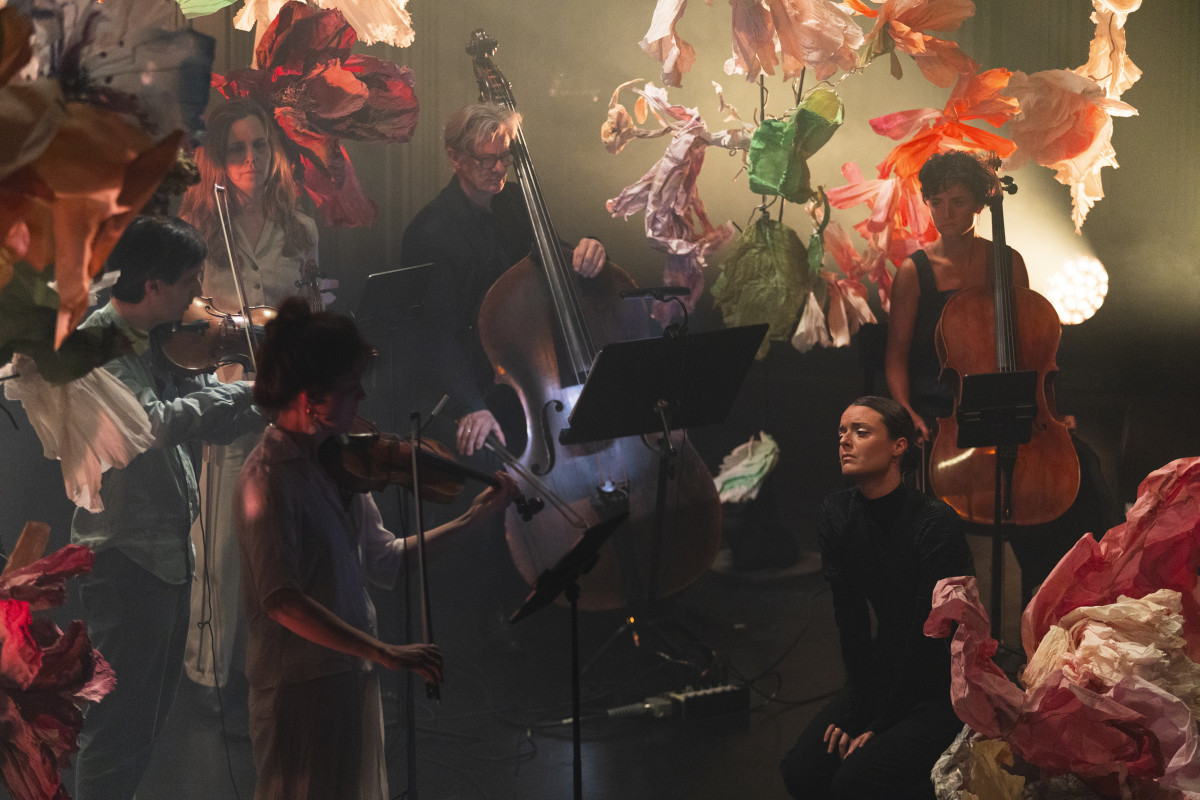
A steady stream of musicians enters the Xenon stage on Wednesday night at Vinterjazz. No fewer than 33 musicians take part in the mosaic of instruments assembled by the label Aar & Dag to celebrate the release of their cassette A MAJOR CELEBRATION. A release consisting of no less than three concerts, performed according to special composition cards, then mixed on top of one another and now issued on cassette. A major release calls for a major celebration, and rarely have I seen a more ambitious and idiosyncratic release concert.

The concert unfolded at a calm, unhurried pace – patient and attentive, the many musicians gave one another space to open up the broad soundscape. Double bass and electric bass, guitars, saxophones, synthesizers, percussion, cassette tapes, piano, and cello are just a selection of the orchestra’s many voices. Like a kaleidoscope, the ensemble shifted again and again, drifting between crooked, meandering passages and bubbling harmonies that only just brushed against a peculiar sense of tempo.

The word »soundscape« truly comes into its own in this context. For much like Hieronymus Bosch’s surreal monumental paintings or Sven Nordqvist’s Pettson and Findus illustrations, the concert – with its many people on stage – was filled with an impressive level of detail and a multitude of small scenes unfolding across one another. Each time my attention settled on a particular point in the music, I missed a new development elsewhere in the orchestra. An excess of attention, and a fine demonstration of a boundary-disrupting musical expression that one can only hope to encounter more of.

in brieflive
14.01

All Life Has the Right to Live

Lara Tacke, Alexandra Moltke Johansen, Kirstine Fogh Vindelev, Katinka Fogh Vindelev, Freya Sif Hestnes: »Animal«
© PR
© PR

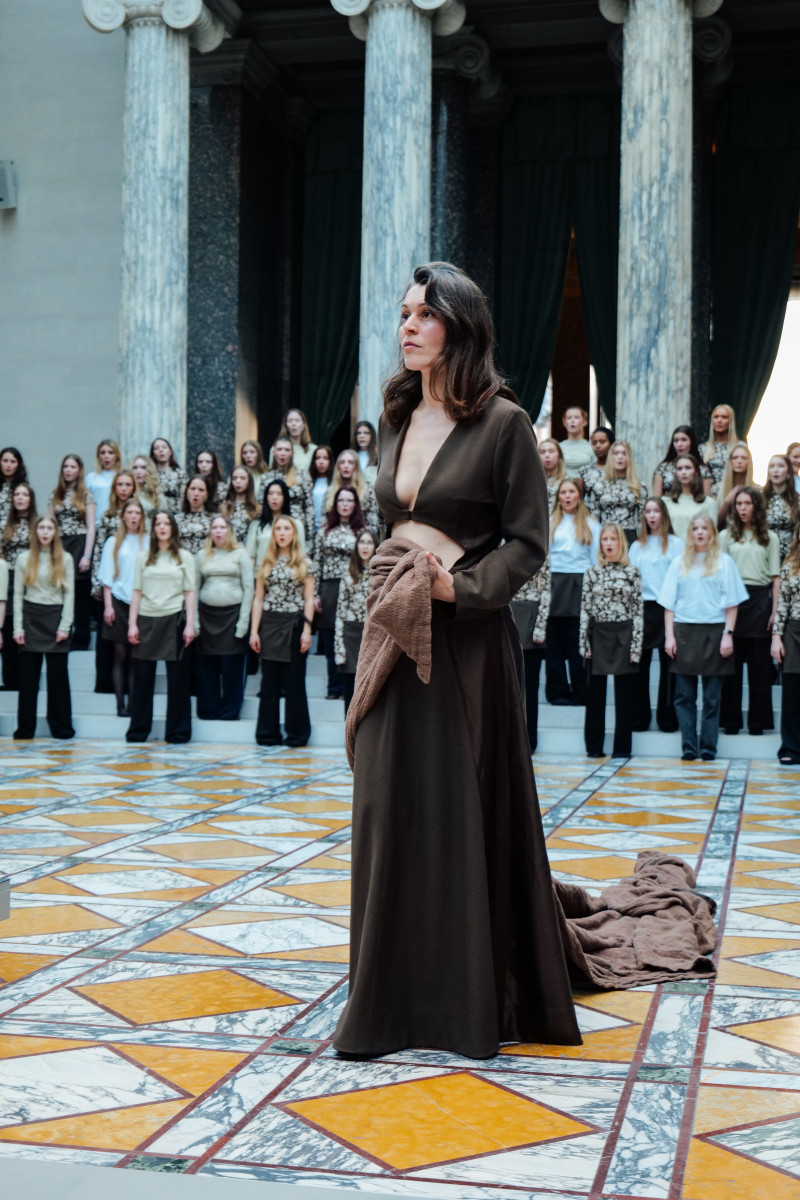
It is this violent and feral line of text that hangs like a monolith in the austere stage space at Sort/Hvid after 80 minutes of a furious, raging monologue in the performance Animal. Actress Signe Egholm Olsen is left standing like an animalistic goddess who has carried out her own ritual of purification. A ritual about motherhood and about morality for animals and humans alike – flanked by the three wordless classical singers Katinka Fogh Vindelev, Nina Smidth-Brewer, and Hávard Magnussen, who function as a chorus in a Greek tragedy. They illustrate and stage the text through precise sonorities.

Animal is based on Alexandra Moltke Johansen’s debut novel from 2022 of the same name and overflows with meaning, hurled into the audience’s face from beginning to end. Worries, anxiety, angry activism, grief, and doubt – tied to being pregnant and becoming a mother to a »useless« child with Down syndrome in a world marked by climate catastrophes, war, inhumane political cynicism, and greed. All of this flows from the mother’s inner dialogue as a long moral reckoning and outpouring, unfolding in a scenic tour de force – from the clinically clean and artificial atmosphere of a wellness spa to a material chaos of soil, branches, and sweat.

Kirstine Fogh Vindelev has composed a soundscape that makes it possible for us to breathe at all. Discreet choral tones, small electronic passages, a touch of barbershop, screams, and a pop song are wedged in between the words. It is simple and straightforward. The music is allowed to comment and converse like a shadow presence alongside the many words, but at no point is it allowed to become the protagonist or truly carve out its own space within the performance. One could easily wish for another form of sensory reflection than that which words and speech alone can provide.

© Vikingeskibsmuseet i Roskilde

Sound artist Jacob Kirkegaard records sounds to connect with the world – to endure what is happening. This time, it's a commissioned work for the Museum of Copenhagen, created to accompany the exhibition of an excavated shipwreck from the harbor. The result is Naufragium (Latin for shipwreck) – gently lapping, quiveringly simple, and almost self-effacingly discreet. And in this way, everything aligns: the story of life in the harbor during the late Middle Ages is only known through rare, major events, while the bustling everyday life, connecting it to the larger world, has drowned in anonymous oblivion.

The shipwreck itself is barely recognizable. A series of ship planks – up to 14 meters in length – suspended on mirrors and supplemented by 11 crossbeams. That’s it. The light in the museum’s narrow room is dimmed, and the windows are covered with film. We are submerged into the depths of the water.

The sound loop lasts 39 minutes if one wishes to listen to it in full. Small sounds are distributed across seven speakers – four in the ceiling, three beneath the wreck. Carefully placed, the gentle lapping, dripping inserts, a trembling rustling like a nerve pathway above, and muffled sounds of wood shifting in water are heard. A kind of foghorn also makes an appearance. All of it is subtly arranged as a soundscape for a silent protagonist, staged through sound. There were likely very few storms, cannons, or other forms of grand drama in the ship’s perhaps 300 years as a cargo vessel in the Copenhagen Harbor before it sank in the 18th century. But if one looks closely – and opens their ears – it bears tangible and truthful witness to the kind of history most of us inherit: the ordinary one.

in briefrelease
14.01

Echoes from a Forgotten Time

Raed Yassin: »Phantom Orchestra«
© PR
© PR

The abstract, collage-like »Movements« on Lebanese artist Raed Yassin's Phantom Orchestra are yet another piece of contemporary art born out of the COVID-19 crisis. Like a distant echo from a time most have already repressed, the experimental artist has assembled a series of recordings performed by a motley group of Berlin musicians – all united by a single premise: improvisation.

Over nearly an hour, Yassin weaves these recordings into seven progressive suites, ranging from approximately nine to twenty minutes. And while the sonic chaos at times reaches such heights that one struggles to find a common auditory anchor, the result is a creatively stimulating listening experience, as hand-played percussion, Baltic folk singing, and the Japanese koto (harp) seamlessly merge – despite the musicians never having been in the same room together.

At its core lies an immensely inspiring concept, one that draws equally from sampling aesthetics and contemporary art. This is particularly evident considering that the pieces were reportedly created using no fewer than twelve turntables, introducing an element of chance. One can only assume that this required a remarkable degree of planning – which makes it all the more astonishing when, for instance, the interplay between modular synths and drums on »Movement III« unfolds, or when the almost horror-like contrast between happy jazz trumpet, frantic vocals, and demonically prepared piano emerges on »Movement IV«.

At times, the idea behind the work is more fascinating than the sound itself, but all in all, Phantom Orchestra is a dazzling, slightly mad experiment, driven by a will to create harmony in chaos. A final echo of the pandemic – of standing together while apart.

English translation: Andreo Michaelo Mielczarek