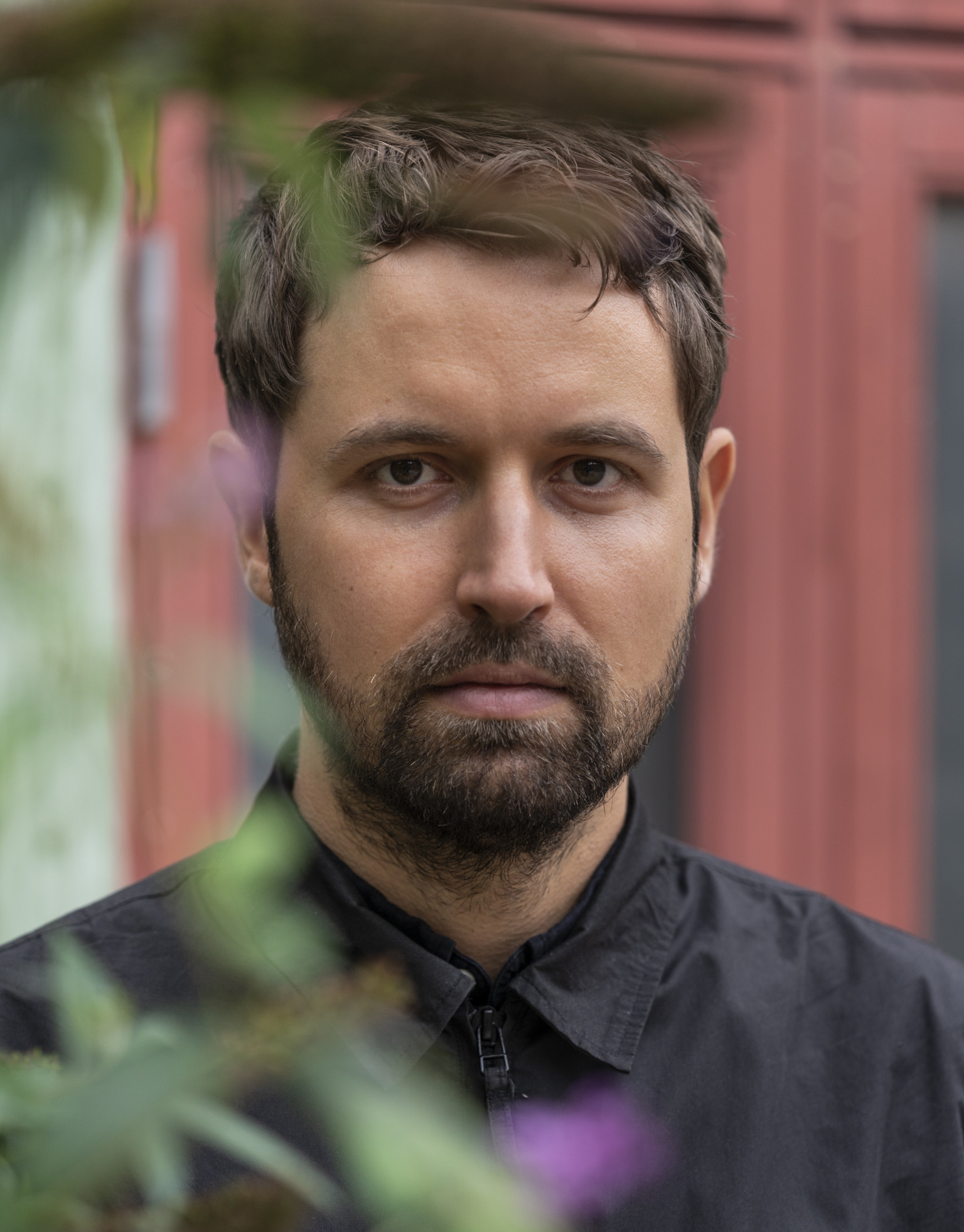
Mads Emil Dreyer
»Music to me is – having spent a lot of time listening, composing, and thinking about it – still, essentially, a mystery.«
Mads Emil Dreyer is a Danish composer working within the field of electroacoustic music.









Goodiepal udstiller for tiden på Andersen’s Contemporary. Udstillingen tager udgangspunkt i hans nye bog El Camino Del Hardcore – Rejsen Til Nordens Indre og i dag spiller han på Blågårdens Bibliotek. Seismograf har mødt ham til et kort interview om musik, der ikke er der længere - om viden, der bare kopieres - og om hvordan kunst- og musikscenerne smelter sammen.
Du har udgivet en bog: El Camino Del Hardcore – Rejsen Til Nordens Indre. Hvad handler den om?
”Den handler om musik. Simpelthen.”
Hvordan?
”Den handler om alting - forstået på den måde, at jeg har jo skrevet alt hvad jeg ved i den bog. Så er der sikkert noget jeg ved, som jeg ikke har skrevet i bogen – og noget jeg ikke ved, som jeg også har skrevet i bogen. Den handler om hvad man kan gøre efter Radikal Computermusik – men den er jo skrevet mens jeg kørte rundt i store dele af verden på cykel, så det er også lidt en rejsebeskrivelse.
Der er skrevet utroligt meget musik ind i bogen, så man kunne godt kalde det samling nye værker. Men det, der er specielt ved de værker er, at mange af dem ikke længere er eksisterende. I bogen hører man hele tiden om værker, der af den ene eller den anden grund ikke længere findes – de er måske faldet sammen, eller forsvundet eller noget helt tredje. Det er fordi jeg mener, at de store komponister er døde. I dag er man nødt til at pakke sin musik ind på en anden måde, så derfor handler bogen også om at kryptere. Der er utrolig meget viden, der er krypteret i bogen.
Det hænger også sammen med at folk efterhånden bare citerer og citerer. Vi har Wikipedia som det bedste eksempel. Det er jo ikke svært at vide noget om kvantefysik, det kan man læse på Wikipedia – men det er svært at sige noget nyt om kvantefysik. For eksempel den der ’videnskunst’, der bliver lavet nu, den byder jo ikke på ny viden.”
Du har været væk et stykke tid og nu er du tilbage – hvorfor det?
”Jeg har altid kommet lidt tilbage - og jeg er heller ikke kommet mere tilbage end som så. Men nu har jeg jo en udstilling i Danmark på Andersen’s Contemporary. Bogen har sådan set været ude et stykke tid, men det kræver en udstilling i Danmark, før der er nogen der gider at forholde sig til, at jeg har lavet en bog. Faktisk har jeg været i Danmark ind imellem hele tiden. Jeg lå med et brækket ben i tre måneder i Danmark for et års tid siden.”
For mig at se har du i de senere år nærmet dig galleriscenen. Er det en mere interessant scene for dig end musikmiljøet?
”De hænger sammen. Det bliver sværere og sværere at skelne det ene fra det andet. Det er stadig musik det handler om. Jeg har beskæftiget med musik, der har været så højtravende, at den danske musikverden ikke gider at røre ved det. I rytmiske musikkredse har jeg nærmest været hadet – mens kunstkredsene har sagt: ”Nej, hvor spændende”. Så jeg er gået derhen hvor der har været interesse. På den måde er det jo virkelig rock’n’roll – jeg er bare taget derhen, hvor det næste gig har været. Men jeg kan da godt se på de folk der kom til udstillingsåbningen, at nu var det langt væk fra musikmiljøet. Nu var det kunstnerne og alle forfatterne – der var simpelthen ikke en komponist eller rytmisk musiker til stede. Og på den måde må jeg erkende, at mit popmusikertække er faldende.
Men der er sket en interessant udvikling over de sidste 15 år. For eksempel sidder der i dag rigtig mange på kunstakademierne, der arbejder med lyd, og i de seneste par år har der også været mange installatoriske ting på musikscenen. Så det er beskrivende for hvor det hele er ved at bevæge sig hen, og det er mere en tendens end det har noget med mig at gøre. Måske er to højttalere og konceptalbummets dage bare talte. Jeg synes langt de fleste musikere har referencer, der peger tilbage, og derfor peger på noget der i bund og grund er uopnåeligt. Og det er måske lidt svært for musikken at acceptere, at det er sådan. Men jeg er ikke den eneste, der beskæftiger sig med musik, som er røget over mod galleriscenen. Så i stedet for at tale om et personligt opgør, vil jeg hellere se det som en tendens. Der vil jo altid være en brydning de forskellige kunstarter imellem. Der er altid en ping-pong.”
I dag kl. 17 skal du så optræde på Blågårdens bibliotek – hvad kan vi forvente os af det?
”Jeg præsenterer bogen – og så spiller jeg nogle af de værker der ikke findes mere – som musik. Og så kan man vel låne bogen, nu man er på biblioteket.”
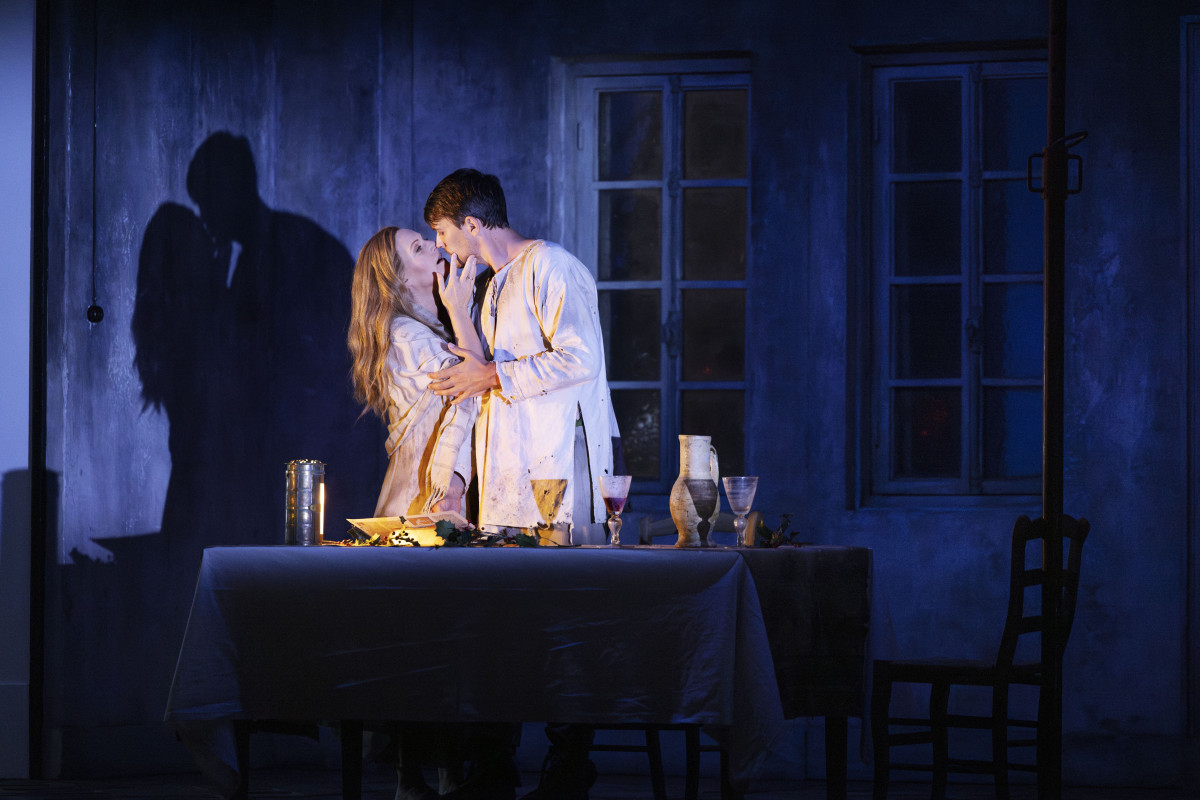
The first time I heard the title of this opera, I was reminded of Franz Kafka’s grotesque short story In the Penal Colony (1914–19), in which a prisoner is sentenced to have his punishment – a moral admonition – engraved into his skin, after which he is meant to feel what it says. In Written on Skin, which premiered in 2012 and has quickly become something of a modern classic in opera houses around the world, the writing on the skin is instead the caress of a young illustrator, who in reality (!) is an angel. The story is set in the 13th century and appeared in Boccaccio’s collective narrative The Decameron in the following century, but it could just as well take place in a dystopian future.
In a land ravaged by war, violence, and terror, the illustrator is hired to create a book for a tyrannical and ultra-violent lord who, among other things, regards his wife’s body as his own private property. The illustrator/angel, however, enters into a passionate relationship with this wife, and all hell breaks loose. Naturally, they both die, and the lord is left alone with his bitter, useless victory, while the angel is resurrected and thus becomes the true victor – and perhaps a queer figure, as the voice type (countertenor) might suggest.
The Royal Danish Theatre’s production is highly convincing. Benjamin’s music roars and crashes, yet is at the same time curiously hushed in its markedly economical use of means. It is as hard as steel forks magically bent again and again, while the often very powerful volume inscribes itself onto the skin of the eardrums in silken script.
English translation: Andreo Michaelo Mielczarek
»Music to me is – having spent a lot of time listening, composing, and thinking about it – still, essentially, a mystery.«
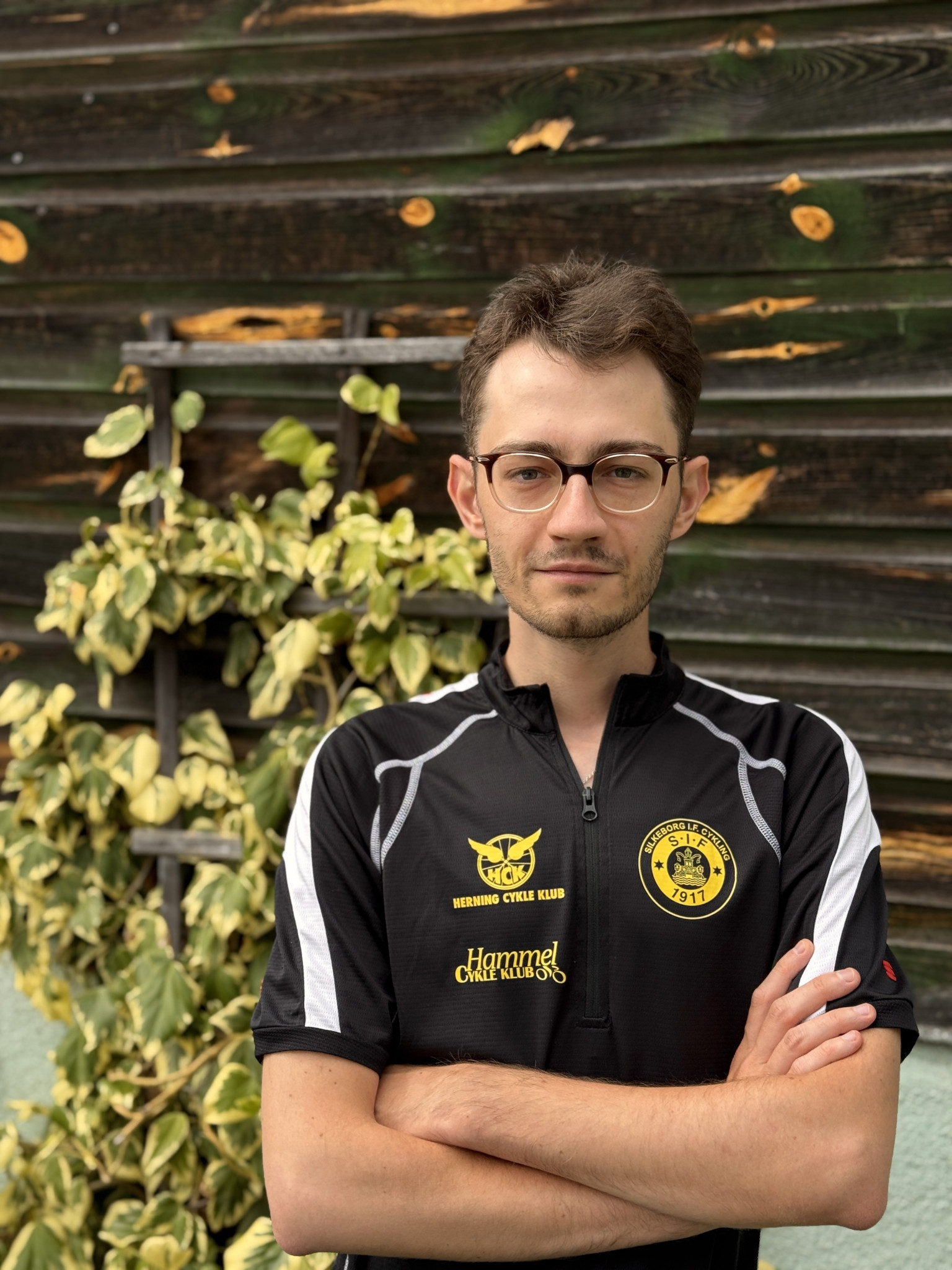
»Music for me is a universal tool for opening myself for feelings. It may be anger. It may be happiness or sadness. Music may make you wanna dance or cry. But it never leaves you indifferent to the emotional load it brings. Good music, at least. Music may tell stories. It may as well be a background, or a soundtrack for the moment, for the day, for life. That being said, music for me is a company for everyday. And I’m quite lucky that it’s my company at work as well, I guess.«
Jan Janczy is a Polish journalist and radio host at Radio Nowy Świat. His main fields of professional interest are Northern Europe, international affairs and music. He interviewed among others 3x Grammy Awards winner Fantastic Negrito, Röyksopp, Alabaster DePlume, Archive, Trentemøller and Mogwai. In 2024 together with JazzDanmark, Kultur(a) and Radio Nowy Świat he released a podcast series devoted to the history of Polish-Danish jazz connections. He is a Swedish philologist by education.
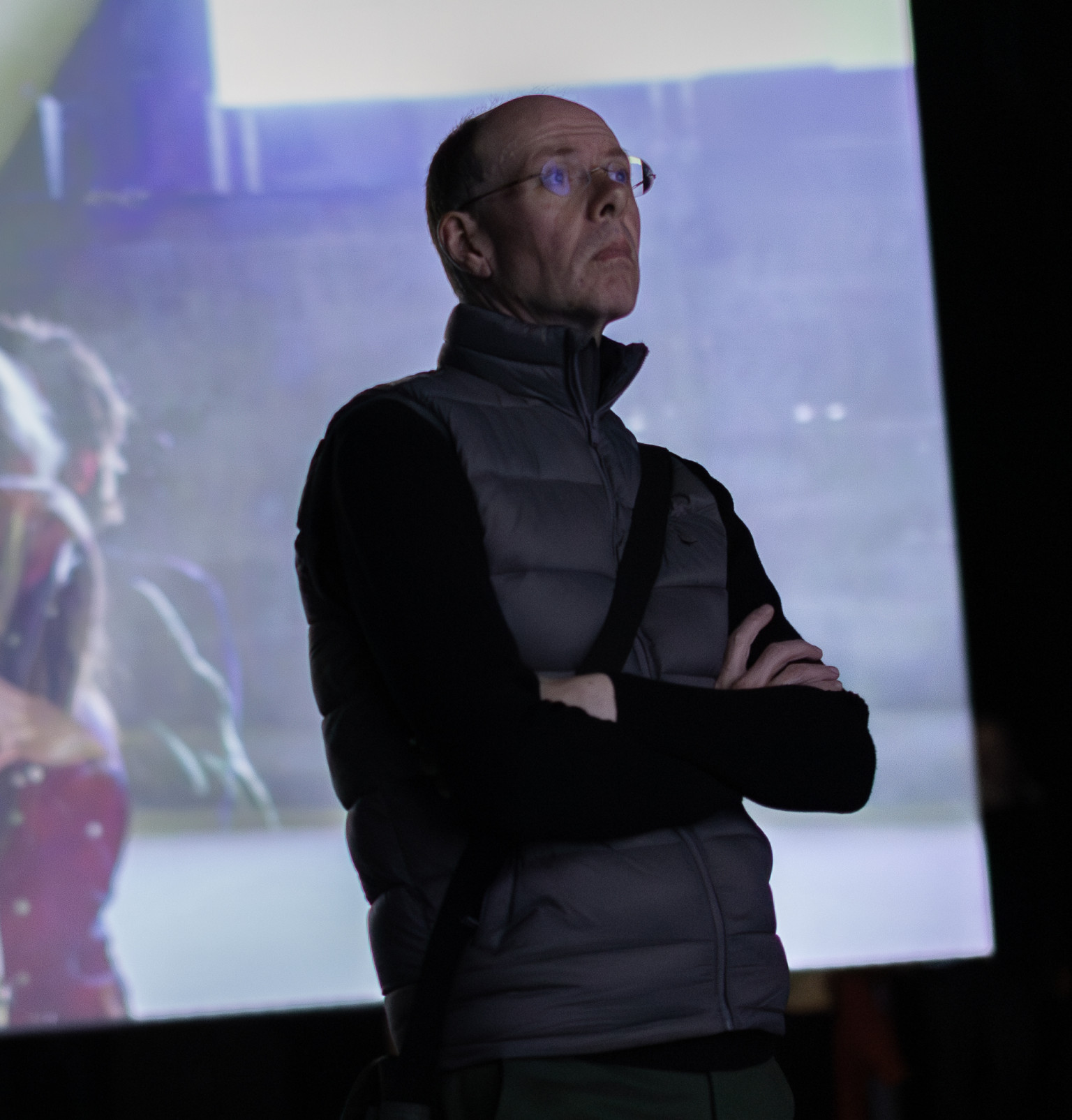
»Music is inseparable from listening: a close, attentive act. It’s not about beauty, truth or even intelligibility, but connection. This intense, focused intimacy is where meaning and everything else begins.«
Simon Cummings is a composer, writer, and researcher based in England. His music centres on two areas, both of which blur abstract and emotional impulses. The first, explored in instrumental work, involves highly intricate algorithmic processes rooted in carefully-defined behaviours, in a bespoke approach that combines stochastic and intuitive methods to realise large-scale behavioural transformations. His electronic music typically begins with visual stimuli, used to sculpt time-frequency structures investigating the boundary between noise and pitch, reappraising what defines each and their boundaries. He is currently working on a song cycle for voice and electronics for Icelandic soprano Heiða Árnadóttir, to be premièred in 2026. His research is primarily long-form critical writing on contemporary music, published on his website 5:4, as well as in assorted online and print publications.

My experience of Coexistence, Søs Gunver Ryberg’s ten-minute work for orchestra and electronics, unfolds in two stages.
At first, I am stunned. By the natural ease with which she handles the symphonic material, turning the orchestra into a potent hybrid of acoustics and synthesis. Such bite in the sound, such a sandstorm of granular texture churning on behind the instruments.
Here, I think enthusiastically, the sonic potential of the twenty-first-century orchestra is realised. But then doubt sets in during the second stage. For does something essentially similar happen here as in Swedish composer Jesper Nordin’s hour-long Emerging from Currents and Waves (2018): a technological quantum leap in symphonic sound that nevertheless freezes compositionally into a stop-and-go between thunder and silence?
The supply of drama in Coexistence is almost vulgar: unstable Icelandic dark drones, harsh brass blasts, trembling strings, thunderous timpani, abrupt brakes like those in Hollywood action trailers – and much more besides. It is a heavenly chaos. The contrast: muted alarms of bowed metal, collected noise and extended tones, like a fragile iron framework still shuddering after the storm.
The two temperaments alternate, and it sounds phenomenal under Dalia Stasevska’s direction of the BBC Symphony Orchestra. The work’s core is catastrophe – collapse and aftermath – and seen in that light, the black-and-white extremes make sense. The music is brutal, relentless. But could it have been more: more in colour, beyond the duel? Perhaps. Judge for yourself – Coexistence is without doubt the most striking symphonic statement of the year.