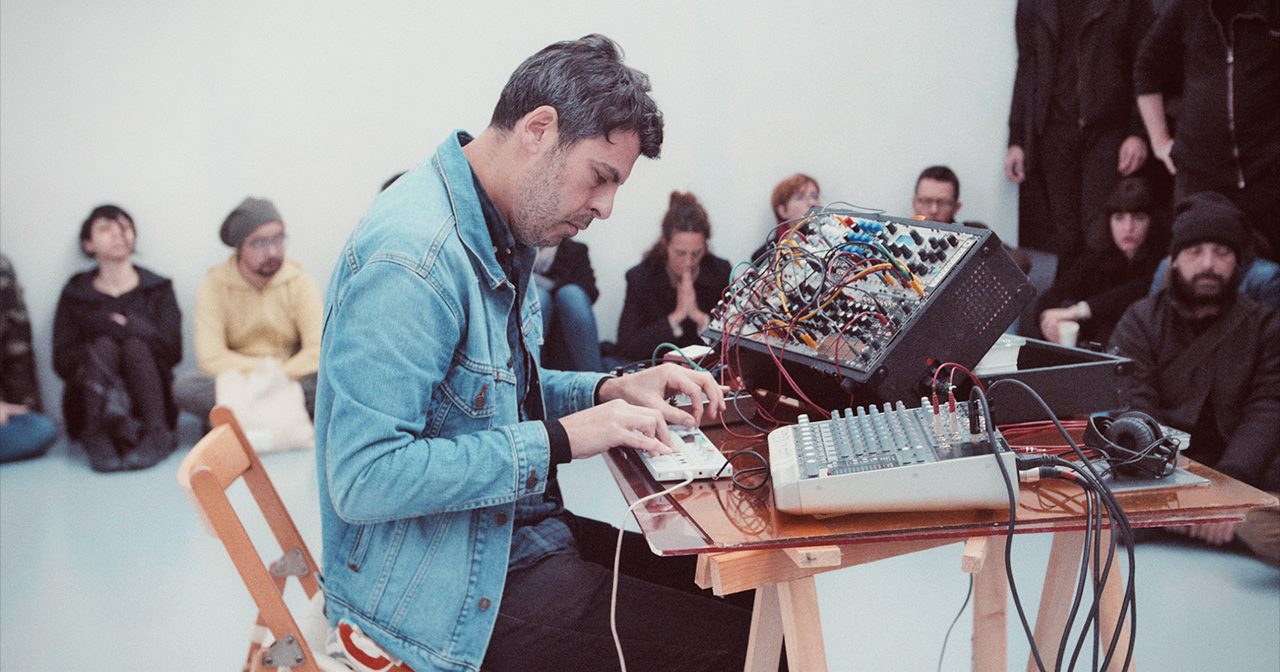
Den danske musiker/komponist Mads Emil Nielsen og hans pladeselskab arbitrary præsenterer den tredje af en række arrangementer i KoncertKirken, hvor elektroniske koncerter kombineres med kollektive lyttesessions.

Elektronisk musik egner sig ikke altid til koncertformatets præmis om en live-situation, hvor man ser nogen spille, mens man ser på og lytter. Elektroniske koncerter er ganske enkelt ikke altid så spændende at se på. Hvor mange koncerter kan man ikke komme i tanke om, hvor den visuelle del af seancen nærmest trækker fra den samlede oplevelse, fordi der ganske enkelt ikke er noget nævneværdigt at se på – måske blot en stillesiddende skikkelse med en maskine foran sig. Man får fantastisk musik at høre, og man får den sågar i en koncertsal med flot forstærkning og de helt rigtige akustiske forhold, men man er egentlig ikke så interesseret i det faktum, at afsenderen af musikken er til stede i rummet. Det er lytteoplevelsen, der er det interessante og givende.

Lige netop det forhold imødekommer arrangementsrækken Live + Listening Room, der parrer en kollektiv lytning af et stykke elektronisk musik med en visuelt spændende elektronisk koncert, således at de to situationer understreger dét, de hver især kan, supplerer hinanden og imødekommer førnævnte præmis; den lydligt rige elektroniske musik præsenteres under de bedste lytteforhold uden koncertsituationens konventioner og forventninger tilstede til potentielt at undergrave den.

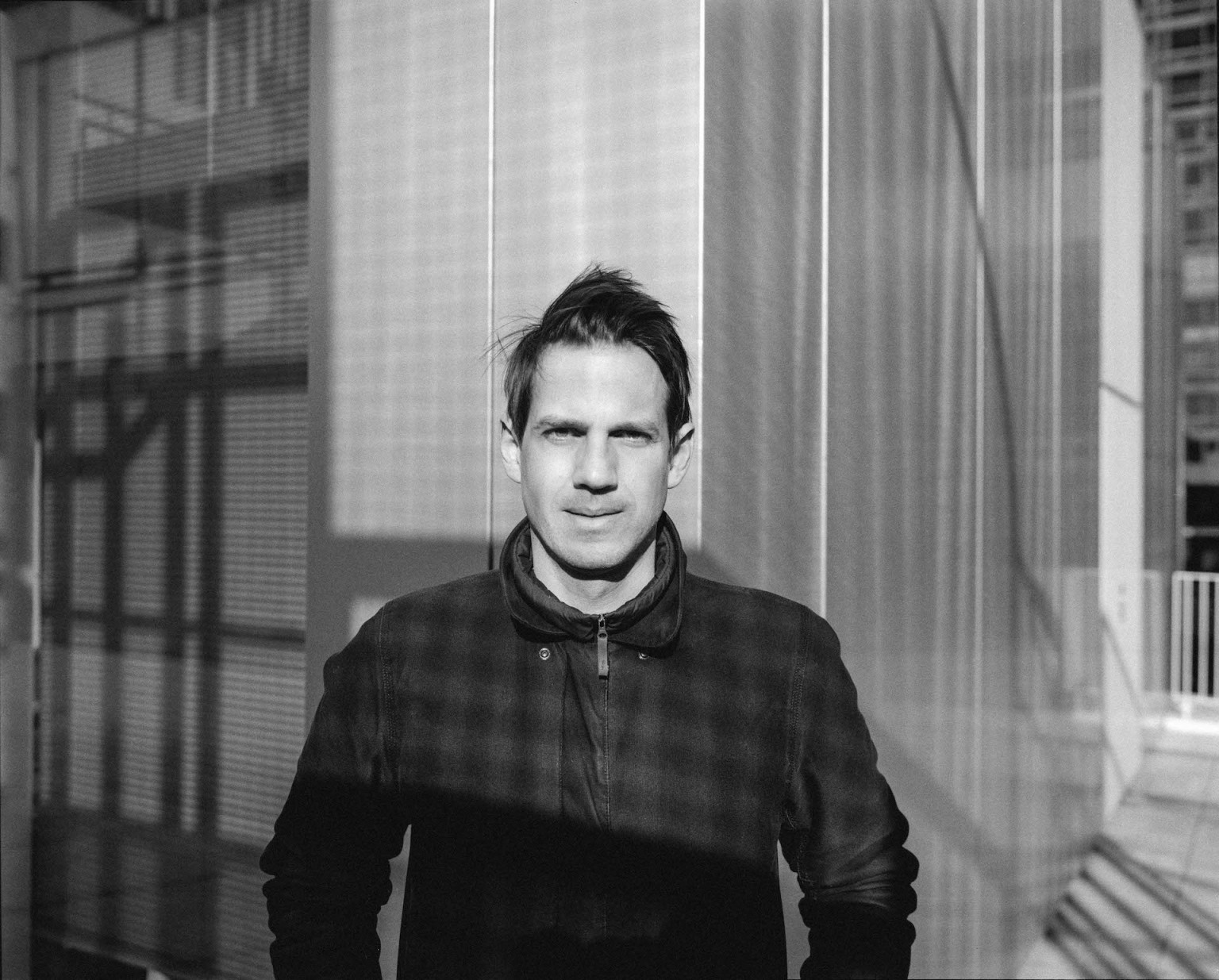
Til det tredje arrangement i rækken kan man opleve tyske Andrew Pekler, der arbejder med digital sampling og analog syntese, når han hiver fundne lyde og arkivmateriale ind i nye sammenhænge. Indholdet af den kollektive lyttesession er stadig en hemmelighed.

Hvad? arbitrary Live + Listening Room #3 w/ Andrew Pekler (DE)
Hvor? KoncertKirken, Blågårds Plads 6A, København N
Hvornår? Torsdag den 14. december kl. 19:30

Læs i øvrigt Seismografs interview med Mads Emil Nielsen fra 2016.

© PR

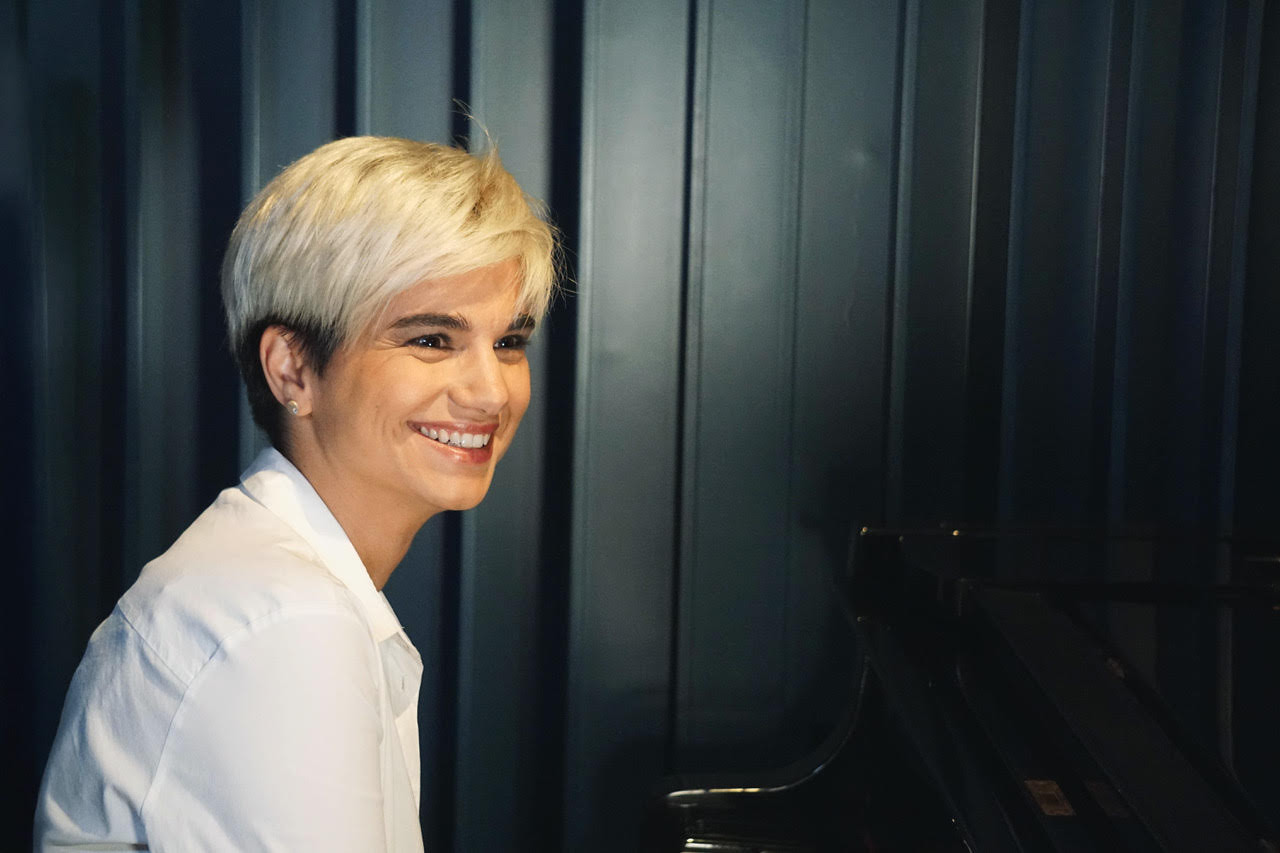
»For me, music is an emotional refuge. When I sit at the piano I feel safe, it's where I can release everything I carry inside. It's not about performing, it's about being honest, vulnerable and free.«

Samanta Yubero, known artistically as Samyula, is a composer, pianist, and neuroscientist based in Barcelona. Trained as a classical pianist and holding a PhD in her scientific field, Samyula bridges the worlds of art and science in her work. Her music – often within neoclassicism – blends both serene and intense piano melodies with vivid, dynamic string arrangements, creating emotionally resonant and immersive soundscapes. With a deep passion for both composition and performance, Samyula offers audiences a uniquely powerful and moving experience.

© PR

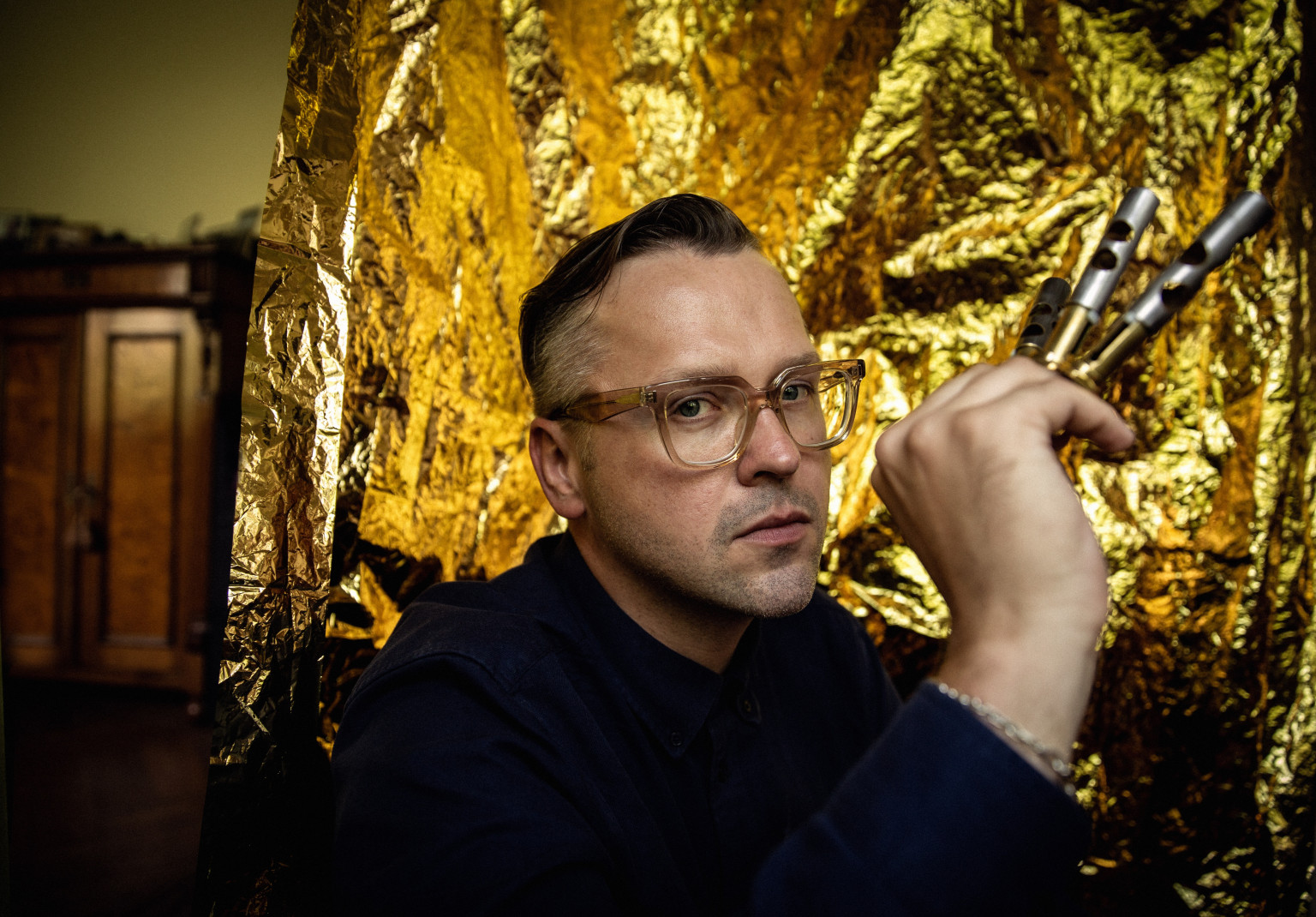
»Music is the ultimate gateway to presence, a true expression of the moment.«

Praised by DownBeat Magazine as one of Europe’s most versatile and inquisitive musicians, Polish-born, Scandinavian-based trumpeter and composer Tomasz Dąbrowski creates music that whispers before it screams – blending open, lyrical melodies with raw, unconventional trumpet sounds. Dąbrowski has revealed an unceasing curiosity, stretching and expanding his jazz roots in an ever-widening circle of exploration. From the beginning he’s rejected hierarchies, preferring to see creative music as a boundless practice that can accommodate ideas drawn from every spot on the stylistic map. While plenty of musicians pivot toward new directions, sometimes transforming their aesthetic wholesale, Dąbrowski has long revealed a more ruminative and holistic mindset that has allowed him to retain a clear artistic identity through countless projects, whether driven by improvisation or composition. 

© Malthe Ivarsson

»Music is where my heart is. The place where I feel the most freedom and possibility to express myself. It's also the place I seek to when I need to calm down.«

Anna Roemer is a Danish guitarist and composer from South Zealand, now based in Copenhagen. She has performed with artists like Hannah Schneider, Jacob Bellens, and Guldimund. Together with saxophonist Cecilie Strange, she forms the acclaimed duo K A L E II D O, known for music that constantly evolves. The duo has received national and international praise and won the Carl Prize for »Jazz Composer of the Year« for their albums Elements and Places (2024).

in brieflive
02.06.2025

Not the Royal Rock Star We Might Have Wished For

David M. A. P. Palmquist: »King Frederik X’s Honour March«
© Kongehuset
© Kongehuset

Surely, I can’t be the only one who nearly choked on my oyster on New Year’s Eve, when King Frederik X delivered his first New Year’s speech. What a modern take on the old tradition! Instead of sitting solemnly at a desk, he calmly walked into the room – a room demanding attention, where a futuristic mural stole the show. I could barely focus on the speech itself, distracted by the psychedelic imagery behind him: a visual nod to Yellow Submarine by The Beatles. Was this a sign of a rock star ascending the throne?

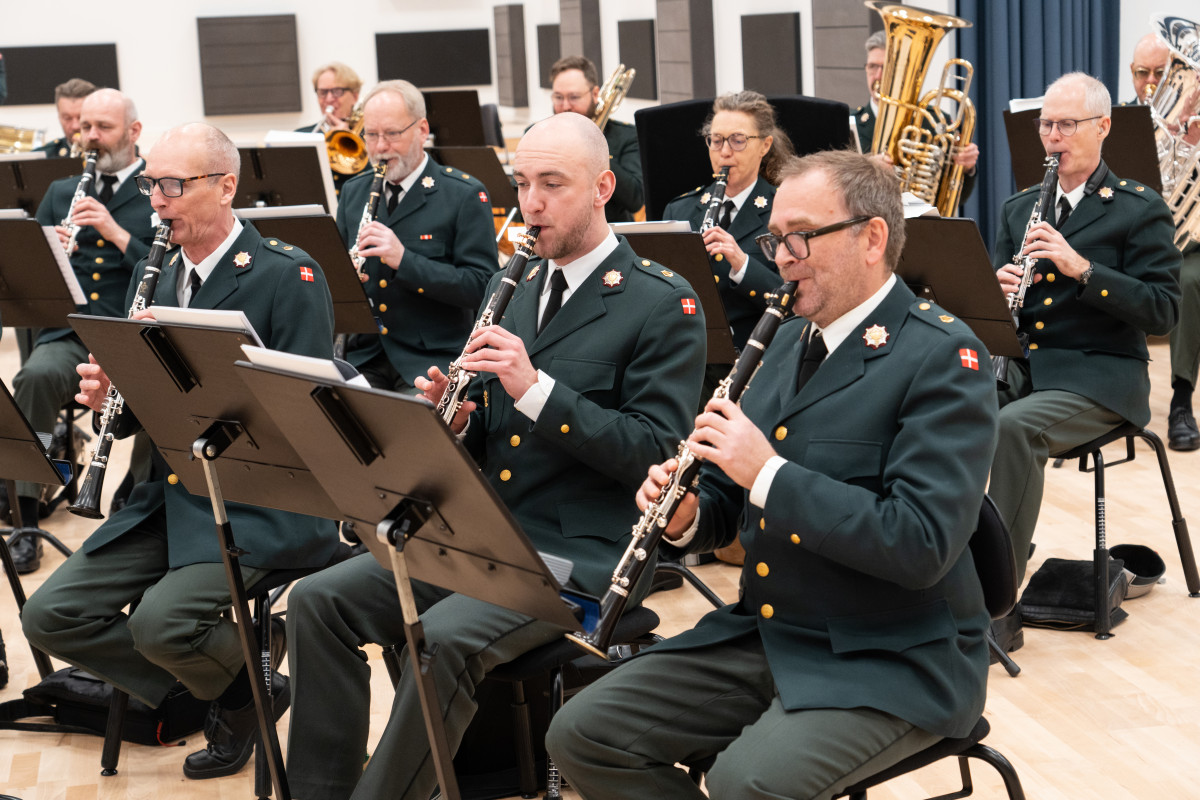
Wishful thinking, as it turned out. The speech turned into a parade of predictable platitudes. The same can be said about the King’s new Honour March, composed by David M. A. P. Palmquist, former conductor of the Royal Danish Life Guards Music Corps. A traditional and sluggish piece that plays it entirely by the book.

Since H.C. Lumbye gifted a march to Frederik VII in 1861, it has been a tradition for members of the royal family to be granted personal marches. Take the lively and self-ironic Parade March for Queen Margrethe, which includes quotes from both »I Danmark er jeg født« and »Daisy Bell«. Or Crown Prince Frederik’s brisk and quirky Honour March in 6/8 time – written by Fuzzy for the now-King’s 30th birthday – tipping its hat to Carl Nielsen’s »Som en rejselysten flåde«.

But where is the personal character in Palmquist’s march? The composer approaches the task far too conceptually, attempting to give the piece a musical signature with a kind of rebus at the beginning. The first note is an F, followed by one ten steps higher – thus spelling »Frederik the 10th« in musical code. The many references to other military music are just as internal. What’s missing is something that breaks with protocol – just like King Frederik himself has done in his most memorable and beloved moments. In the end, it sounds like a march that has forgotten who it was written for.

English translation: Andreo Michaelo Mielczarek. Proofreading: Seb Doubinsky

© Clement Beauvais

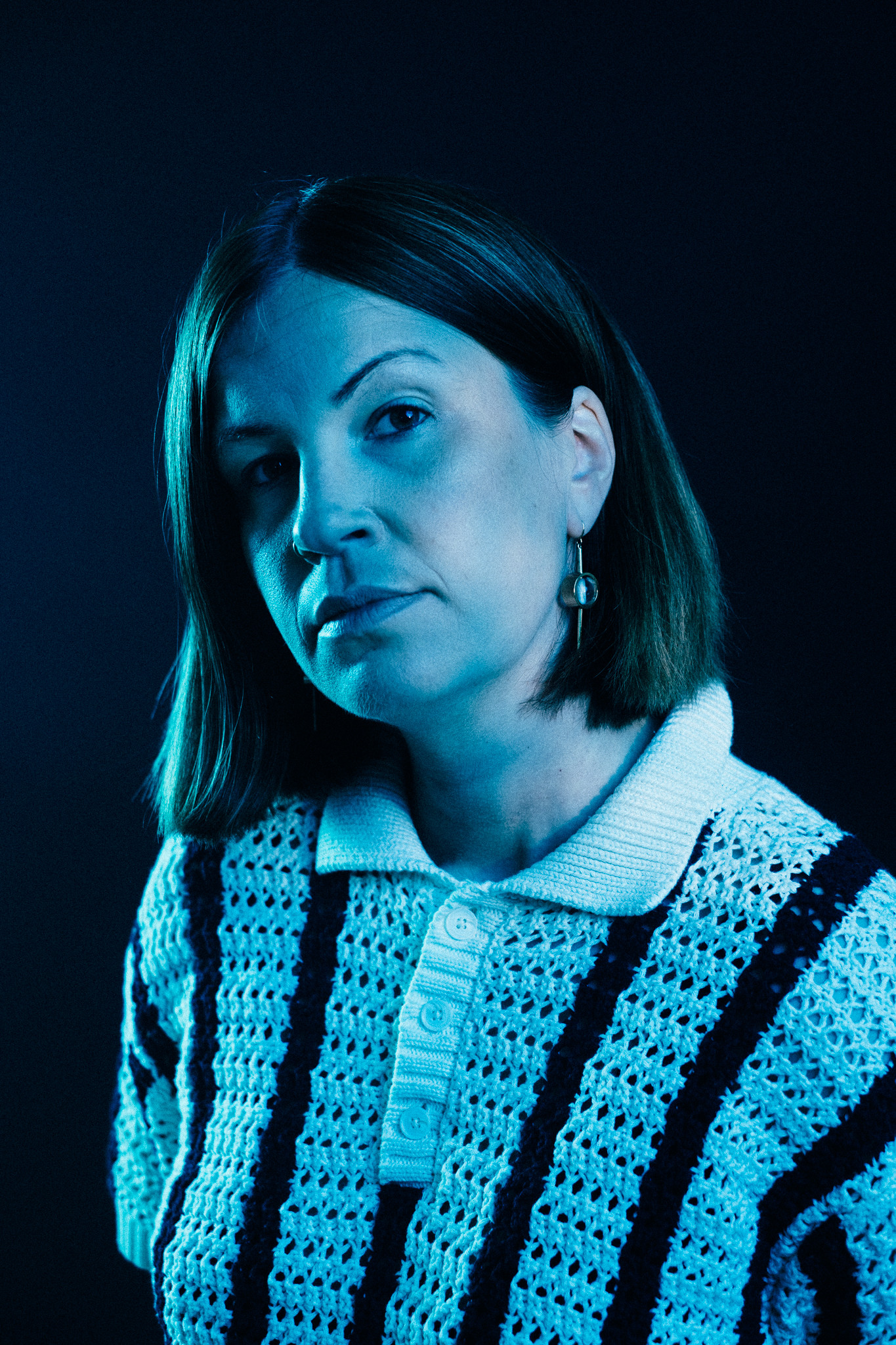
»Music exploration and creation is not limited to notes, timbres and traditional structures, but extends to everything that shapes the listening experience.«

Alexandre Bazin is a French musician, and documentary producer, active in the experimental music scene at the fringes of GRM. His music is published by Important Records, Umor Rex Records, and Constructive. Bazin began his musical journey early, first studying classical piano at the conservatory before exploring jazz and electroacoustic music. The study of other musical languages has opened new perspectives and led him to rethink music beyond its traditional structures. He discovered a world where sound becomes raw material, and where production plays an essential part. This exploration revealed to him that music creation transcends notes and timbres, encompassing all elements that shape the listening experience, with sound engineering playing a pivotal function in this process. Bazin produces monthly documentaries for Radio France and GRM (Groupe de Recherches Musicales), chronicling the history of the experimental scene from its origins to the present.