Det danske sommervejr minder os – på godt og ondt – om, at det er tid til at holde fri og koble af. Ferien er oplagt til at få læst og lyttet til nogle af de ting, der måske ikke er tid til i en travl hverdag, og her bidrager Seismograf med en god stak indhold til lidt digital sommerfordybelse. Vi holder lukket i juli, men går ikke på ferie uden at sikre os, at der er masser af lytte- og læsestof på både dansk og engelsk til at holde hele sommeren.

Komponister på scenen
Du kan starte med at fordybe dig i 
vores seneste engelsksprogede fokus, der under overskriften Composer/Performer gennem syv artikler beskæftiger sig med komponister, der går på scenen og tilfører musikken nye performative aspekter såvel som en indbygget udforskning og genovervejelse af komponistens rolle. Fokusset udspringer af et forskningsprojekt anført af Sanne Krogh Groth, der også har redigeret fokusset, og de grunlæggende idéer opridses og diskuteres i hendes egen artikel. Norske Trond Reinholdtsen reflekterer over det 20. århundredes komponister, idet han præsenterer sit énmandsprojekt The Norwegian Opera. Juliana Hodkinson genbesøger en personlig krise i sin tekst, mens Niels Rønsholdt identificerer sig med lytteren, når han positionerer sig som fremmed i forhold til sin egen musik. Den femte artikel er en transkriberet paneldebat mellem Louise AleniusKristian Hverring og Simon Steen-Andersen fra Nordic Music Days i Reykjavik. Alenius er tilmed omdrejningspunktet for en artikel af Torben Sangild, som har oplevet en én-til-én-koncert med komponisten i sit soveværelse, der midlertidigt blev omdannet til koncertsal. Musiker, komponist og forsker Henrik Frisk afslutter med at undersøge mulighederne i det amatøristiske aspekt ved komponister, der går på scenen og påtager sig musikalske opgaver, de ikke er skolede til.

Lyt Dybt
Vores podcast Lyt Dybt har netop afsluttet sin første sæson, og der er sammenlagt 15 afsnit om alt fra undervandsoptagelser og hverdagslyd til voksvalser, midi-violiner og lyttemeditation, som du kan give dig hen til, hvis du ikke allerede har gjort det. De seneste afsnit er en del af den serie, vi kalder 
Lyden af planeten Jorden, som helliger sig fænomenet The Voyager Golden Records – to guld-LP'er indeholdende musik og lyde fra vores klode, som blev sendt ud i det interstellare rum i 1977.
I serien møder vi lektor og kunstner Jenny Gräf, mediearkæolog Jussi Parikka, forfattersaxofonist TS Høeg samt kurator og NASA-buff Jacob Lillemose, der alle forholder sig til dét at sende jordlyde ud i rummet.
Søg på Lyt Dybt i din podcast-app eller lyt med her på siden.

Senest på seismograf.org

»Hvis man præsenterer noget meningsløst vrøvl, sker der ingenting.« Søren Møller Sørensen mødte ved et tilfælde en af sine bekendte på et konditori i Cairo – den egyptiske komponist Bahaa El-Ansary. Det kom der et spændende interview ud af.

»Det umiddelbare indtryk af mødet med værkerne forandredes gradvist, og efter et stykke tid udvikler udstillingen sig i retning mod det, jeg opfatter som kernen i de fleste af Norments værker; arbejdet med materialer og titler, hvor lyd ofte er et grundelement.« Andreas Engström anmelder Camille Norments aktuelle udstilling på Oslo Kunstforening.

»Struer Tracks er på mange måder godt nyt for den danske lydkunstscene. Åbningsweekenden tegner i hvert fald et billede af en forfriskende uformel og særdeles vedkommende formidling af et meget bredt udsnit af lydkunst anno 2017.« Jakob Gustav Winckler har besøgt Danmarks eneste festival for stedsspecifik lydkunst, Struer Tracks.

Fik du vist, hvem komponisten Allan er? »Det er det, jeg er lidt i tvivl om. Derfor ville lidt mere musik have været godt,« siger han. »Men personen Allan var der – for første gang.« Læs Sune Anderbergs portrætinterview med debutanten Allan Gravgaard Madsen.

© PR

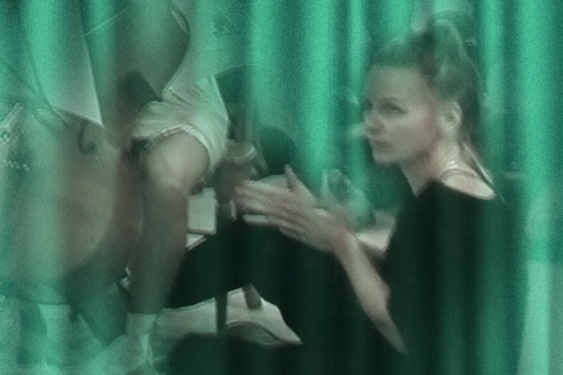
The red Husqvarna sewing machine stood centre stage, buzzing relentlessly like a tireless drummer locked in an endless blast beat. »Järnrör«, »Cyanid«, »Tramadol«, Tehran hissed between squealing guitar amplifiers and in front of videos showing idyllic Swedish roadside art and images of the many Husqvarna weapons. For behind Husqvarna’s innocent garden and household products lies an industry of death – a prism of growing up in Jönköping and an illusion of Swedish neutrality, which the Swedish-Iranian artist Tehran underscored with the concert Husqvarna The Movie.

Each track came with a new video bathed in sewing machine, guitar and growl vocals. But the song »Delam gerefteh« was more subdued, not least because Tehran leaned back in a chair, cigarette in mouth, letting the music and the video speak for themselves.

The evening’s second name, the Canadian-Iranian Saint Abdullah, spent the entire concert with a marker pen in his mouth, occasionally using it to jot down the course of the music. Saint Abdullah’s performance was like watching a radio operator adjusting a crackling signal – from birdsong to acoustic guitar, from news broadcasts to field recordings, the sampler at the centre of the table became a focal point for fragments of faith, culture and migration.

Where Tehran’s concert felt like a rehearsed, healing ritual, Saint Abdullah’s unfolded as an impulsive dialogue between a sea of sound bites. Both performances revolved around Iranian heritage. Not a heritage that necessarily needs to be understood, but one that appears as a mosaic of contradictions – and can only truly be processed in one place: in music.

in brieflive
18.02

Serious Creeps

Simon Toldam: »Insecta«
© Daniel Buchwald
© Daniel Buchwald

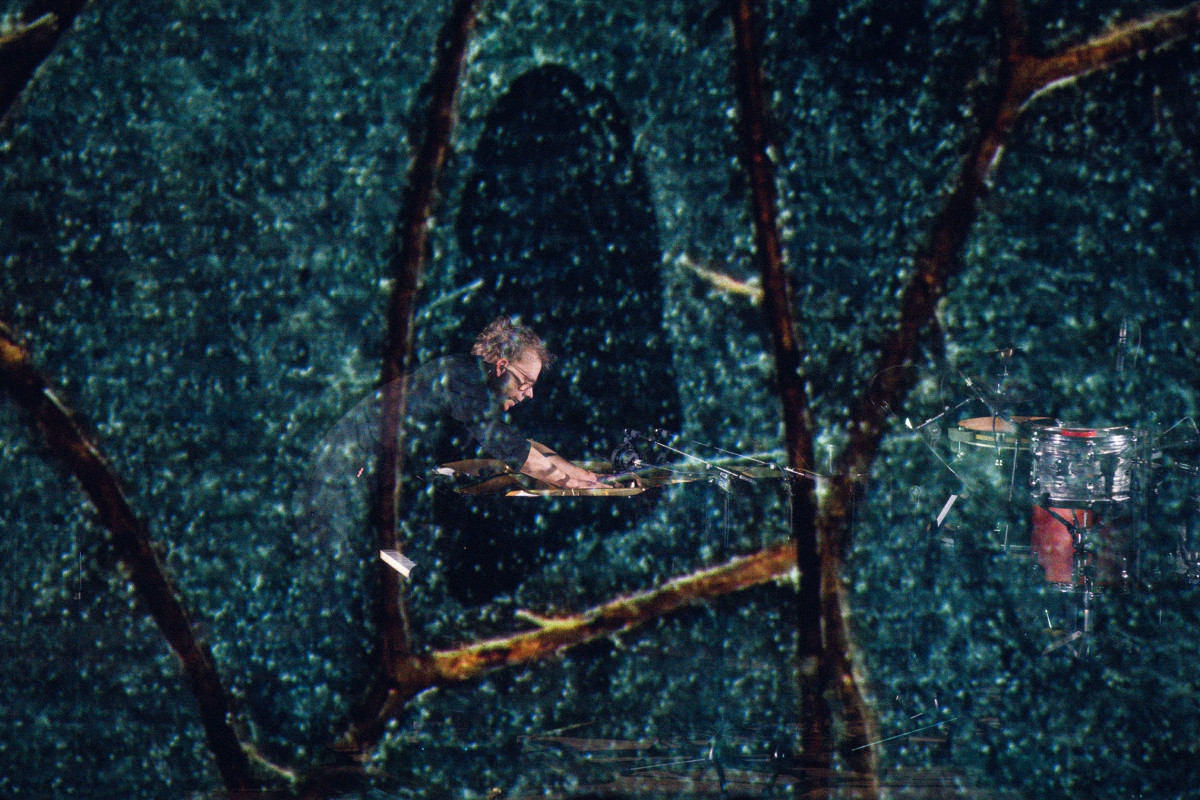
Some dream of discovering life in distant solar systems. Others – like Knud Viktor, Jacob Kirkegaard and now also Simon Toldam – turn the telescope around and uncover unknown life in the immediate yet hidden nature surrounding us. So what did Toldam, the 46-year-old pianist from the experimental jazz milieu, find last night when he turned his gaze toward English photographer Levon Biss’s ultra-close images of beetles, flies and grasshoppers in the world premiere of the hour-long audiovisual trio work Insecta?

First and foremost, he found a varied and inquisitive interpretation of insect life. Behind a transparent screen, Toldam transformed his prepared grand piano into a kind of gamelan instrument, while on either side of him sounds crept and hissed from saxophonist Torben Snekkestad and percussionist Peter Bruun. The production values were high, and the trio – collectively known as Loupe – moved deftly between the concrete and the spherical.

At times, however, there was something old-fashioned about the expression. As a yellow-brown grasshopper gradually took shape on the screen, nanometre by nanometre, the piano’s metallic cymbal-sounds placed it within an Eastern sonic realm. It resonated with exoticism, with old electronic EMS recordings steeped in atonal serialism, and soon Snekkestad let a plaintive Miles Davis-like trumpet drift through the soundscape.

Yet when, with dramatic flair, he blew air through the same instrument or attached a rubber hose and transformed it into a frothing bass monster – while Bruun stroked metal surfaces or pounded the drums in ritualistic patterns – we were out of the past again. And when Insecta finally leaned into the ambient, and Toldam began bending the gamelan tones with his hands inside the open piano, it was as if not only time but also the distance between oneself and the insects dissolved into a trembling dream image. At that point, it suddenly no longer mattered whether there is life on Mars.

English translation: Andreo Michaelo Mielczarek

© PR

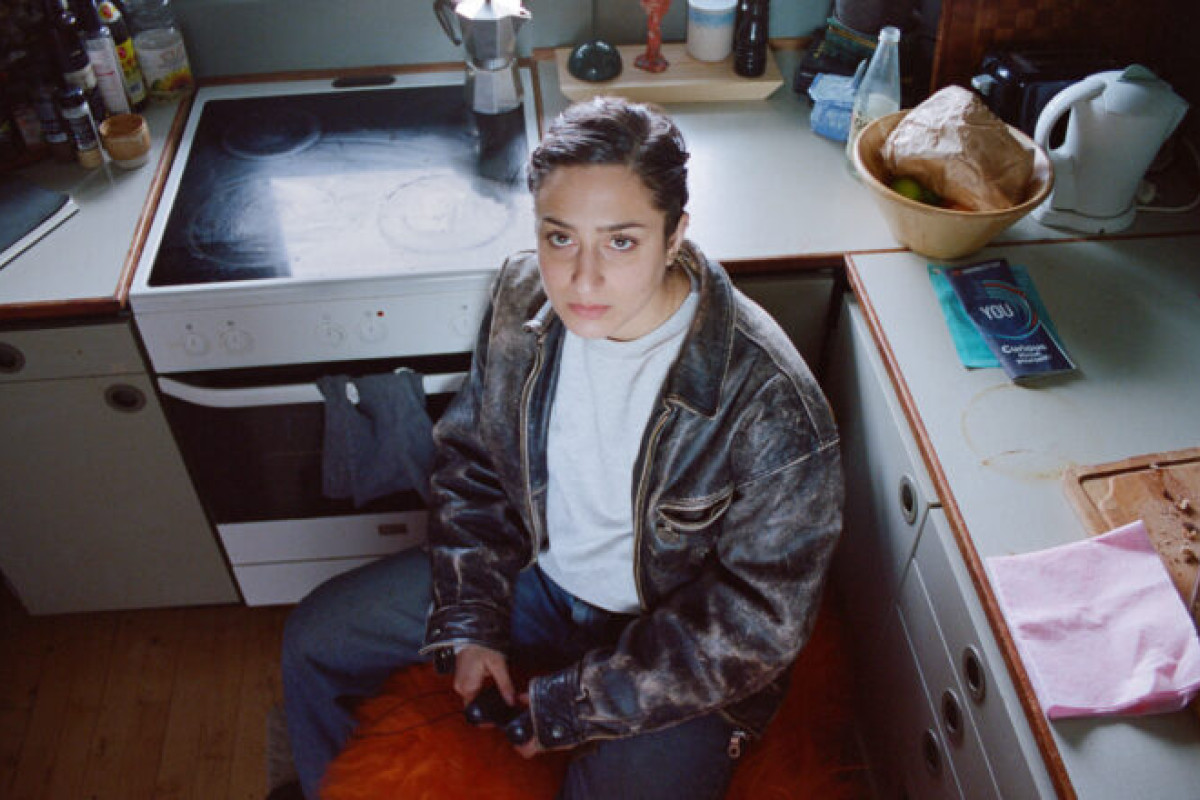
»Music for me is the purest communication! We are constantly trying to understand each other, completely in vain, with our inadequate language, while music speaks pure. I can’t think of a more powerful and influential form of expression. It surpasses visual art, film, theatre, everything. Music is without exception the start of all my work; I often think, if this work were a song, what song would it be?« 

ihsan saad ihsan tahir (b. 1995, UK/DK) graduated from the Royal Danish Academy of Fine Arts (2025) and Goldsmiths University of London (2025) and lives and works in Copenhagen. tahir has previously exhibited at, among others, Kunsthal Kongegaarden, Korsør (2026), SKAL Contemporary, Skagen (2025); 13 Vitrine, Lausanne (2024); Kunsthal Aarhus, Aarhus (2023;2024); Collega, Copenhagen (2024); and All All All, Copenhagen (2023). tahir opens a new, large solo exhibition at O ​​– Overgaden (February 20–May 3, 2026).

in brieflive
16.02

Indigo over Mahler

Anthony Sahyoun, Nour Darwish, Larissa Sansour, Søren Lind: »As If No Misfortune Had Occurred In The Night«
© Joakim Züger
© Joakim Züger

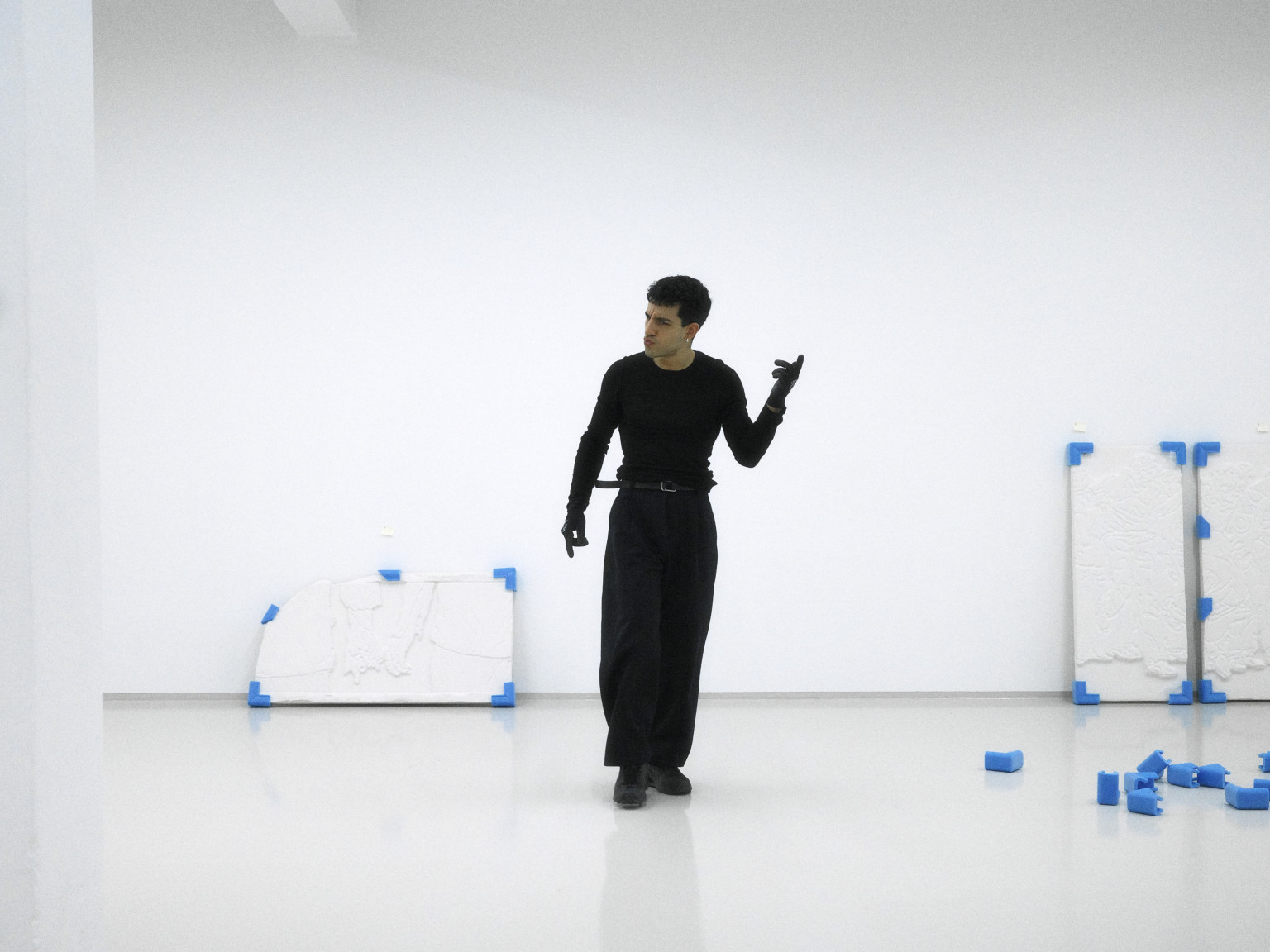
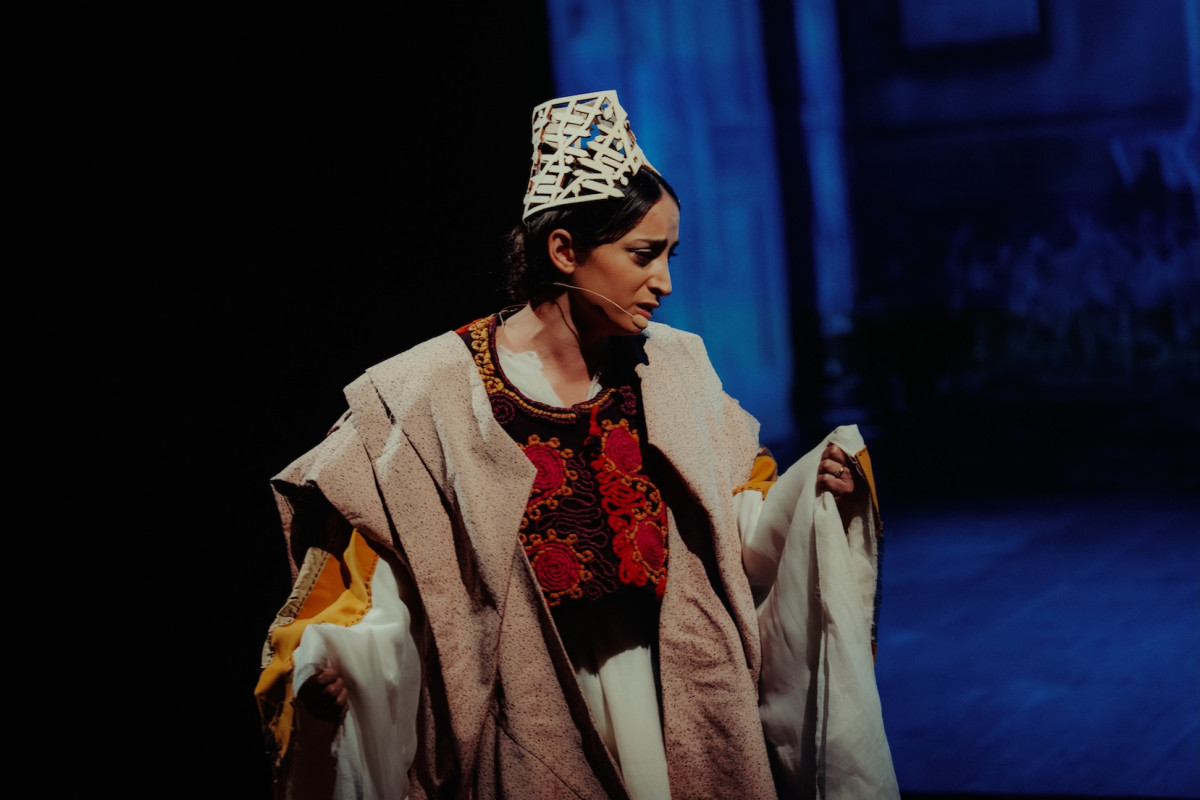
One of my most powerful art experiences of 2025 was British-Palestinian video artist Larissa Sansour’s intense work As If No Misfortune Had Occurred In The Night at Kunsthal Charlottenborg. The piece forms the basis of Thursday’s so-called »opera performance«, in which Palestinian soprano Nour Darwish performs in dialogue with Sansour’s visuals.

When Darwish steps onto the stage, it is before a vast screen where black-and-white scenes from an abandoned chapel establish a solemn atmosphere. It feels as though the entire hall is holding its breath as she begins to sing – tentatively, mournfully at first, then with spine-tingling force.

The composition draws on Kindertotenlieder (1905), in which Gustav Mahler sets to music Friedrich Rückert’s poems on the loss of two daughters. Composer Anthony Sahyoun allows Mahler’s music to merge with the Palestinian folk song »Al Ouf Mash’al«, a lament for a man who fell while serving in the Ottoman army during the First World War. Over time, the song has expanded into an oral account of Palestinian suffering. In its encounter with Mahler, it becomes a lament for centuries of grief – addressed to European ears that, through the colonisation of the region, bear part of the responsibility. Quite simply, it is a very good idea. At first, Darwish alternates between the two musical works, but gradually they fuse into a single narrative of sorrow, loss, and inherited trauma. She briefly leaves the stage, giving way to a filmed sequence in which she descends into a basin and is enveloped by indigo-blue water. In Palestinian tradition, indigo is the colour of mourning, because once it has stained skin and fabric, it cannot be washed away. It must be worn away – just as grief can leave us flayed.

Darwish returns in an indigo dress. At the climax, she falls to her knees as the screen behind her turns black, and I realise I have barely breathed for several minutes. The composition was created in 2022 – before the current war in Gaza – but on this evening, with her immense voice and intense presence, she adds yet another verse to the endless song. At times, art can feel brutally prophetic.

English translation: Andreo Michaelo Mielczarek

© Inga Records

»For me music is life. It contains everything and carries the strongest healing powers there is.«

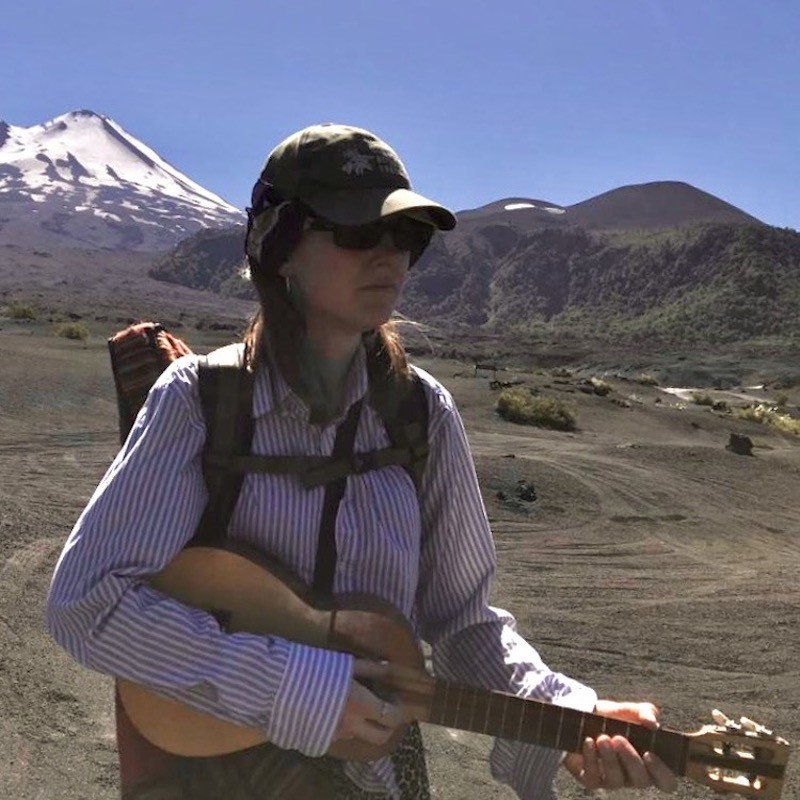
Mika Akim is the solo project of the viola player, composer and songwriter Mika Persdotter. The project started when Mika found a viola d'amore outside of Prague and started writing songs for it, about and for the body. Exploring open forms, minimalistic approach and mixing influences from folk music, baroque and experimenting with sound. The music is cyclic and honest. Since the project started Mika Akim has released two albums and now the third solo album feb 28 will be released on the 27th of February on Inga Records. 

Besides the solo project Mika Persdotter is an active musician in the experimental music scene as well as the contemporary and baroque fields in Copenhagen. Member of Halvcirkel, Damkapellet, Wolfskin Ensemble and Stök among others.