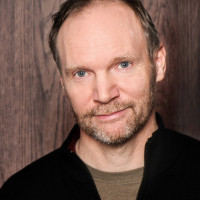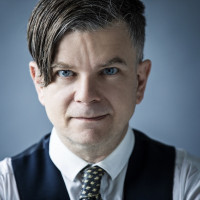
Simon Steen-Andersen
65





I samarbejde Goethe-Institut Dänemark, Københavns og Roskilde Universitet inviterer Seismograf/DMT til seminar tirsdag den 3. juni kl 16-18 Teater Repulique i forbindelse med Klangfestivalen 2014.
Ved seminaret " Modernisme, politik og det stedsspecifikke" har vi inviteret Dr. Kersten Glandien, Musikkritikeren Henrik Friis og komponisten Johannes Kreidler. Dr. Kersten Glandien fortæller om lydkunstscenerne i Berlin fra 1970erne og frem til i dag. Musikkritikeren Henrik Friis spørger, hvad der skete den radikale tyske modenisme efter Lachenmann og Spahlinger. Svarene søges bl.a. gennem en analyse af Spahlingers betydning for den danske komponist Simon Steen-Andersen. Den tyske komponist Johannes Kreidler taler om de sidste 15 års udvikling i tysk ny musik og præsenterer sin analyse af periodens æstetiske, tekniske og diskursive forandringer.
Seminaret er arrangeret og ledes af Sanne Krogh Groth (RUC, Seismograf/DMT) og Søren Møller Sørensen (KU). Det afholdes på engelsk og er blevet til i samarbejde med Goethe-Institut Dänemark.
Dr. Kersten Glandien (Senior Lecturer, University of Brighton, UK):
"… too wide a field - SoundArt in Berlin"
This comment on the human condition by Theodor Fontane came frequently to my mind while researching the various facets of SoundArt in Berlin. Far from encountering ‘a scene’, I found myself facing a vast labyrinth of activities, artists, works, places, events, organisers and institutions, stretching back several decades.
In my paper I will attempt to give an insight into the extent and hybridity of Berlin Sound Art - from its beginnings in the 1970s under the special conditions of cold-war West Berlin, through the landmark-festivals and lively activities of the post-Wall period, down to its ubiquity and acceptance today. I will examine the main players, institutions, organisers and initiatives, trace the unusual political and cultural conditions that set the agenda in both parts of the city, outline the exciting process of fusion that followed - and examine the very different approaches taken to SoundArt in the city today and the aesthetic clusters they form.
Henrik Friis (Music critique, Politiken, DK):
"What happened to modernism?"
What happened to the strong modernist position in German music after Lachenmann and Spahlinger? Well, maybe it is alive and kicking – living on, for instance, as impossible timbre made by young Danish composers. With a strong advocate in the Berlin resident and Spahlinger student Simon Steen-Andersen.
A place to start is the search for a useful framework for the term modernism. The Spanish philosopher Ortega Y Gasset addresses the modernist position in European Art and Music in 1925 in his essay ‘The Dehumanization of the Arts’. He claims that, opposed to earlier epochs in the history of the arts, modern music is not unpopular, as in ‘not popular yet, but outspoken anti-popular. A search for modernism is in that sense a search for traces of thoughts of intellectual anti-popularism and dehumanization. Helmut Lachenman and Matthias Spahlingers music from the early 1970’s and onwards show some of the same alienating and non-popular characteristics. For instance the ‘Musique Concrete Instrumentale’ focuses the ear at the noise of the music production and continuously stops the listener from forgetting that the musical experience is in fact a musical construction. Or the Spahlinger concept of the endless beginnings. These intellectual traces are pursued in the recent music of Simon Steen-Andersen, i.e. the cd of 2010 ‘Pretty Sound’.
Johannes Kreidler (Composer, DE):
"New Music in Germany in the last 15 years."
Having started to become a professional composer towards the end of the 1990s, not only personally I've made my artistic development, but also in general I can draw an overview now on a period of time of which I think has made quite a shift, aesthetically, technically, discursively.
Fakta
Seminar. Klangfestivalen
Tirsdag den 3. juni kl 16-18
Teater Repulique, Østerfælled Torv 37, 2100 København Ø
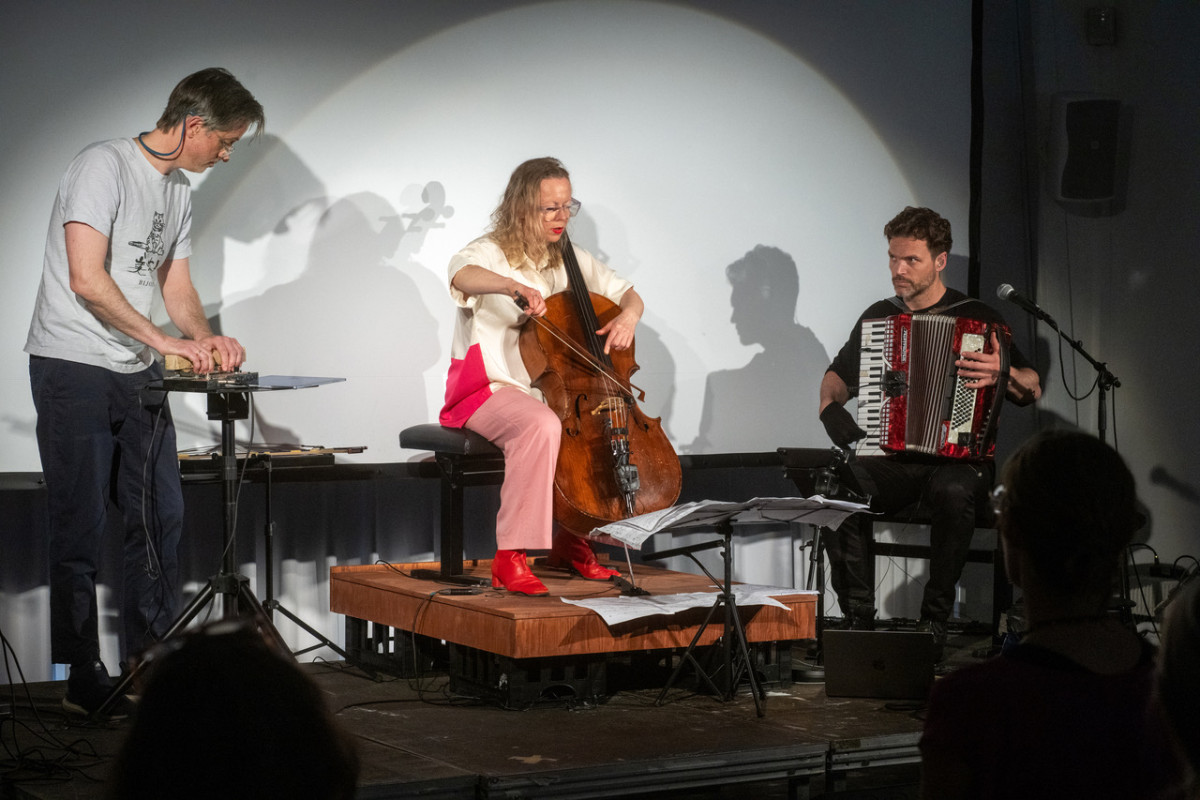
New Sounds at Louisiana is an initiative in which the Louisiana Museum of Modern Art has invited the record label Dacapo and the music publisher Edition S to curate concerts featuring living composers. Simon Steen-Andersen was the first composer in the series, and he seized the opportunity to assemble a programme that was not only overwhelming and exhilarating, but also deeply unsettling. Lasting an hour, the concert unfolded as a continuous sequence in which each work flowed seamlessly into the next, forming a single extended statement of at least part of the composer’s artistic practice and philosophy.
Combining video and live performance, the concert served as a manifestation of several of Steen-Andersen’s key artistic strategies. Central among them are techniques of estrangement and defamiliarisation, exemplified by Asthma (2017) for accordion, air pumps, and video, a work that explores and interrogates human breathing in all its positive and negative dimensions. Amid the many grotesque and humorous scenes – accompanied by Håkon Stene’s brilliant Foley-style soundtrack of air noises, sound effects, and spoken commentary – a brief clip of brutal police violence suddenly appears. In it, an officer methodically sprays pepper spray into the faces of handcuffed demonstrators. In that instant, everything else no longer seems quite so funny, and the crooked smile freezes.
The concert was a veritable sensory bombardment. Presenting all the works attacca undoubtedly created a powerful sense of flow, but it also left the audience almost saturated with impressions. Even so, the subsequent conversation between Simon Steen-Andersen and music critic and author Thomas Michelsen felt far too brief. Yet the composer succeeded in making his point: everything he does, he said, is a form of »deadly serious play.« Exactly.
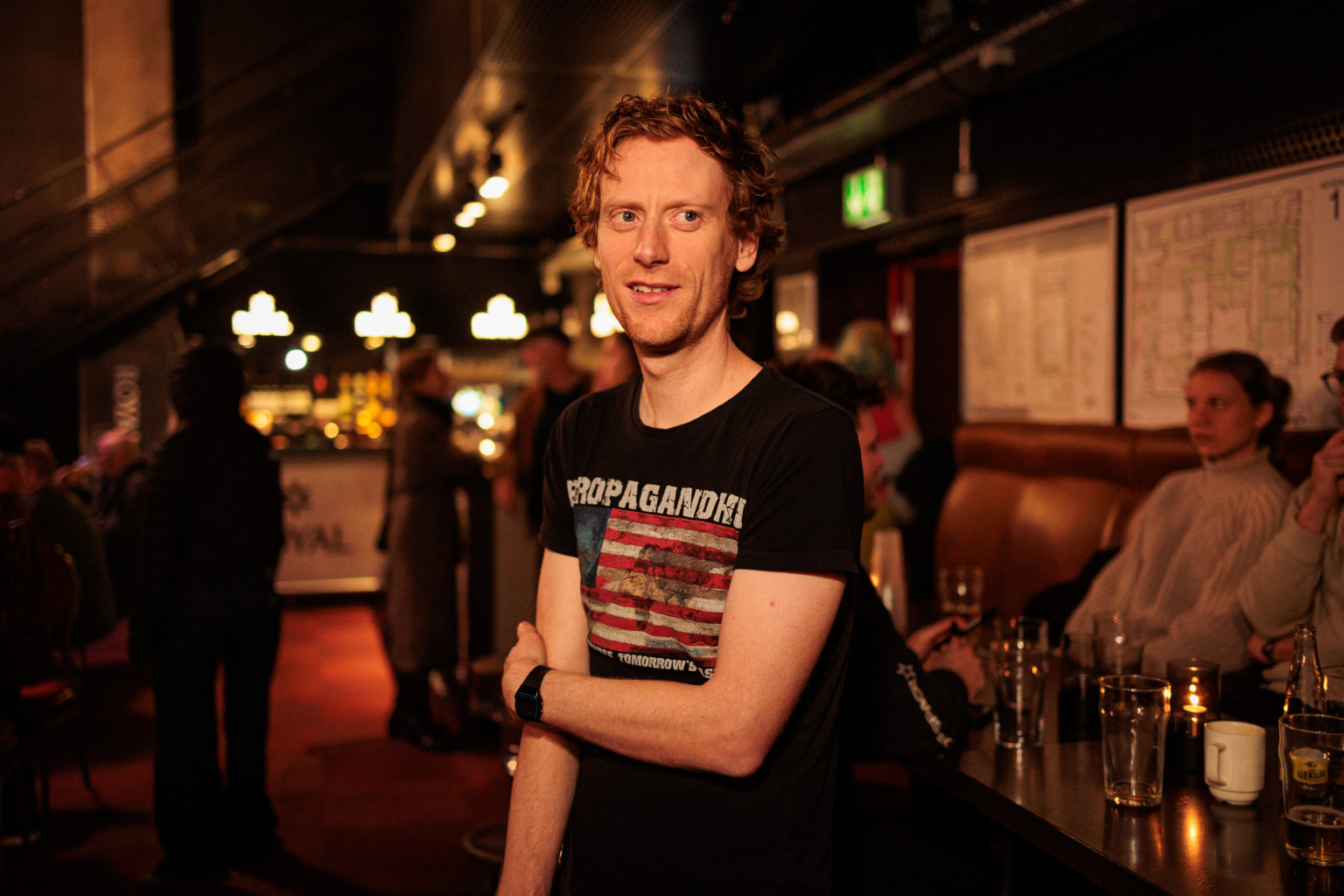
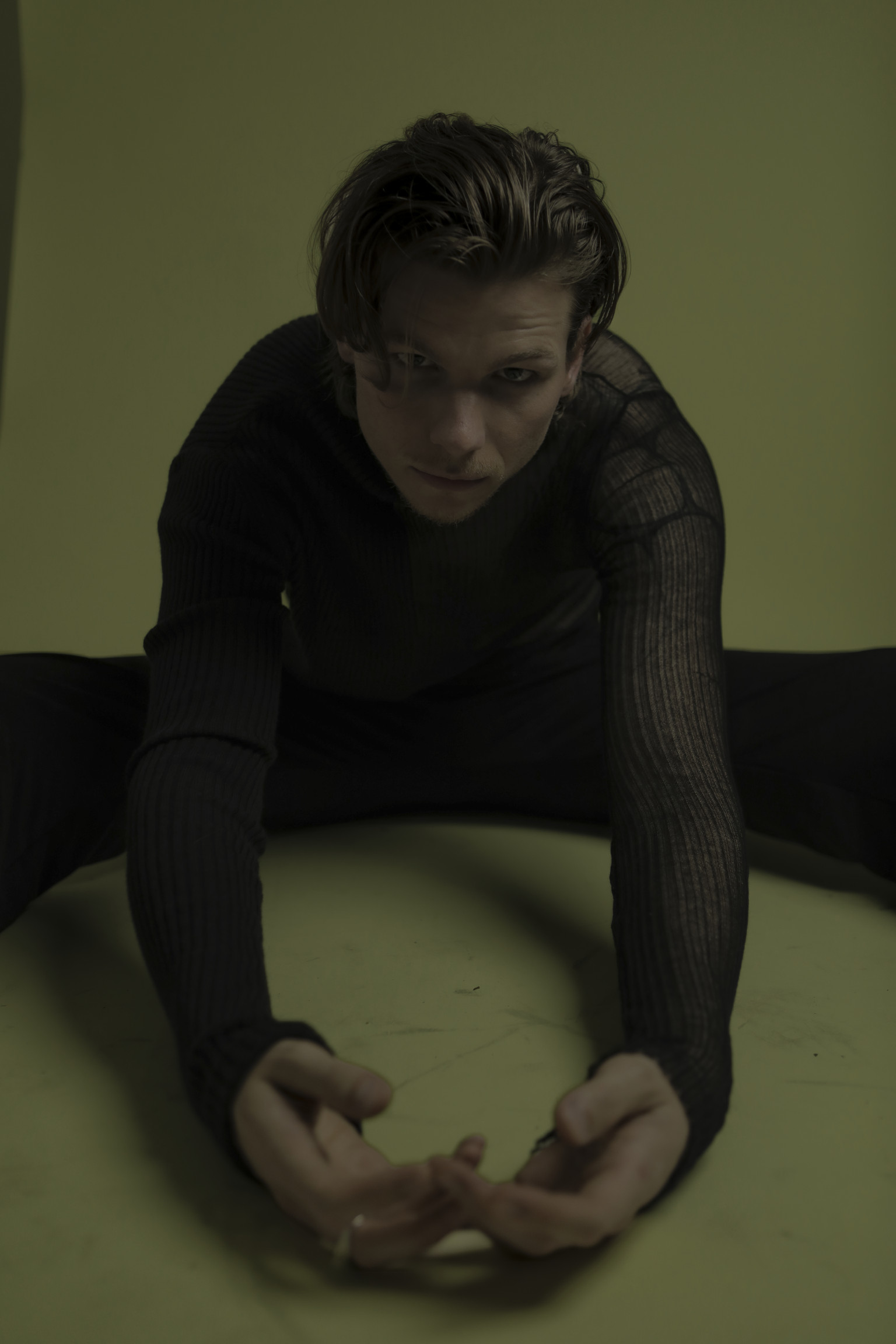
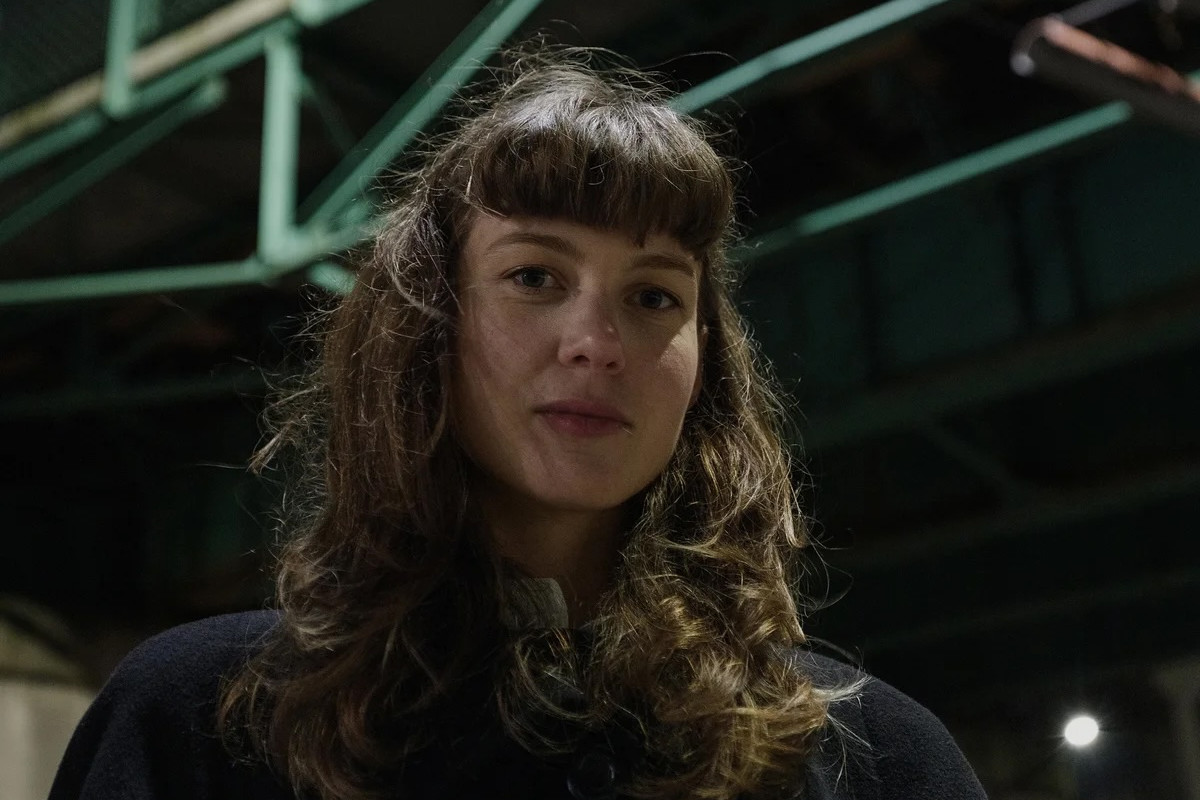
You increasingly encounter Gintė Preisaitė in different contexts and under different names – solo as Baraboro and as part of the trio Treen. With Instruments of Forgetting and the Singing Bone, the Lithuanian-Danish composer releases her first album under her own name, and it certainly feels like her most personal work to date.
Above all, this is because Preisaitė sings on seven of the album’s eight tracks. She treats her voice as an instrument equal to all the others, and although the singing is lyrical, she primarily uses it to create texture, depth, and contrast. On »Summary Saint Mary«, for instance, layers of vocals in different registers intermingle with scraping background noise, rapid pulses, resonant bass, and a multitude of sounds of both digital and analog origin. It feels refreshingly fragmentary – a willingness to play with uncertainty. Not everything coheres, yet it is precisely this lack of cohesion that makes the music feel alive and compelling.
Only on »Nippon Dreams« – a dense collage of percussion, samples, and field recordings of Japanese voices – is Preisaitė’s vocal absent. And it is only then that one realizes how essential it has been as a point of orientation throughout the album. Its absence leaves a void that underscores the duality Preisaitė works with: the music feels both intimate and cool, present and distant.
Instruments of Forgetting and the Singing Bone does not provide many answers. Instead, it becomes yet another fascinating piece in the puzzle of Preisaitė’s singular oeuvre.
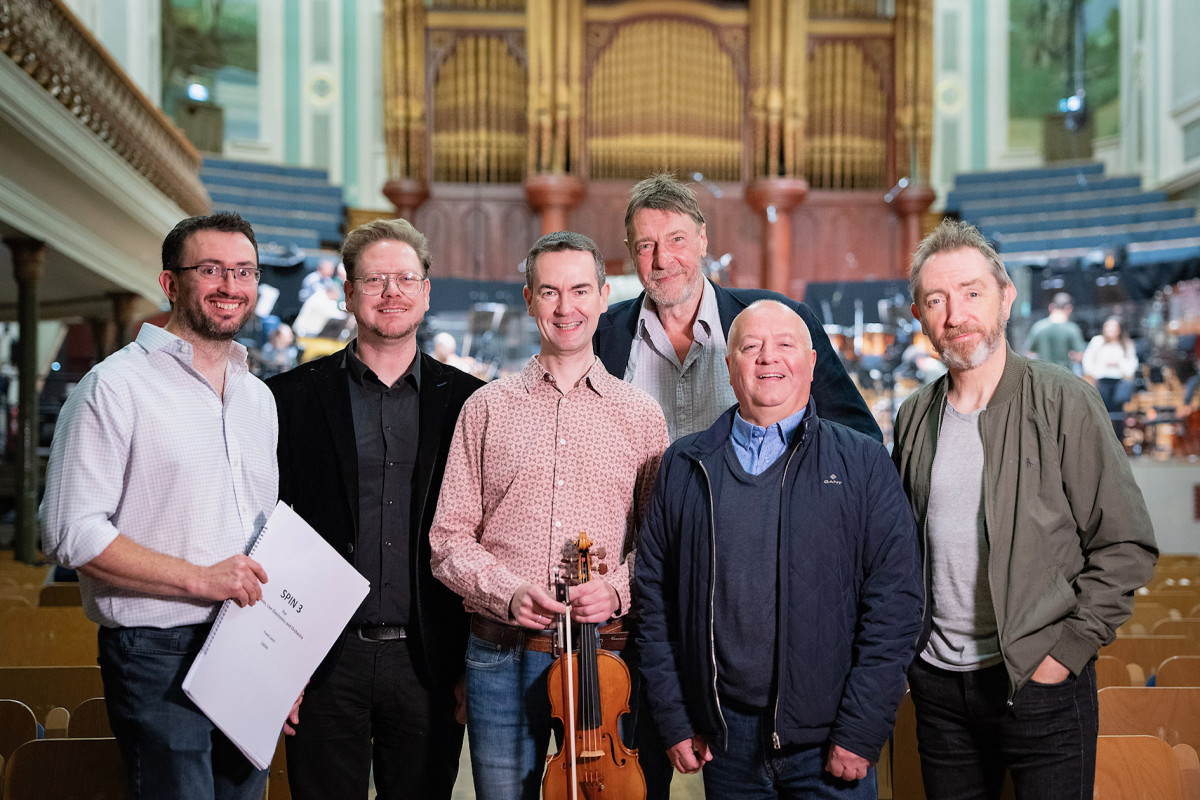
There is nothing quite like true enthusiasts. They champion composers and works that might otherwise have remained dormant. Here we have the exuberant violinist Darragh Morgan, who since the age of fifteen (!) has promoted and performed contemporary music. He knows what works and has a keen instinct for new pieces and composers – especially on this album with the not exactly catchy title Spin – New Music for Violin & Orchestra from Northern Ireland. Four relatively recent violin concertos, all centred around Morgan as soloist. Two of them are dedicated to the musical firebrand himself.
There is fire in Brian Irvine’s violin concerto À mon seul désir from the very beginning, where sparkling motifs and riffs erupt everywhere. Almost too much energy and activity – but it works, and all the fierce gestures are carefully balanced. The movement is titled »With a big life embracing energy«. Concrete and descriptive – the Irish leave the grand spheres of abstraction to the contemporary music scene in Central Europe. I have replayed the dramatic climax of the second movement several times out of sheer enthusiasm, and the entire concerto (which lasts only fifteen minutes) ends with angelic beauty on Morgan’s highest, finest strings.
Ryan Molloy’s three-movement violin concerto, stretching beyond twenty minutes, by contrast tends to drift somewhat aimlessly, although the final movement reaches a strong level. Bill Campbell’s Swim is unmistakably Irish in tone throughout, conjuring images of rolling fields and the proud Irish landscape. Midway through the quarter-hour work, Darragh Morgan delivers a heartfelt and expansive solo cadenza.
Fortunately, Frank Lyons’s Spin 3 is also a small gem, leaving the listener uplifted by this new Northern Irish music performed by the Ulster Orchestra and the fascinating Darragh Morgan, whose deep personal dedication gives so much to the music.
English translation: Andreo Michaelo Mielczarek