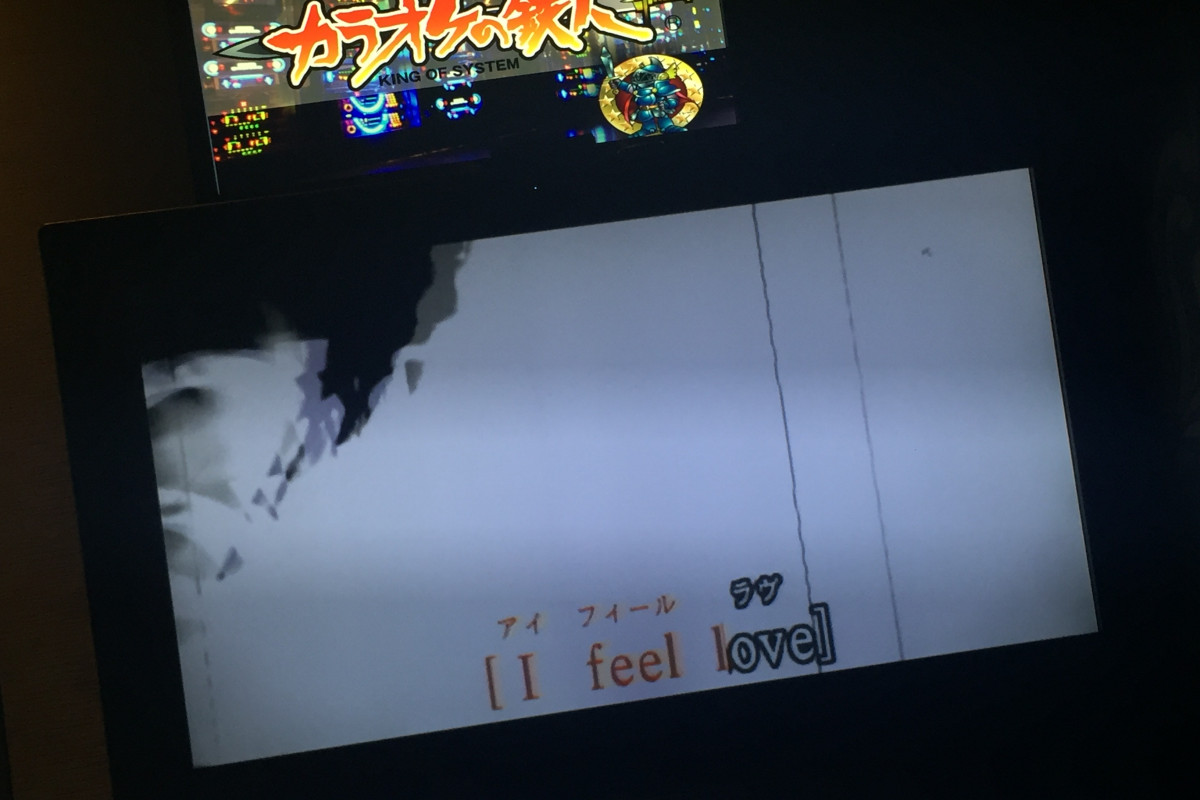
I went on an artist residency in Tokyo in 2018/19 for three months and ended up spending most of my time in karaoke boxes. I don’t remember what my actual project was but in the birthplace of karaoke, amateur singing of pop songs was all I could think of.
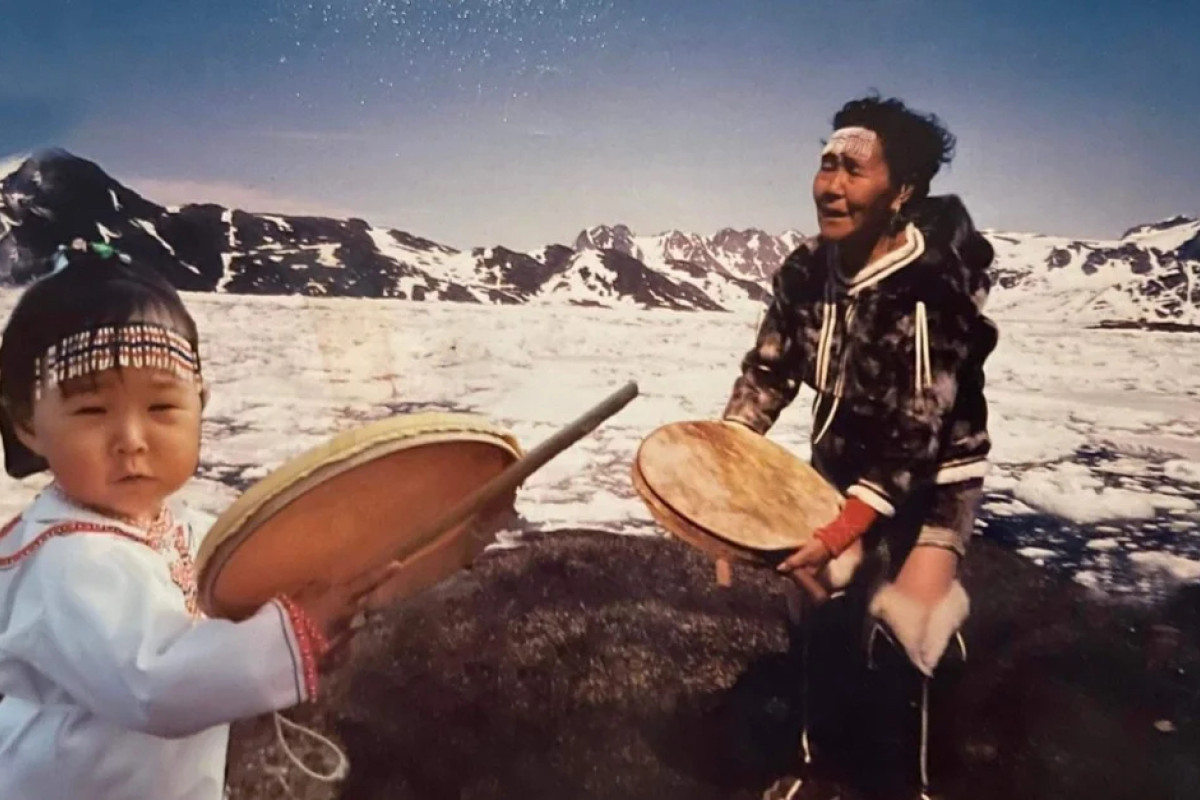
For over 4000 years, the Inuit in Kalaallit Nunaat, as Greenland is called in Greenlandic, have been living in an intimate relationship with nature in the Arctic. Their knowledge of how to survive under such harsh conditions has been preserved and passed on via sound through the millennia.
The article analyses the genre of listening scores – texts written in a natural language that provide the readers with instructions to listen in a certain way or to a certain kind of sounds.
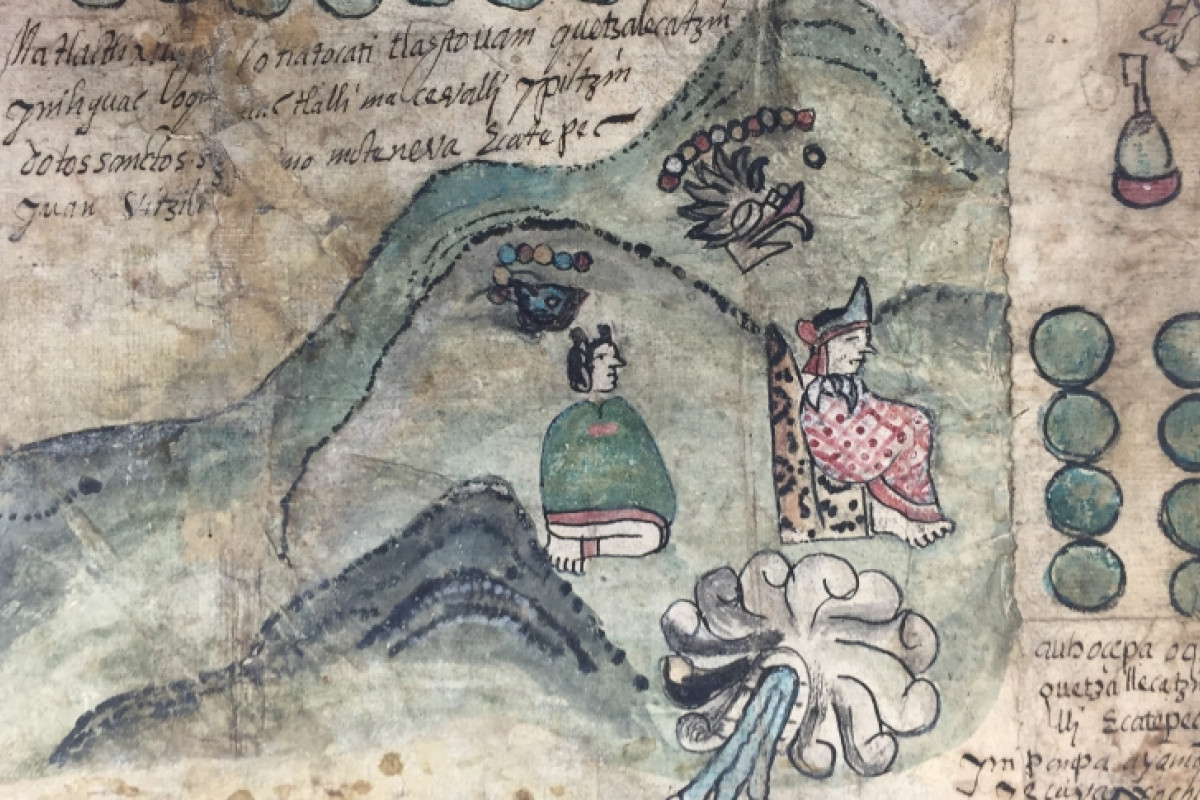
How do we talk about musical colonisation? How do we talk about this work of talking about it; that is, interrogating what we mean by colonisation and its counter-logic of decolonisation or decoloniality?
By
Anjeline de Dios, Phil Dodds , Sanne Krogh Groth, Xenia Benivolski, Hild Borchgrevink, Nils Bubandt, Yurii Chekan , Maria Rijo Lopes Da Cunha , Brandon Farnsworth, Rosanna Lovell , Caryl Mann, Ania Mauruschat, Ucee-Uchenna L. Nwachukwu, Ellen Marie Bråthen Steen & Yiren Zhao
Slowly the idea of universality is dissolving, experimental music exists everywhere and in every genre – Abbasi, Eizirik and Sanchéz-Chiong in conversation.
Salomé Voegelin’s book about our uncurating sound is her most personal and also most difficult to read – however, succeeding with her project, despite almost all odds.
In this audio essay we interrogate the autoethnographic in soundscapes by engaging with the narratological nature of field recordings in their ability to convey not only affect but also memory, history, and context.
This audio paper analyses the emotions of contemporary laments in the context of music and performing arts in Finland, and presents the course of events behind the current practices with audio examples.