



CTM Festival in Berlin: Is the Electronic GPS Still On?
1. Electronic Nocturnes
Berlin and electronic music go together like hand and glove. Since 1999, CTM has been a place where new aesthetics, political currents, and the next movements of club culture can be traced. On one of the first concert days this year, you could sit in the dark at Radialsystem and listen to electronic nocturnes.
Nocturnes are still best performed by incorrigible melancholics and other doom-laden souls, with or without jet lag
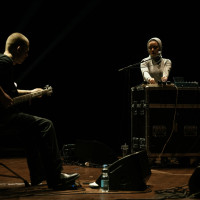
feeO drew on club music, but it felt as if the pulse had turned inward. One had to wait a long time for climaxes in songs that moved between drone, ambient, and minimalist rhythms, with the voice at the center. I heard them as subdued, almost private nocturnes.
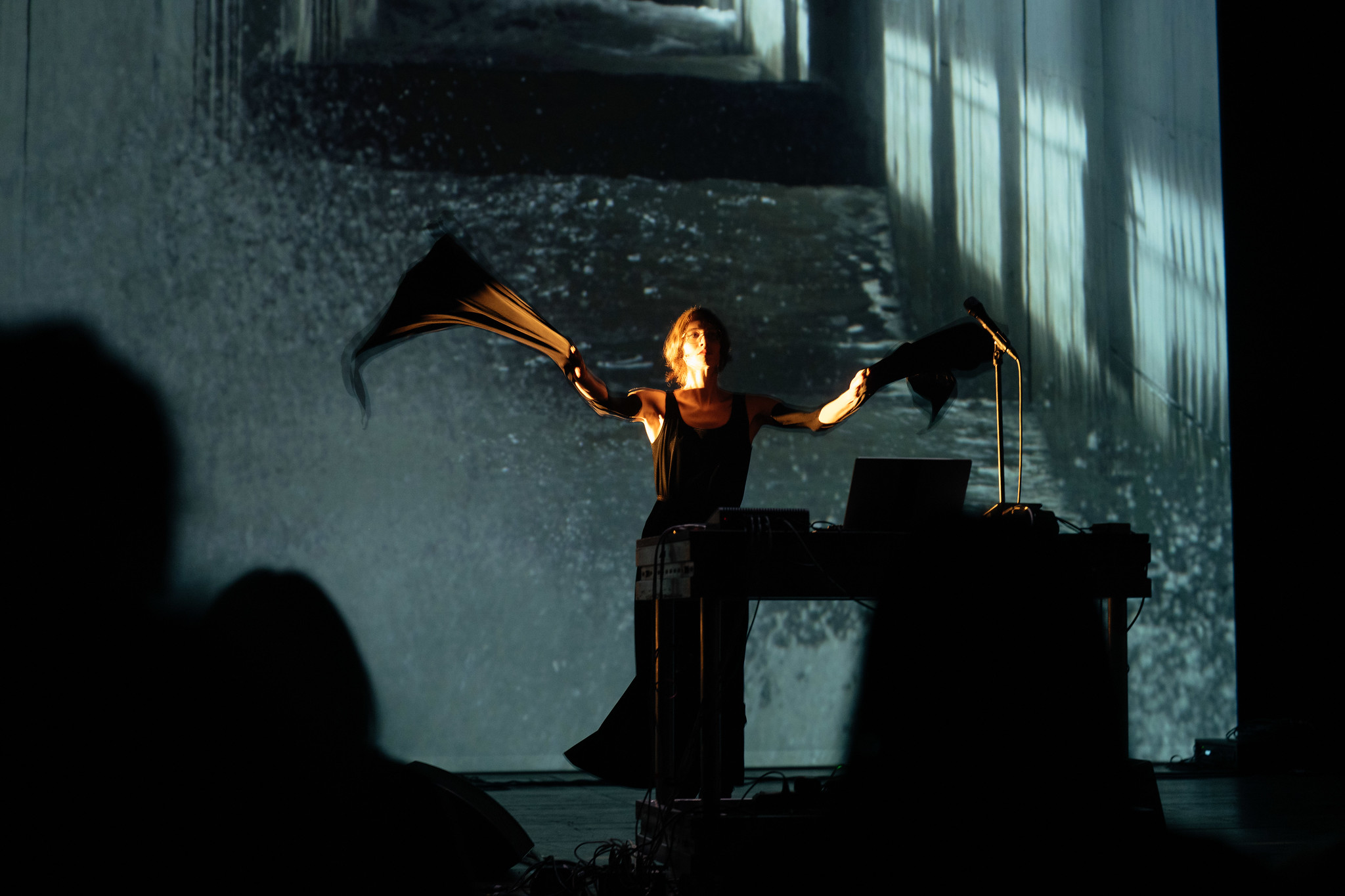
A massive snowstorm in the United States made it uncertain for a long time whether Kara-Lis Coverdale would arrive. But she did, performing compositions of delicate, displaced harmonies and textures that constantly slipped out of fixed form. Lyra Pramuk followed with layered vocals and an insistent hope for community in a fractured time.
The evening taught me one thing: nocturnes are still best performed by incorrigible melancholics and other doom-laden souls, with or without jet lag.
2. Darkness at Berghain
Something had changed at Berghain. Already at the door. The guard was blunt, but almost friendly. »You can be a journalist everywhere else – just not here,« she said, placing green stickers over my phone’s camera. Just in case I felt the urge to document whatever might happen at Panorama Bar or Säule.
Berghain suddenly felt porous. When the world is turned upside down, apparently Berghain is too
But many people don’t find Berghain particularly nice these days. In recent years, the club has faced criticism and cultural boycott—among others from the initiative Raves for Palestine following the cancellation of a concert with Arabian Panther and accusations of censorship against artists expressing solidarity with Palestine.
Inside, the program was titled Emotional Songwriting. In my sixteen years at Berghain, I had never heard a banjo there. Certainly not one this mournful. (Though I do recall hearing the Georgian National Choir at Berghain in 2020, which was also quite surreal.) Milkweed performed with detuned guitars, worn tape equipment, and unstable software. The music sounded like fragments of folk memory filtered through decay. My colleague from Murmansk – at Berghain for the first time—had expected techno mythologies. Not Irish ones.
Tony Njoku sang fragile ballads in a Terence Trent D’Arby-like falsetto at an electric piano. Pink Siifu from Alabama carved out his own crack between genres: Southern hip hop, punk, jazz, noise, Detroit ghettotech – restless, constantly moving on.
Berghain suddenly felt porous. When the world is turned upside down, apparently Berghain is too. On the way out, the bouncer nodded almost affectionately. Have you ever seen the like?
Tony Njoku sang fragile ballads in a Terence Trent D’Arby-like falsetto at an electric piano
3. Global Club Geography
This year’s theme, dissonate <> resonate, unfolded like a map of contemporary collisions and connections. The program ranged from drone and doom to global club music and theoretical discussions on solidarity.
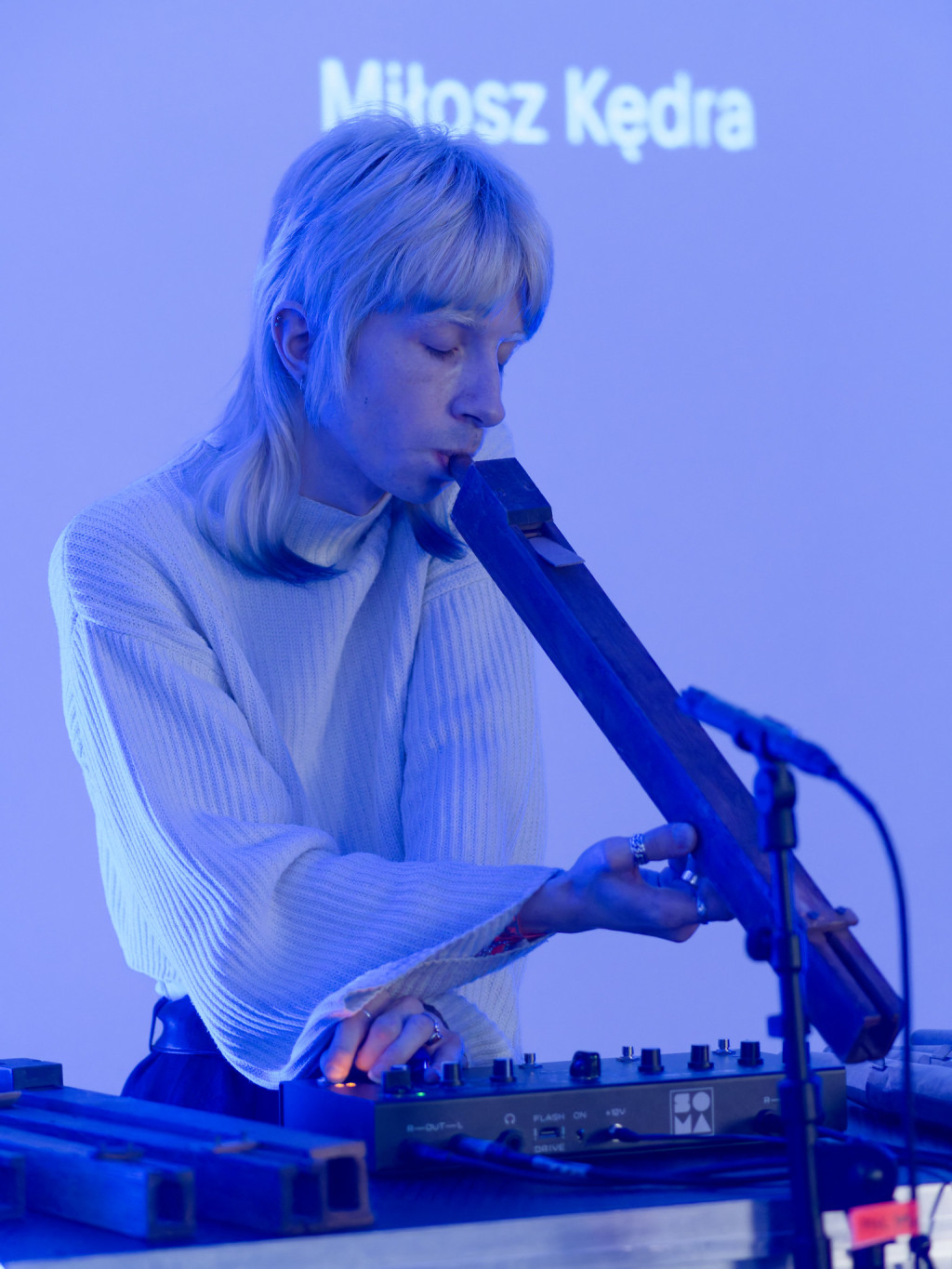
The scope was immense: low-frequency sound art, musicians with ceramic instruments, bamboo mouth organs from Borneo, global drone practices, and algorithmic realities that few have yet learned how to listen to. I certainly haven’t.
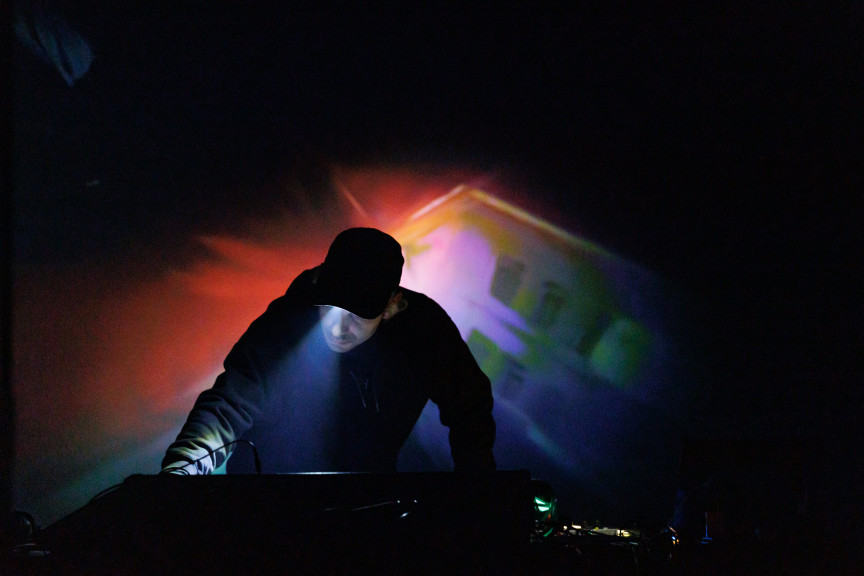
The Mauritian producer tripes let local traditions melt into digital structures. Emiddio Vasquez’ 21s drew lines between Ayia Napa’s club history, UK Garage, military presence, and AI aesthetics. Tohal Kyna X Sara Persico together established a trembling, paranoid industrial minimalism, while a workshop with Mark Bain explored the vibrations of buildings using seismic sensors.
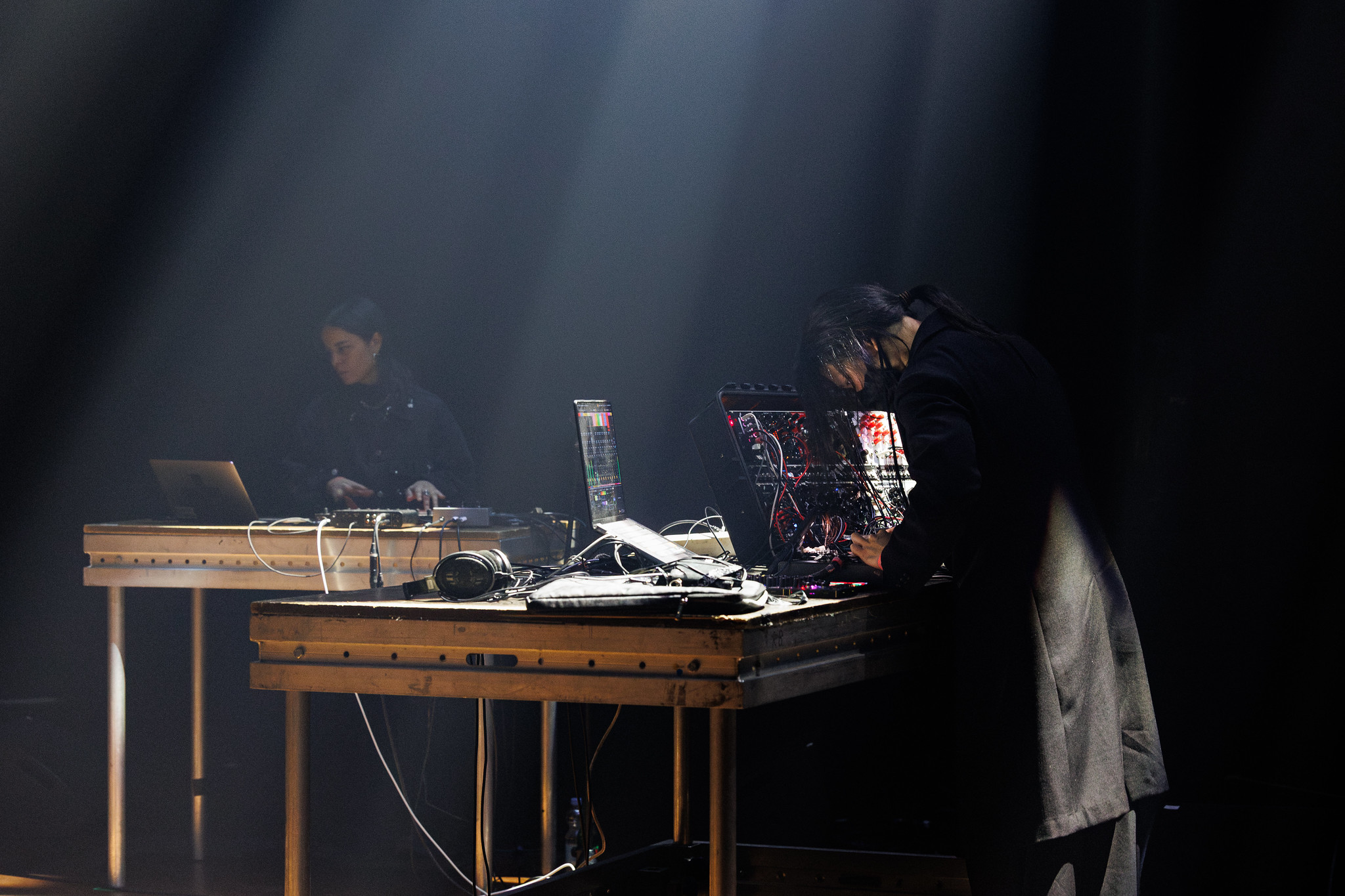
Once again, I was reminded why it makes sense that CTM takes place in the German capital, famous for Haus der Kulturen der Welt. In the middle of the night, you suddenly found yourself inside a global sound system, where rhythms intersected across continents – where Egyptian rap, Guadeloupe, and Bristol briefly met as overlapping signals.
What was interesting emerged precisely where things did not fit together
4. The Politics of Resonance
At Volksbühne, Sam Slater’s A/V work Lunng struck like cold through the room: distorted bass planes, flickering images in a slow, disorienting drive – like a nocturnal journey without destination.
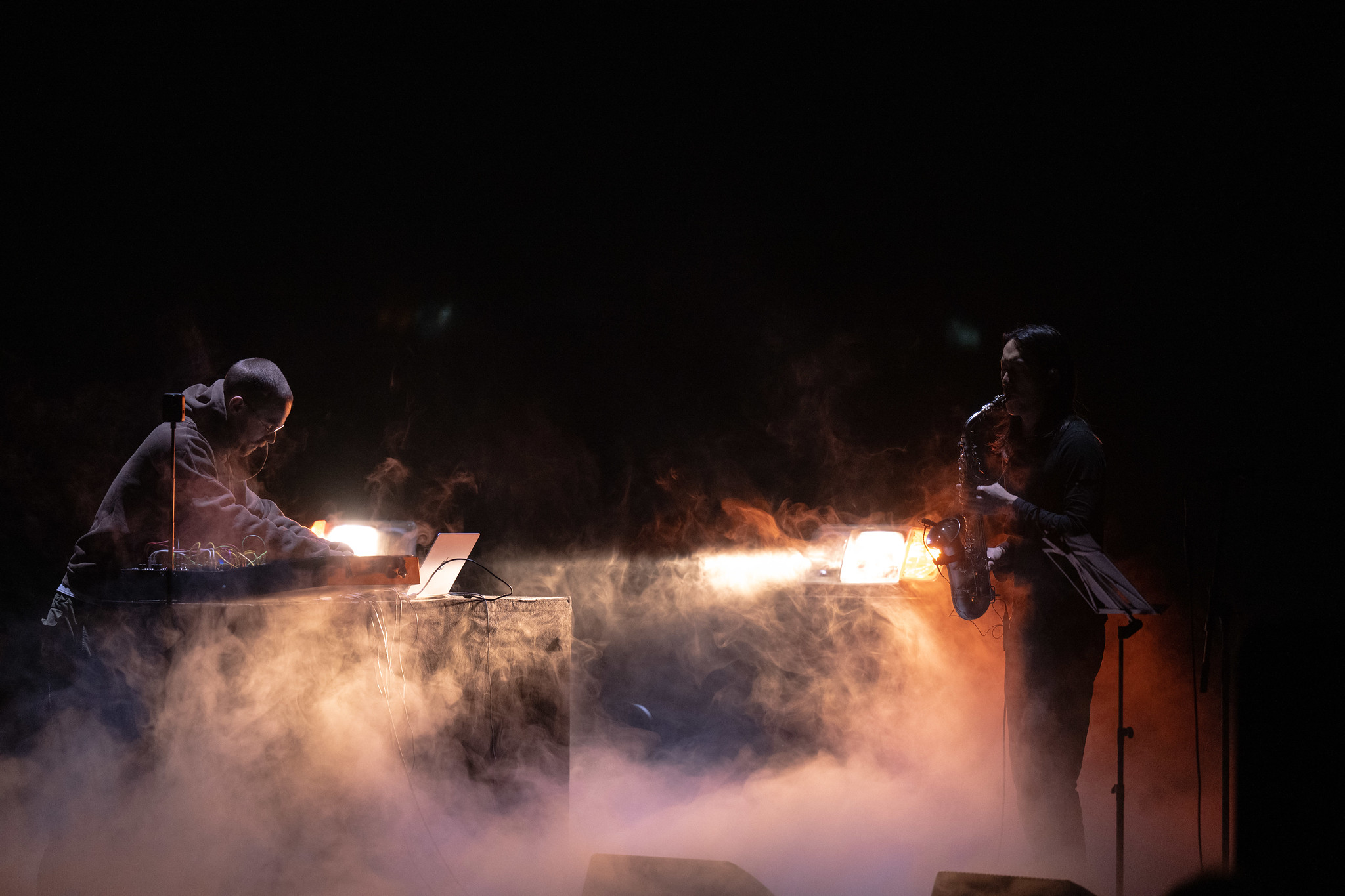
Emma Ruth Rundle followed with songs marked by the slow erosion of grief, somewhere between doom-folk and ambient.
In the festival’s discursive strand, resonance and dissonance were framed as images of solidarity: community does not arise only in harmony, but in friction – in the misaligned and the unresolved.
You could hear it in the music: in Kat Válastur & Aho Ssan’s ritual bass and fragmented rhythms; in ∈Y∋ & C.O.L.O’s digital collisions; in Growlers Choir as a multi-voiced vocal monster somewhere between screams and choir.
What was interesting emerged precisely where things did not fit together.
CTM – and other festivals in the city that also complain – seem to carry on regardless. This is Berlin, after all
Is the GPS Still On?
CTM has previously shown a remarkable ability to navigate crises. During the pandemic, the festival moved virtual clubbing into Minecraft and found new formats for both music and community.
Again this year, there was talk of a lack of funding. But CTM – and other festivals in the city that also complain – seem to carry on regardless. This is Berlin, after all.
The mothership, transmediale – the flagship festival from which CTM originally grew (CTM stands for Club Transmediale) – has in recent years seemed somewhat under the weather, even a shadow of its former self. CTM must not end up there. We need a festival like CTM more than ever.
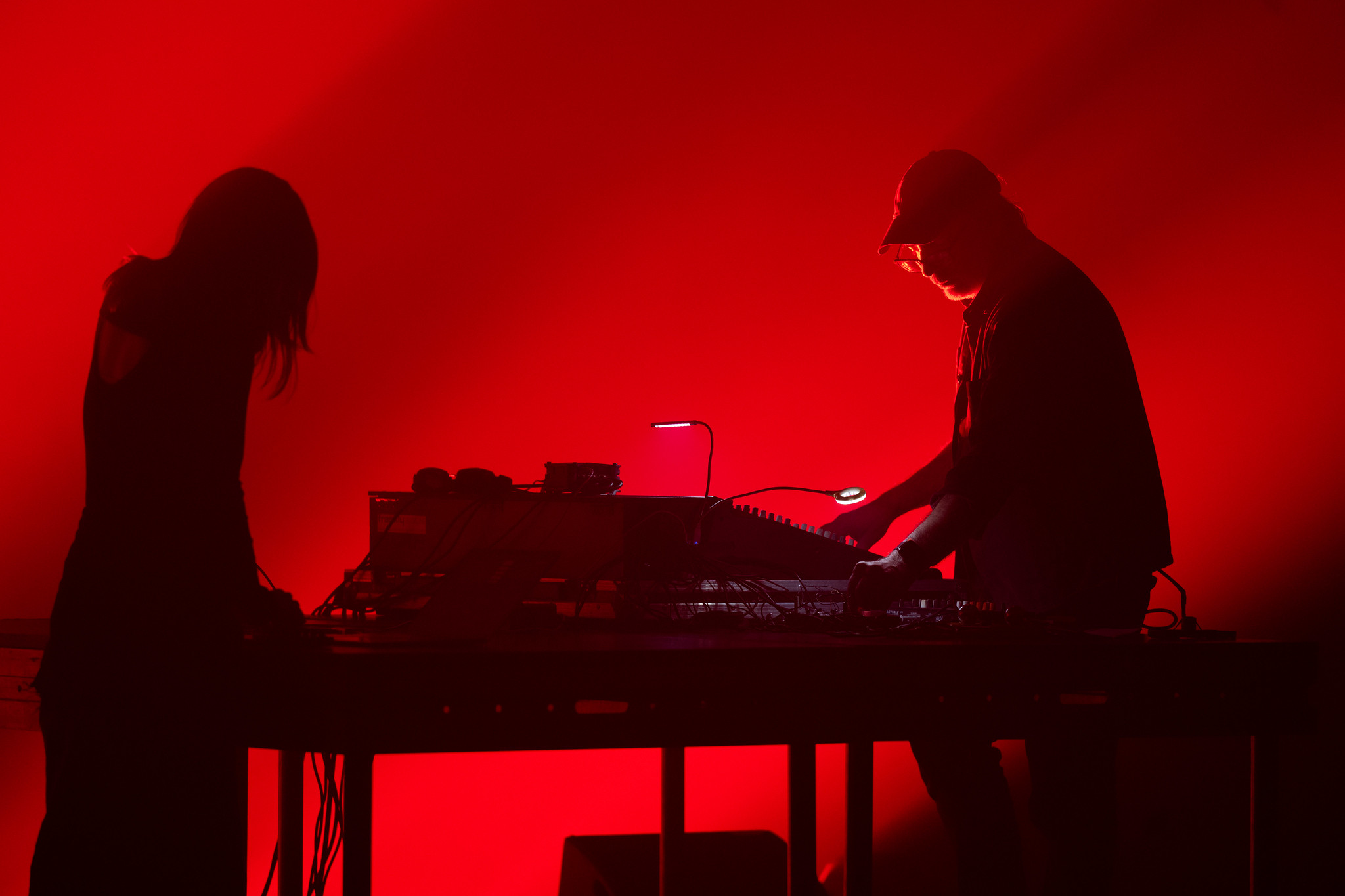
The electronic music scene has changed. It has become too large, too global, and too decentralized for any single festival to map it. Perhaps CTM is no longer a GPS. But then again, the question is whether anyone is.
We need a festival like CTM more than ever
Instead, the festival appears as a node: a place where signals intersect, where directions emerge and dissolve again. Where resonance and dissonance are a fundamental condition – something you grasp whether you come from Tokyo or Aarhus.
CTM may no longer show the way. But perhaps orientation today means something else. It requires open senses, temporary connections, and the willingness to listen your way forward through the noise and darkness of the world.
CTM Festival, Berlin, January 23 – February 2, 2026
English translation: Andreo Michaelo Mielczarek