


Five Things I Learned About Love in Bergen
1. Love is also about being seduced by the unfamiliar
»Welcome to 15 days of endless love,« festival director Lars Petter Hagen wrote in the hefty festival catalogue beneath the heading »Cosmic Love«. Such mission statements can easily sound like cultural-policy aromatherapy. After all, love sells better than loneliness, inflation or geopolitics.
Such mission statements can easily sound like cultural-policy aromatherapy
So I arrived halfway through the festival with a healthy dose of scepticism. I had missed Mahler staged as total theatre, Messiaen’s ecstatic Turangalîla-Symphonie, Purcell’s tempestuous Dido and Aeneas, and Esa-Pekka Salonen conducting the prelude to Tristan und Isolde. My first concert instead took place in Håkon’s Hall with South African cellist and singer Abel Selaocoe and his Bantu Ensemble. South African songs, overtone singing, extended cello techniques and Marin Marais’ »Les voix humaines« merged into something that sounded as much like Johannesburg as the French Baroque.
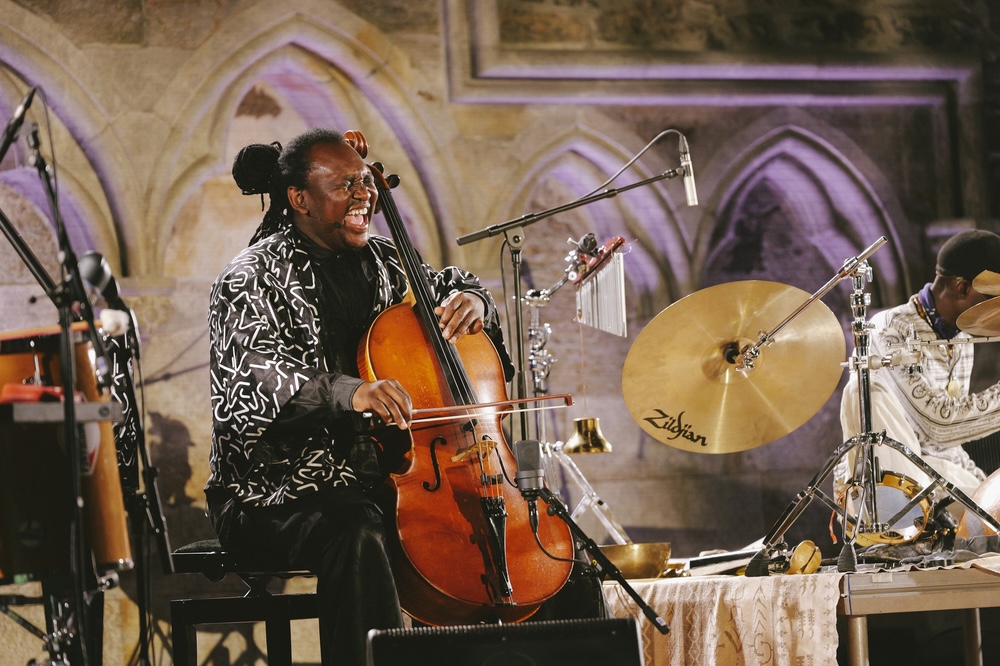
I had never heard Marais like this before. During the concert I stumbled across a comment beneath Selaocoe’s Tiny Desk Concert on YouTube: »As a Japanese, I felt a mysterious divinity in him, as if being guided by the Buddha.«
The audience inside Håkon’s medieval stone walls surrendered just as willingly. Perhaps the festival’s »cosmic love« was less grandiose than its slogan suggested.
Human beings have been just as bewildered by love for centuries as we are today
2. Love has always been polyphonic
Love took an entirely different form in the same hall with Rinaldo Alessandrini and six singers from Concerto Italiano. Monteverdi’s madrigals of desire, jealousy, ecstasy and despair were performed with an intensity that made them feel strangely contemporary. The voices contradicted, pursued and embraced one another without pause.
It struck me how little the Romantic era actually owns the idea of love. Long before the modern fantasy of the singular soulmate, Monteverdi was composing music in which love was already fractured, ambiguous and full of contradictions. Human beings have been just as bewildered by love for centuries as we are today.
While we Danes debate cultural heritage, Norwegians simply dance it
3. Love can also be cultural heritage kept alive through dance
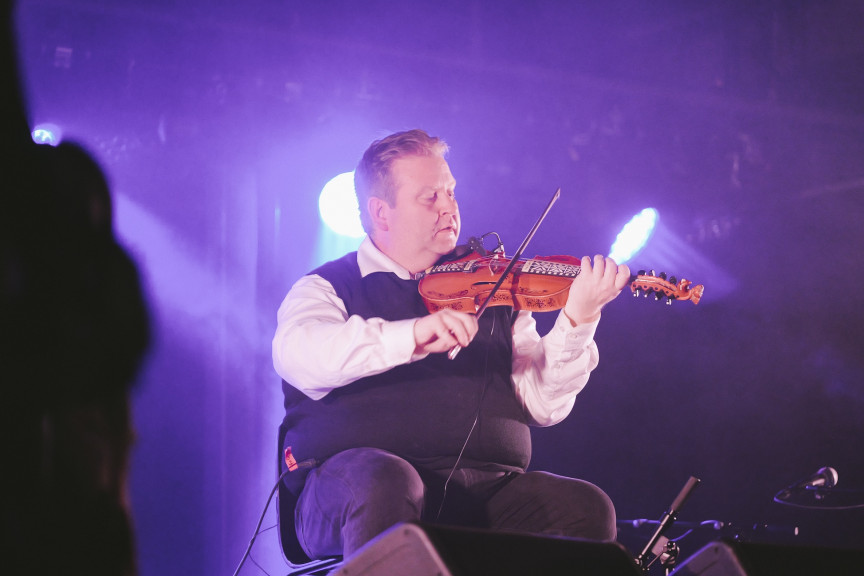
At Tuva Syvertsen’s Blodklubb, the evening began with dance lessons and ended in swirling circles of fiddles, Hardanger fiddles and DJs. On Denmark’s Constitution Day, I found myself feeling slightly envious. While we Danes debate cultural heritage, Norwegians simply dance it.
It is hardly surprising that Generation Z has embraced Norwegian folk music. As Syvertsen recently told The Guardian: »Young people feel the world is unstable. They're looking for something real, something warm, something close.« Even the violinist’s shoes became instruments in their own right as they swept across the floor, amplified by microphones.
That same search for »something real« continued in Troldsalen, overlooking Edvard Grieg’s composing hut, where Hardanger fiddler Benedicte Maurseth performed under the heading brådiktning – music created in the moment.
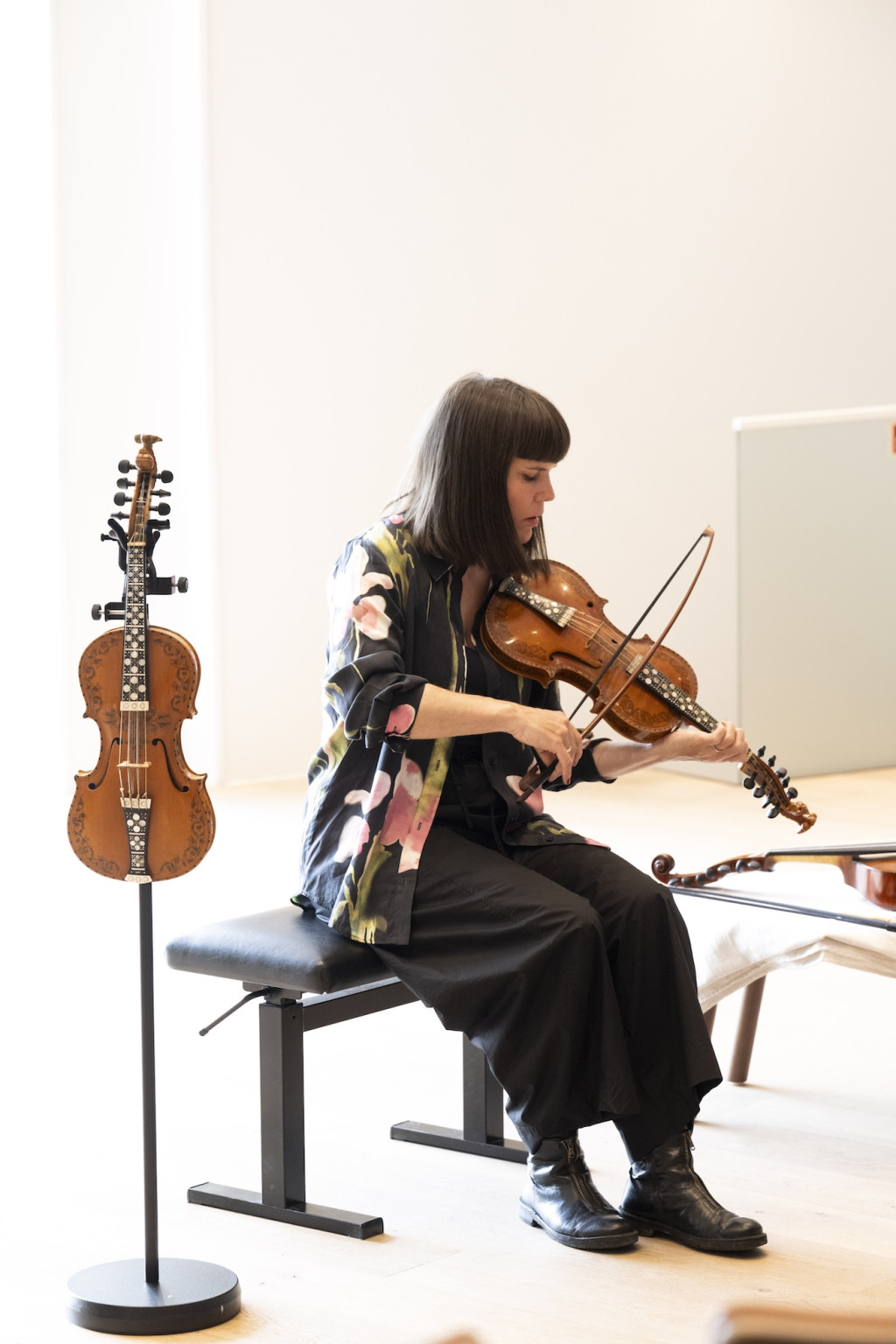
On Hardanger fiddle and viola d’amore, ancient dance tunes dissolved into improvisation, making Norwegian folk music seem permanently in motion. When she closed by singing Meredith Monk’s »Happy Woman«, it was as though the centuries-old resonance of the Hardanger fiddle suddenly spoke the same language as the American avant-garde.
4. Love also means listening to darkness
The festival’s theme quickly proved to be about much more than romance. At Bergen Kunsthall, the Zambian-Norwegian artist Anawana Haloba presented From This Darkness I Shall Grow.
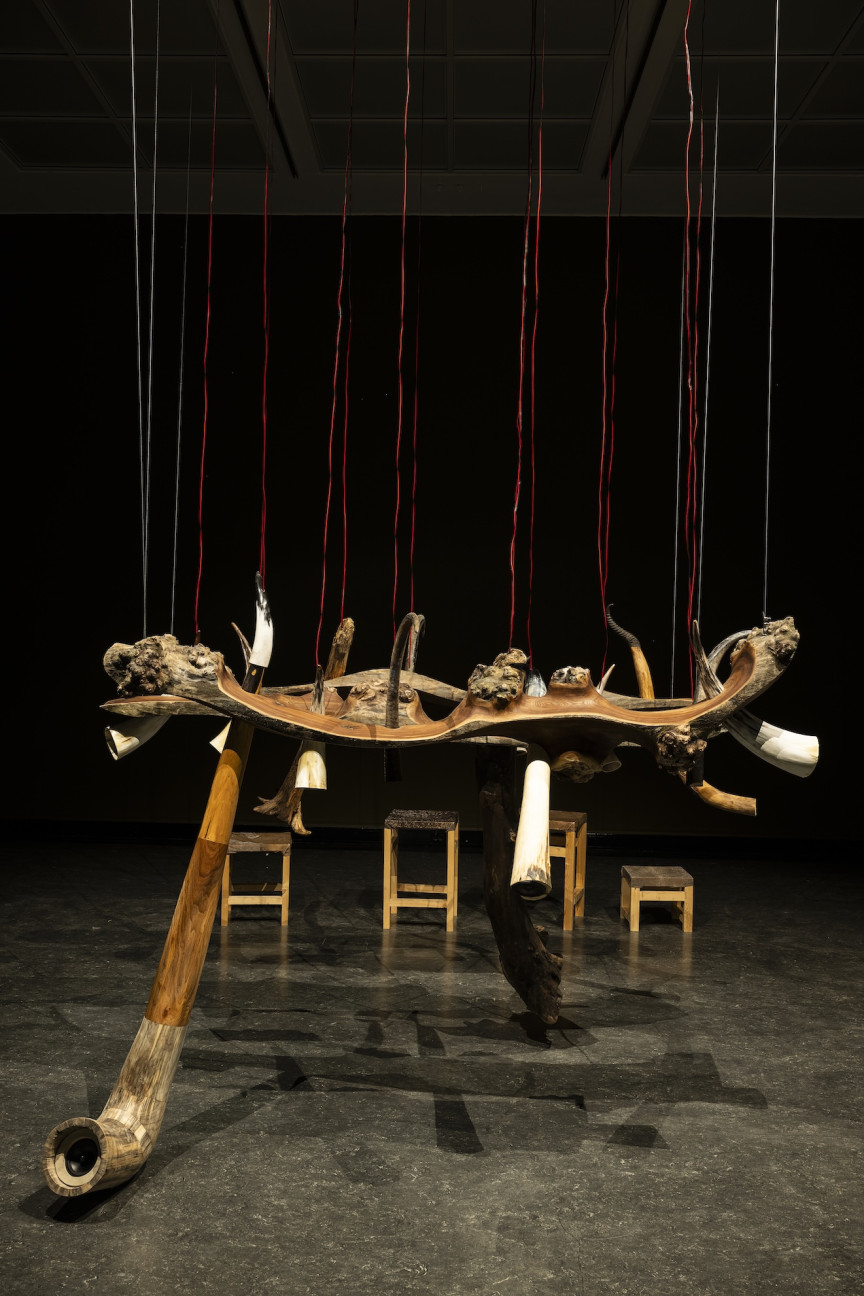
In one installation visitors had to crawl beneath a sculpture of wood, horn and copper in order to listen. Humming voices, birdsong and natural sounds emerged from the horns, while trickling water, deep drones and resonances drifted through the exhibition.
With Haloba, sound became a medium of memory – a way of connecting the living and the dead, colonial histories and contemporary communities.
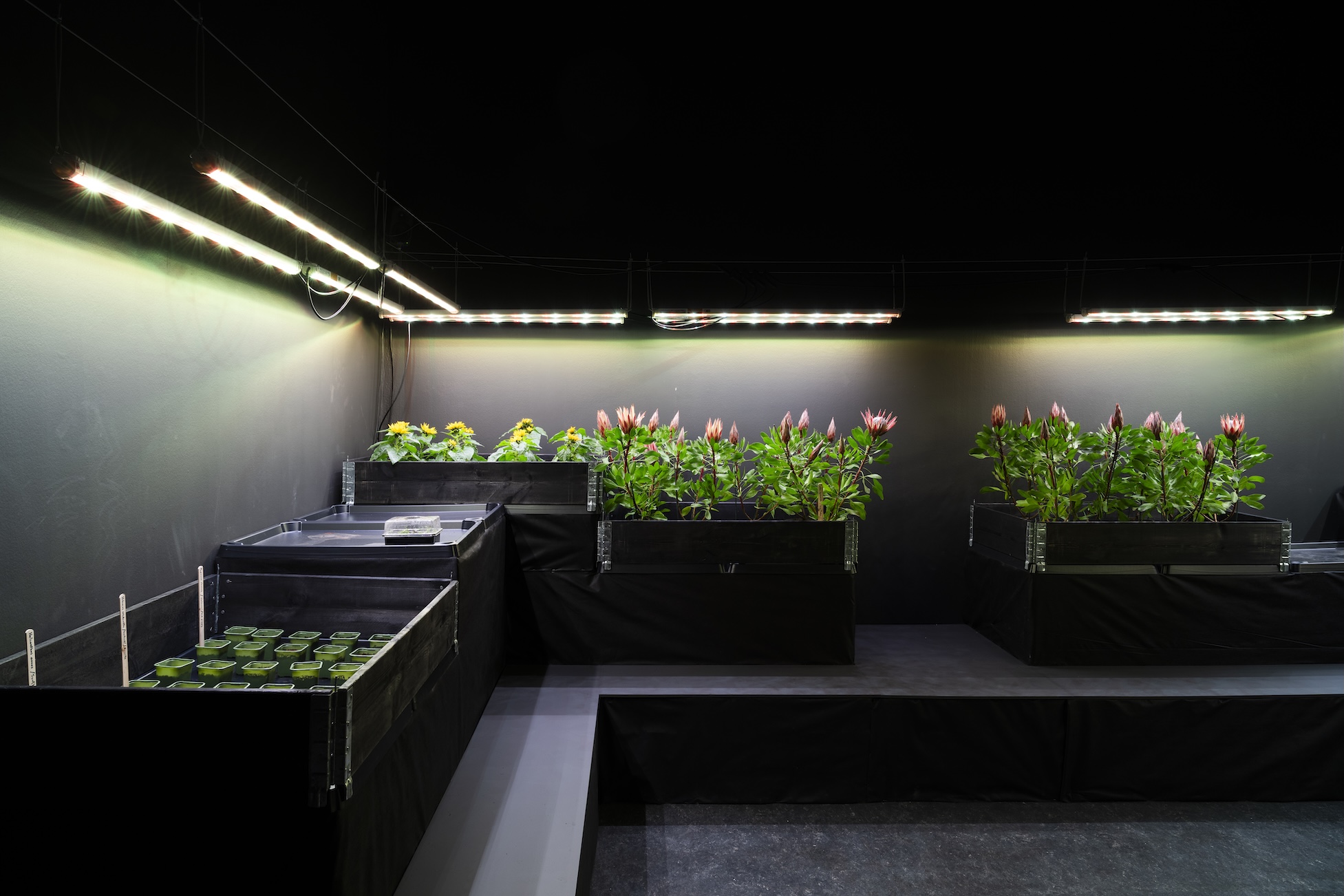
In the exhibition’s final room, filled with flowers, the fragile voices of a girls’ choir from Khan Younis in Gaza dissolved the dense polyphony into something almost unbearably exposed.
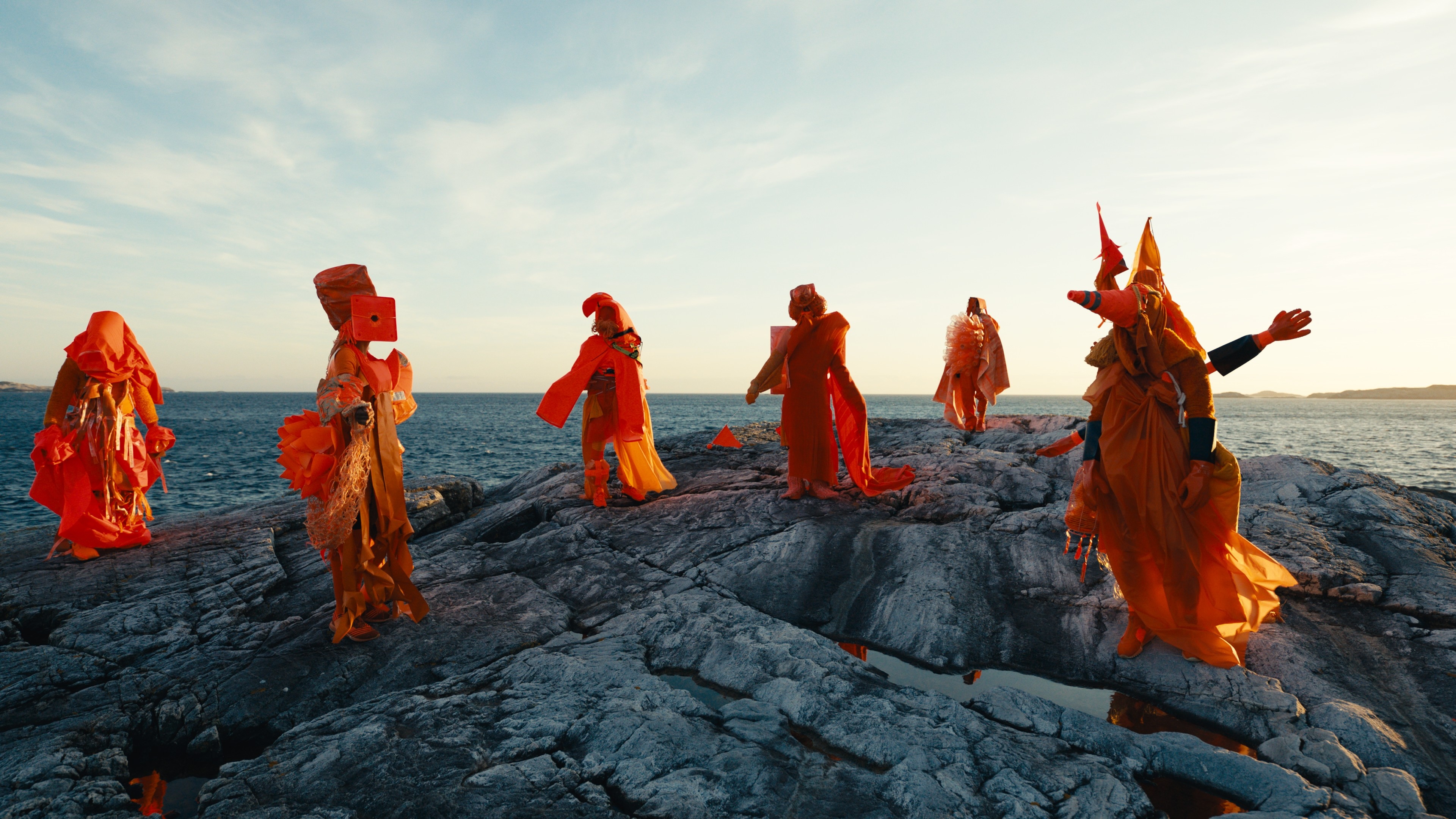
A similar sensibility appeared at Kode, where Eszter Salamon’s multi-screen installation Landscaping, created with Carte Blanche, paired a simmering electronic soundscape with images of landscapes filmed near Bergen. Humans and nature seemed to coexist on new terms, like figures emerging from a shared memory within a threatened ecosystem.
5. Love never sings in a single voice
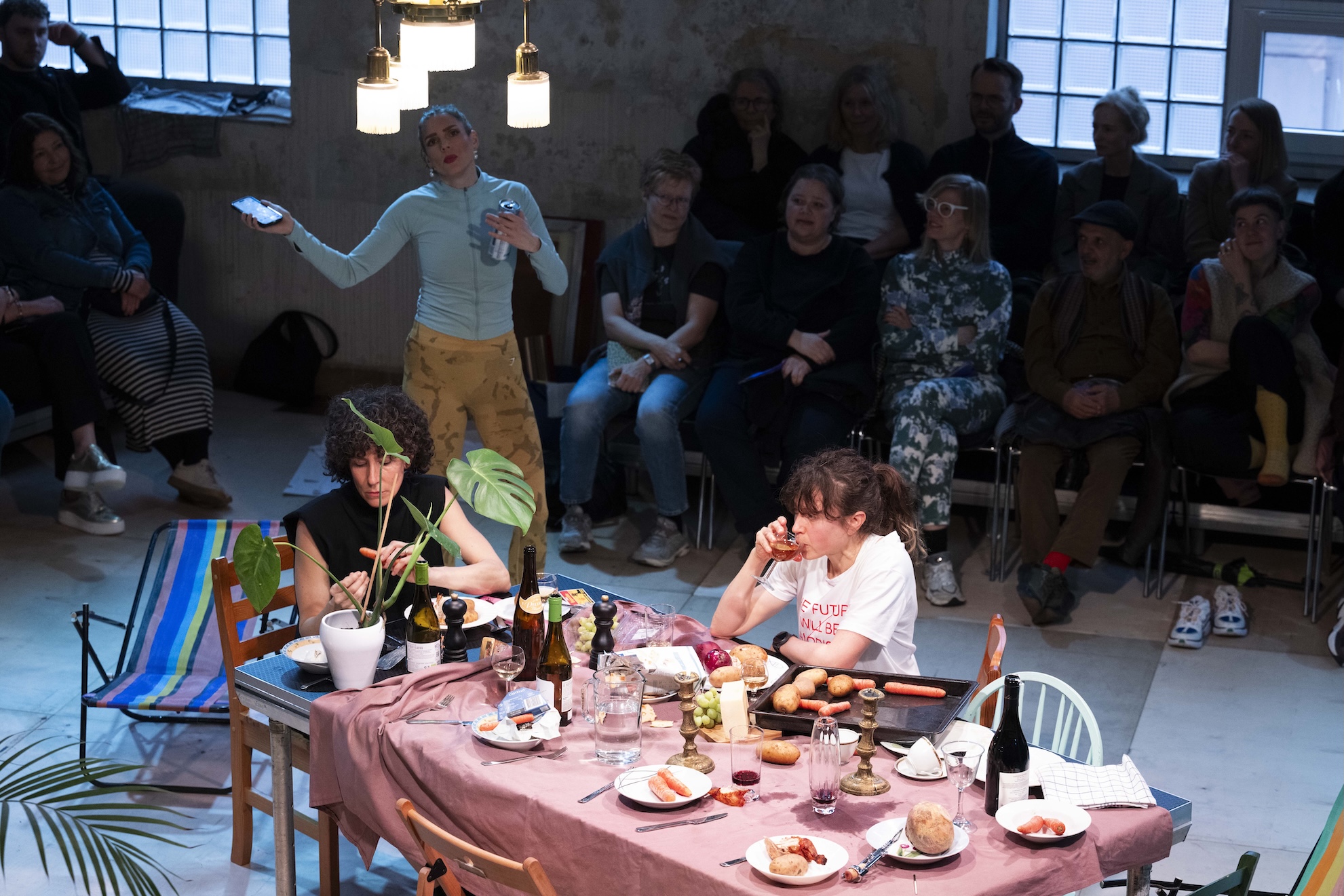
One of the festival’s most beautiful summations came in Mette Ingvartsen’s Unchained Melody. The performers sang medieval troubadour songs, Renaissance madrigals, pop ballads and »The Book of by The Magnetic Fields.
Unchained Melody sounded like a cool jukebox caught in an endless loop
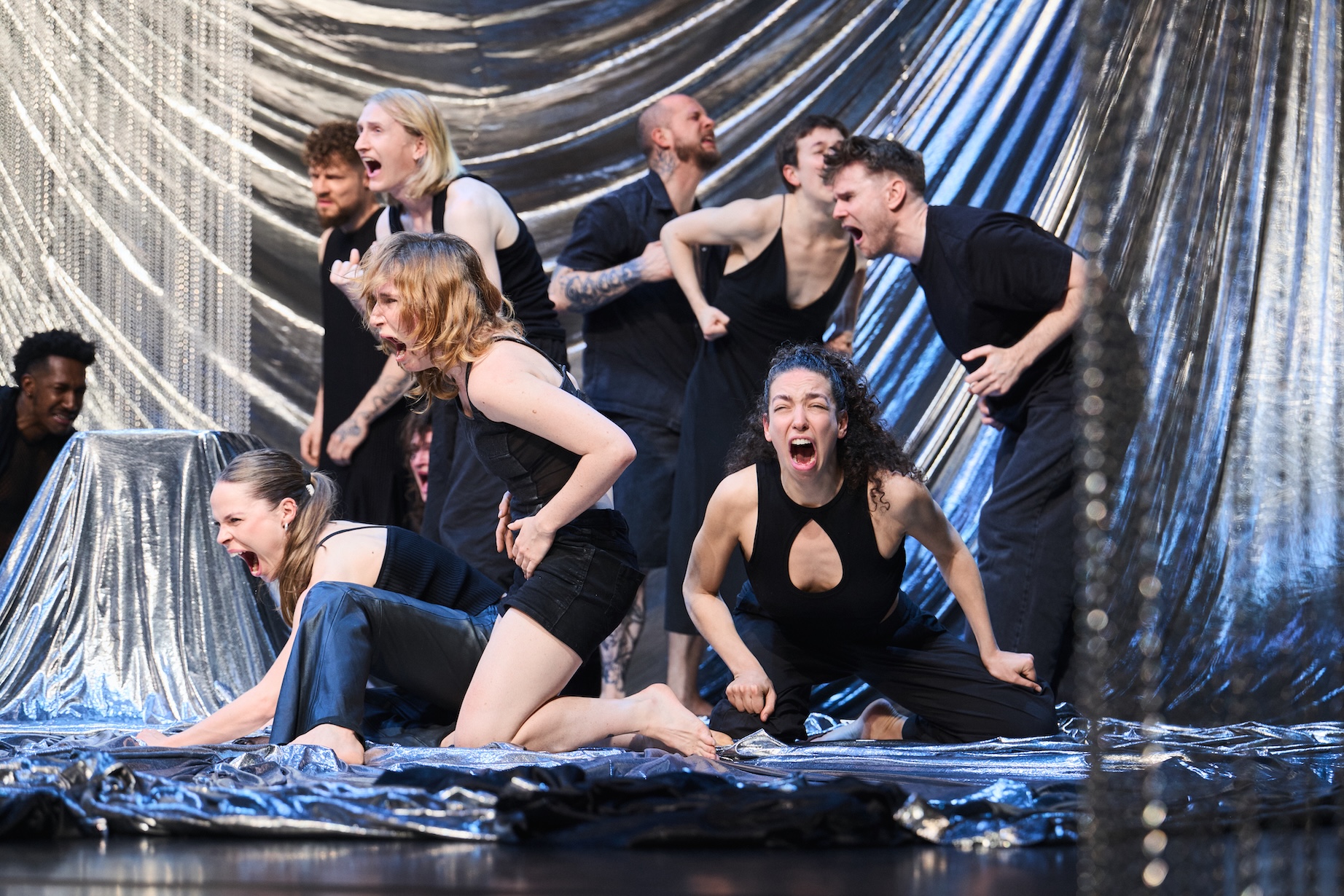
Voices cracked, faces contorted, and you never quite knew whether to laugh or cry. Love, after all, can also be unruly and impossible to control. Unchained Melody sounded like a cool jukebox caught in an endless loop, but also like a choir in which love songs spanning eight centuries suddenly began speaking to one another. It brought to mind Walt Whitman’s »I contain multitudes,« later borrowed by Bob Dylan as the title of one of his songs.
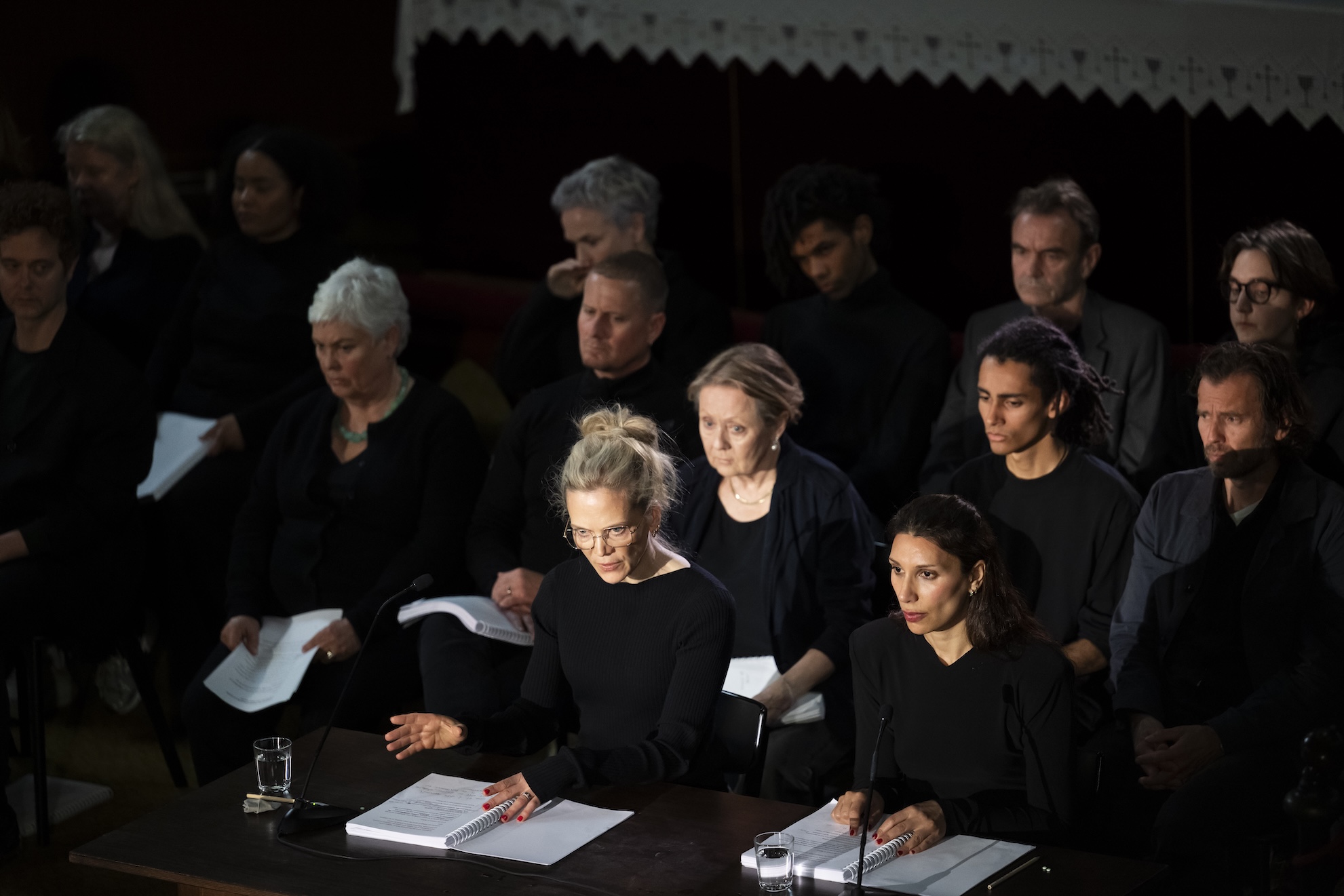
Milo Rau and Servane Dècle’s The Pelicot Trial. © Thor Brødreskift / Festspillene i Bergen
Milo Rau and Servane Dècle’s The Pelicot Trial likewise began with music: Purcell’s haunting »Cold Song« from King Arthur before the courtroom slowly emerged. The Baroque lament did not beautify the violence. Instead, it allowed the silences between the testimonies to speak with almost unbearable force.
Elsewhere the festival continued to reveal love as unstable and contradictory. Mark Lockyer performed Hamlet entirely alone, delivering »To be or not to be« with an unexpectedly offhand immediacy. Nicola Gunn’s reimagining of Three Sisters transformed Ravel’s Boléro into an absurd crescendo of longing and social disintegration.
The Norwegian Radio Orchestra’s celebration of Miles Davis’ centenary captured much of the electric restlessness that made Miles Davis who he was. Three trumpeters – Nils Petter Molvær, Eivind Lønning and Kristina Fransson – shared the spotlight. Unfortunately, conductor Miho Hazama occasionally softened the music’s edge with lush strings. A sudden quotation from Stravinsky’s The Rite of Spring, however, reminded us of Davis’ uncompromising curiosity.
The last thing I witnessed before leaving Bergen was a group of young people dancing beside the fjord to Madonna’s »La Isla Bonita«
Next door, at the aptly named Sardinen venue as part of Nattjazz, Stefan Pasborg Trio embarked on its own global journey. Carsten Dahl’s prepared piano rattled like a magical percussion orchestra in tribute to Rabat. Pianist and singer Anna Ueland’s Populærmusikk for likesinnede (»Popular Music for Like-Minded People«) was billed as »experimental gangster pop«, but what I heard instead were tender, collective explorations shaped by a less-is-more aesthetic – not least in a song comparing love to »foam on the sea«.
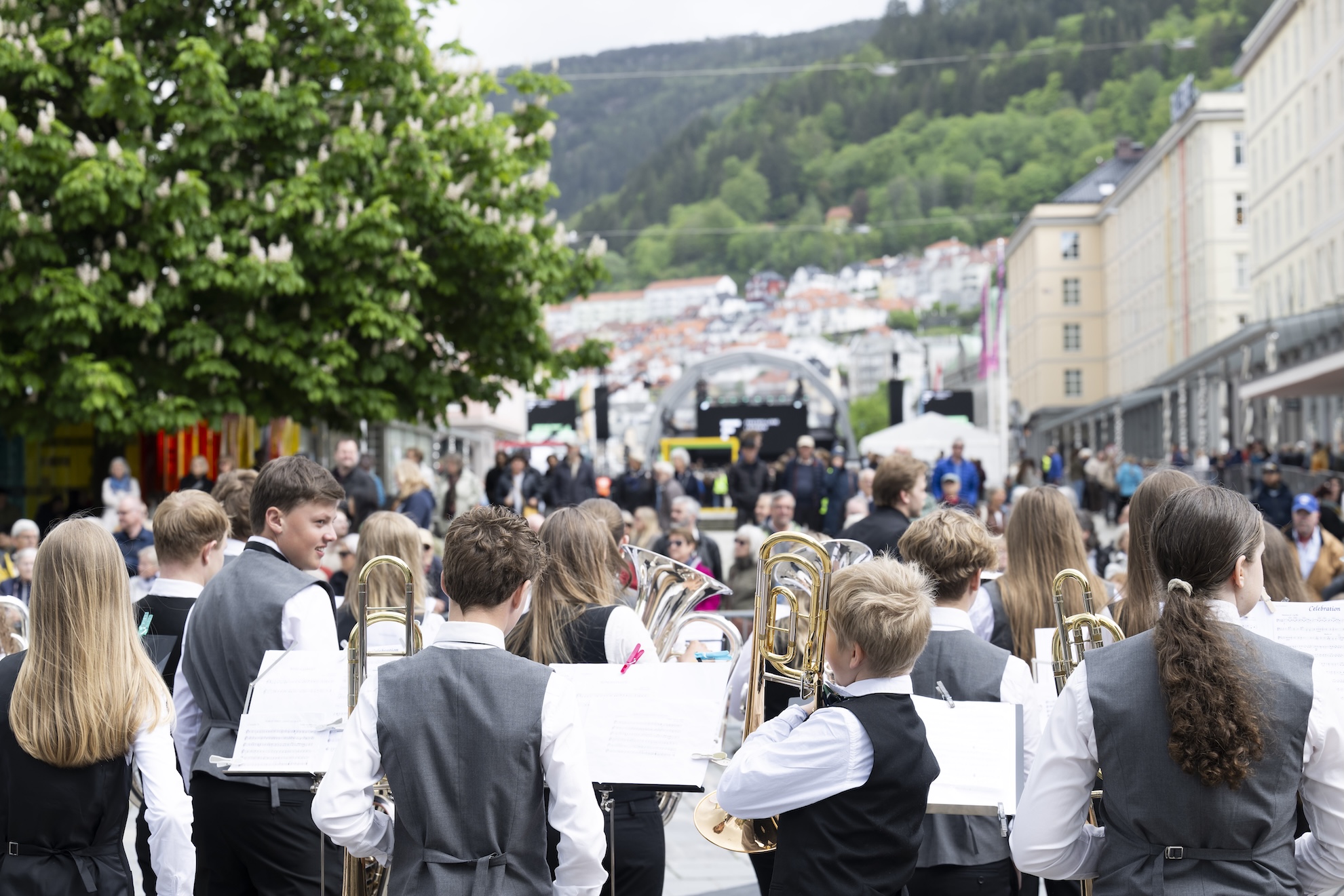
The last thing I witnessed before leaving Bergen was a group of young people dancing beside the fjord to Madonna’s »La Isla Bonita«. It was not part of the official programme. Just another love song.
My four days of cosmic love were over. Thankfully, the Bergen International Festival never tried to pin down love’s essence. Instead, it simply allowed it to resonate in many voices at once. That was more than enough.
Festspillene i Bergen, Bergen International Festival, Bergen, Norway, 27 May–10 June 2026
English translation: Andreo Michaelo Mielczarek
This text is dedicated to my mother, Henryka Mielczarek (1946-2026)