








review
-
review18.03
We’ve Never Needed Pulsar Festival More
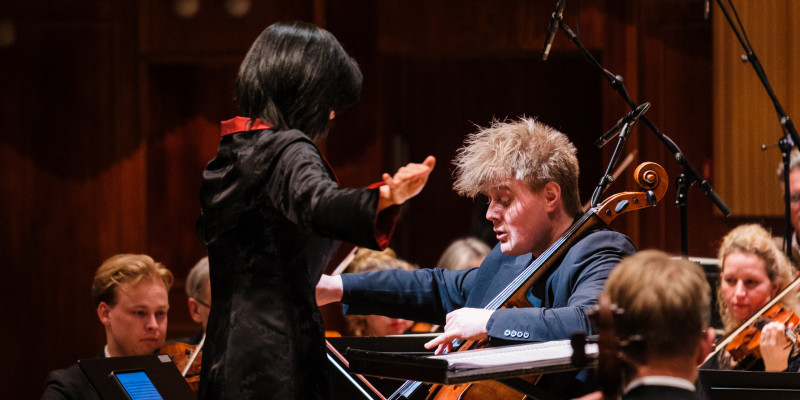 The major Danish composer festivals are starting to resemble each other more and more, but Pulsar Festival stands apart. Here, there is still more string quartet than performance art, making Pulsar an important alternative platform for new music – if only the festival itself would fully realize it.
 -
review15.03
What Happens When the Mainstream Falls Short?
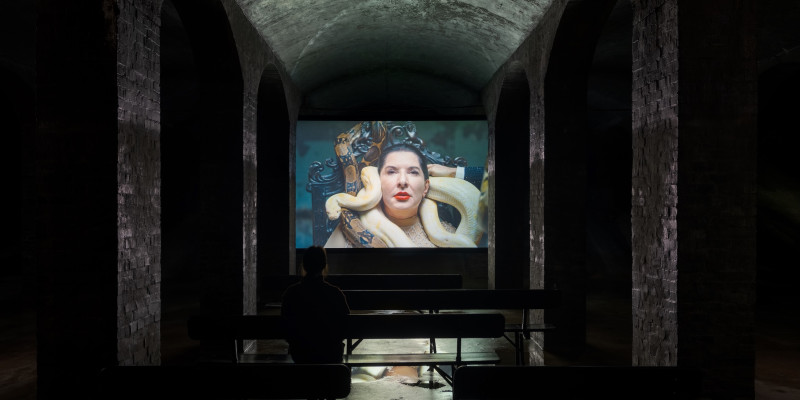 Marina Abramović lets herself be murdered, burned, and thrown to her death in »Seven Deaths« at the Cisterns – but the operatic canon voiced by Maria Callas tempers the radicality that has otherwise carried her art through an entire lifetime.
-
review10.03
When the World Trembles, Kirkenes Listens
 At the Barents Spektakel art festival, war, borders and vibrations are transformed into sound, conversation and art at Europe’s northernmost edge.
 -
review18.02
A Country Built of Sound
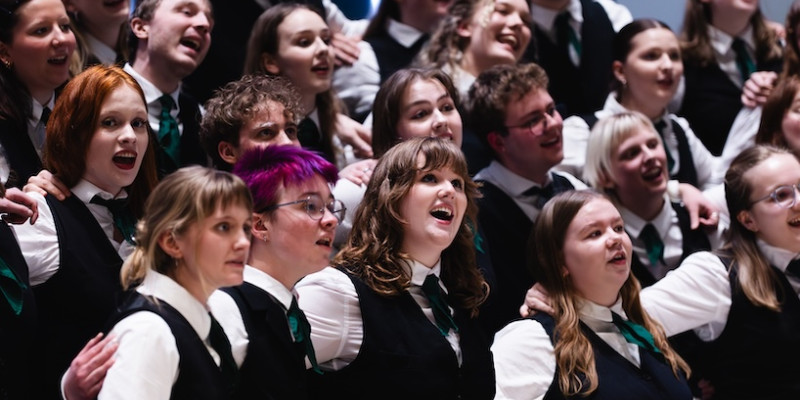 Dark Music Days in Reykjavík offered everything from Bára Gísladóttir’s orchestral darkness to noise, seaweed and quiet song in Harpa – in a music scene where community matters as much as the export adventure.
 -
review04.02
Knausgård’s Apocalypse as Opera
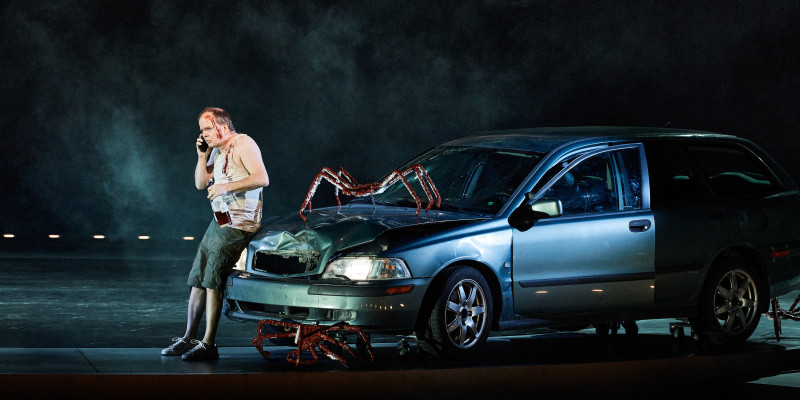 Sebastian Fagerlund’s »Morgonstjärnan« transforms the novel’s existential unease into a powerful, collective musical drama.
 -
review26.01
Sacred, Profane, and Unsettlingly Alive
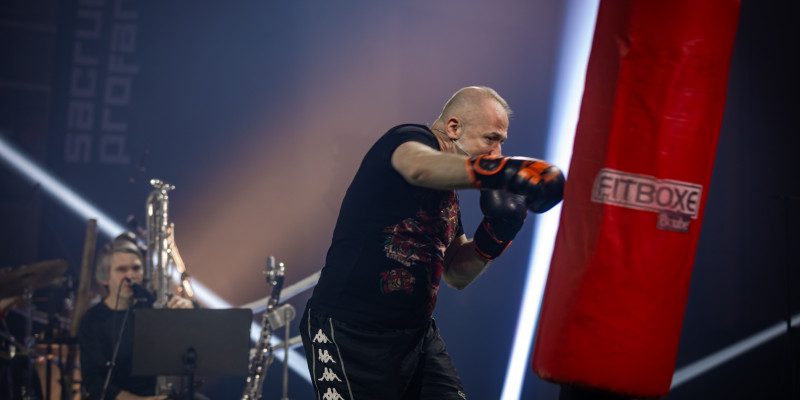 Sacrum Profanum in Kraków offered intense sonic experiences and musical battles – but also performances where the idea outweighed the music.