
in brieflive
02.06.2025

Not the Royal Rock Star We Might Have Wished For

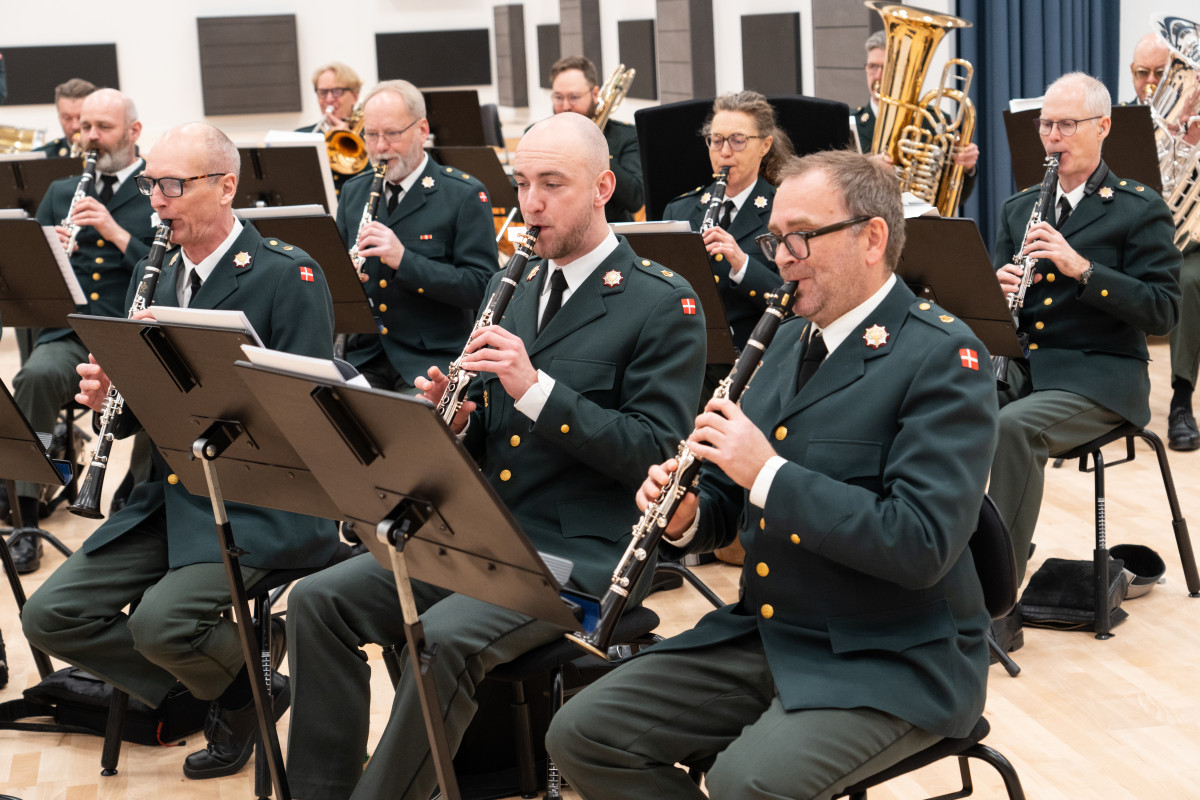
David M. A. P. Palmquist: »King Frederik X’s Honour March«
© Kongehuset
© Kongehuset

Surely, I can’t be the only one who nearly choked on my oyster on New Year’s Eve, when King Frederik X delivered his first New Year’s speech. What a modern take on the old tradition! Instead of sitting solemnly at a desk, he calmly walked into the room – a room demanding attention, where a futuristic mural stole the show. I could barely focus on the speech itself, distracted by the psychedelic imagery behind him: a visual nod to Yellow Submarine by The Beatles. Was this a sign of a rock star ascending the throne?

Wishful thinking, as it turned out. The speech turned into a parade of predictable platitudes. The same can be said about the King’s new Honour March, composed by David M. A. P. Palmquist, former conductor of the Royal Danish Life Guards Music Corps. A traditional and sluggish piece that plays it entirely by the book.

Since H.C. Lumbye gifted a march to Frederik VII in 1861, it has been a tradition for members of the royal family to be granted personal marches. Take the lively and self-ironic Parade March for Queen Margrethe, which includes quotes from both »I Danmark er jeg født« and »Daisy Bell«. Or Crown Prince Frederik’s brisk and quirky Honour March in 6/8 time – written by Fuzzy for the now-King’s 30th birthday – tipping its hat to Carl Nielsen’s »Som en rejselysten flåde«.

But where is the personal character in Palmquist’s march? The composer approaches the task far too conceptually, attempting to give the piece a musical signature with a kind of rebus at the beginning. The first note is an F, followed by one ten steps higher – thus spelling »Frederik the 10th« in musical code. The many references to other military music are just as internal. What’s missing is something that breaks with protocol – just like King Frederik himself has done in his most memorable and beloved moments. In the end, it sounds like a march that has forgotten who it was written for.

English translation: Andreo Michaelo Mielczarek. Proofreading: Seb Doubinsky

© Malthe Folke Ivarsson

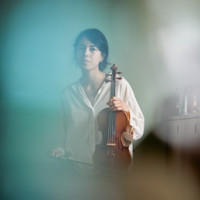
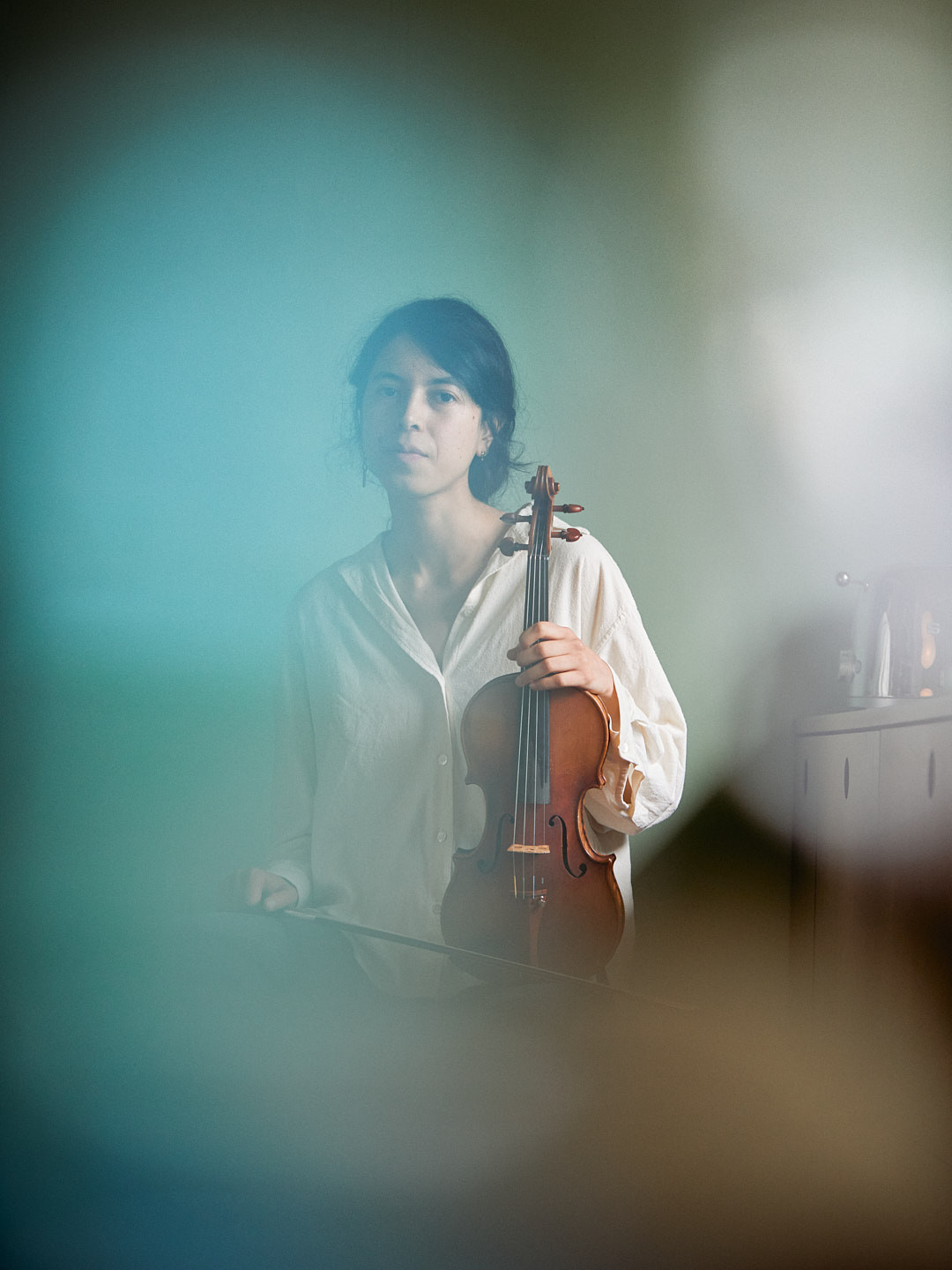
»In his music, composer Allan Gravgaard Madsen tries to create a better version of himself.« 

Allan Gravgaard Madsen is a Danish composer based in Copenhagen. His most recent works include Träume nicht and Nachtmusik. He tries to create a better version of himself in his music – where his personality tends to be restless, chatty and has an active inner life, his music is controlled, simple and merciless in its expression. He is the recipient of the Carl Nielsen & Anne Marie Carl-Nielsens Hæderspris 2022.

in briefrelease
23.01.2022

Finnish Space Travel

Tomutonttu: »Hoshi«
© Tomutonttu: »Hoshi«

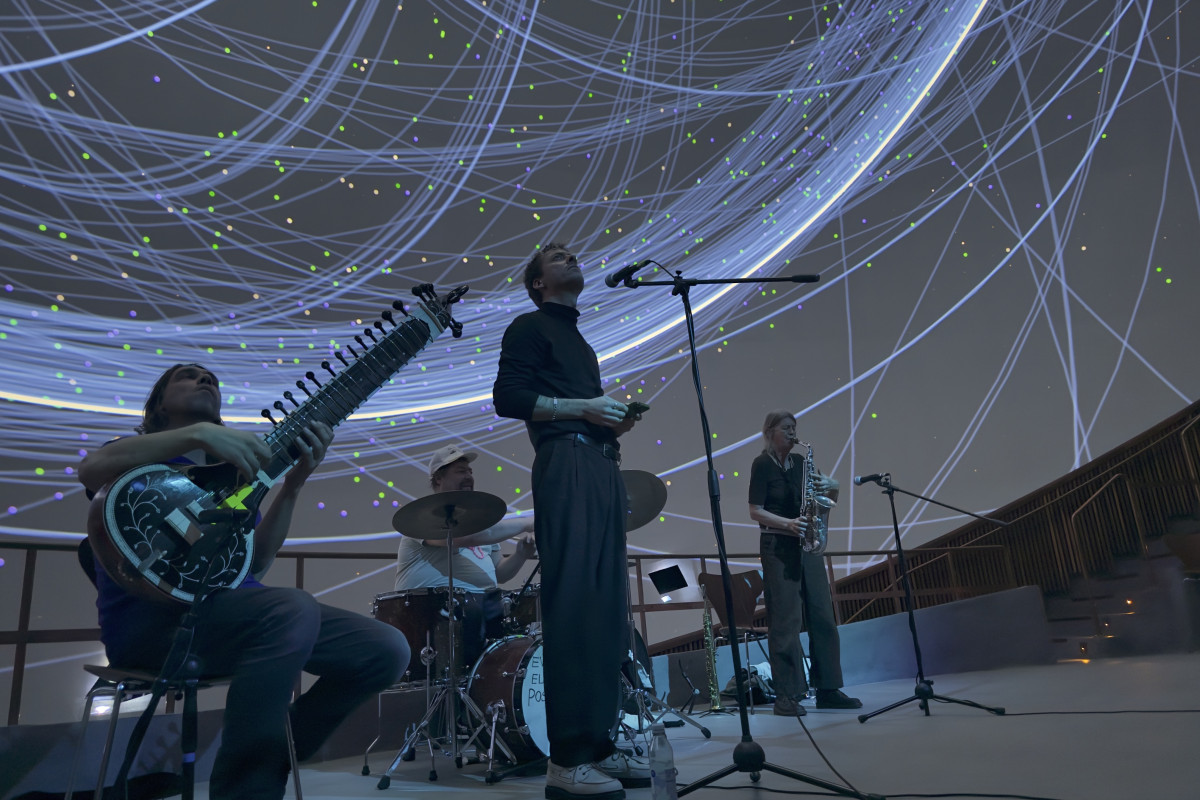
The Finnish multimedia artist Jan Anderzén has, with the album Hoshi, released under the solo moniker Tomutonttu, created a true little star. Not only because »hoshi« literally means »star« in Japanese, but above all due to the music itself. There is something cosmic, yet infinitely minute, about the sonic worlds Anderzén conjures—like a galaxy reflected in a puddle, or a space journey in a rocket carved from a hollow tree trunk. Synths emit busy, warm blips and bloops, while ultra-short vocal and instrumental samples create a recognizable blur. At once artificial and organic – soft, rounded, jagged, crackling.

Anderzén approaches sound with a playfulness I simply adore. His music is strange in an incredibly comforting way. It places me in a kind of colorful, trance-like state, only interrupted when, several times over the course of the album, I find myself smiling in delight at a particularly great sound. The synths on »Katse osuu sähköön!« The choral samples on »Kesä oli äkkiä ohi!« Milo Linnovaara’s flute on »Malta lausua ‘AH’!« And many more. Hoshi is an album packed with microscopic moments that together form a frayed, exploding, radiant, idiosyncratic whole—a stellar moment of just under 38 minutes.