in brieflive
18.02

Serious Creeps

Simon Toldam: »Insecta«
© Daniel Buchwald
© Daniel Buchwald

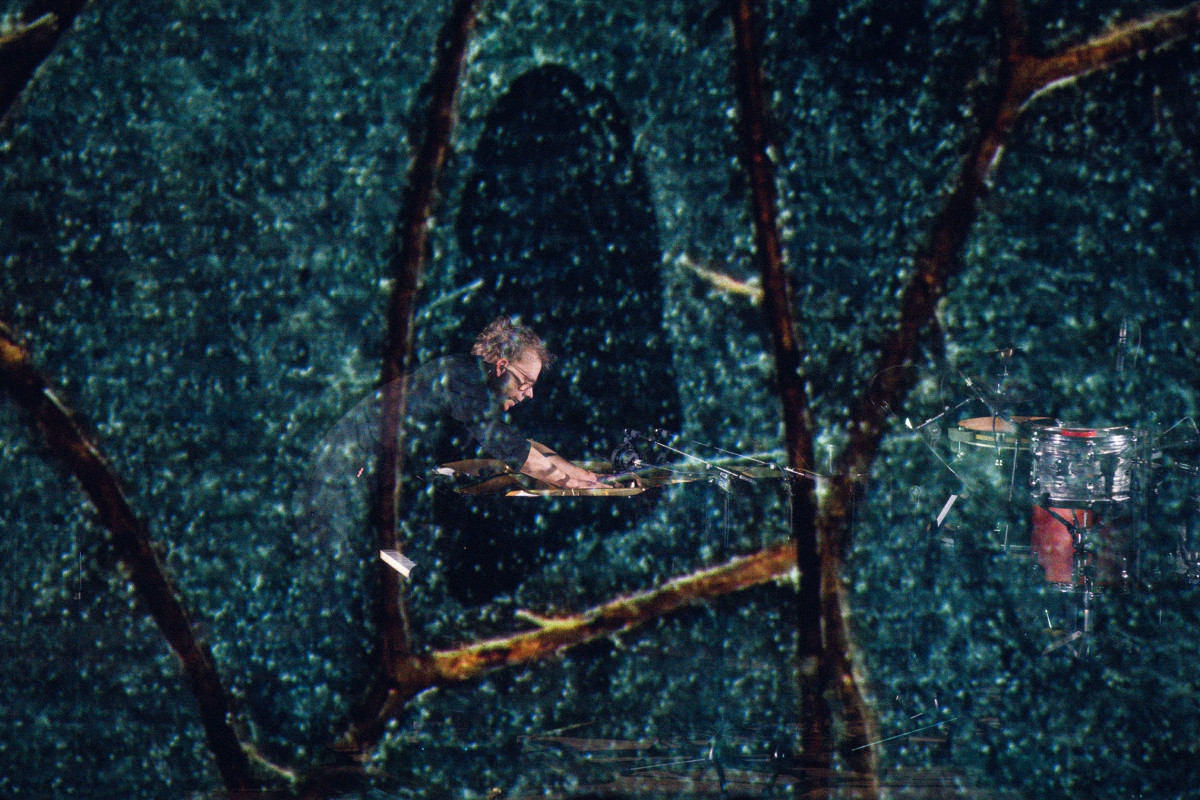
Some dream of discovering life in distant solar systems. Others – like Knud Viktor, Jacob Kirkegaard and now also Simon Toldam – turn the telescope around and uncover unknown life in the immediate yet hidden nature surrounding us. So what did Toldam, the 46-year-old pianist from the experimental jazz milieu, find last night when he turned his gaze toward English photographer Levon Biss’s ultra-close images of beetles, flies and grasshoppers in the world premiere of the hour-long audiovisual trio work Insecta?

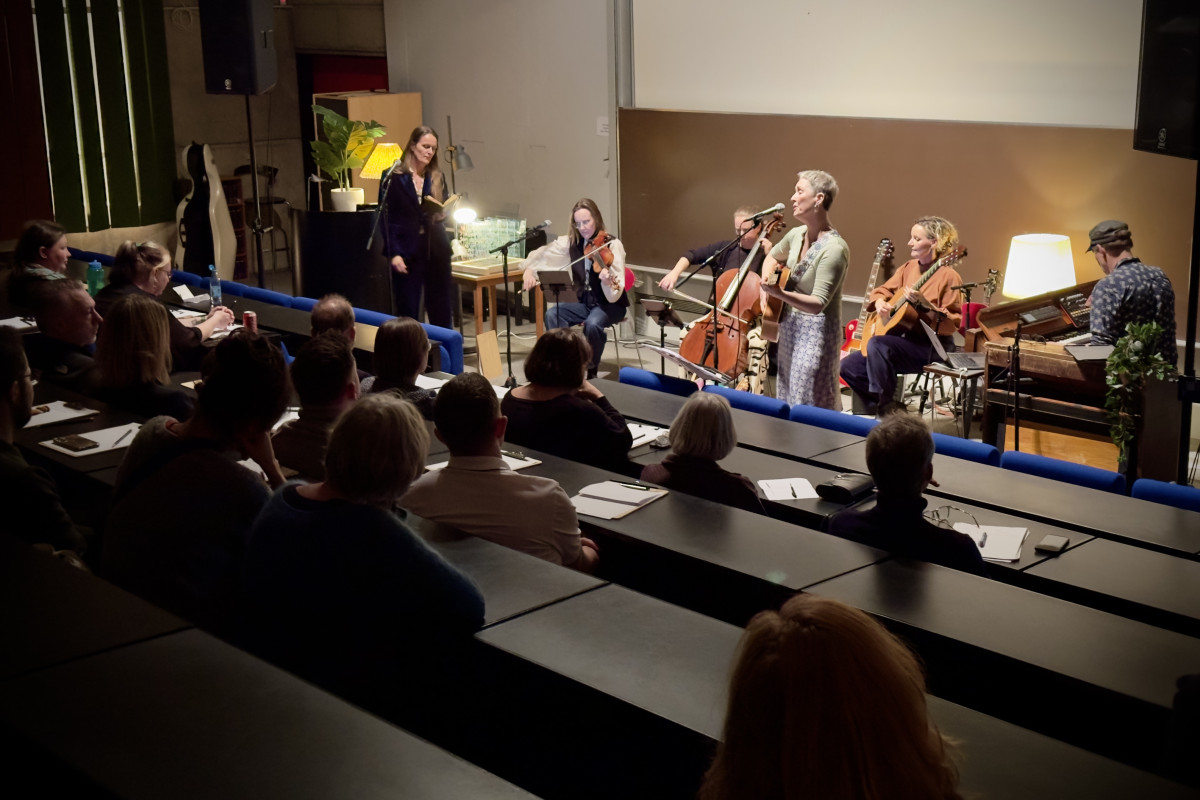
First and foremost, he found a varied and inquisitive interpretation of insect life. Behind a transparent screen, Toldam transformed his prepared grand piano into a kind of gamelan instrument, while on either side of him sounds crept and hissed from saxophonist Torben Snekkestad and percussionist Peter Bruun. The production values were high, and the trio – collectively known as Loupe – moved deftly between the concrete and the spherical.

At times, however, there was something old-fashioned about the expression. As a yellow-brown grasshopper gradually took shape on the screen, nanometre by nanometre, the piano’s metallic cymbal-sounds placed it within an Eastern sonic realm. It resonated with exoticism, with old electronic EMS recordings steeped in atonal serialism, and soon Snekkestad let a plaintive Miles Davis-like trumpet drift through the soundscape.

Yet when, with dramatic flair, he blew air through the same instrument or attached a rubber hose and transformed it into a frothing bass monster – while Bruun stroked metal surfaces or pounded the drums in ritualistic patterns – we were out of the past again. And when Insecta finally leaned into the ambient, and Toldam began bending the gamelan tones with his hands inside the open piano, it was as if not only time but also the distance between oneself and the insects dissolved into a trembling dream image. At that point, it suddenly no longer mattered whether there is life on Mars.

English translation: Andreo Michaelo Mielczarek

in briefrelease
16.10

A Microphone In the Nervous System

IKI: »BODY«
© Julie Montauk
© Julie Montauk

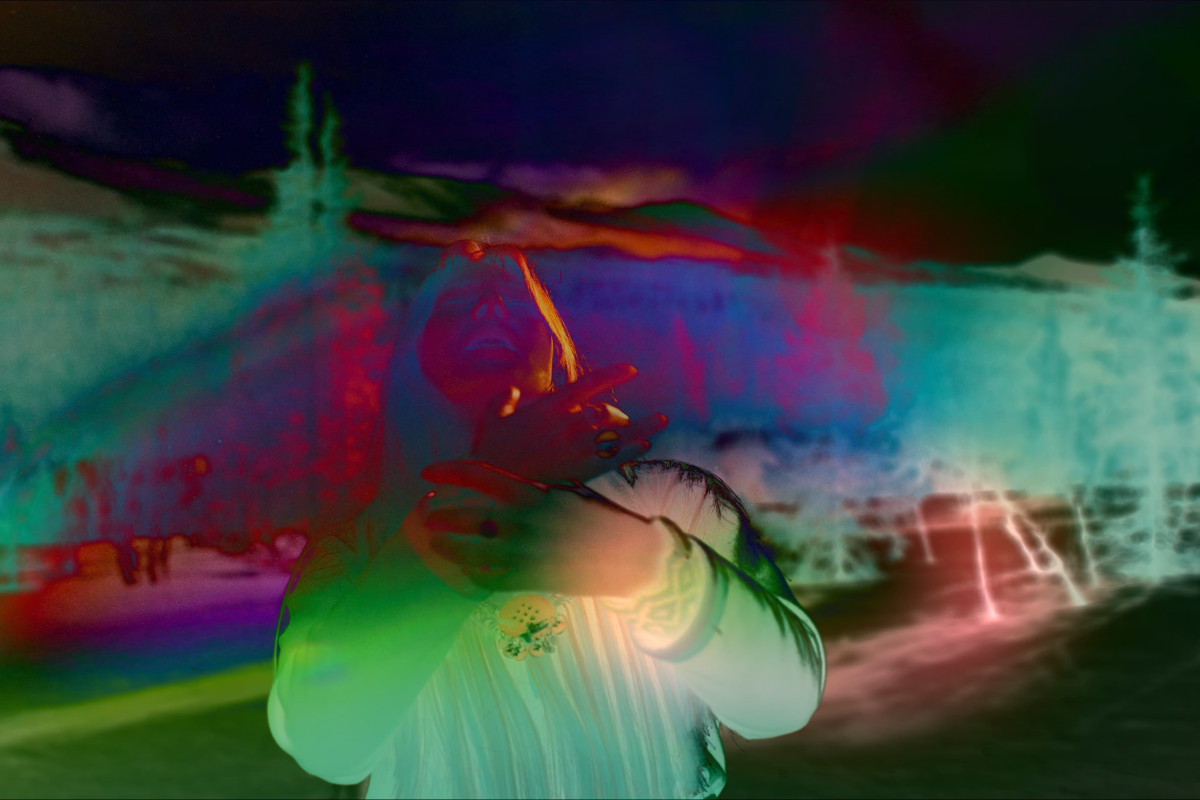
It sounds as if someone has placed a microphone directly inside the nervous system’s electrical impulses. The Nordic electroacoustic vocal ensemble IKI explores the boundaries between body and technology on their fifth, self-produced album BODY, where the five singers’ bodies merge into one large, organic rhythm box.

The tracks change form as the body breathes, dances, awakens, runs, wanders – in the imperative mood. The harmonically unison ripple of »Float« is countered by flickering modem-like sounds in »Regenerate«. Everything is framed by the recurring theme »Circuit«, which ultimately gathers the fragments into a single linguistic statement: »Are you gone when your body is not breathing?«

BODY demands concentration. IKI claims that all sounds on the album are created with the voice – a counterpoint to the electrically manipulated, a kind of reversed version of synthesizer sounds that imitate the human voice. It’s an incomprehensible mystery one keeps listening for: how can the voice produce the accordion-like sound on »Breath«, panned all the way to the left and slowly taking over the entire soundscape? Of course, it can’t do so on its own. The recording itself is an electronic mediation. The technological tools act as a microscope for vocal expression. It’s powerful because it asks about the transitions between human and machine, between life and afterlife. Yet the premise holds a paradox that never fully resolves.

English translation: Andreo Michaelo Mielczarek

Bjarke Niemann. © Frederik Barasinski

»Music is everything that can only be described far more poorly with words.«

Bjarke Niemann is the lead singer, songwriter, and producer of the Danish band Spleen United. The group broke through with Godspeed Into The Mainstream in 2005 and has performed at, among other places, Roskilde Festival and the Copenhagen Opera House. Bjarke Niemann has also composed and developed music for TV and video games – including the international game series Hitman – and has produced albums with artists such as Soleima, Statisk, Afskum, and Hugorm.

© Motis Necrojam

»Music is the pursuit of original failure...« 

Motis Necrojam is the singer and collager with the Noseflutes and The Clicking Stick, a pair of combos from the old English Birmingham times, adorned with new-times dedication to derailment, approved by Sir John Peel, via their four live sessions for his mighty BBC Radio programme, occasional treaders of the boards, musicians with alias obsessions. One thing Necrojam has is a digit on the diminishing pulse. 

Katrine Muff. © Ditte Capion

»Music, to me, is the key to – and an extension of – my vocabulary. If I struggle to put ‘spoken words’ to something inside, or if I need release in the form of a proper cry, the right song can put me in the right gear immediately. It can be the lyrics, the melody, or both that give direct access to my emotions, where the brain can simply be put into neutral and carried away.«

Katrine Muff, born in 1985, is a composer and singer. She has set music to texts by, among others, Stine Pilgaard and Suzanne Brøgger, and in 2021 she received the Folk Song Prize (Den Folkelige Sangs Pris). Together with Lone Hørslev, she is currently releasing the album Jeg ønsker mig and working as a songwriter on the theatre concert STOLT (Folketeateret).

in brieflive
04.10

Soap Horse Kept a Tight Rein – Maybe Too Tight

Soap Horse + K Bech
Soap Horse. © Malthe Folke Ivarsson

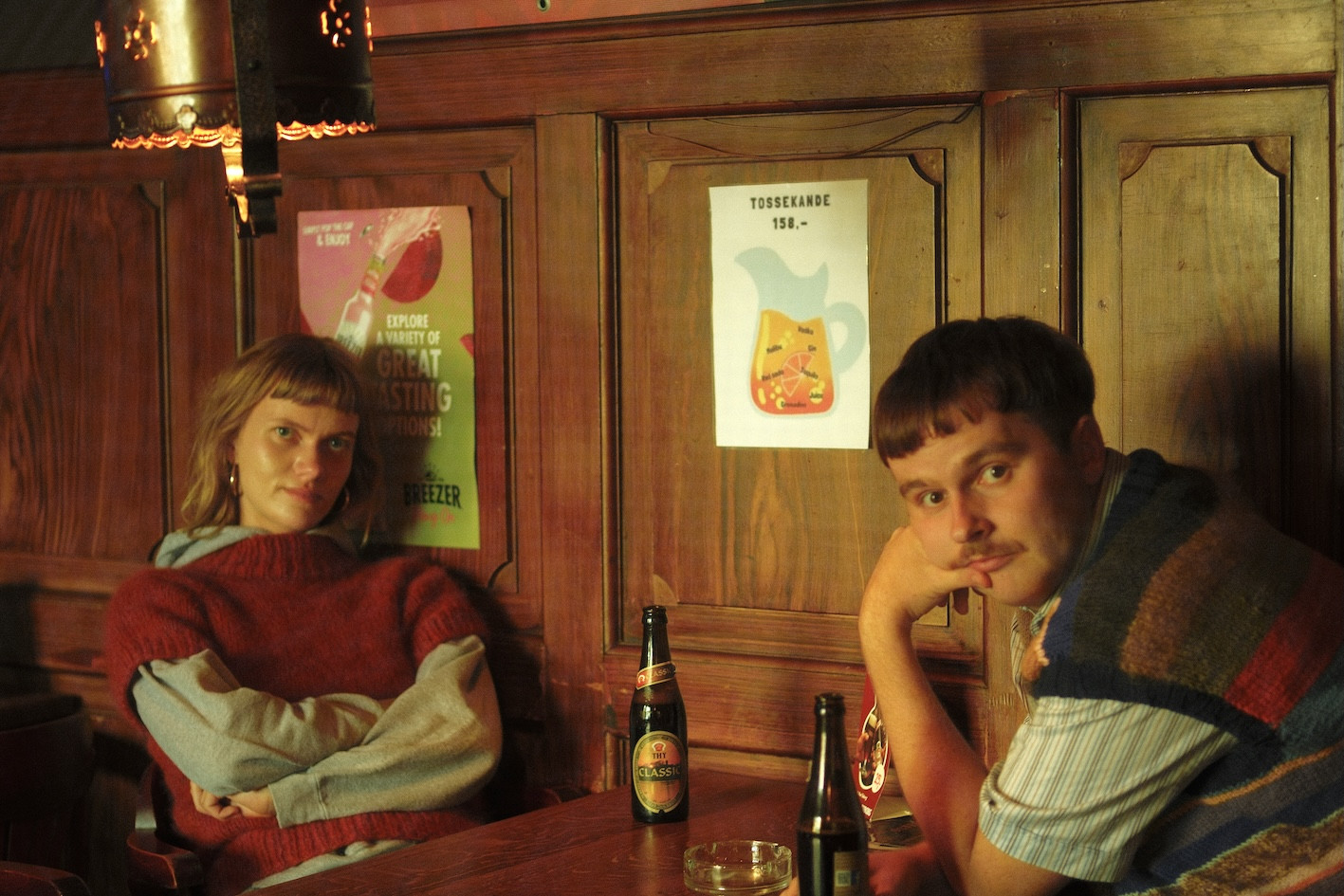
K Bech – known from the rock band Shiny Darkly – opened Saturday night’s concert at Alice with a raw, unpolished melancholy. A sense of Copenhagen-style urban gloom was palpable, yet the slightly nervous set never really took off. Despite a promising setup of violin, guitar, and electronic tracks, the sensitive lyrics remained more hints than breakthroughs.

Soap Horse then took the stage and truly ignited the evening with an authentic chicken-picking riff. The country-rooted guitar technique was just one example of the musical abundance running through the band, which has just released its debut EP Tooth Inside a Tooth.

Nothing seemed accidental. From the rust-red gothic tapestry to the carefully chosen instrumentation – violin, saxophone, and pedal steel alongside guitar, bass, and drums – every detail added to a deliberate aesthetic. The sound was dark and alluring, in sharp contrast to frontman Hans Gustav Björklund Moulvad’s shock of white hair and intense stage presence.

The songs were crafted with a refined sense of balance. Simple, repetitive motifs were passed between the instruments, and when massive noise walls and shimmering colors broke through, the already blurred borders of indie rock stretched even further. Moulvad commanded the whole with ease, moving charismatically between the music’s many layers. And yet, I found myself wishing Soap Horse would let go completely. The weightless intermezzos – where the unusual lineup could have truly unfolded – were too often pulled back by a steady drumbeat, returning the music to a safe ground. Soap Horse displayed remarkable control and a firm grasp of both their sonic universe and their audience. Perhaps all that’s left is to prove they dare to loosen their grip.

English translation: Andreo Michaelo Mielczarek