A hypnotic dollop of lava
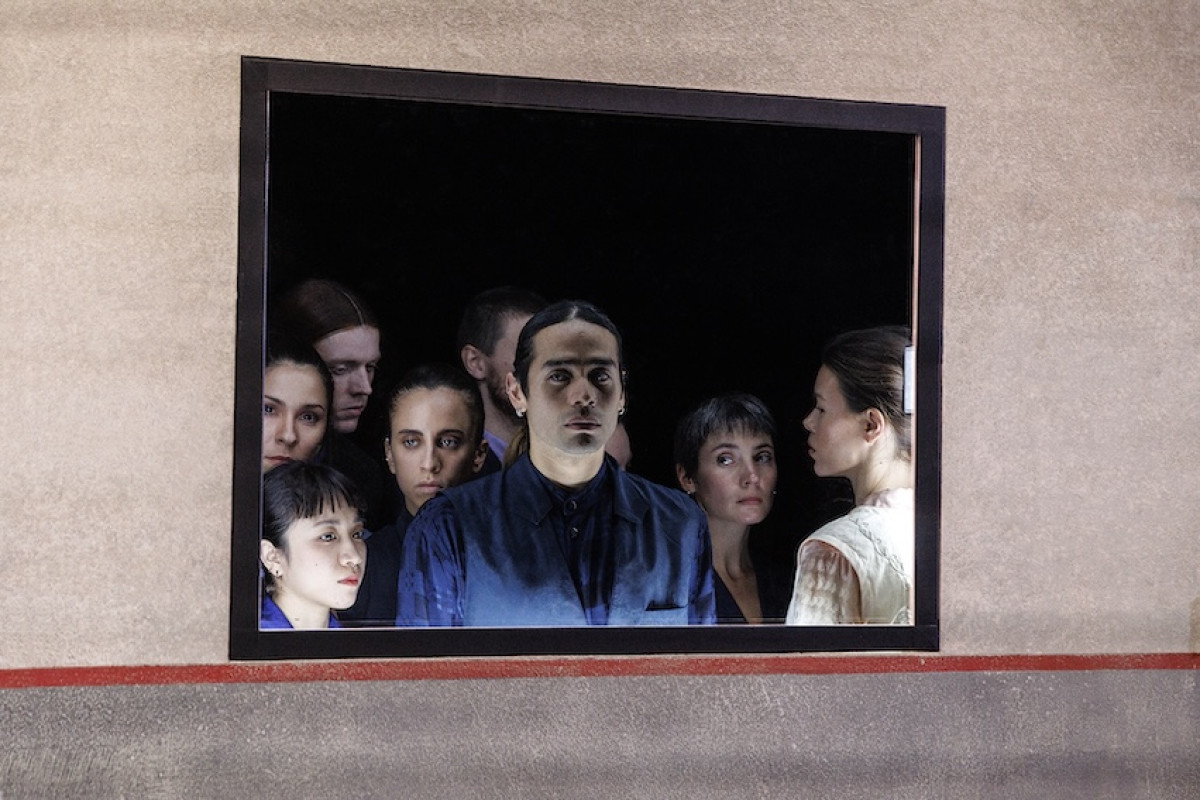
It might seem abstract, but dance is extraordinarily specific – an ultra-precise instrument of physical poetry. You shouldn’t even think about adding music unless the link is umbilical, unequivocal and clear. There are passages in Leaning Tree – a meeting of Dansk Danseteater with the Copenhagen Phil – which are utterly, mesmerizingly inspired: when the union of the aural and visual isn’t a union at all, but a single thing. Unfortunately, there aren’t enough of them.
Choreographer Fernando Melo’s signature style is slow, legato, un-rhythmic. His group of welded human bodies often behaves like a dollop of lava, moving with a sluggish certainty. It’s hypnotic to look at but absolutely unmusical. Maybe that’s why Signe Lykke’s score for Leaning Tree so rarely channels what we’re seeing.
Or is Melo not listening to Lykke? She speeds up or shifts gait; he can’t. Her throbbing, cooing spatial orchestral score can resemble Bent Sørensen without the fragile melodies. It livens up when congealed low brass and winds squeeze themselves into almost spectral harmonies. Tension skyrockets, but it counts for little on stage.
Then the »leaning« – the stunningly beautiful, anti-gravitational choreographic conceit on which it all rests. It’s about 30 minutes before we see any real leaning. But gosh it’s exquisitely done, worth the wait even if it makes a lot of what went before seem like padding.
The culmination, a vision of leaning bodies like swaying reeds, gets right into Lykke’s score. Or maybe vice versa. It’s not just glissandos we’re hearing, but elasticated harmonic movement – music composed with extraordinary delicacy of texture, harmonies built from the exacting placement and movement of individual instruments. Leaning Tree needs more of this sort of thing.

An Organ in the Dark Forest of Doubt
Last year, Builder released Poor_in_Spirit, an album in which he explored, on his own, the sonic possibilities of his self-built organ. It was an album shaped by this exploration, but ultimately also by the limitations of the organ itself. On Although Changed, I Arise the Same, the composer finds a way beyond them.
The organ is now joined by three additions: Builder’s own alto saxophone, along with the voices of Zola Mennenöh and Johanna Sulkunen. It makes all the difference, providing the diversity of instrumentation that Builder has repeatedly demonstrated his ability to compose for. At times, the organ’s bass sinks beneath the voices and saxophone like a light haze; at others, it envelops them in a heavy fog. It howls like wind in the trees and roars like a train in the night. Mennenöh and Sulkunen sing, chant and breathe simple, repetitive phrases about spiritual uncertainty and searching, as though lost in the dark forest of doubt.
It is a Spartan form of storytelling, giving the listener enough lyricism and atmosphere to set the mind in motion, but never so much that it becomes overwhelming. This is where Builder’s strength lies: his music clearly grows out of his life and experiences, yet he composes in such a way that the listener is invited to enter the story with their own imagination.
Builder determines the colours, but leaves part of the picture to the listener. It is an album that is far more restrained in its dramaturgy than previous releases. No less beautiful or inspiring for it.
English translation: Andreo Michaelo Mielczarek
»For us, music is a transcendent force with transformative potential – something we get to experience and shape when we create sound together. It is an opportunity to describe one’s innermost universes without words, and the best way for an introvert to express intense emotions at full volume.«
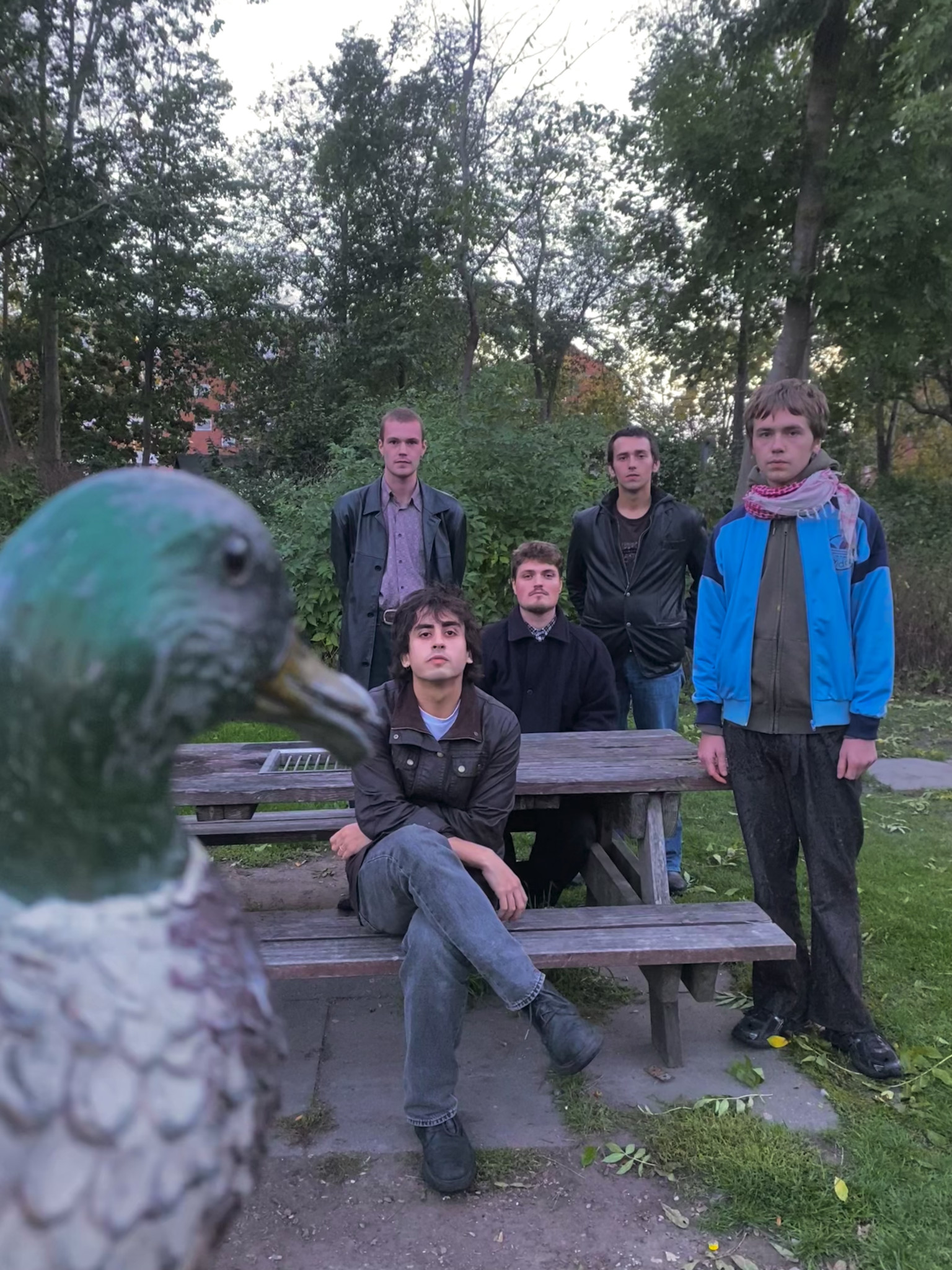
With roots in Copenhagen’s experimental jazz and punk scene, Echo, Bravo challenges the notion of what a rock band can sound like. The quintet blends post-punk, free punk, and noise rock into a raw and unpredictable soundscape. They describe the music themselves as a kind of »empty-the-fridge soup,« where various leftovers come together. »Best enjoyed as a hot meal in a cold industry.«
Thorbjørn Tønder Hansen has died. With Thorbjørn’s passing, the art music community has lost one of the Nordic region’s most significant producers, curators and cultural leaders.
»Music is the best way to discover myself and understand the world around me.«
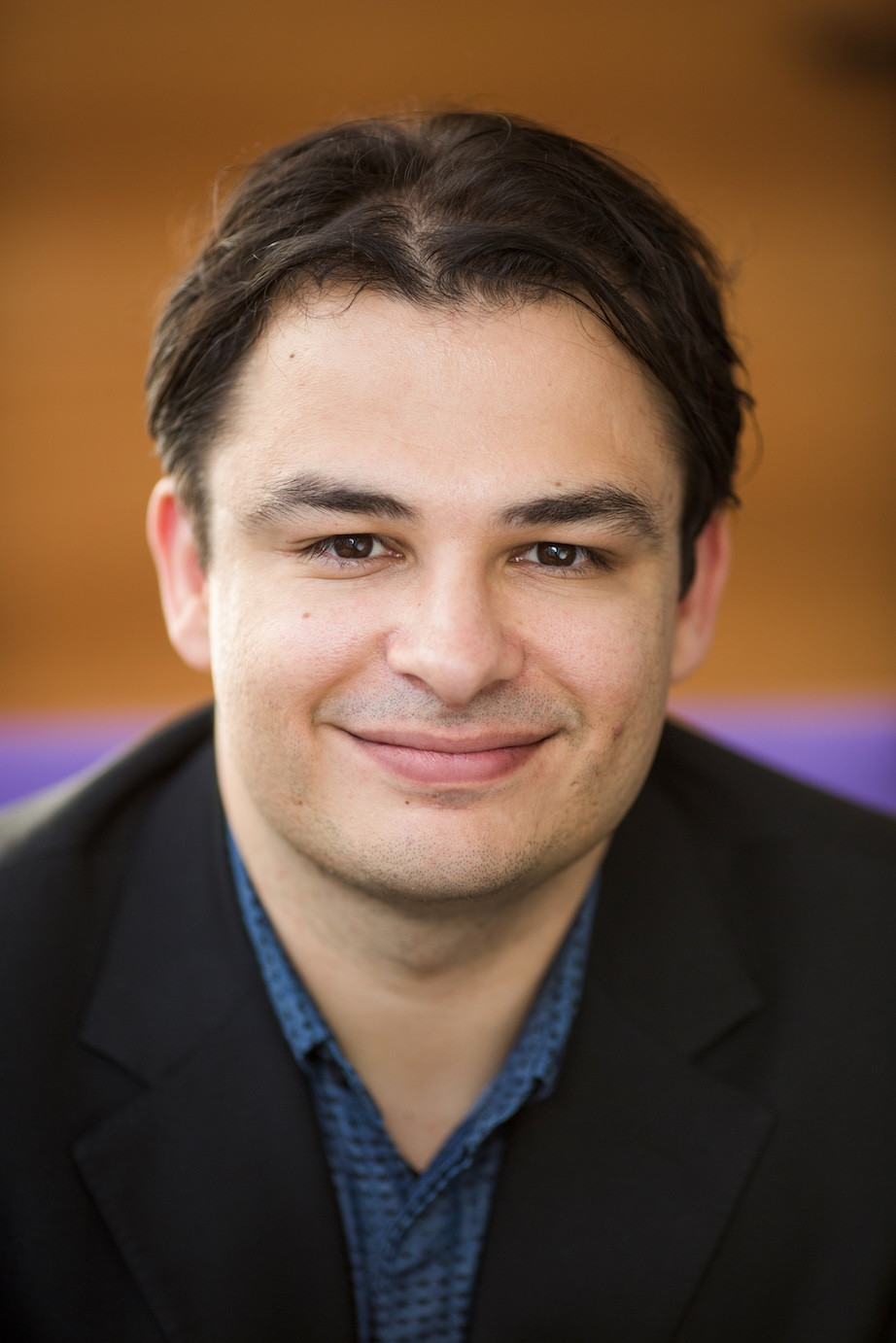
Luca Quintavalle is a harpsichordist, fortepianist and conductor. He has performed with ensembles including Concerto Köln, Harmonie Universelle, the Mozarteum Orchestra Salzburg and the Kölner Kammerorchester at venues and festivals such as the Kölner Philharmonie, Salzburg Festival and Enescu Festival. He was harpsichordist of Les Musiciens du Prince, led by Cecilia Bartoli, for over five years, and has conducted ensembles including the Orchestra and Chorus of Teatro dell’Opera di Roma, Concerto Köln and Deutsche Kammerakademie Neuss. His recordings include Mirrors, released by Berlin Classics and awarded an OPUS KLASSIK.