




While Europe's Jazz Searches for New Languages
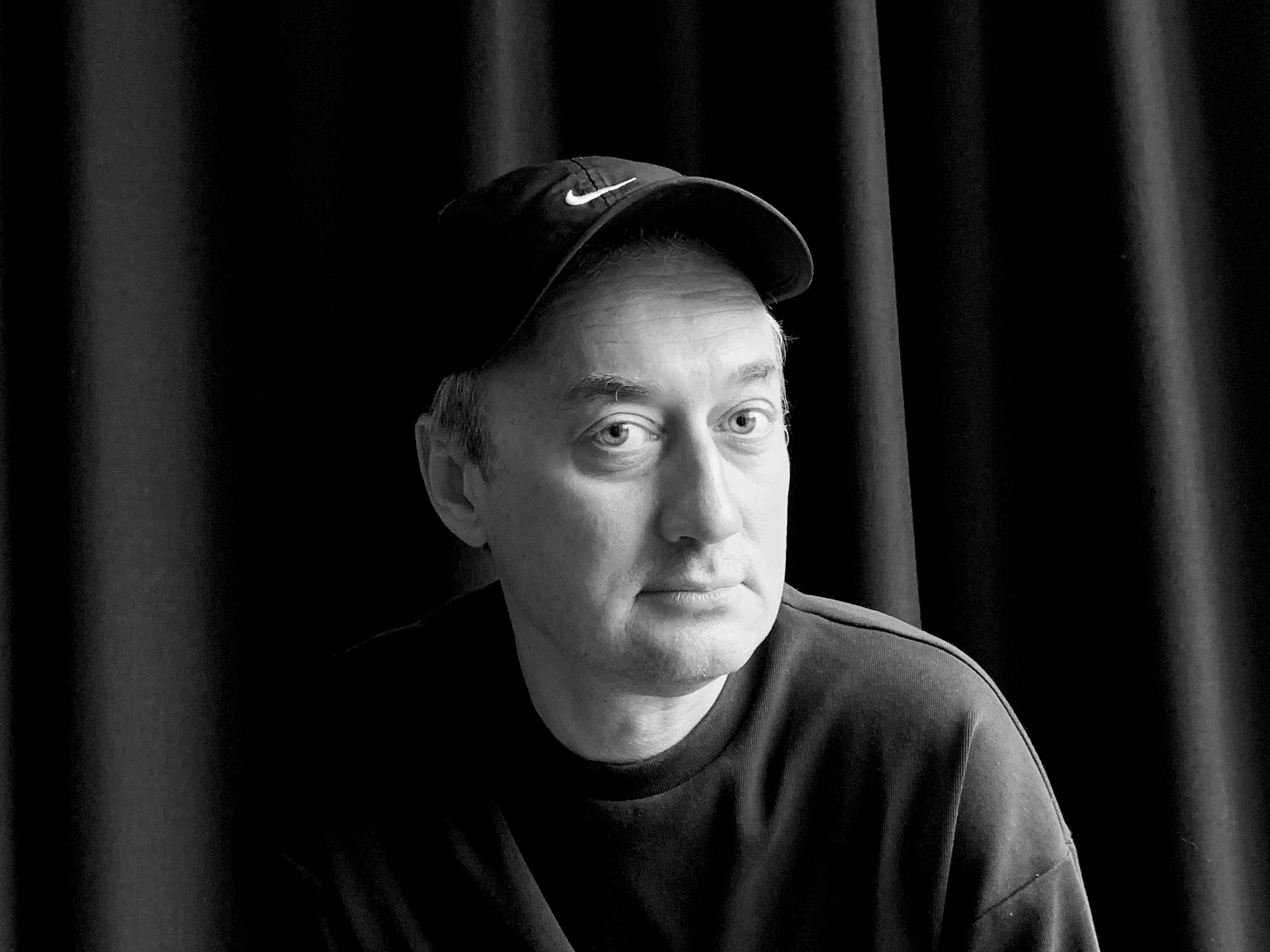
After a day spent wandering through Estonia's vast bog landscapes, it is difficult not to hear the terrain echoing back in the music. The silence, the long horizons and the sense of open space reappear throughout Jazzkaar in Tallinn, the largest jazz festival in the Baltics. Yet the festival is not only about music. It also tells the story of a country still defining itself culturally – and of a jazz scene engaged in much the same process.
The festival became an expression of a society opening itself after years of Soviet isolation
When Jazzkaar was founded in 1990, only months before Estonia regained its independence, the festival was a cultural project of liberation. For decades jazz had functioned as a symbol of the West, and the festival became an expression of a society opening itself after years of Soviet isolation.
Thirty-six years later, the situation has changed. International names still appear on the programme, but they no longer function as the festival's centre of gravity. Instead, they serve as reference points for an Estonian scene that is increasingly confident in its attempt to articulate a sound of its own.
The shift is already visible in Tallinn itself. Behind the UNESCO-listed medieval old town rise Soviet apartment blocks and glass facades from the digital economy. Jazzkaar's centre of gravity lies in Telliskivi, the former industrial district where factories have been transformed into studios, venues and cafés. During the festival, Fotografiska hosted an exhibition of Anton Corbijn's iconic music photography, while the opening concert featured the Estonian Naissoo Freeform Quintet performing interpretations of songs by U2.
The audience listened with the same ease and attentiveness that Danish audiences bring to a jazz standard
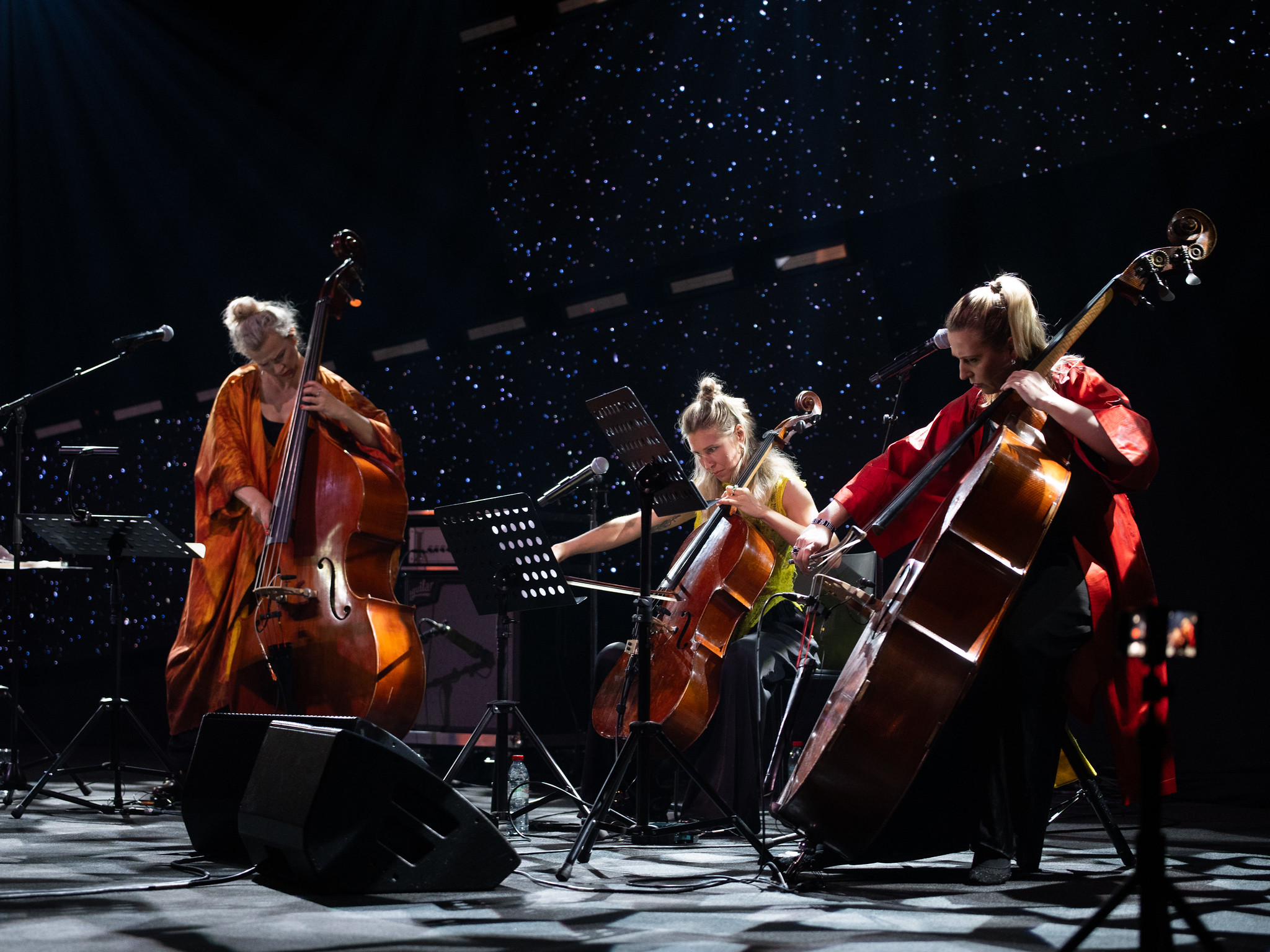
Bassist Mingo Rajandi's Lady Sapiens stretched two double basses, cello and viola between minimalism, electronics and Baltic folk influences, while Robinson Khoury's MŸA merged jazz, modular synthesisers and Middle Eastern sound worlds.
Folk music as a mother tongue
This year's Jazzkaar featured fewer adventurous projects than last year's edition – the absence of Maria Faust was particularly noticeable – but what it did not lack was Estonian folk music. Here folk traditions functioned less as identity markers or exotic seasoning than as a musical mother tongue.
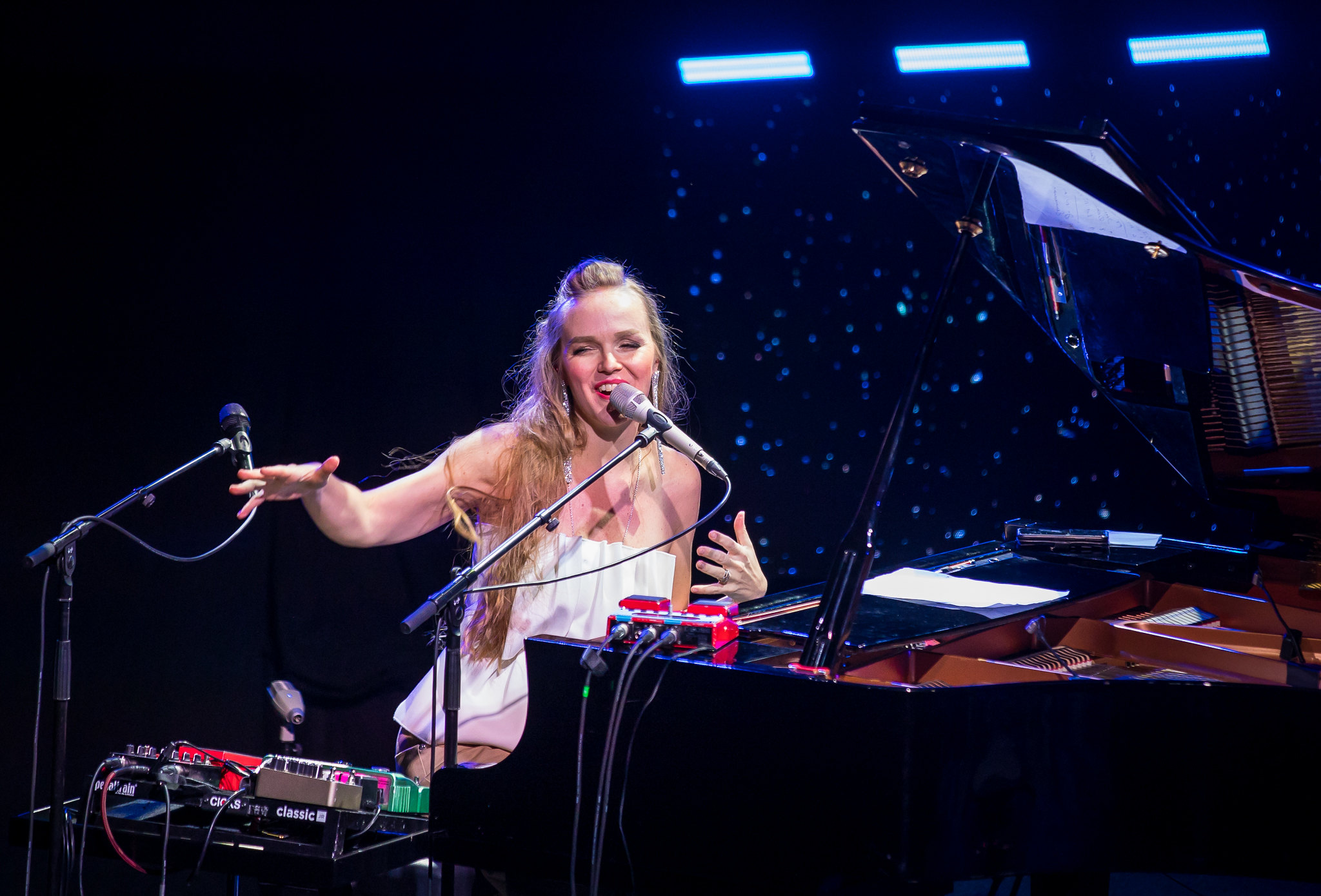
When vocalist Kadri Voorand, bassist Mihkel Mälgand and the folk duo Puuluup took the stage, the music moved effortlessly from near-whispered intimacy to raw ritualistic force. The audience listened with the same ease and attentiveness that Danish audiences bring to a jazz standard.
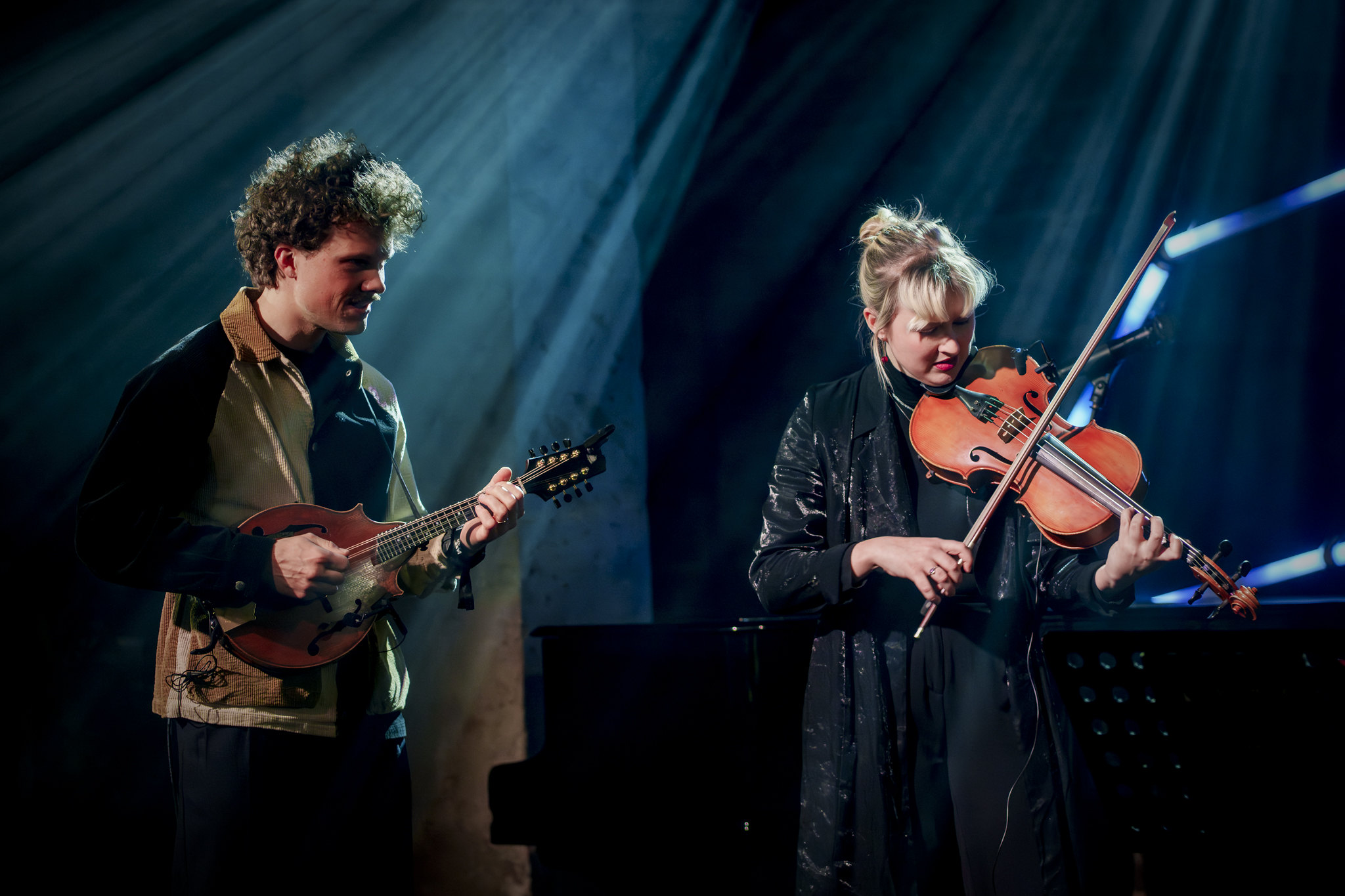
A similar organic blend characterised the quartet of Peedu Kass, Villu Talsi, Theodor Sink and Simone Minn. Chamber music, improvisation and Estonian folk melodies flowed into one another without the self-conscious crossover aesthetic that often accompanies such projects. Talsi's funky mandolin gave the music a buoyant, dancing quality.
The search for a distinctive Estonian musical language surfaced again and again, although the Baltic horizon was often expanded far beyond Estonia itself. A concert by saxophonist Villu Veski's ensemble, featuring Danish vocalist Katrina Petersen singing in Danish, Swedish, Norwegian and Faroese alongside guitarist Andreas Ugorskij, culminated with the arrival of the 25-piece Sato Shaman Drums Orchestra, bringing throat singing and thunderous percussion.
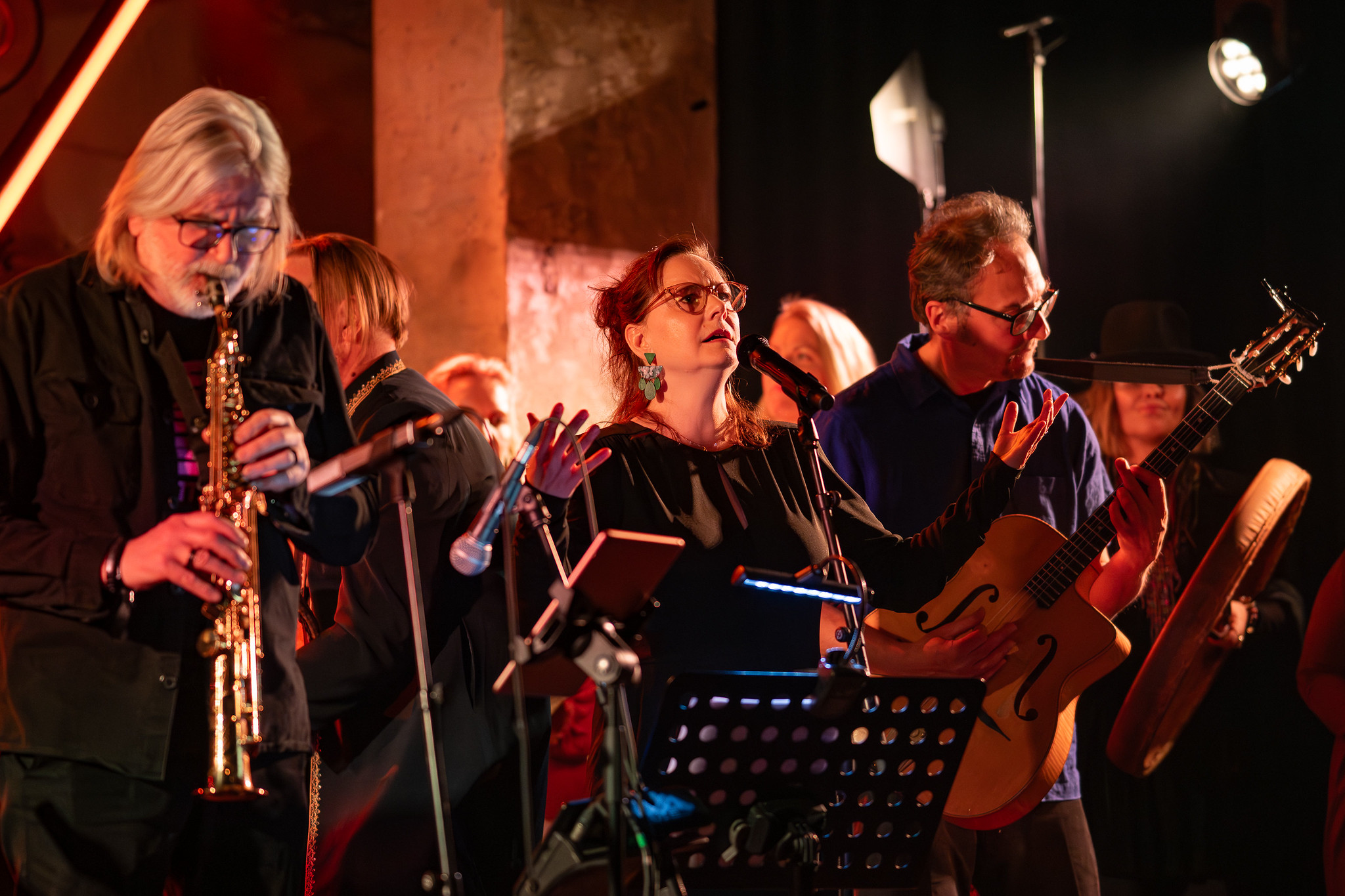
I found myself wondering whether it bordered on folkloric spectacle or represented a genuine attempt to explore connections between local traditions and contemporary improvised music.
With its long melodic guitar lines and cinematic soundscapes reminiscent of Mike Oldfield, Erki Pärnoja's Himmelbjerget pointed towards Scandinavian minimalism while retaining a distinctly Estonian melancholy.
The international guests
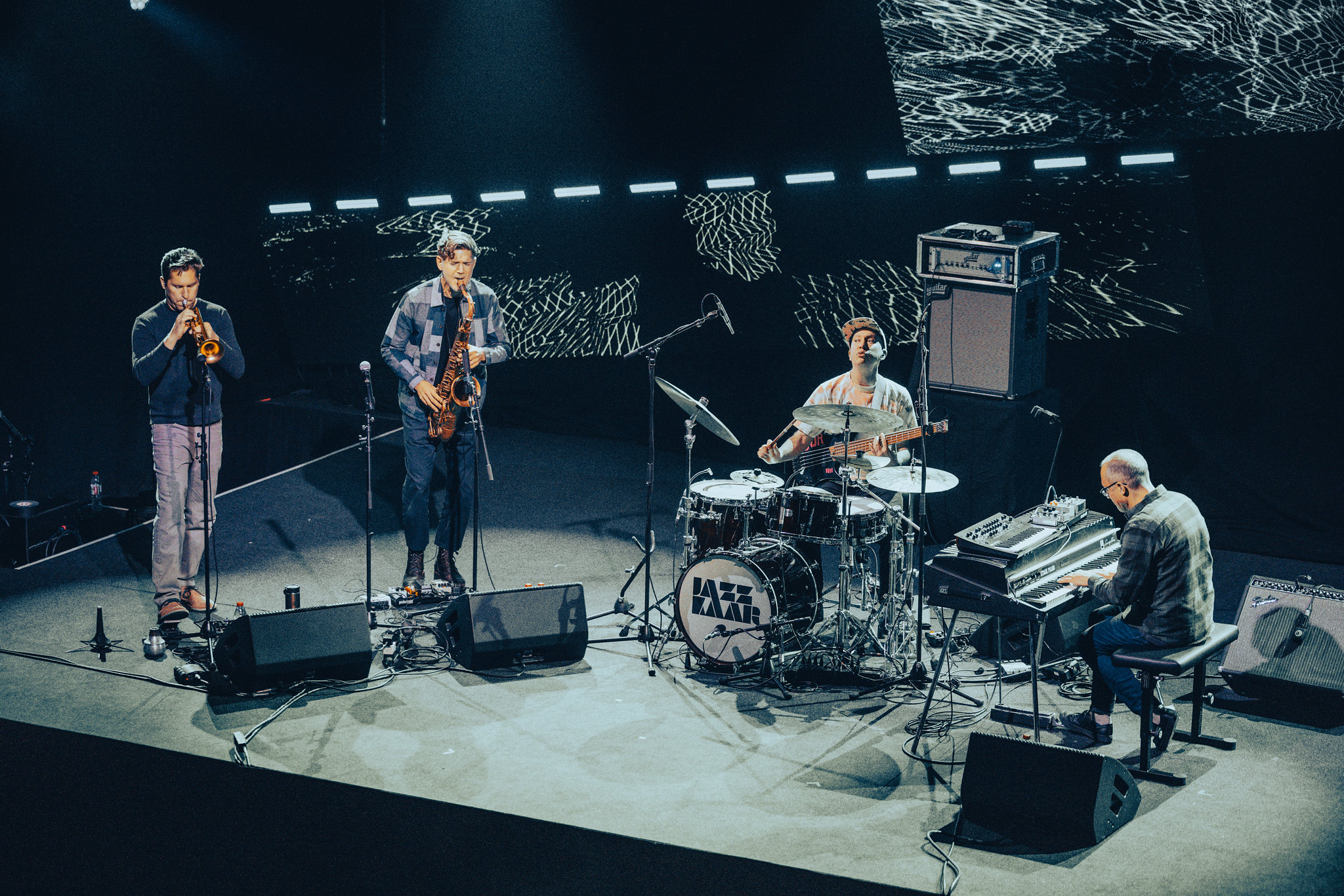
Against this backdrop, the festival's international guests became most interesting as points of contrast. The American group Kneebody delivered an explosive, urban blend of jazz, rock and hip hop, with Nate Wood somehow playing drums and bass simultaneously.
The festival's biggest audience draw was New Zealand-Australian singer Jordan Rakei, who filled Alexela Concert Hall. His neo-soul universe speaks directly to contemporary emotional sensibilities through warm grooves, vulnerable vocals and polished production.
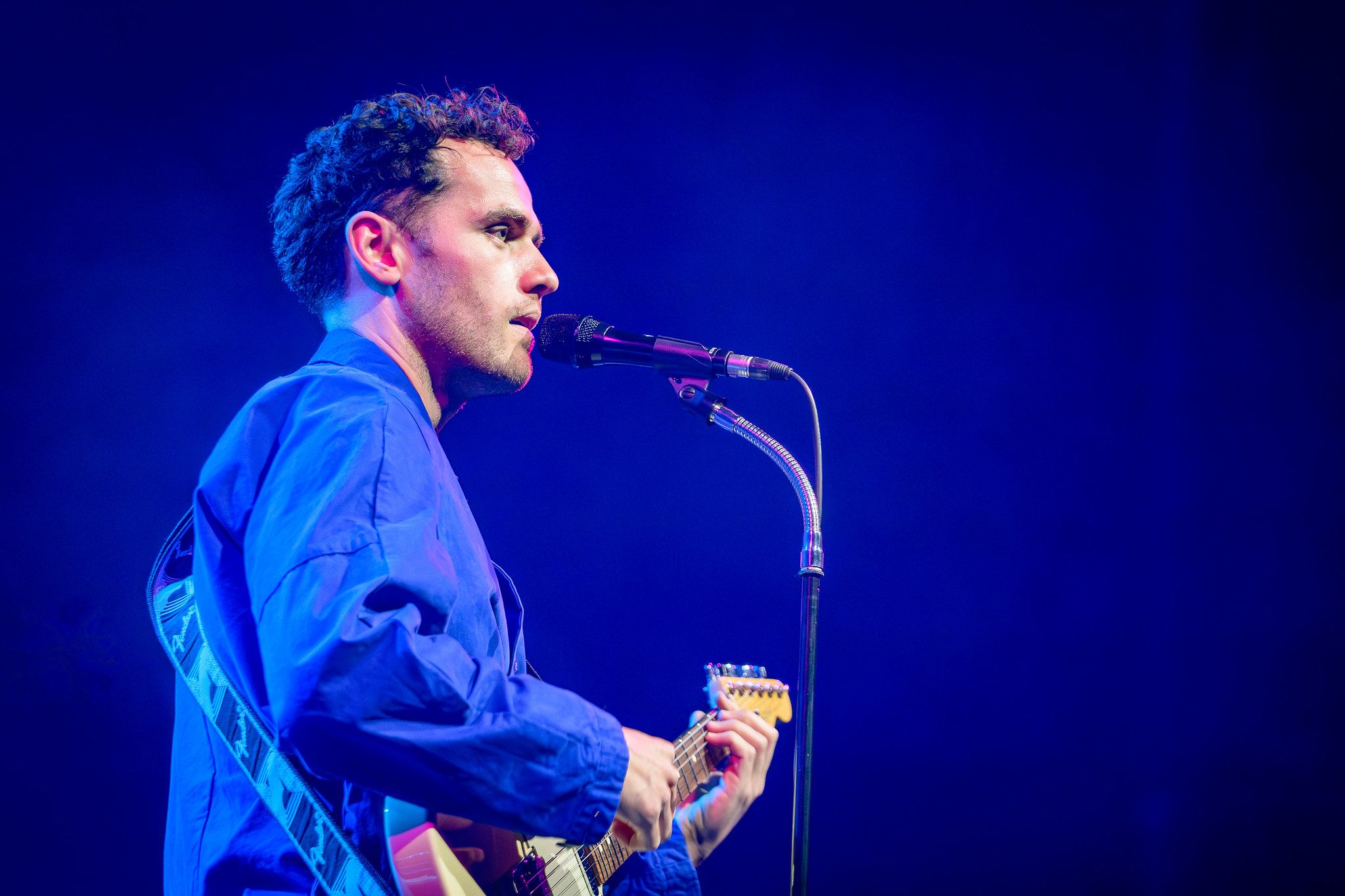
His neo-soul universe speaks directly to contemporary emotional sensibilities
Yet despite the audience's enthusiastic response, I struggled to hear much variation in the material, which often seemed trapped within the same sticky emotional register.
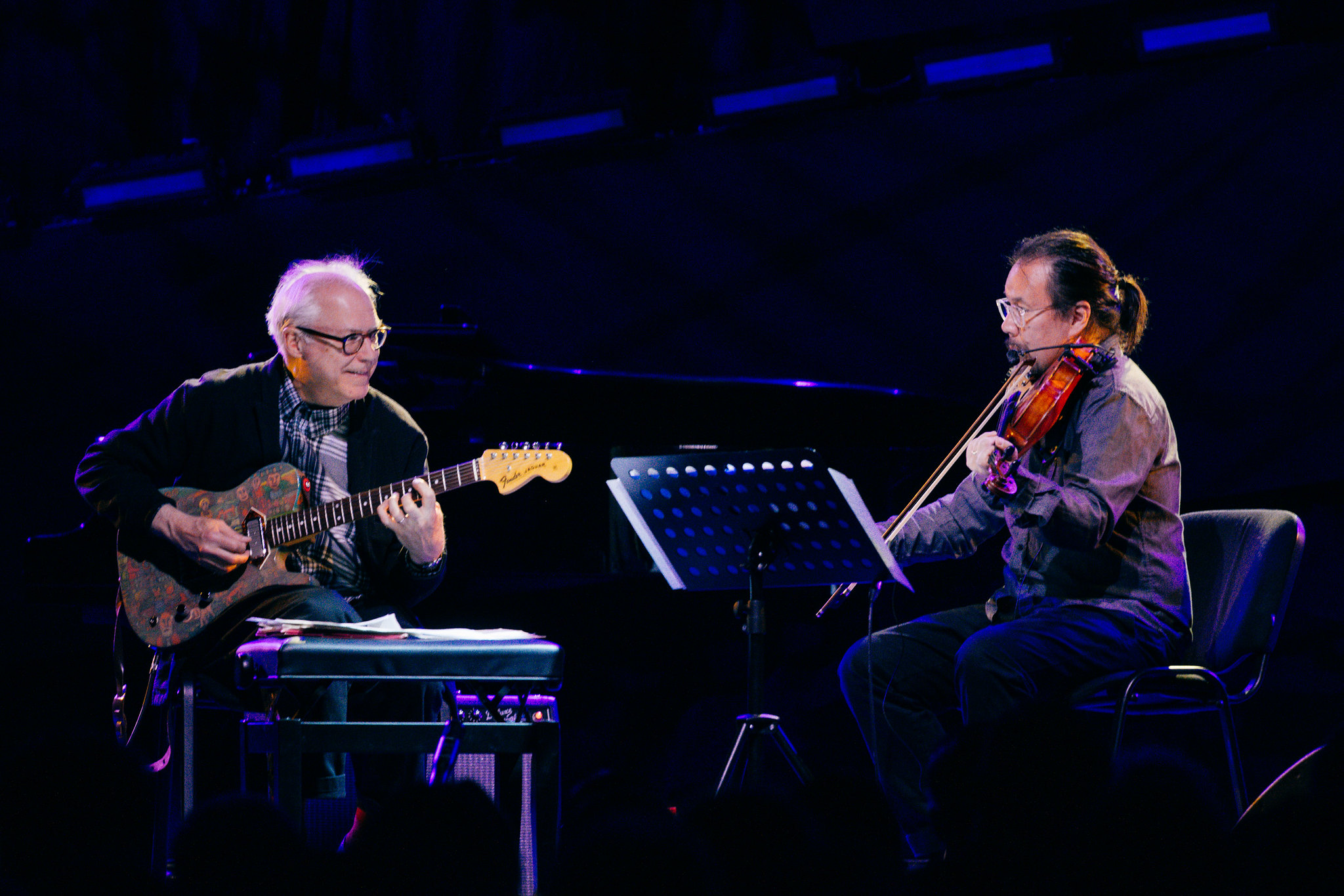
Bill Frisell moved in the opposite direction. He introduced Eyvind Kang as his mentor and then said nothing more. Kang's viola drew long melodic lines through Frisell's reflective Americana, which, here in the land of Arvo Pärt, somehow sounded as though it had emerged from the same forests and bogs that shaped Estonian folk music.
Jazzkaar's history remains inseparable from the American artists that founder Anne Erm has brought to Tallinn over more than three decades. She still speaks proudly of the festival's long list of distinguished guests. Yet this year it was difficult not to feel that they were no longer the festival's main story.
Guitarist Ricky Pistone of Kennedy Administration almost had to ask permission to join them
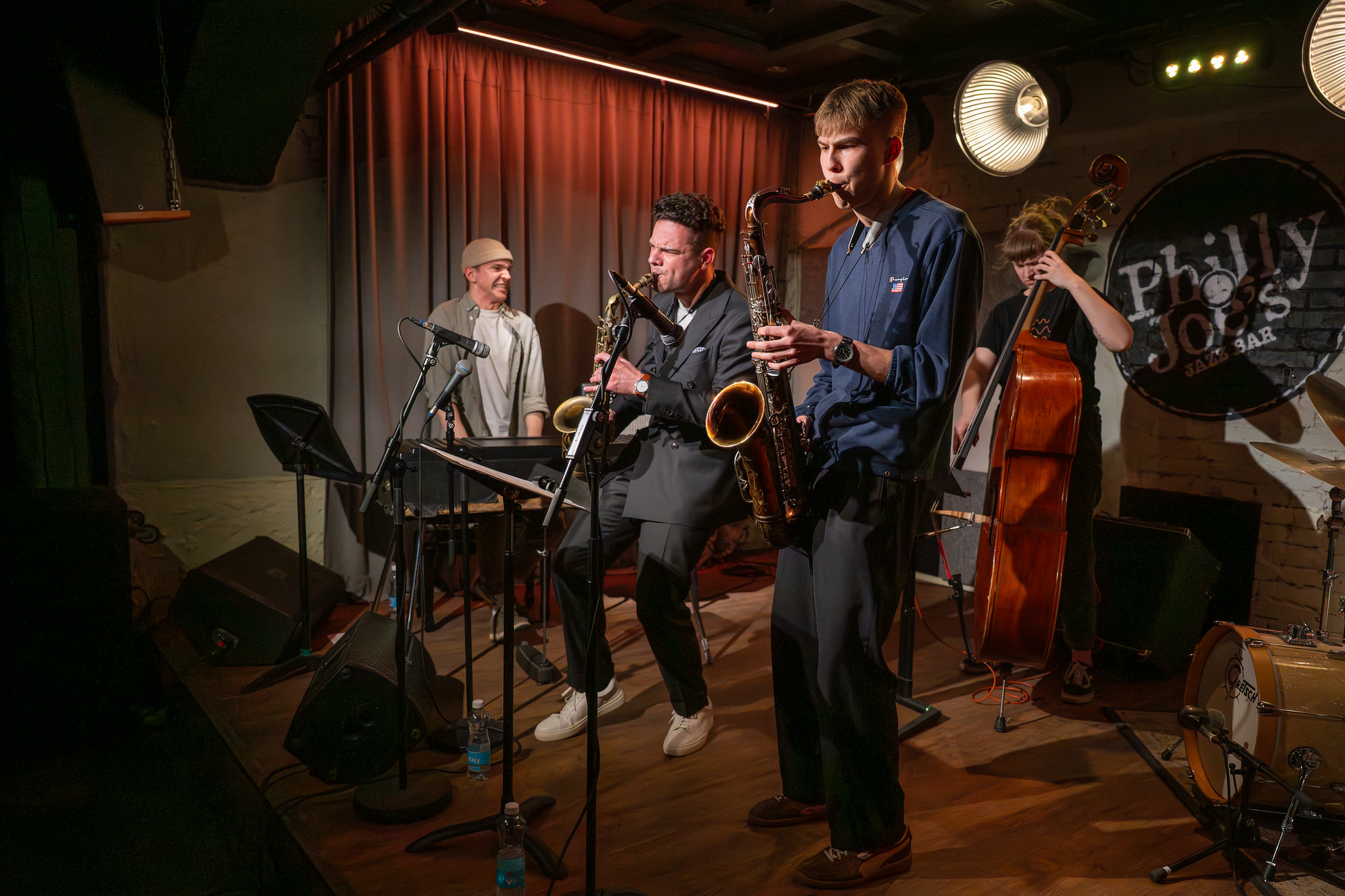
At the record store Terminal and at Philly Joe's Jazz Club, jam sessions continued long after the official programme had ended. Young Estonian musicians occupied the stage with such authority that guitarist Ricky Pistone of Kennedy Administration almost had to ask permission to join them. Even Estonian hip hop sounded surprisingly at home. In Henri Paul Pukk's tribute to J Dilla, the off-kilter grooves seemed to merge naturally with the vowel-rich Estonian language.
Jazz in the living room
One of the last things I experienced in Tallinn was a concert in an apartment in one of the city's fashionable new residential districts, just a few minutes' walk from the small garage restaurant The Kurze, where food enthusiasts travel from afar for handmade Dagestani dumplings. The audience sat close together in the kitchen-living room while Copenhagen-based pianist Rahel Talts and her father, guitarist Marek Talts, performed original compositions alongside a Ukrainian folk song. Beautiful it was, certainly. But Marek Talts had a gift for inserting a crooked chord, a twist, an unexpected turn whenever things threatened to become too settled. Not everything fell into place.
Beautiful it was, certainly. But Marek Talts had a gift for inserting a crooked chord, a twist, an unexpected turn
Yet, much like the festival itself, there was curiosity and a willingness to keep searching. Estonia has become remarkably skilled at promoting its nature, design culture and digital innovation. After Jazzkaar, one leaves with the feeling that the country is also in the process of creating a musical identity that deserves a wider European audience.
Jazzkaar, Tallinn, Estonia, April 24 – May 2, 2026
English translation: Andreo Michaelo Mielczarek