
playlist03.11.2025
My name is Sophia Sagaradze – would you like to see my playlist?
»Music amplifies every emotion, love, happiness, anger, sadness a thousand times over, making me feel everything more deeply and sensitively.«




Use " " to search for an exact phrase. Use AND, OR, and NOT (in caps) to refine your search.
»Music amplifies every emotion, love, happiness, anger, sadness a thousand times over, making me feel everything more deeply and sensitively.«
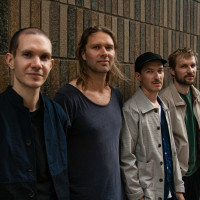
Like all art, music is a language for emotions, dreams, and the search for meaning—but for us it is just as crucial that music is a path to community.
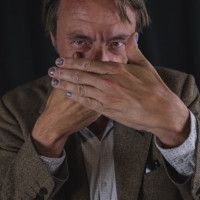
Music, to me, is the lifeline to the world that more than anything else creates emotional resonance and fills my head with confetti of thought.
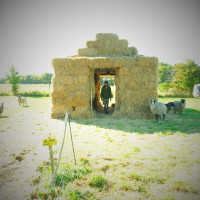
On the Danish island of Samsø, humans, sheep, and birds listen together to the music of nature – a journey into the ecology of sound.
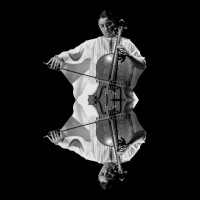
Veroníque Vaka turns monumental geological forces into beguiling music.

OperaHole nevertheless looks like a strong contender to carry on our tradition of playful underground opera.
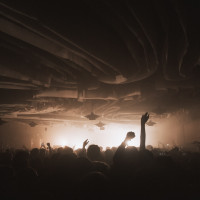
Unsound in Kraków is still more than a festival – it’s an echo of our own search for connection in the age of noise.
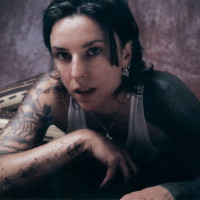
»Eager Buyers« is captivating – even for listeners who don’t usually venture into the electronic sphere.
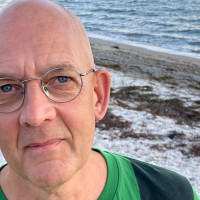
Music, to me, is true luxury and has always been an opening into a language without constricting categories, with room for both intimacy and impact.
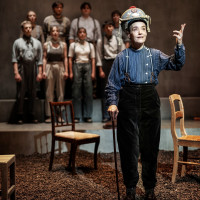
At Betty Nansen Theatre, Louise Alenius and Elisa Kragerup turn Selma Lagerlöf’s tragic tale into a haunting meditation on sound, silence and longing.
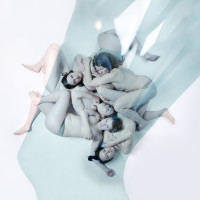
On »BODY« IKI turns the voice inside out and lets technology listen beneath the skin – to the point where body, circuit, and circulation become one.
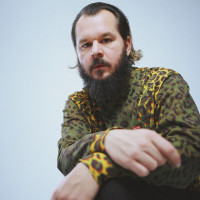
»Music is everything that can only be described far more poorly with words.«
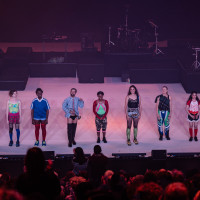
At the Musica festival in Strasbourg, everything from children’s concerts to organ storms and performative string quartets turned into a playful exploration of sound, body, and community.

»Music is the pursuit of original failure...«
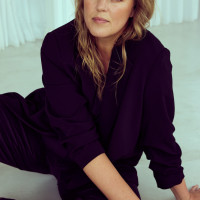
»Music, to me, is the key to – and an extension of – my vocabulary.«

»Soap Horse displayed remarkable control and a firm grasp of both their sonic universe and their audience. Perhaps all that’s left is to prove they dare to loosen their grip.«
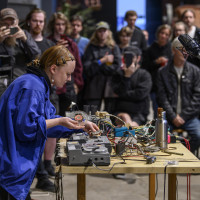
Ostrava Days transformed the old mining town into a laboratory of sound, where contemporary music pressed its way out between dust, drones, and Dadaist madness.<br />
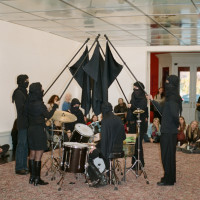
Mesayer’s black-clad universe and Thicket’s bursts of improvised energy merged seamlessly into a community one longed to be part of.
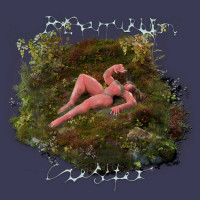
Polish-born Szymon Gąsiorek has done it again – created a cornucopia of an album that both overwhelms and delights.
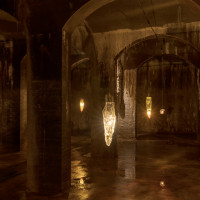
Bjarke Mogensen makes the Cisterns breathe and thunder in a meditative underground sound space.
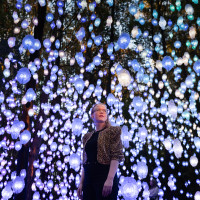
Natural sounds, imitations of nature, harmonies, and entire sequences are simply building blocks in her personal experimental lab.
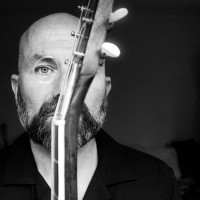
Tungemål dares to experiment without drowning itself out.
It certainly doesn’t break any ambient conventions – but it’s a pleasure to be swept away nonetheless.
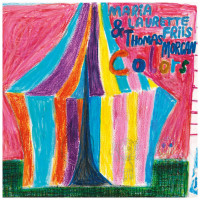
»A rare and unique symbiosis arises between voice and double bass – a connection so special that one rarely hears anything quite like it.«
It’s impressive how effectively it all works, even as the expression remains so relentless and challenging.